
The “base” fare you see on a travel site has always been a half-truth, at best. By the time you reach the final payment screen, government taxes and fees have bloated the price by 10 percent or more, and that’s not including all those baggage fees and other optional charges.
Now, the airlines that pride themselves on being “low-cost” are heading to Washington with their hands out, asking for a break from some of those extras.
Why budget airlines want a tax holiday
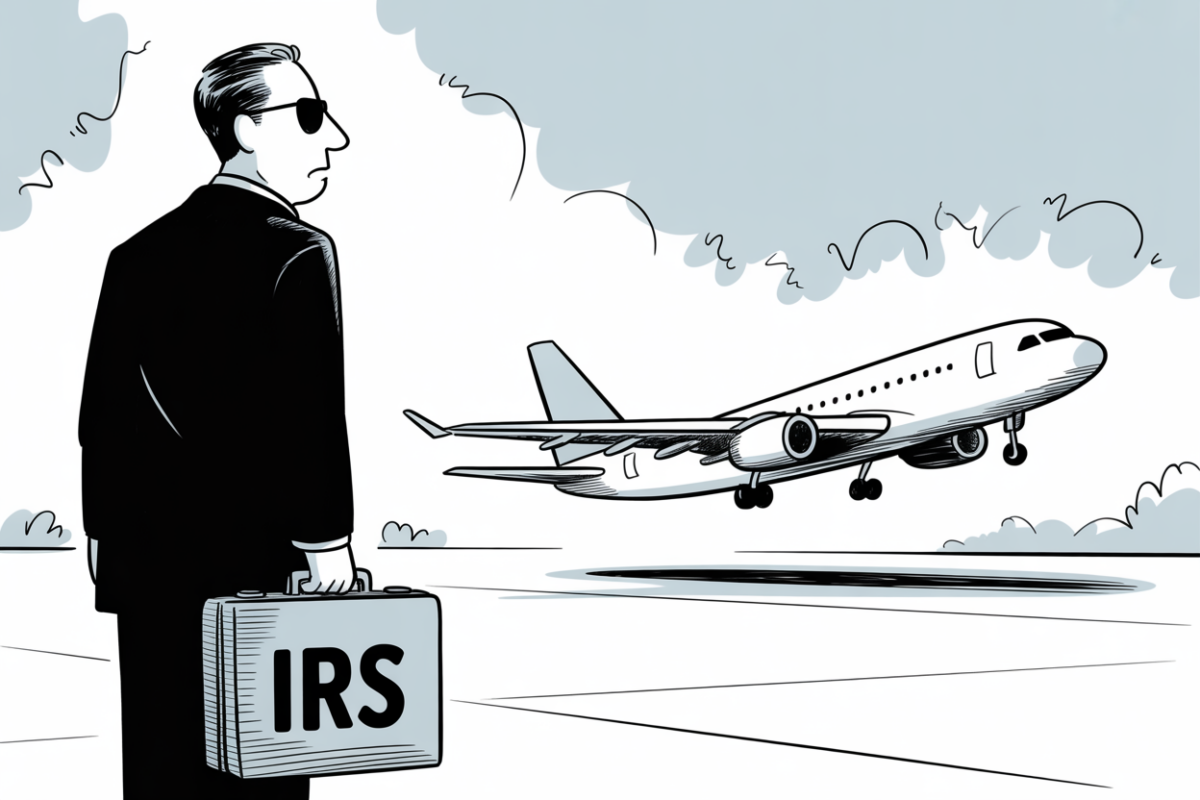
The Association of Value Airlines, which represents Spirit, Frontier, and Allegiant, claim the current jet fuel crisis is a threat to their business model. This week, they met with Transportation Secretary Sean Duffy to plead for a temporary tax holiday.
The discount airlines are spooked by surging energy costs. Oil prices doubled after the outbreak of the Iran war. For an airline like Spirit, which is already struggling to stay out of bankruptcy, these could be the closing credits.
The airlines are asking Congress to suspend two major taxes:
- The 7.5 percent federal excise tax on all domestic airline tickets.
- The $5.30 per-segment tax that hits travelers every time they take off.
The Association of Value Airlines argues that waiving these fees would offset about one-third of the extra costs it’s eating because of fuel prices. Without relief, it warns that travelers will face even higher fares and more baggage fees. (Here is everything you need to know before booking your next airline ticket.)
Fuel is the biggest single cost in an airline’s operation, and for discount carriers built on razor-thin margins, a prolonged price shock hits them differently than it does a legacy carrier, which has more pricing flexibility and hedging programs. Exempting them from jet fuel taxes for some defined period isn’t unprecedented. Plenty of industries have gotten targeted relief during supply disruptions.
But here’s where it gets interesting: If Congress hands the airlines a tax break, should any of those savings flow to passengers? Because right now, every time you buy a domestic ticket, you’re paying a pile of federal and state fees that have nothing to do with the seat price.
I’d love to see taxes and fees reduced for passengers, but that’s it. It makes zero sense to subsidize these airlines. If they can’t compete, that’s unfortunate, but that’s life. Letting them charge us for taxes they don’t have to pay is wrong in so many ways.
Read more insightful reader feedback. See all comments.
Maybe travelers need a tax break, too
Take a closer look at the taxes on a typical domestic ticket. On a $369 roundtrip fare (that’s the current U.S. average), roughly $47 goes to mandatory taxes and fees, and that’s before you’ve bought a bag or picked a seat. It inflates the cost of your ticket by about 13 percent over the advertised price.
| Tax or Fee | Amount on $369 Fare |
| Federal Excise Tax (7.5%) | $27.68 |
| Flight Segment Fee | $4.70 |
| 9/11 Security Fee (TSA) | $5.60 |
| Passenger Facility Charge | $4.50 |
| Federal Jet Fuel Tax | $5 (estimate) |
| Total You Pay | $416.48 |
(The federal jet fuel tax of $0.219 per gallon goes to the airline’s bottom line. Passengers do not see that line on their receipt. But the 7.5 percent excise tax does show up in your fare, and any airline lobbying for fuel relief would be collecting that from you, potentially without passing any savings down to you.)
Why airlines say they need tax relief
Airlines argue they need every dollar of relief to stay solvent. They say targeted relief during supply disruptions is not unprecedented and is necessary to prevent route cuts and price spikes. By suspending these taxes, the government could help preserve competition in a market dominated by legacy carriers. (Related: So long, Spirit Airlines. Should the government have saved you?)
Travelers could use some tax relief, too. Imagine getting rid of that pesky 9/11 Security Fee? Or the Passenger Facility Charge? Unfortunately, passenger rights groups are not lining up in front of the DOT office in Washington to ask for a tax holiday. But maybe they should. Lower airline ticket prices would go a long way to help during the jet fuel crisis.
Do airlines deserve a tax break?
If you voted “Yes”:
- Should the tax savings be passed directly to you in the form of lower fares?
- Are you worried that if these budget airlines don’t get help, they’ll simply disappear?
- Is a temporary bailout better than losing competition in the skies?
If you voted “No”:
- Do you think it’s fair to bail out the airlines while passengers continue to pay record-high fees?
- Should airlines be forced to use their own hedging programs instead of asking for government help?
- Do you believe the savings would just go to shareholders instead of travelers?
If Congress suspends fuel-related taxes for carriers, should it require a corresponding passenger fare reduction, or at least a temporary suspension of the 7.5 percent excise tax on tickets?
Airlines will argue they need every dollar of relief to stay solvent. Passengers would push back that the whole premise of discount carriers is cheap fares, and passing fuel savings to shareholders while charging passengers $119 for a $89 seat undercuts that argument entirely.
My take: When times are good, airlines pocket the profits and invent new fees. When fuel prices spike, they run to the government for a handout. If the government waives the 7.5 percent excise tax, it shouldn’t be a gift to Spirit or Frontier. It should be a permanent discount for the person actually paying the bill: you. Anything else is just a corporate subsidy disguised as traveler relief.
Your turn
What’s your move? Are you willing to let the airlines keep the tax money if it means they stay in business, or is it time for the government to stop playing favorites? Join the discussion in the comments.

Have a question about this story? Tell us what happened — we read every comment.
Join the conversation