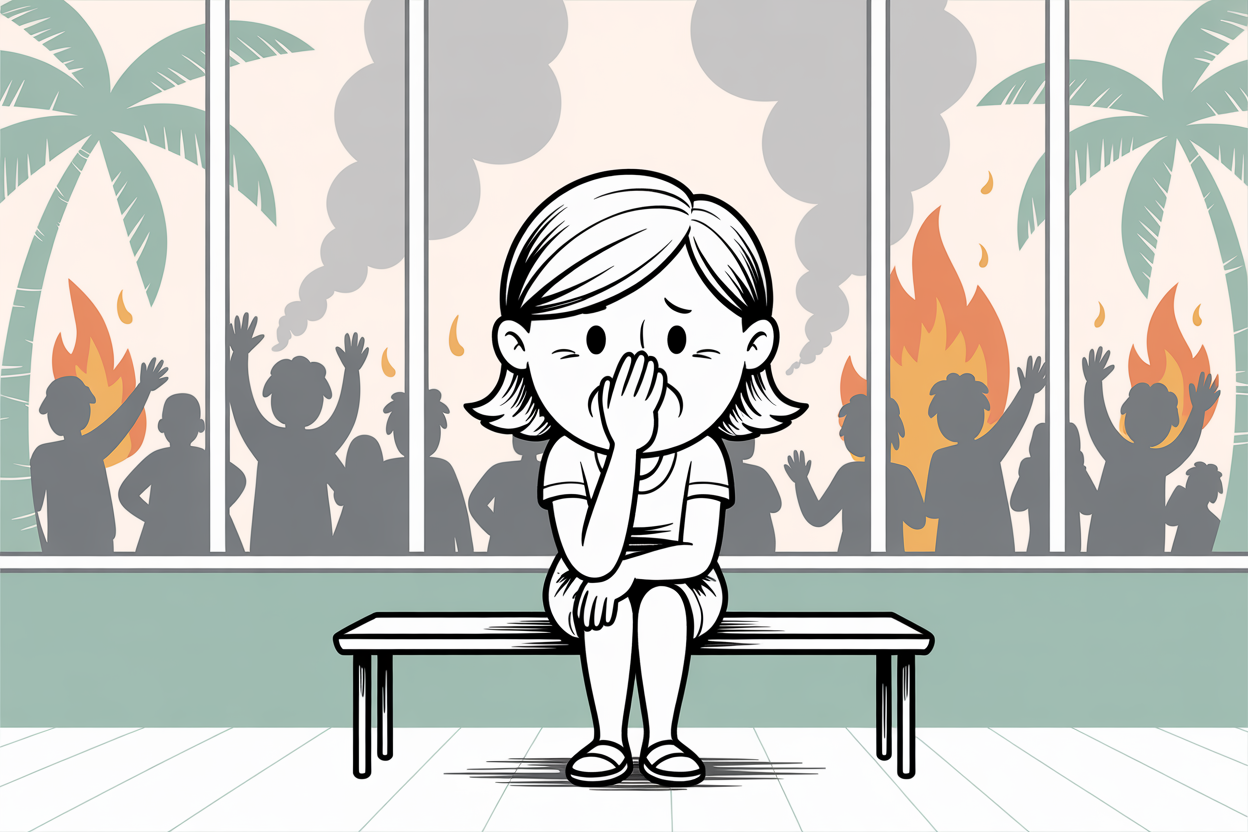
Illustration of a worried young traveler sitting inside an airport as smoke, flames, and panicked crowds appear outside the windows.

When your vacation turns dangerous: How do you know it’s time to leave?

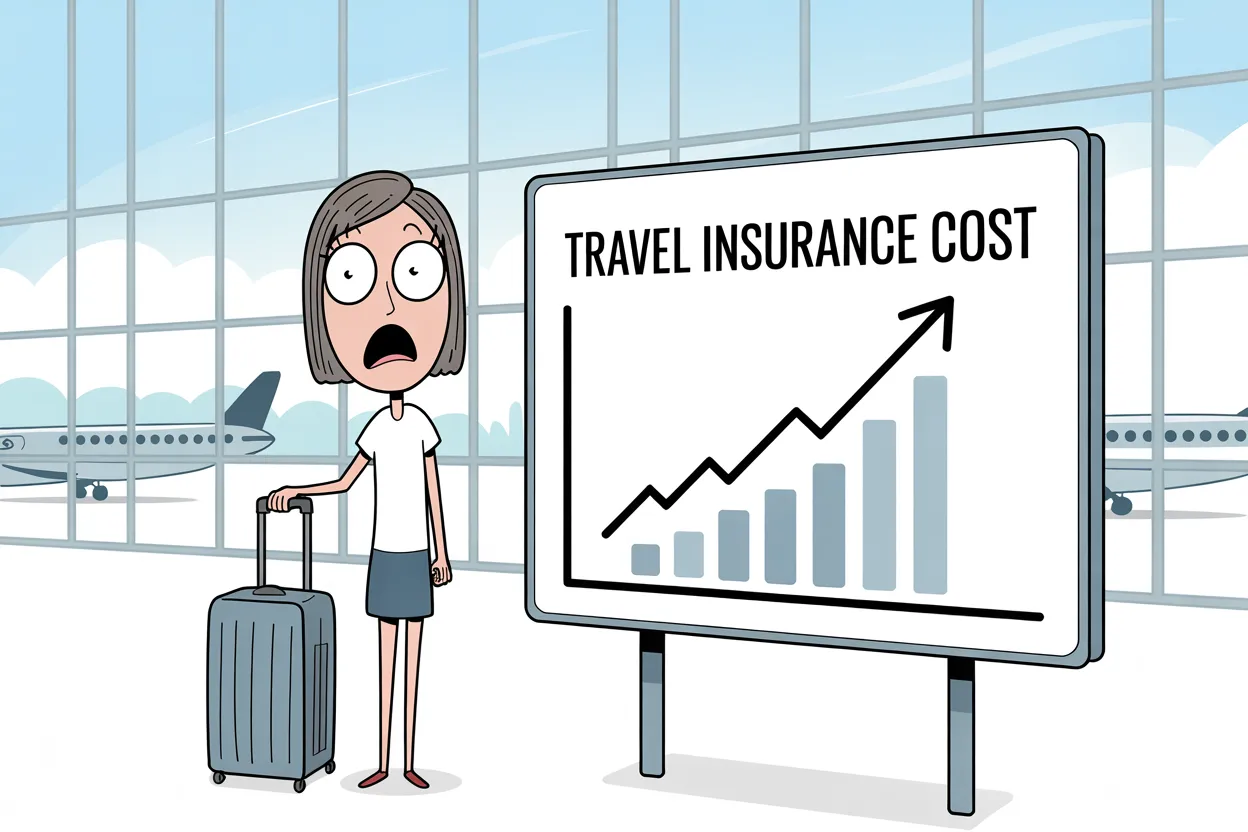
Kate McCulley, a journalist based in Prague, knew it was time to leave Madagascar. Flights were getting canceled, protests had moved outside her hotel in Antananarivo, and the country was on the verge of a military coup. The police blanketed the neighborhood in tear gas. After several days of trying, she finally caught a flight to Réunion. Most travelers face a much harder version of her call. After months of planning and thousands of dollars spent, deciding whether to cut a vacation short when conditions shift is rarely simple. Civil unrest, a natural disaster, a sudden spike in crime, or a slow drift in local sentiment can each push a manageable risk toward a real threat. Government advisories often lag behind reality on the ground, tour operators have an interest in downplaying risk, and standard travel insurance generally will not cover a trip cut short on fear alone. There is no algorithm for the stay-or-leave decision, but security professionals point to clear early triggers that separate a manageable situation from a dangerous one, if travelers know what to watch for.

Editorial cartoon showing a stranded family of four standing next to a broken-down silver Honda SUV with steam rising from the hood and two orange suitcases by the open trunk, while traffic blurs past on a yellow-tinted highway under a sweltering yellow sky, illustrating the common summer road trip breakdown scenario between Memorial Day and Labor Day when heat stresses vehicle cooling systems, batteries, and tires

Summer road trip questions you never ask (but should)

Drivers face their 100 deadliest days between Memorial Day and Labor Day. Late August is one of the most common times for vehicle failures because cooling systems, batteries, tires, and belts have been stressed all season. Pavement temperatures can exceed 150 degrees Fahrenheit, hot enough to warp metal and disintegrate tires. Travel trailer blowouts are extremely common because many towable RVs use cheap tires with speed ratings of just 65 mph. 85 percent of drivers have roadside assistance, but only 18 percent actually use that coverage during a breakdown. Standard auto insurance does not cover mechanical breakdowns, and common towing mileage limits are as low as 15 miles before passengers pay out of pocket.