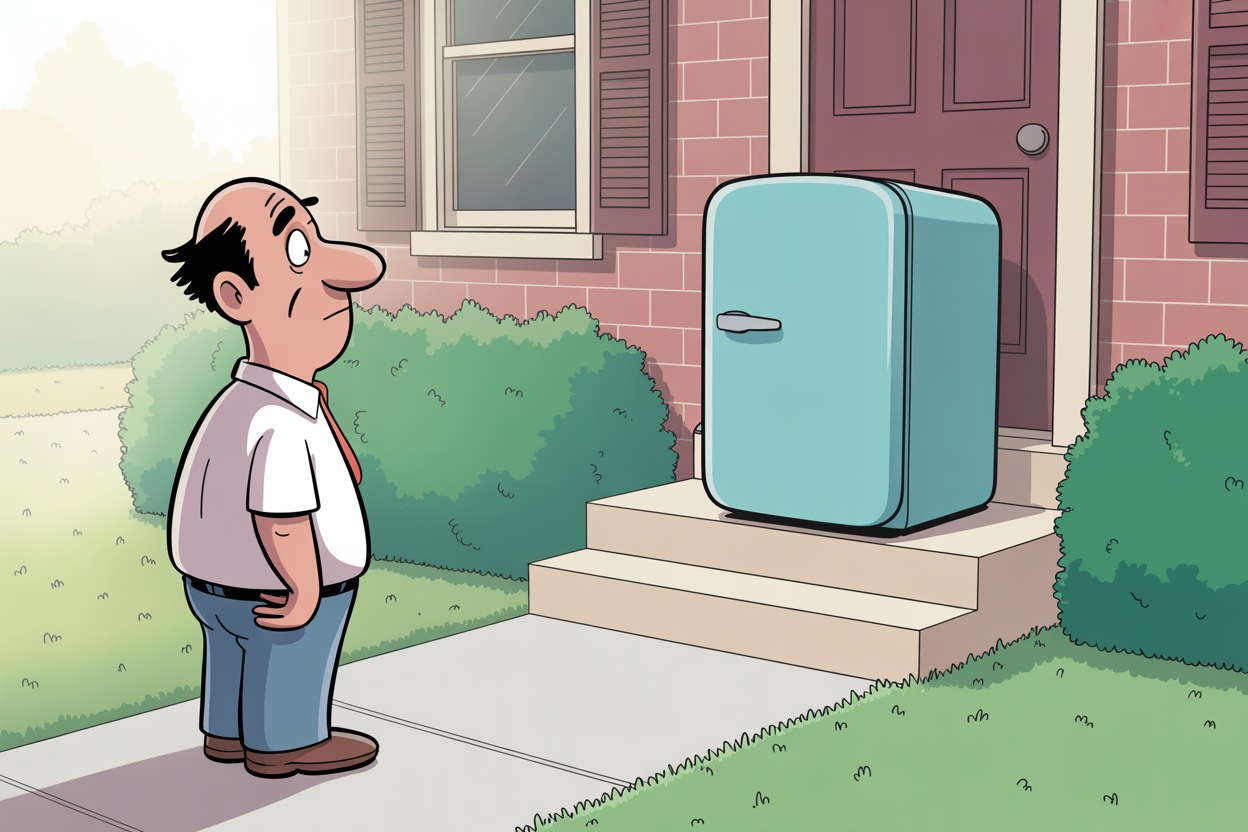
Editorial cartoon showing a confused balding middle-aged man in a white shirt and tie standing on his front lawn looking up at a small light blue mini refrigerator that has been mysteriously returned to his porch steps after being picked up by FedEx, illustrating how third-party seller returns can fail in unexpected ways

Walmart told me to donate my broken refrigerator — then things got strange

Howard Friedman bought a beverage refrigerator from Walmart that did not get cold. After Walmart arranged a return, his replacement came from third-party seller Ca’Lefort and also failed. FedEx picked up the broken refrigerator then mysteriously delivered it back to his porch days later. Ca’Lefort refused returns without original packaging and offered only 50 percent off a replacement. Walmart told him to donate the broken refrigerator to charity and promised a refund that never arrived. Multiple calls produced dropped calls and apologies but no resolution. Federal consumer protections under FTC rules apply even with third-party marketplace sellers.

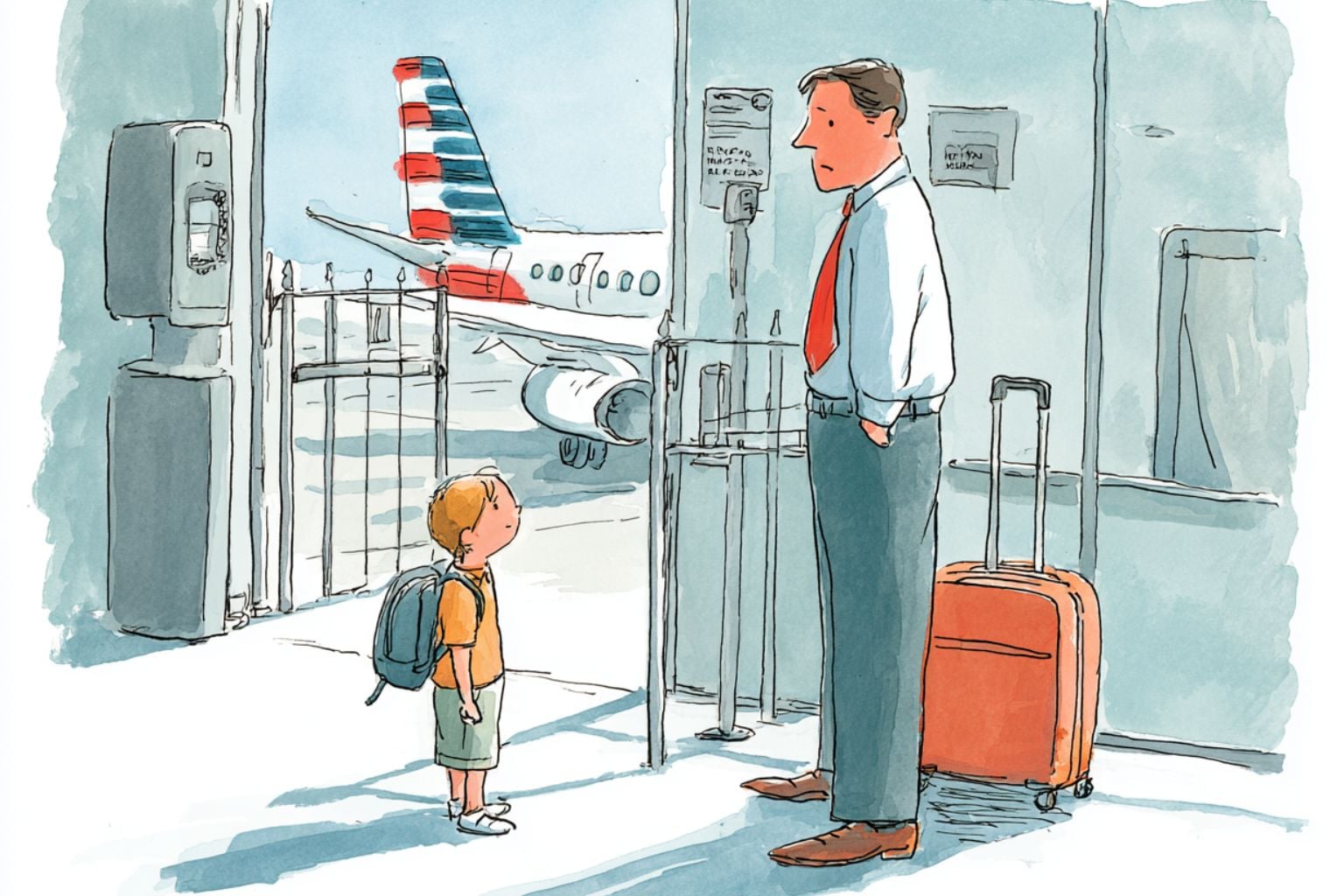
Watercolor editorial illustration of a father in a white shirt and red tie standing with his young son who carries a backpack at an American Airlines departure gate, with an American Airlines plane visible through the window beyond the closed gate door, illustrating how families get separated when airlines pull passengers from boarding lines and document involuntary bumping as voluntary

American Airlines claims I voluntarily gave up my seat, but that’s a lie

Charles Shearer was traveling from Cleveland to Japan for his mother-in-law’s funeral when American Airlines pulled him and his young son from the boarding line. His grieving wife boarded alone while gate agents offered $500 vouchers, with one even verbally acknowledging the bumping was involuntary. American later documented the incident as voluntary in its system, denying him the federal compensation of up to $2,150 per passenger that involuntary bumping triggers when passengers arrive over two hours late. Federal law mandates 400 percent of one-way fare in cash compensation, paid at the airport on the day of the flight.

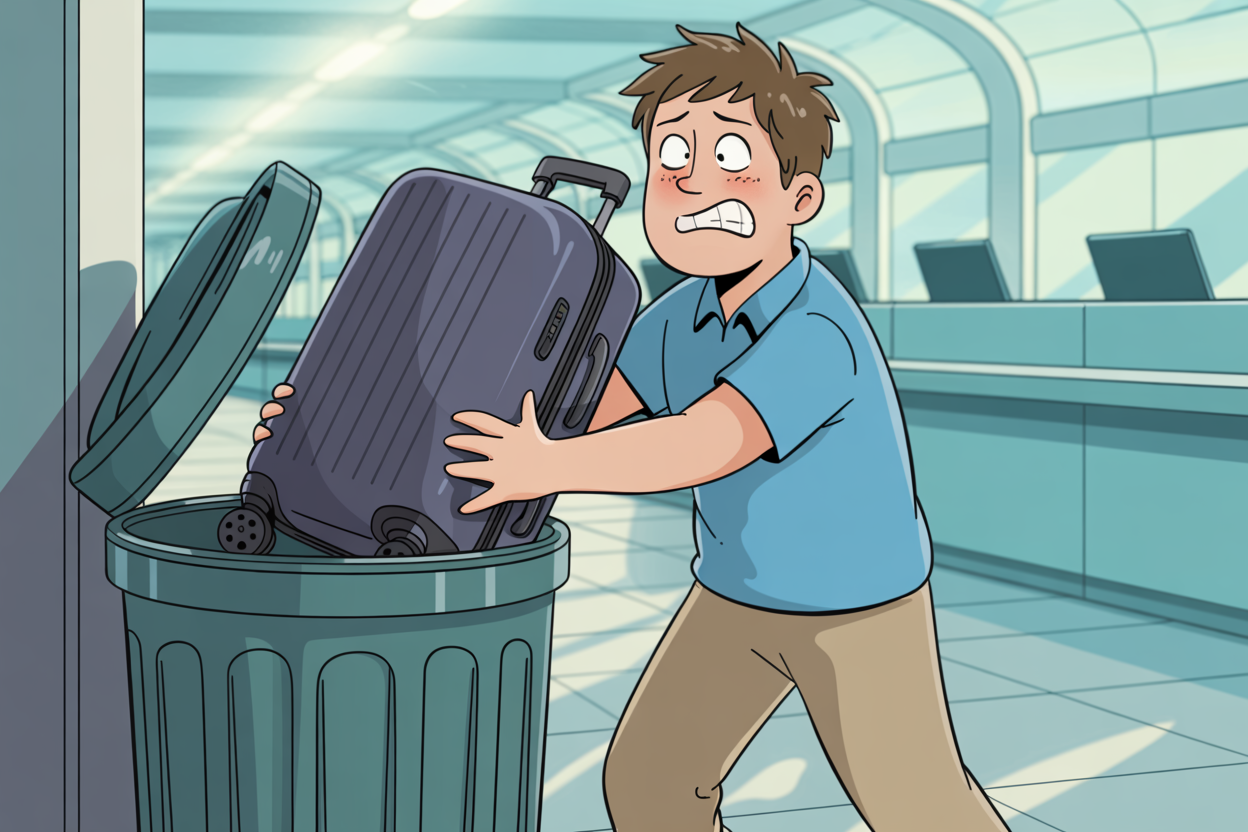
Editorial cartoon showing an anxious traveler in a blue polo shirt grimacing as he stuffs a large purple roller suitcase into an open green airport trash can, with empty seating areas and large glass windows visible in the background, illustrating the increasing trend of travelers abandoning their luggage at airports to avoid baggage fees

The great luggage abandonment: Why travelers are ditching their bags at the airport

Travelers are increasingly abandoning their luggage at airports and hotels to avoid baggage fees that can exceed the value of the bags themselves. Hotels in Tokyo and Osaka now post warning signs about luggage abandonment fees while Narita Airport reportedly stores dozens of unclaimed bags daily. Kansai Airport in Osaka and Chubu Airport in Nagoya report similar pile-ups. Asian carriers known for strict baggage fee enforcement contribute to the trend, along with Japanese tourists buying cheap rolling luggage for shopping trips and abandoning it before flying home. Airports hold abandoned bags 30 to 90 days before disposal.

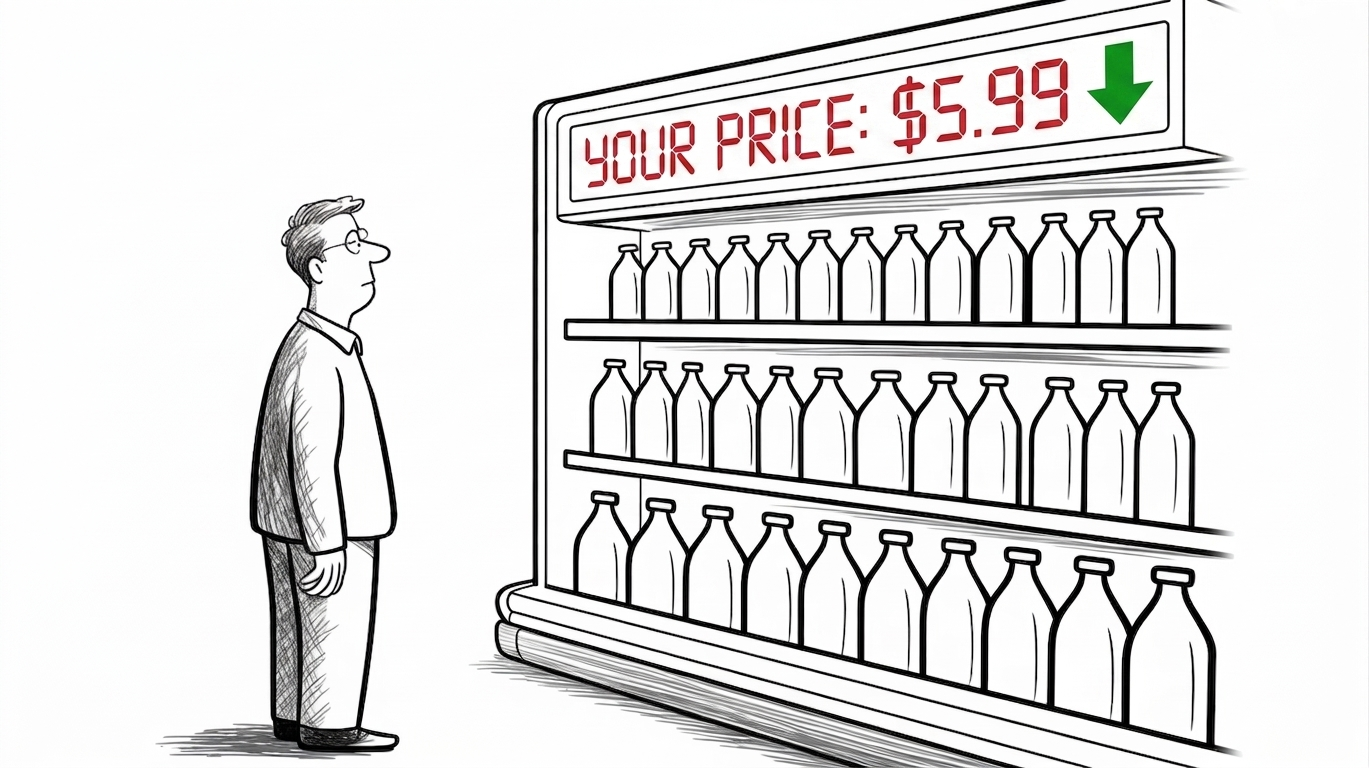
Editorial cartoon showing a man with glasses standing in front of a store shelf filled with bottles, looking up at a digital sign that displays "YOUR PRICE: $5.99" in red LED letters with a green arrow, illustrating how surveillance pricing creates personalized prices based on consumer data

Don’t ban surveillance pricing. Here’s how to fix it.

Surveillance pricing happens when companies use everything they know about you including location, browsing history, income, and device type to decide how much to charge you. The Federal Trade Commission documented eight major companies actively using or piloting surveillance pricing powered by third-party data brokers. Maryland is weighing a first-of-its-kind ban on the practice for groceries while JetBlue faces a federal lawsuit alleging it uses passenger data to raise fares. Disclosure requirements similar to the Equal Credit Opportunity Act would force companies to explain exactly what data they used to set custom prices.

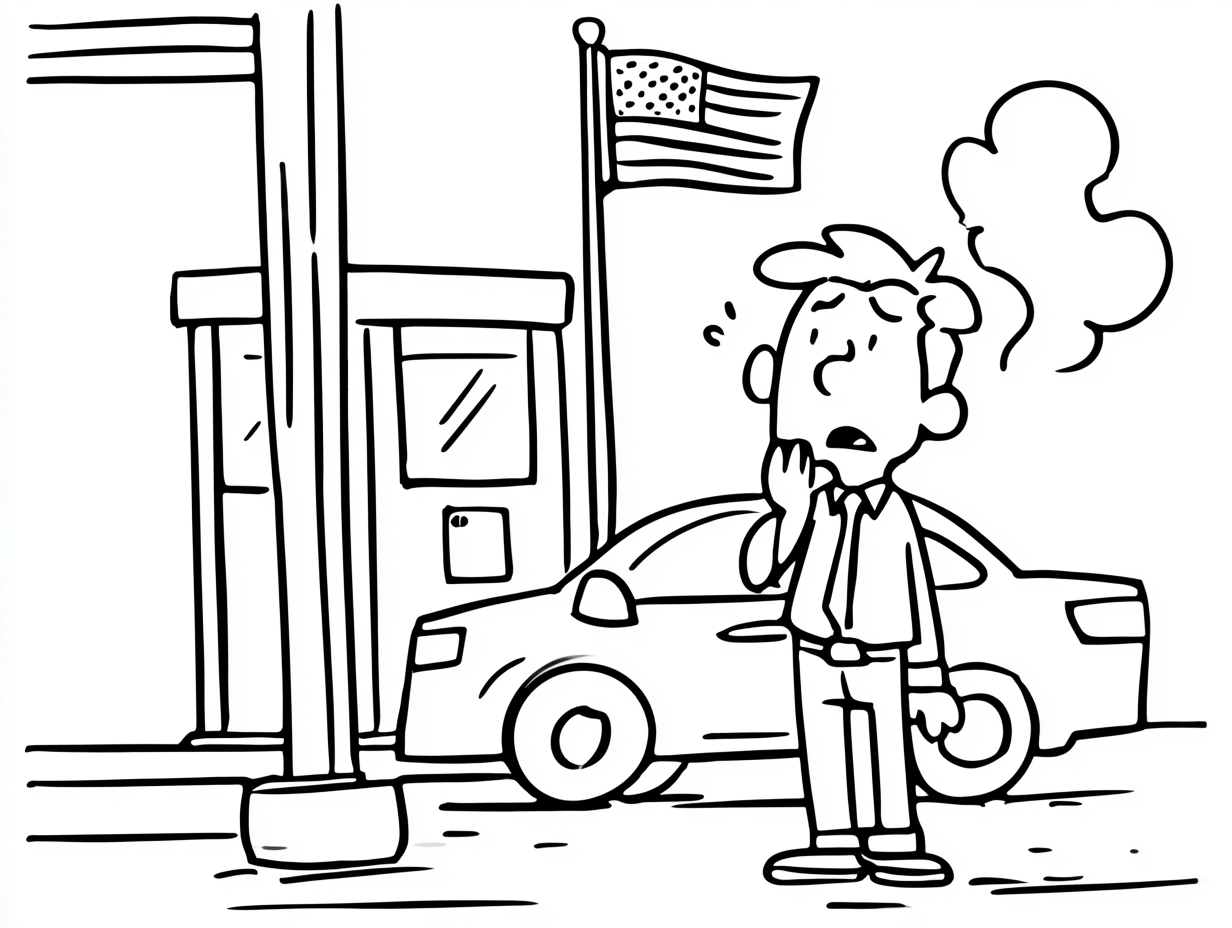
As the Department of Homeland Security shutdown enters its seventh week, the administration has pivoted to a controversial fix: It's deploying hundreds of Immigration and Customs Enforcement (ICE) agents to 14 major airports to plug the gaps left by unpaid TSA officers who are calling out or quitting. 

Is ICE the answer to our airport security problems?

As the Department of Homeland Security shutdown enters its seventh week, the administration has pivoted to a controversial fix: It’s deploying hundreds of Immigration and Customs Enforcement (ICE) agents to 14 major airports to plug the gaps left by unpaid TSA officers who are calling out or quitting.