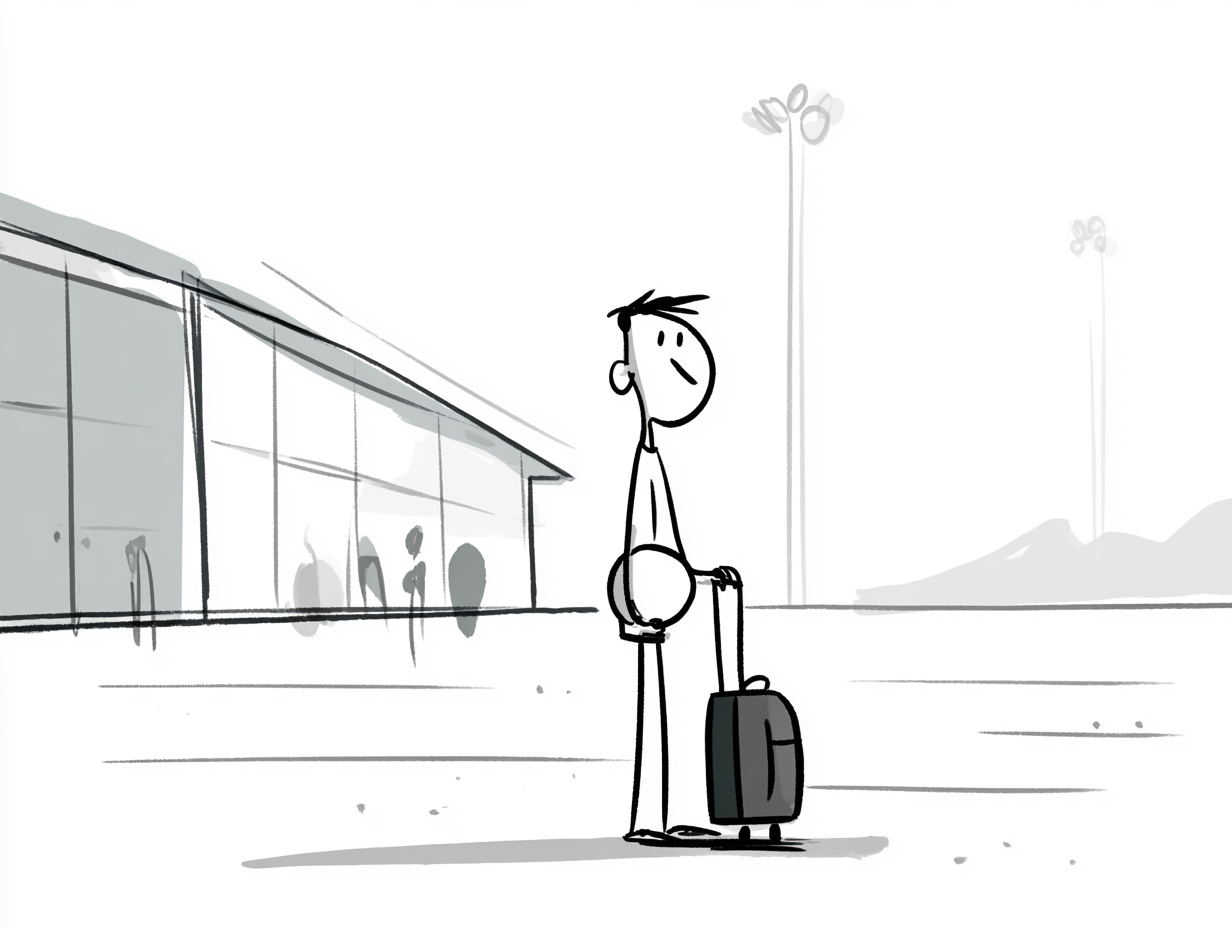
Minimalist black and white cartoon of a lone traveler with a rolling suitcase standing outside a nearly empty airport terminal, looking uncertain, evoking a trip thrown into limbo.

Let’s keep politics out of your summer vacation

Steve Brody is flying out of Newark this week, and he is worried. There are plans afoot to pull the Customs and Border Protection officers out of airports in certain cities, with Newark Liberty International first in line. Brody, a retired government worker, is flying nonstop to Vancouver, but he has to pass back through US Customs on his return. “Gimme strength,” he says. He is not being dramatic. Customs officers are the people who let you back into the country, and pull them out and international flights cannot unload their passengers. That is the part that should bother everyone, left, right, and undecided. A passport does not have a party affiliation. When a flight gets canceled, the system does not check your voter registration before it strands you. You are stuck. Which is the real question worth sitting with before your next trip: whether the airport you are counting on this summer should ever be something an administration is allowed to switch off to win an argument that has nothing to do with you.
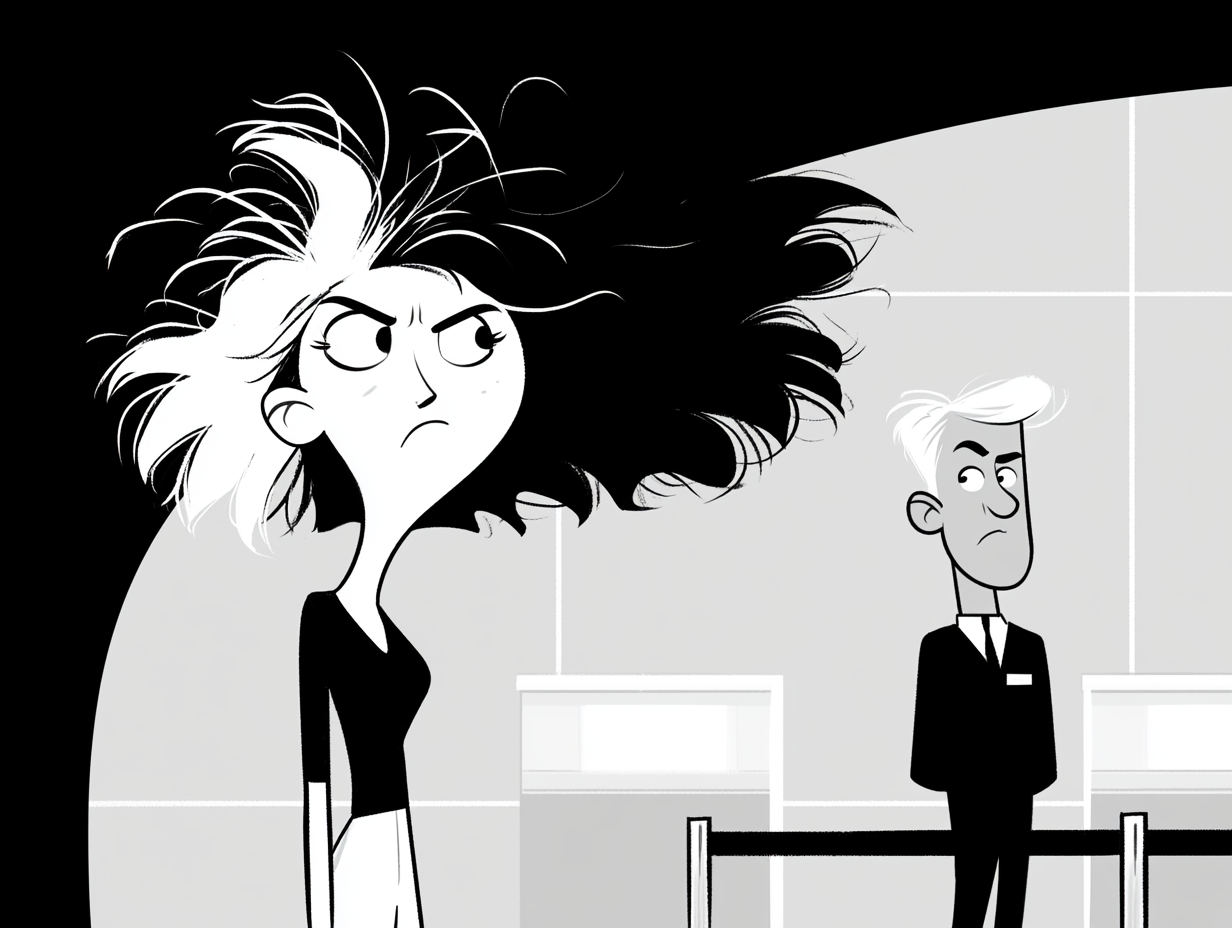
Black and white cartoon of a woman with wild, disheveled hair glaring angrily near an airport check-in counter as a wary uniformed agent watches her from behind the desk. airline blacklist

Is it time for an international blacklist of problem passengers?

If an airline bans you for screaming at a flight attendant or trying to open a door at altitude, you can usually walk to a competitor’s counter and buy a ticket. Britain wants to put an end to that, and its actions may ripple across the Atlantic. The Department for Transport and the Home Office are reportedly working on a national system that would let UK airlines share details of serious offenders, so a person barred by one carrier could be flagged at check-in by another. A trade group has welcomed it, and a budget carrier has been lobbying for exactly this kind of database. On its face it sounds like common sense: keep the dangerous few off everyone’s planes. But a shared ban list raises harder questions than the headlines admit, starting with the ones that decide whether it protects passengers or quietly turns into something else: who decides who belongs on it, what counts as unruly, and if an airline flags you and you think it is wrong, who exactly do you appeal to?

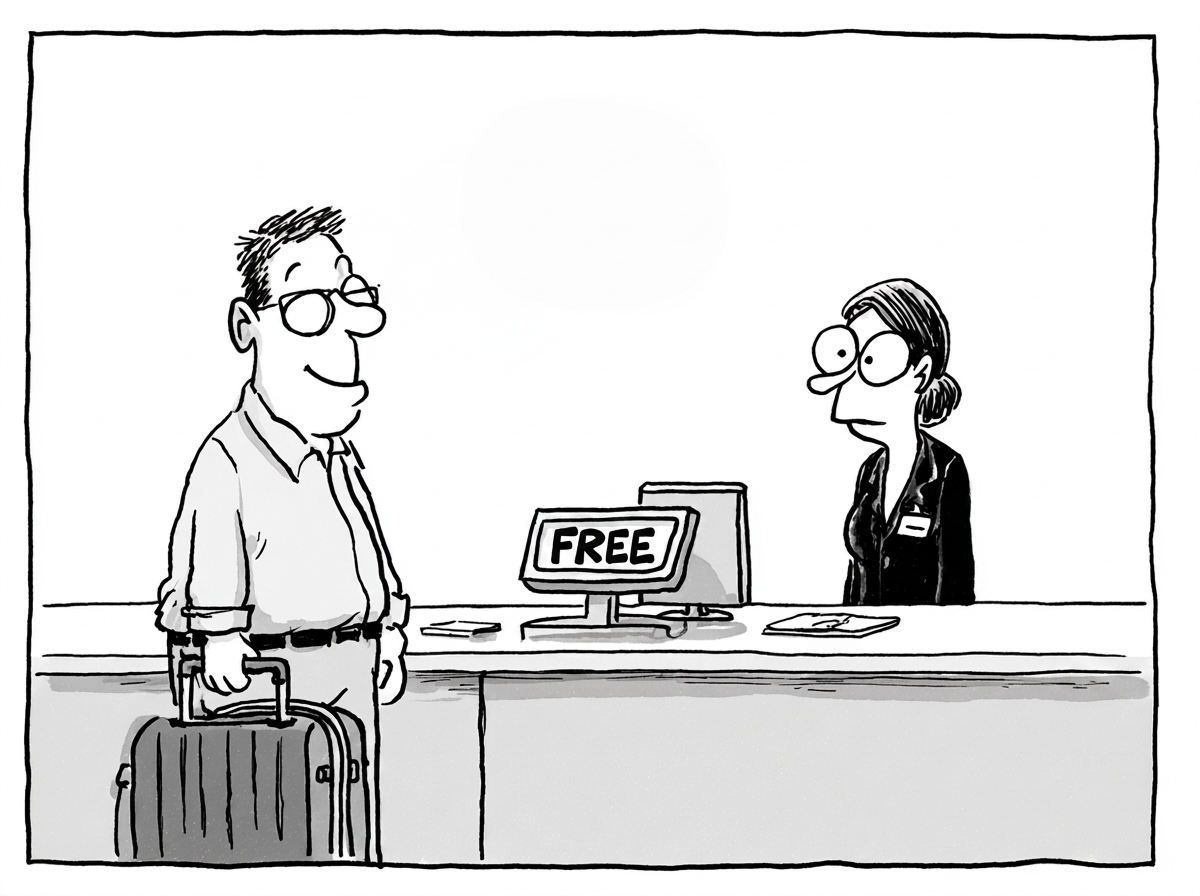
Editorial cartoon showing a smiling passenger with glasses holding a rolling suitcase at an airline check-in counter, where the agent's computer screen displays the word "FREE," illustrating the proposal to make checked bags free as a condition of any Spirit Airlines government bailout

If Spirit Airlines gets a government bailout, bags should fly free

Spirit Airlines has reportedly asked the Trump Administration for $360 million in emergency funding as jet fuel prices doubled following the Iran conflict. After 9/11, Congress provided $5 billion in grants and $10 billion in loan guarantees to airlines. The COVID-19 Payroll Support Program delivered over $50 billion with conditions including killed change fees, capped executive pay, and restricted buybacks. Any new bailout should require Spirit to include one free checked bag in every fare for a minimum of five years, making taxpayer support deliver tangible passenger benefits.

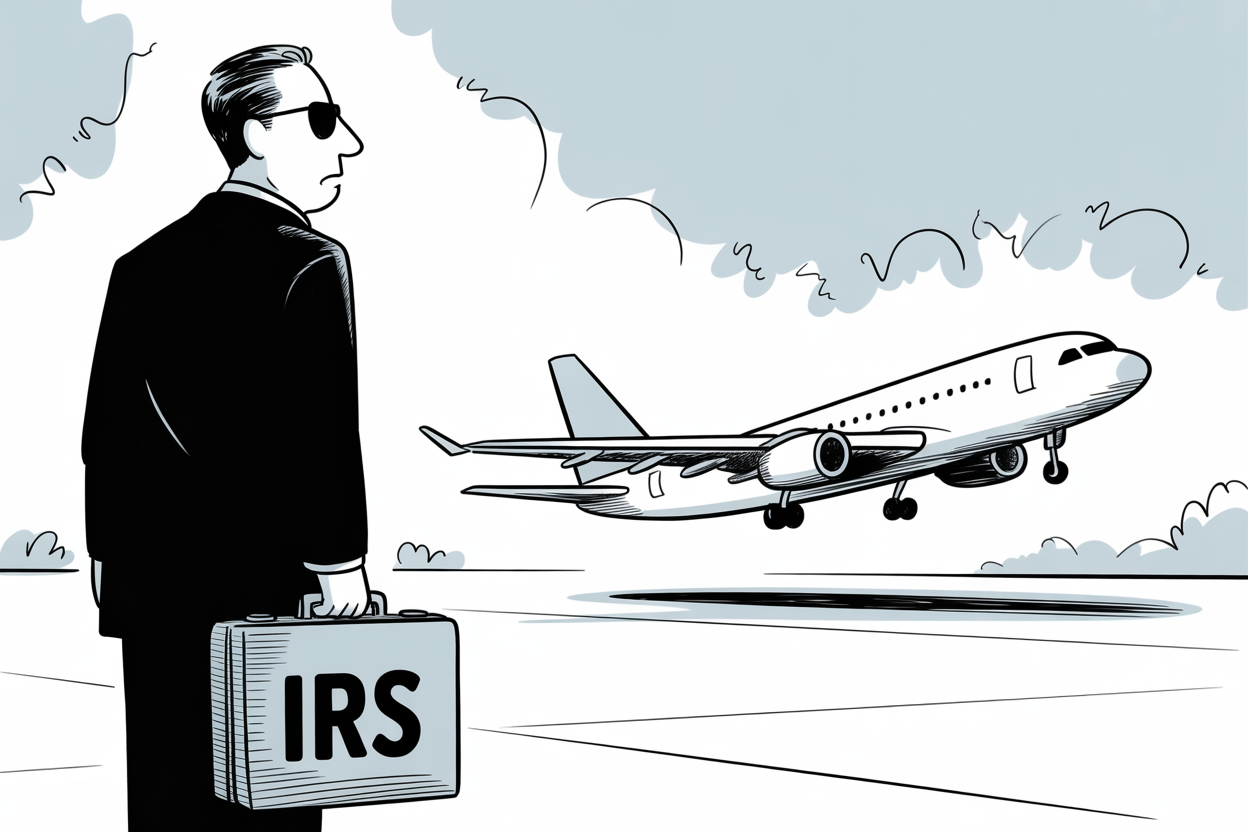
Editorial cartoon showing an IRS official in a dark suit holding a briefcase labeled "IRS" watching a commercial airplane taking off, depicting the tension between tax authorities and budget airlines seeking a tax holiday during the jet fuel crisis

Budget airlines want a tax holiday—but where’s yours?

The Association of Value Airlines, representing Spirit, Frontier, and Allegiant, is asking Congress to suspend the 7.5 percent federal excise tax on domestic tickets and the $5.30 per-segment fee, citing the jet fuel crisis following the Iran war. On a typical $369 roundtrip fare, passengers already pay roughly $47 in mandatory taxes and fees, inflating ticket prices by about 13 percent. Without a requirement to pass savings to consumers, any tax holiday would function as a corporate subsidy rather than traveler relief.