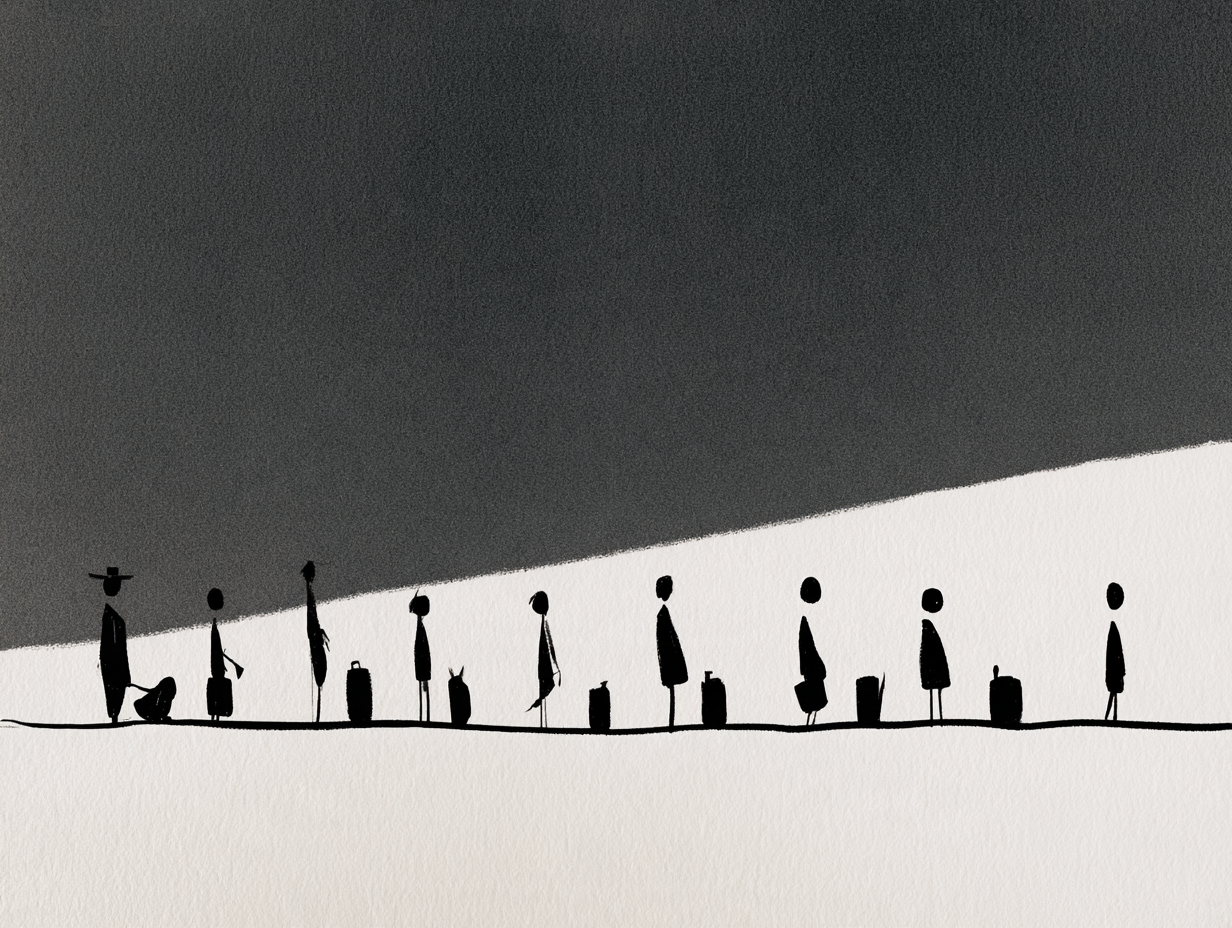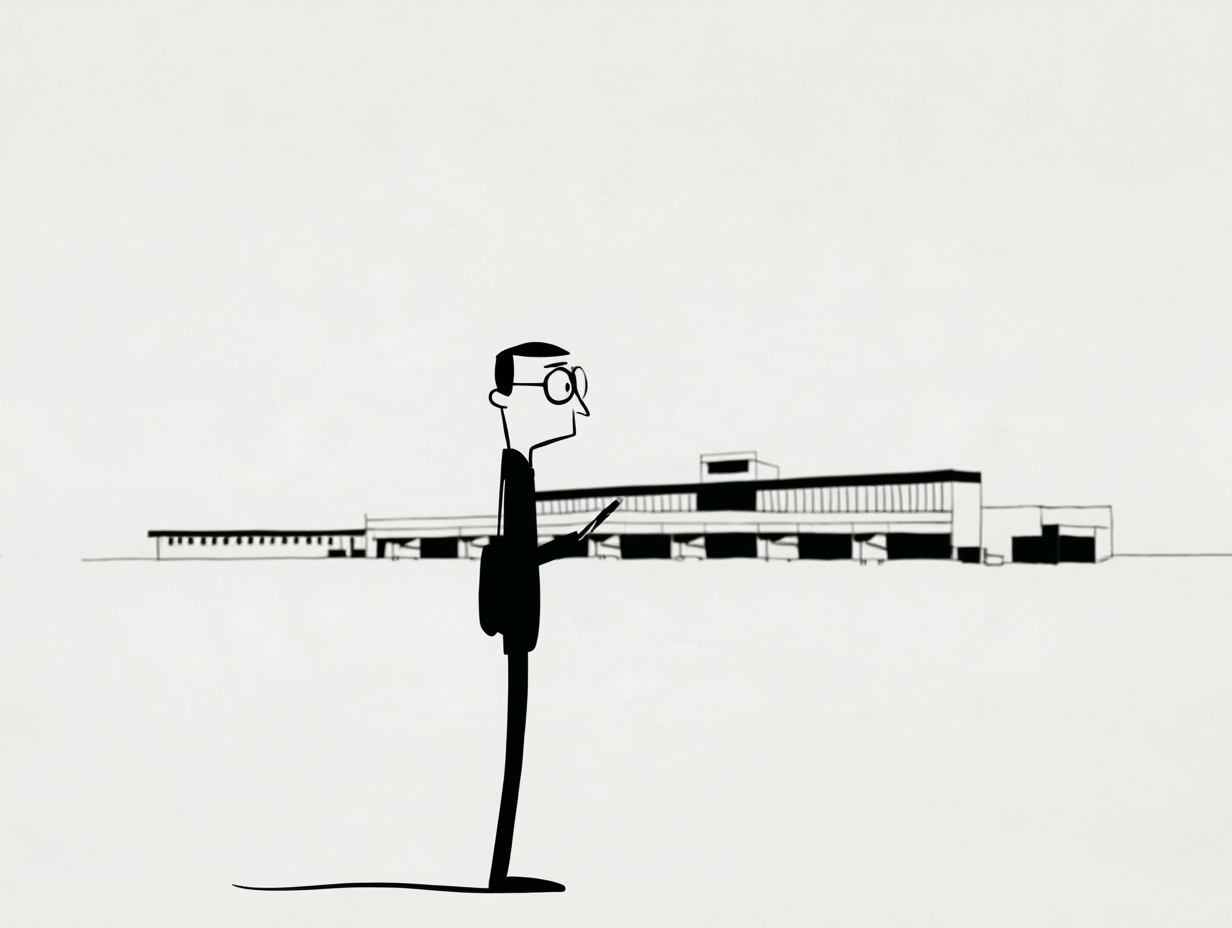
Minimalist black and white cartoon of a lone traveler with a rolling suitcase standing outside a nearly empty airport terminal, looking uncertain, evoking a trip thrown into limbo.

Let’s keep politics out of your summer vacation

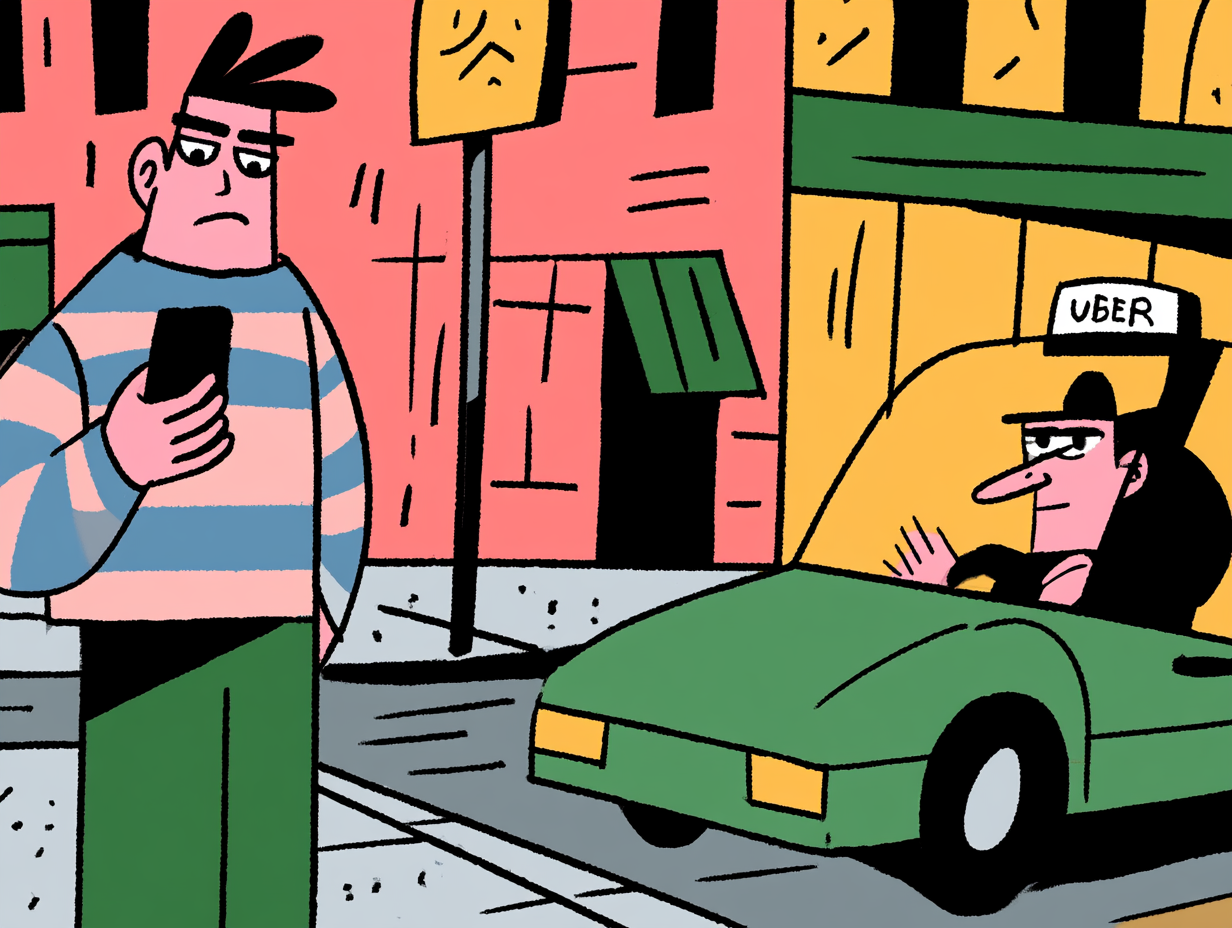
Steve Brody is flying out of Newark this week, and he is worried. There are plans afoot to pull the Customs and Border Protection officers out of airports in certain cities, with Newark Liberty International first in line. Brody, a retired government worker, is flying nonstop to Vancouver, but he has to pass back through US Customs on his return. “Gimme strength,” he says. He is not being dramatic. Customs officers are the people who let you back into the country, and pull them out and international flights cannot unload their passengers. That is the part that should bother everyone, left, right, and undecided. A passport does not have a party affiliation. When a flight gets canceled, the system does not check your voter registration before it strands you. You are stuck. Which is the real question worth sitting with before your next trip: whether the airport you are counting on this summer should ever be something an administration is allowed to switch off to win an argument that has nothing to do with you.

Fear of travel is at a high, but the data tells a different story. Here's why your summer vacation is still a safe bet, from peace rankings to airline risk.

No, your summer vacation isn’t going to kill you

Fear of travel is running high this summer. A reader named Cindy Smith nearly canceled a Danube river cruise and a week in Croatia after reading headlines about a cruise hantavirus outbreak and crew arrests. She is not alone. In a recent Global Rescue survey, less than 1 percent of respondents said their concerns about personal safety abroad had eased since last year, while 56 percent said they felt more concerned. Travelers cite three recurring fears: airlines collapsing mid-trip, dangerous conditions abroad, and anti-American sentiment. Yet the major U.S. carriers such as Delta, United, American, and Southwest remain profitable, and a conflict on one side of a continent does not make the other side unsafe.

Black and white editorial cartoon showing a worried woman with short hair pulling a small rolling suitcase down a pier with her mouth open in alarm, while four masked workers in white hazmat suits stand in front of a large white cruise ship's open dark hold preparing to board, illustrating the cruise industry's mounting safety crisis of viral outbreaks, deaths, and federal scandals during summer 2026

This isn’t the summer for a cruise

A hantavirus outbreak on the Dutch MV Hondius killed three people and infected at least eight more, caused by the Andes virus strain, the only hantavirus known to spread person to person. The Caribbean Princess arrived in Port Canaveral with 102 passengers and 13 crew members sick from norovirus, the fourth gastrointestinal outbreak on a cruise ship this year. U.S. Customs and Border Protection detained 28 crew members at the Port of San Diego, with 27 allegedly involved in child sexual abuse material. The CDC Vessel Sanitation Program lost its full-time civilian staff a year ago, and its chief retired during the hantavirus outbreak. Most cruise ships sail under flags of convenience like Bermuda, Panama, the Bahamas, and Liberia, escaping U.S. labor, safety, and consumer protection laws.

Editorial illustration showing a single white airplane taking off down a runway between two large fields of grounded yellow Spirit Airlines aircraft on either side, viewed from behind, illustrating how thousands of Spirit Airlines passengers were left stranded after the carrier's shutdown while one rescue flight departs without them

Spirit Airlines’ death shows why we need better passenger protections

Tens of thousands of Spirit Airlines passengers discovered their tickets were worthless this week after the carrier collapsed. JetBlue is reportedly in financial distress and several ultralow-cost carriers including Frontier, Allegiant, and Avelo have lined up at the federal aid window. Before deregulation in 1978, Rule 240 required airlines to put stranded passengers on a competitor’s next available flight at no extra cost. Congress brought a version back as Section 145 of the Aviation and Transportation Security Act after 9/11, but it expired in 2005. The DOT issued Order 2026-5-1 encouraging rescue fares but cannot compel airlines to honor competitor tickets without congressional action.

Editorial cartoon showing a man with glasses standing in front of a store shelf filled with bottles, looking up at a digital sign that displays "YOUR PRICE: $5.99" in red LED letters with a green arrow, illustrating how surveillance pricing creates personalized prices based on consumer data

Don’t ban surveillance pricing. Here’s how to fix it.

Surveillance pricing happens when companies use everything they know about you including location, browsing history, income, and device type to decide how much to charge you. The Federal Trade Commission documented eight major companies actively using or piloting surveillance pricing powered by third-party data brokers. Maryland is weighing a first-of-its-kind ban on the practice for groceries while JetBlue faces a federal lawsuit alleging it uses passenger data to raise fares. Disclosure requirements similar to the Equal Credit Opportunity Act would force companies to explain exactly what data they used to set custom prices.

Editorial cartoon showing a smiling passenger with glasses holding a rolling suitcase at an airline check-in counter, where the agent's computer screen displays the word "FREE," illustrating the proposal to make checked bags free as a condition of any Spirit Airlines government bailout

If Spirit Airlines gets a government bailout, bags should fly free

Spirit Airlines has reportedly asked the Trump Administration for $360 million in emergency funding as jet fuel prices doubled following the Iran conflict. After 9/11, Congress provided $5 billion in grants and $10 billion in loan guarantees to airlines. The COVID-19 Payroll Support Program delivered over $50 billion with conditions including killed change fees, capped executive pay, and restricted buybacks. Any new bailout should require Spirit to include one free checked bag in every fare for a minimum of five years, making taxpayer support deliver tangible passenger benefits.

Cartoon of a shepherd watching sheep branded with airline logos (Delta, American, JetBlue, Southwest) jump off a cliff, illustrating airlines following each other on fuel surcharges

Your airline is lying to you about fuel surcharges

Airlines sure have a funny way of saying thank you. 

After you spend years obsessively funneling every purchase through their co-branded credit cards and sitting in its cramped economy class seats, you finally go to redeem your “free” flight—only to find a $1,400 bill waiting for you at checkout.