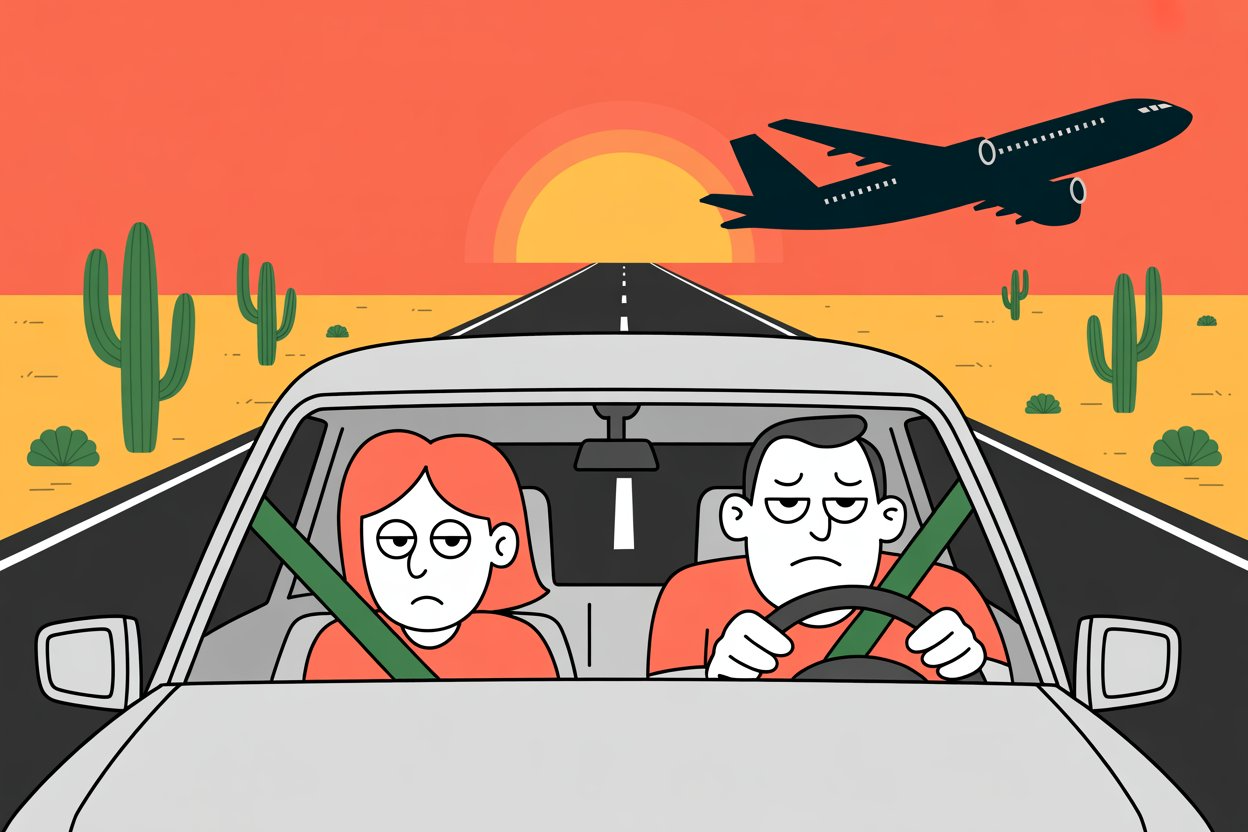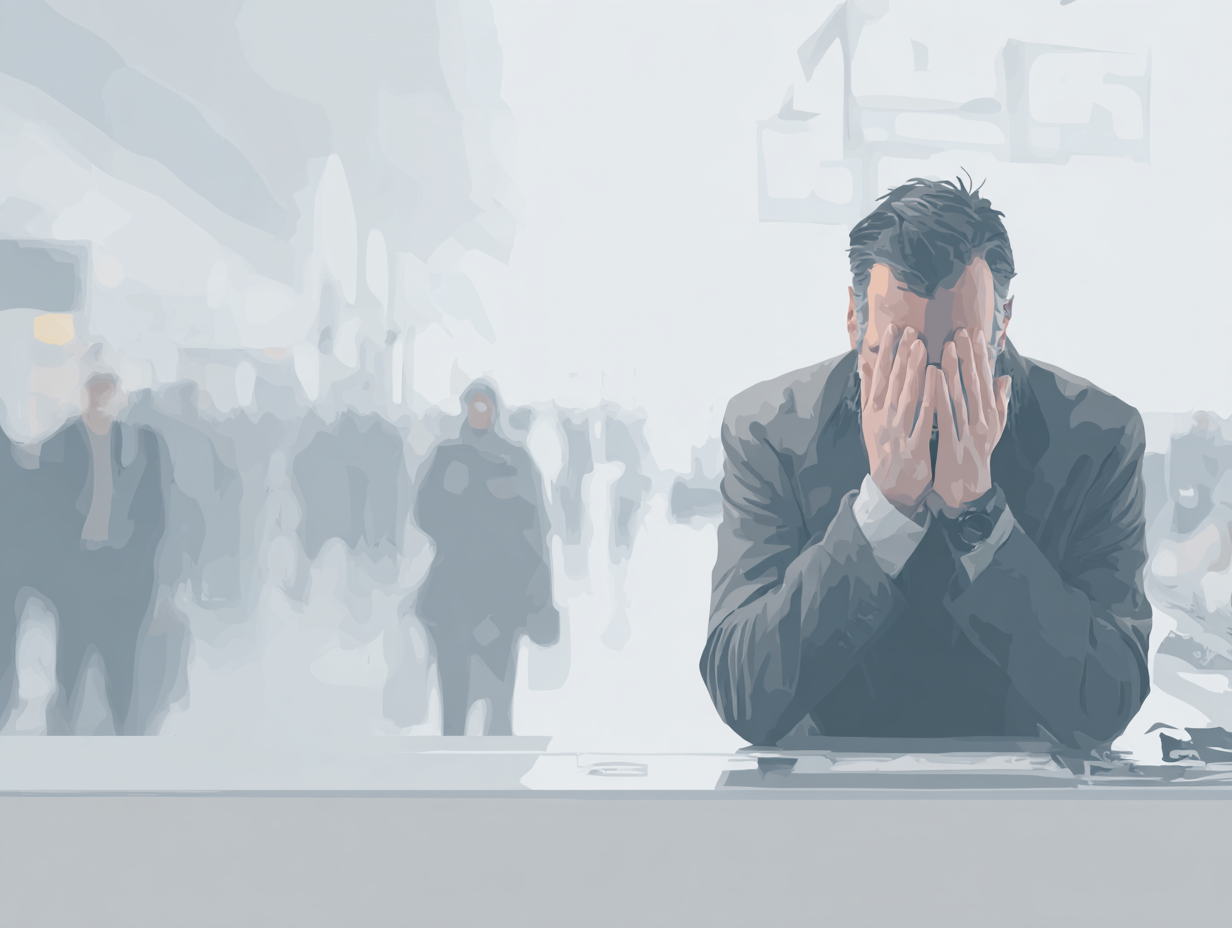
Cartoon of a panicked business traveler in a suit sprinting through an airport terminal dragging a rolling suitcase, with large RED ZONE signs overhead and a tense crowd waiting behind him.

The red zone: Why this part of air travel makes even the pros lose it

The red zone is that anxious stretch from your front door to your airplane seat, where normal people turn into nervous wrecks. It is a blur of high-stakes, time-sensitive decisions that overloads your brain, and it is stressful enough that most couples in one recent survey called travel the ultimate relationship test. It has even given rise to the airport divorce, where partners deliberately separate after security just to avoid an argument. We have all seen it: the passenger shouting at a gate agent over a delay, the family sprinting through the terminal with shoes half on, the quiet sob at the gate when a flight is canceled. With air travel booming this summer, the red zone is only getting more intense. There is real science behind why a security line can hijack your nervous system, and the surprising part is that even the most seasoned travelers, the ones with passports full of stamps, are not immune to it.

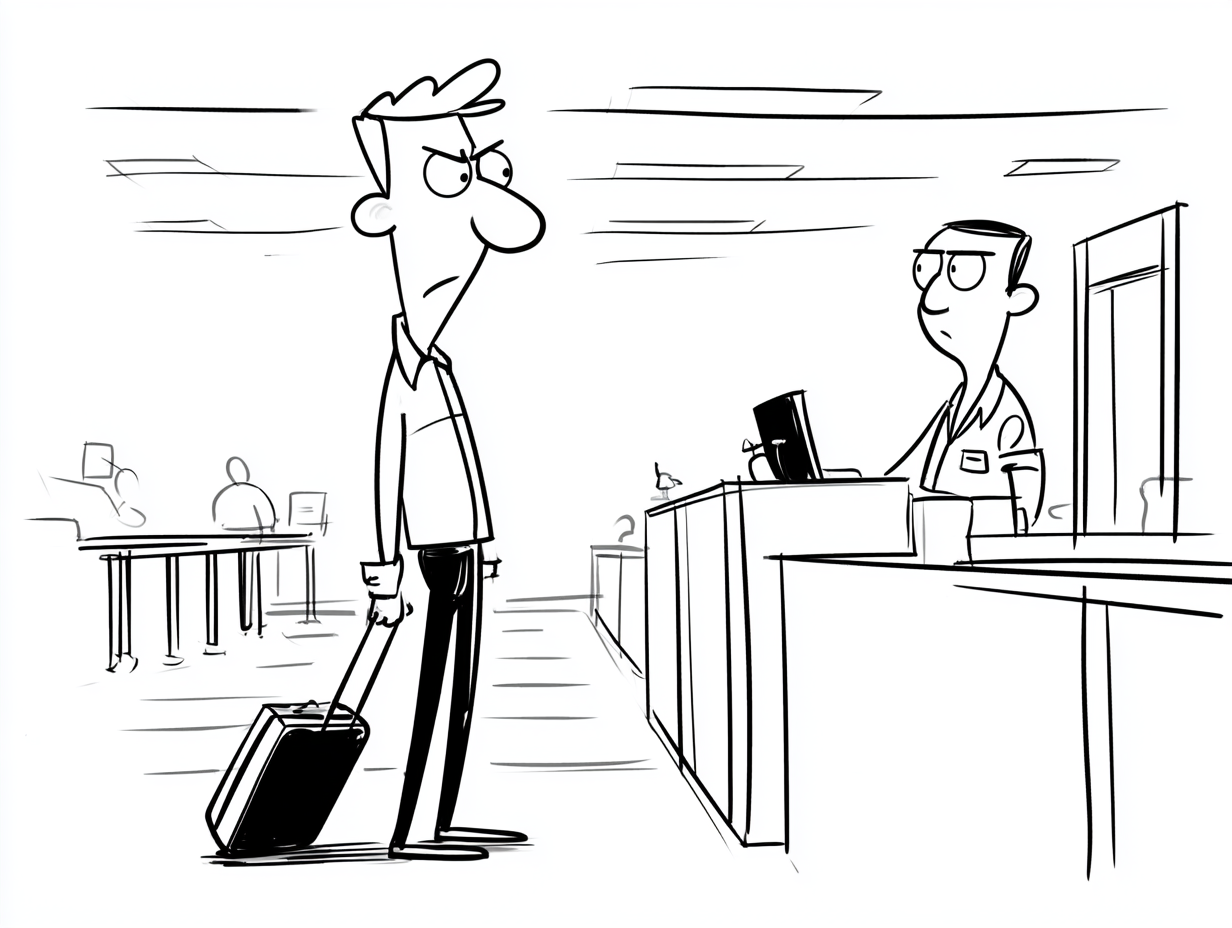
Minimalist black and white cartoon of a lone traveler with a rolling suitcase standing outside a nearly empty airport terminal, looking uncertain, evoking a trip thrown into limbo.

Let’s keep politics out of your summer vacation

Steve Brody is flying out of Newark this week, and he is worried. There are plans afoot to pull the Customs and Border Protection officers out of airports in certain cities, with Newark Liberty International first in line. Brody, a retired government worker, is flying nonstop to Vancouver, but he has to pass back through US Customs on his return. “Gimme strength,” he says. He is not being dramatic. Customs officers are the people who let you back into the country, and pull them out and international flights cannot unload their passengers. That is the part that should bother everyone, left, right, and undecided. A passport does not have a party affiliation. When a flight gets canceled, the system does not check your voter registration before it strands you. You are stuck. Which is the real question worth sitting with before your next trip: whether the airport you are counting on this summer should ever be something an administration is allowed to switch off to win an argument that has nothing to do with you.

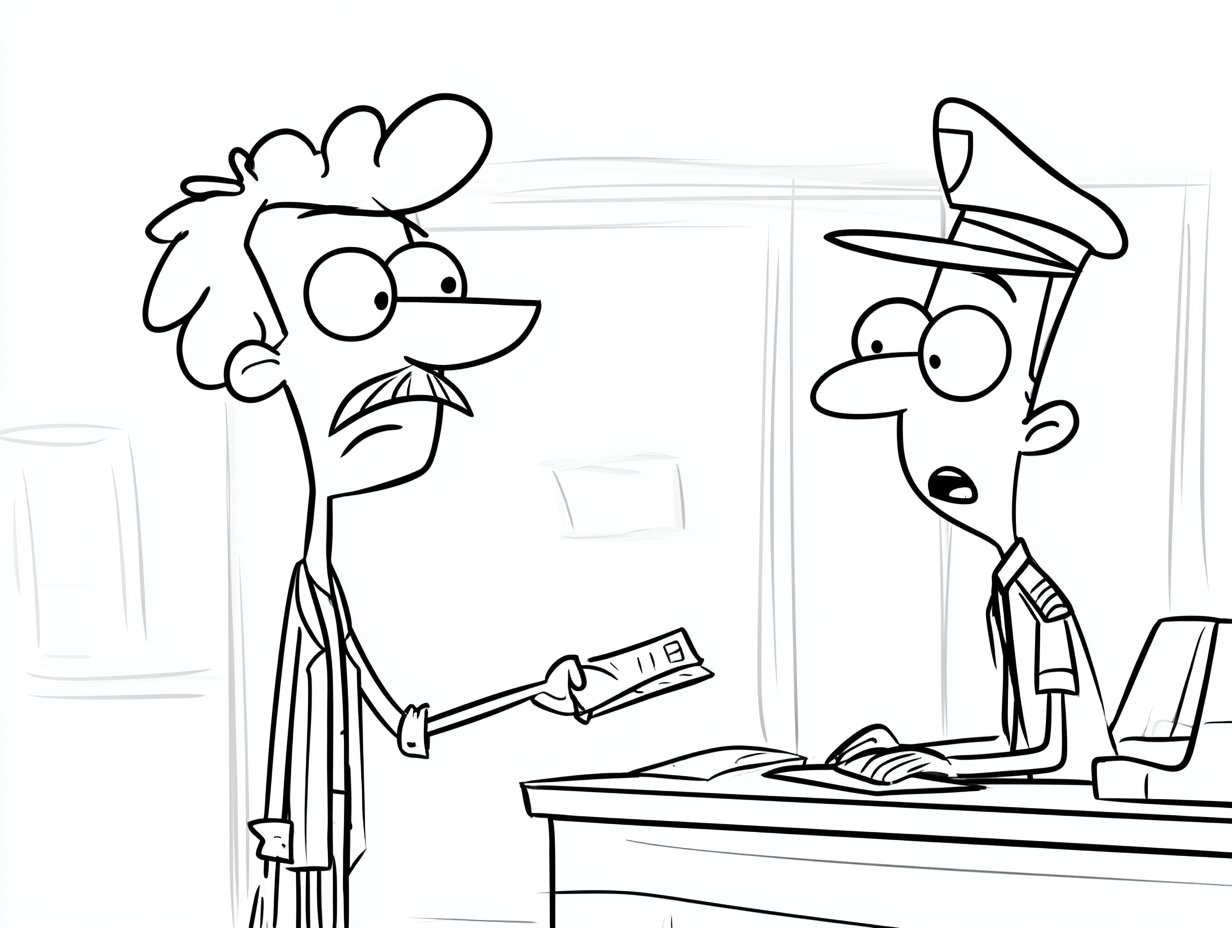
Black and white cartoon of a woman with wild, disheveled hair glaring angrily near an airport check-in counter as a wary uniformed agent watches her from behind the desk. airline blacklist

Is it time for an international blacklist of problem passengers?

If an airline bans you for screaming at a flight attendant or trying to open a door at altitude, you can usually walk to a competitor’s counter and buy a ticket. Britain wants to put an end to that, and its actions may ripple across the Atlantic. The Department for Transport and the Home Office are reportedly working on a national system that would let UK airlines share details of serious offenders, so a person barred by one carrier could be flagged at check-in by another. A trade group has welcomed it, and a budget carrier has been lobbying for exactly this kind of database. On its face it sounds like common sense: keep the dangerous few off everyone’s planes. But a shared ban list raises harder questions than the headlines admit, starting with the ones that decide whether it protects passengers or quietly turns into something else: who decides who belongs on it, what counts as unruly, and if an airline flags you and you think it is wrong, who exactly do you appeal to?

Two repurposed concrete grain silos in Copenhagen converted into modern office space, an example of the city's adaptive reuse of old industrial buildings.

Sustainability you can feel: Copenhagen’s Nordic take on green tourism

If you want to understand why Copenhagen is so often called one of the most sustainable cities in the world, you have to look past the slogans and into the showers, the warehouses, and the old shipyards. At one hotel, every room has a futuristic shower built on water-recycling technology first developed for a Mars mission, regulated by a Nest-like dial at waist level. Across town, a small urban warehouse grows tens of thousands of kilos of gourmet mushrooms on a fraction of the water that traditional farming demands, feeding some of the city’s best restaurants. In a former port district, architects are deliberately shrinking apartments and reusing ammunition stores and grain silos rather than tearing them down. Each project sounds like a novelty on its own. But together they hint at a single Nordic idea about how a city, and the people who visit it, might choose to live with less.

Illustration of an unhappy woman holding up two pale blue dresses on hangers over an open cardboard shipping box, preparing to return the gowns she ordered online.

I returned $3,990 in designer dresses — then my refund vanished

Debbie Rivet ordered the same evening gown from the London designer Safiyaa in two sizes, the Serendipity Pale Blue Long Dress at $1,995 each, planning to keep whichever fit and send back the other. When the dresses arrived, the fitted style was wrong for her occasion, so she requested a return authorization, shipped both back by FedEx, and kept the receipts proving delivery. Then she waited for her refund. And waited. Her follow-up emails went unanswered, the phone line dropped to voicemail and disconnected, and when she filed a dispute with Capital One the bank reversed its initial credit, saying too much time had passed. There is a rule worth committing to memory before you give a silent company the benefit of the doubt: under the Fair Credit Billing Act, you generally have only 60 days from the statement date to dispute a charge in writing, and the longer you wait for a reply that may never come, the closer that protection slips toward expiring.

Illustration of a worried couple beside a yellow rental car with its hood up on a snowy Alpine road, the man on his phone for roadside help as a man in lederhosen inspects the dead engine.

Help! Alamo charged me $1,000 after my car battery died in the Swiss Alps

Kjell-Erik Berggren rented a car from Alamo at Geneva Airport for a six-day trip through Switzerland, and it worked perfectly until the last morning. Staying in a mountain village at 1,500 meters, he and his group woke to a cold, frosty morning and a car that was completely dead: no lights, no starter, nothing. Roadside assistance told them to leave the vehicle and find another way to the airport, which they did at considerable expense. Then, two months later, Alamo charged more than $1,000 to his credit card with no prior agreement or warning, on two invoices showing different totals that did not even match what was charged. The company pointed to a roadside protection product he had declined and an insurance deductible he had chosen. But there is a principle worth knowing before you accept a charge like this: rental companies are typically responsible for mechanical and electrical breakdowns that are not caused by customer negligence or misuse, and a battery that dies on a cold morning after five days of normal use points to a defect in the vehicle, not a mistake by the driver.

Stylized illustration of a distressed traveler clutching his chest in front of a palm-lined hospital as medical staff wheel a patient on a gurney toward the entrance, evoking a vacation cut short by a family emergency.

The hotel refunded his money, but the booking site kept it anyway

When John Moss’s stepfather was rushed to the hospital, he knew his Florida vacation was over before it started. He contacted Traveluro, the site where he had booked a nonrefundable $615 stay at the Hilton Melbourne Beach, and sent hospital records proving the family emergency. The hotel understood and agreed to cancel without penalty, releasing the money back to the booking site. All Traveluro had to do was pass it along. Instead, weeks of silence followed, until Moss filed a dispute with his credit card company and Traveluro suddenly made him an offer: drop the dispute, and we will send your refund. Here is what every cardholder should understand before saying yes. A credit card dispute freezes the transaction while your issuer investigates, which means the merchant cannot touch the money until the matter is resolved. That is real, tangible leverage, and a company asking you to give it up in exchange for a promise is asking you to trade the one protection the law puts on your side.

Cartoon of smiling sardines packed upright into narrow airplane seats in a tightly spaced cabin, illustrating how shrinking economy legroom crams travelers in like sardines.

Premium creep: How the travel industry downgraded you for profit 

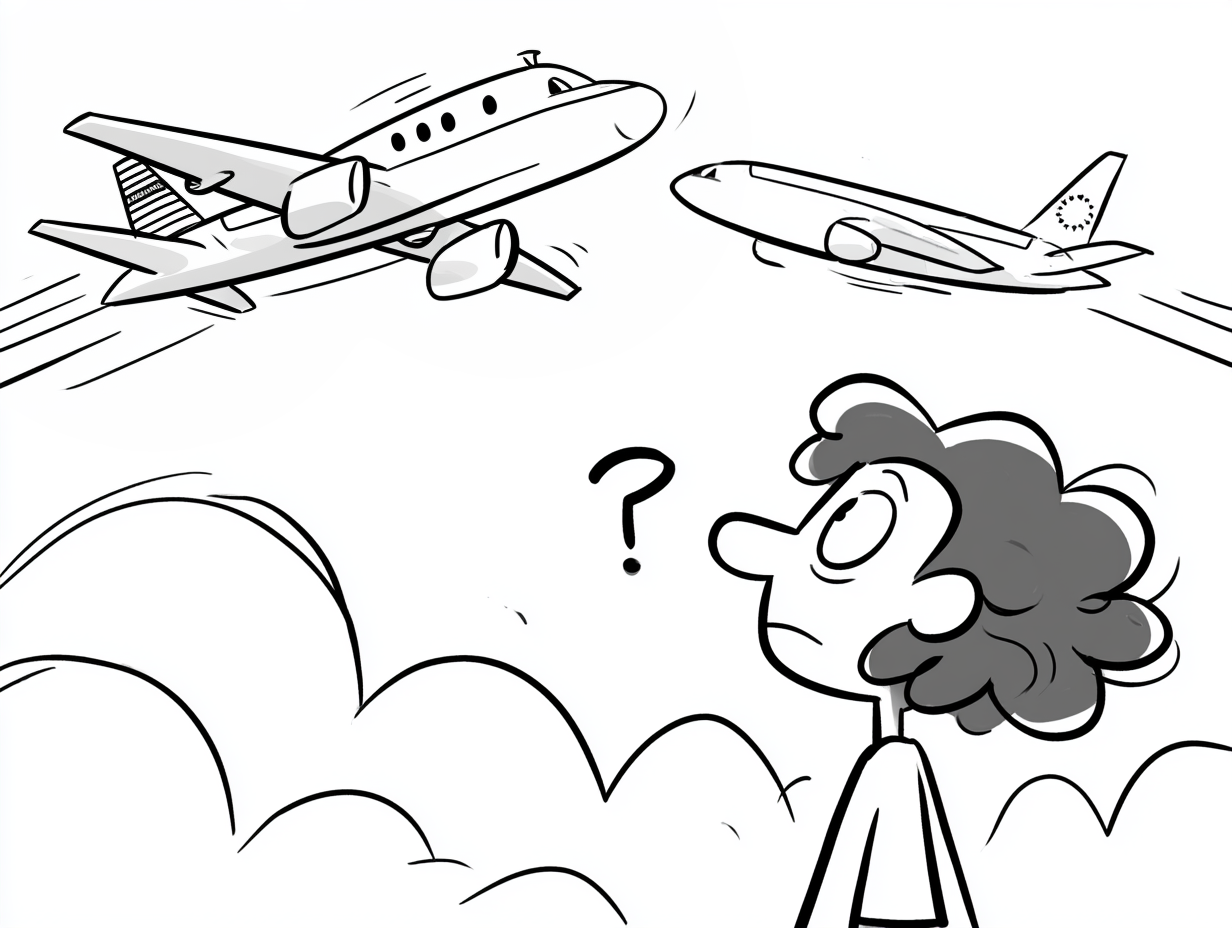
Remember when you could check a bag, choose your seat, and stretch your legs on a flight without paying extra? It is not an urban legend. You used to be able to do all three at no additional charge. A 34-inch seat pitch was once standard in economy class. Today the industry calls that same space premium economy and charges you more for it, while the 30-inch squeeze becomes the new normal. Call it premium creep, the quiet industry-wide pattern where yesterday’s basics quietly become today’s luxuries, wrapped in marketing language about choice and flexibility. And it is not just airlines: hotels, cruise lines, and even car rental companies have all found ways to strip out what used to be included and sell it back to you. Which raises the question worth sitting with the next time you compare two fares: are you buying an upgrade, or just paying to undo a downgrade the company handed you in the first place?

Black and white editorial cartoon of an alarmed man at a desktop computer as a hand reaches out of the monitor screen and snatches cash from in front of him, illustrating online booking scams that drain travelers' money.

Are travel companies doing enough to protect your booking data?

The message arrives by WhatsApp and feels completely real, because it is built from real information: your hotel, your dates, your confirmation number. Someone claiming to manage the property warns that your room is at risk unless you verify your card right away. Security researchers call this reservation hijacking, a targeted phishing scheme that leans on details only you and your hotel should know. The data has to come from somewhere, and the travel industry keeps springing leaks, with booking platforms, cruise lines, and airlines all disclosing breaches that mostly trace back to a third party rather than the company’s own front door. Which raises the question travelers can no longer avoid: when a company collects your whole itinerary and a leak in its network turns that data into a weapon aimed at you, who is responsible for what happens next?

Cartoon illustration of a worried traveler holding a soaked passport beside a washing machine after it accidentally went through the laundry.

It’s time to kill the passport

A U.S. passport went through the wash during a week in Singapore, half a cycle on heavy duty before its owner remembered it was in a back pocket. State Department guidance is clear that significant damage, including water exposure, voids a passport, which means applying in person at a U.S. embassy, paying a $130 fee, and racing to get a replacement before an upcoming border crossing into Malaysia. The mishap raises a larger question: why do travelers still depend on a fragile paper booklet at all? Hundreds of thousands of U.S. passports are reported lost or stolen each year, and modern borders already scan faces, fingerprints, and travel history in milliseconds. More than 150 countries now issue electronic passports with embedded chips, yet those documents remain physical objects vulnerable to washing machines and pickpockets. A few countries have started clearing travelers with facial and biometric checks alone, suggesting the chip, not the booklet, has become the real document. The question is what it would take for the United States to follow.