
in this case
- David Cerullo bought a $273 DVD/VCR combo from Amazon that stopped loading DVDs after a few weeks. Amazon confirmed receipt of the return but then froze his refund.
- Amazon’s automated system flagged his account for “abnormal activity” and required identity verification despite this being his only purchase on Amazon in five years.
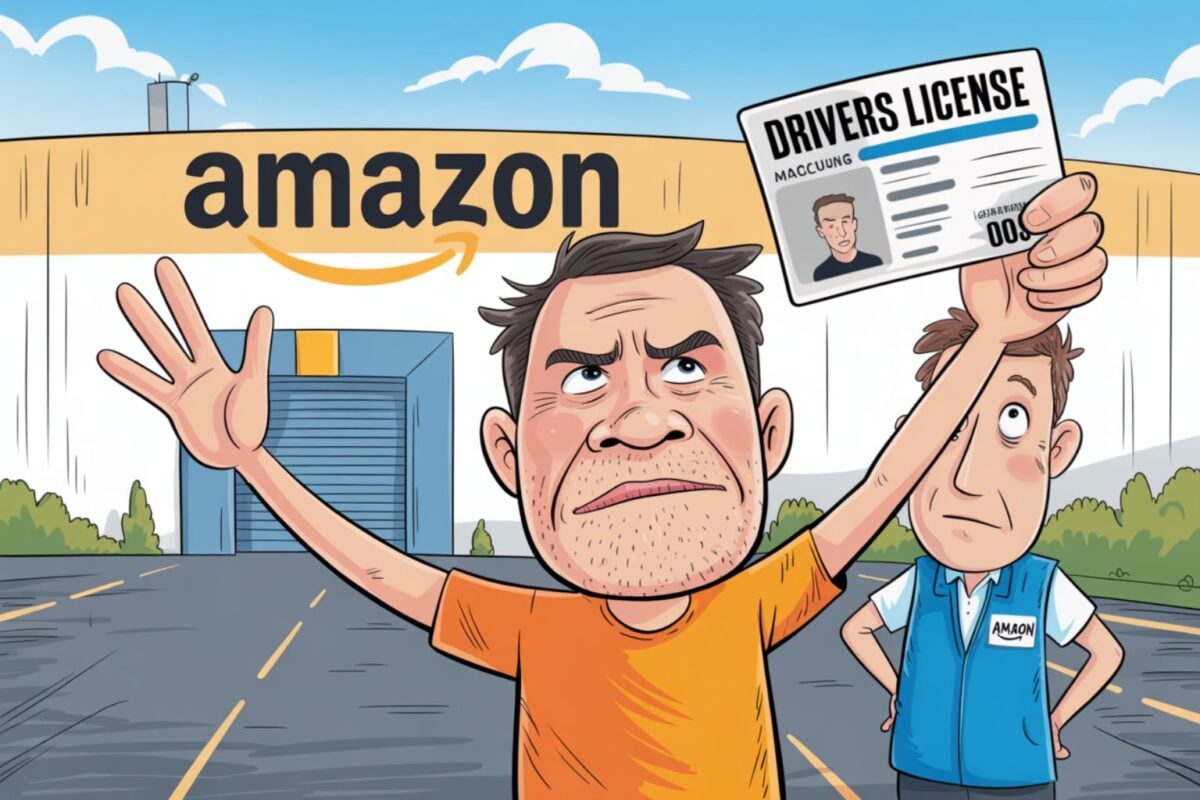
- The verification system kept rejecting his valid Colorado driver license, claiming it was “not from the United States.” Five uploads failed and reps just told him to wait three days and try again.
When David Cerullo returns a defective DVD/VCR combo to Amazon, he expects a quick refund. Instead, the company asks him to prove his identity — and keeps rejecting his valid Colorado driver license. Now, he just wants to know why Amazon is making it so difficult to get his money back.
Question
I bought a DVD/VCR combo from Amazon for $273. After using it for a few weeks, it stopped loading DVDs, so I returned it. Amazon confirmed it received the item a few days later.
Then I saw a message on my account saying, “Your refund couldn’t be processed.” When I called, a representative told me I had to verify my identity before they could issue a refund. Amazon sent me a link to upload my driver’s license, which I did. But the system kept rejecting it, saying my Colorado driver license wasn’t from the United States.
I must have done this five times. Each time I called, a representative told me to wait three days and try again. But nothing worked.
I’ve had this account for years and never had a problem before. I don’t understand why I suddenly need to prove who I am to get my refund. Can you help me find out why Amazon made this so hard — and get my money back? — David Cerullo, Denver
Let’s look at the facts from the Amazon perspective. You have an inactive account not used for 5 years, buy a consumer electronic item with a gift card and then return it. Giant red flags of multiple frauds.
The license picture is not unique to Amazon, I’ve seen people complaining the airline sites will not accept a picture of an ID. I had that problem with Delta and my passport. Tried multiple times with the computer camera, then my cell (an old S8) without success, then finally got it done with using my wife’s new S25. My guess is the system is looking for antifraud watermarks that are not visible to the eye.
Read more insightful reader feedback. See all comments.
Answer
Looks like you ran into one of Amazon’s automated security checks. The company flagged your account for “abnormal activity” — in this case, repeated returns and mismatched information — and required identity verification before issuing a refund.
Amazon’s verification system is far from perfect. It can reject perfectly valid documents. That’s why your Colorado driver license was repeatedly flagged as “not from the United States,” and why you got stuck in a frustrating loop. Every time you uploaded your ID, a representative told you to wait three days and try again, with no clear way to reach a human who could fix the issue.
You asked Amazon repeatedly what had gone wrong. One representative said there was “possible” fraud on your account. Another claimed you had “suspicious activity.” Interestingly, this was your only purchase on Amazon in the last five years. (Related: Help! My two-factor authentication on Amazon stopped working after I got a new phone.)
What can you do in a situation like this? First, save a complete paper trail — screenshots, emails, chat transcripts. That documentation will be critical if you need to escalate your request.
If you’re going in circles, escalate to Amazon’s executive contacts (I list them on my advocacy site, Elliott.org). Persistence and thorough documentation are your best tools for breaking free from an automated system that’s failing you.
Colorado law also protects you in situations like this. Under the Colorado Consumer Protection Act, you have the right to a refund for defective merchandise. Retailers can’t create unreasonable barriers to returning faulty products, and you can file a complaint with the Attorney General if a company acts in bad faith.
I contacted Amazon on your behalf. Because you used an Amazon store card, it required additional identity verification, which included mailing a code and a follow-up call. Two months after returning the defective DVD/VCR, you finally received your money.
Your voice matters
Amazon’s automated fraud system rejected a valid U.S. driver license as foreign and held a refund hostage for two months. The customer had no path to a human reviewer, and reps could only suggest waiting three days and trying again.
- Should retailers be legally required to provide a guaranteed escalation path to a human reviewer when automated identity verification fails three times?
- Should marketplace platforms be banned from withholding refunds for defective products based on internal fraud algorithms without any independent appeal process?
- Should companies face automatic refund obligations within 30 days of returning defective merchandise regardless of any internal account verification issues?
What you need to know about Amazon ID verification refund delays
Quick answers to the most common questions about why Amazon asks for identity verification before refunds, what to do when the system rejects valid documents, and your rights under state consumer protection laws.
Amazon uses automated security systems to flag accounts for “abnormal activity” including repeated returns, mismatched information, or unusual purchasing patterns. When the system triggers, Amazon requires identity verification before issuing a refund. The system can flag accounts that appear suspicious to its algorithms even when the customer has done nothing wrong, like a single purchase after five years of inactivity.
Amazon’s automated verification system can reject valid documents with errors like calling a state-issued license “not from the United States.” Save screenshots of every rejection. Try uploading alternative valid IDs like a passport or state ID card. If the loop continues after three attempts, escalate to executive customer service. See Elliott Advocacy’s guide to how consumer complaints work.
Elliott Advocacy publishes a directory of Amazon executive contacts including names, phone numbers, and email addresses on the Amazon company contacts page. Use these contacts only after standard customer service has failed to resolve the issue. Send a polite but firm letter with full documentation including order details, ID rejection screenshots, and timeline of failed verification attempts.
Under the Colorado Consumer Protection Act, consumers have the right to a refund for defective merchandise. Retailers cannot create unreasonable barriers to returning faulty products. If a company acts in bad faith by repeatedly rejecting valid documentation, consumers can file a complaint with the Colorado Attorney General. Most other states have similar consumer protection statutes that prohibit deceptive practices and unreasonable refund barriers.
Visit your state attorney general’s consumer protection website and file a formal complaint. Include your timeline of refund attempts, screenshots of automated rejections, and documentation that the product was defective. State attorneys general have authority to investigate companies creating unreasonable barriers to refunds. Companies typically respond faster to attorney general complaints than to standard customer service requests.
Amazon store cards add a layer of credit verification because the purchase is financed through Synchrony Bank rather than processed as a direct debit or credit card payment. When refunds involve store card transactions, Amazon requires additional identity verification that can include mailing a verification code to your address and a follow-up call. This process can delay refunds by several weeks.
If you paid with a credit card, you can file a chargeback under the Fair Credit Billing Act for services not as advertised or defective products. Notify your card issuer within 60 days of the first statement showing the charge. Provide documentation including the defective product evidence, return confirmation, and Amazon’s refund refusal. See Elliott Advocacy’s complete guide to chargebacks and winning credit card disputes.
Why does Amazon ask for ID verification before issuing a refund?
What can you do when Amazon rejects your valid driver license?
How do you contact Amazon executive customer service?
What does the Colorado Consumer Protection Act say about refunds?
How do you file a complaint with your state attorney general?
Why does paying with an Amazon store card require additional verification?
How can you file a chargeback for an Amazon purchase?

Have a question about this story? Tell us what happened — we read every comment.
Join the conversation