in this case
- An Amazon customer is locked out of his account after changing phone numbers, leaving two-factor authentication tied to an old device.
- After weeks of calls, repeated identity verification, and executive emails, Amazon’s support systems still fail to restore access.
- See how persistence and executive escalation finally resolve a security breakdown that prevented access to essential services.
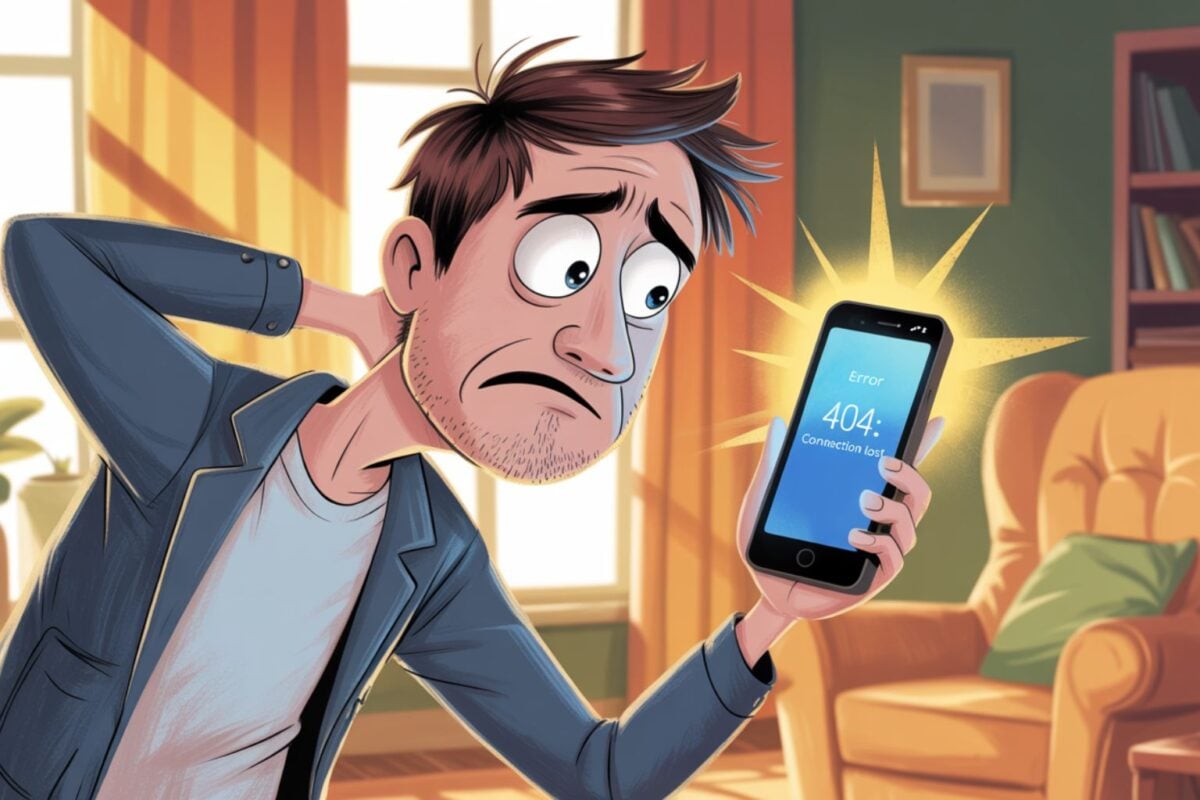
Bruce Gerencser can’t access his Amazon account after changing his phone number, leaving two-factor authentication tied to his old number. Despite making calls for six weeks, submitting his ID three times, and sending emails to executives, he hits a wall with Amazon’s customer service.
Question
I’ve been an Amazon customer for 20 years, but after changing my phone number, I’m locked out of my account because two-factor authentication (2FA) still uses my old number.
I’ve called Amazon six times, sent photos of my driver’s license three times, and even emailed executives using your contacts — but no one has fixed it.
Amazon updated the phone number on my account, but 2FA remains broken. One agent claimed my account was “terminated,” which isn’t true. For weeks, I couldn’t order essentials or manage my Echo devices. How can a company this large fail to sync a simple phone number? What else can I do? — Bruce Gerencser, Ney, Ohio
Your voice matters
Bruce Gerencser says he lost access to his Amazon account after changing phone numbers, leaving two-factor authentication tied to his old device. Despite weeks of calls, identity verification, and executive emails, the issue went unresolved until outside escalation. We want to hear your perspective.
- Should companies disable two-factor authentication when a customer proves their identity through official documents?
- Is it acceptable for automated security systems to block account access for weeks without human intervention?
- What responsibility do companies have to ensure account recovery works when customers change phone numbers?
Answer
Amazon should have either ensured your two-factor authentication settings were updated when your phone number changed or provided clear steps to resolve it. The company’s own security protocols require accurate contact information, and its support team should have escalated this promptly.
You did everything right: You contacted customer service, submitted documentation, and reached out to executives using the Amazon executive contacts on my consumer advocacy site, Elliott.org. I publish the contact information precisely for this purpose. I want to give a company like Amazon every chance to resolve a problem before it turns into a story.
According to Amazon, switching phone numbers is a simple process. To change the phone number on your 2FA Amazon account, navigate to your account settings, locate the “2-Step Verification” settings, and follow the prompts to add a new phone number and verify it.
2FA is great… until it isn’t. Many companies implement it poorly and then fail to offer any workable fallback when something goes wrong.
I ran into this with Facebook. An old phone number was stuck as the default for every verification attempt, with no option for email or an authenticator app. The system kept sending codes to a number I no longer had.
What finally worked was creating a Meta account, updating my number there, and linking it back to Facebook. That solution came from online searching, not customer support.
Businesses have effectively turned your phone into a master key. When that key breaks, everything locks at once. Always save backup codes, use an authenticator app, and back it up before switching phones, or you may lose access entirely.
Read more thoughtful reader insights. See all comments.
But I know from personal experience that it doesn’t always work that way. Sometimes, on new numbers, you may experience problems with receiving a verification message. (Some businesses, notably banks, keep a blacklist of numbers that they won’t send to, such as VOIP numbers.)
Persistence matters. Always keep a paper trail, as you did, and escalate early to executives when frontline agents can’t help. As I review your case, it seems you were dealing with both human and automated agents — AI bots that have not fully understood your problem. That is happening with greater frequency, and it’s keeping my advocacy team and me busy.
I contacted Amazon on your behalf. While the company didn’t comment, its executive team swiftly resolved the issue. A specialist removed 2FA, restored your access, and added a $25 goodwill credit.
Locked out by Amazon 2FA?
What to do when your phone number changes and access disappears
Before you change phone numbers
If you are already locked out
When support stops helping
What usually works
Executive Contacts
If Amazon customer service can’t resolve an account or security issue, escalating to company leadership can sometimes help move a stalled case forward.

What you’re saying
Readers say two-factor authentication works only when recovery paths exist. Without a clear human fallback, security tools meant to protect accounts quickly become digital deadlocks.
-
Security without recovery is a lockout
Commenters argue that two-factor authentication fails its purpose when users lose access to a phone number and are left with no viable way to prove who they are. As Miles Will Save Us All notes, overly sensitive fraud systems can flag legitimate users with no meaningful escalation path.
-
SMS-based 2FA is widely distrusted
Readers including Dangerous Ideas warn against SMS verification altogether, citing SIM swapping risks and outdated numbers. Authenticator apps with backups are seen as safer, but only when users are informed and supported.
-
Backup codes are the last lifeline
Several commenters urge users to print and store backup codes offline. 737MAXPilot and Jennifer both stress that once a phone and account are inaccessible, even valid identification may not be enough to break an automated loop.




Have a question about this story? Tell us what happened — we read every comment.
Join the conversation