
If you’re booking a summer vacation in 2026, the summer airfare on your screen today may not be the price you pay next week.
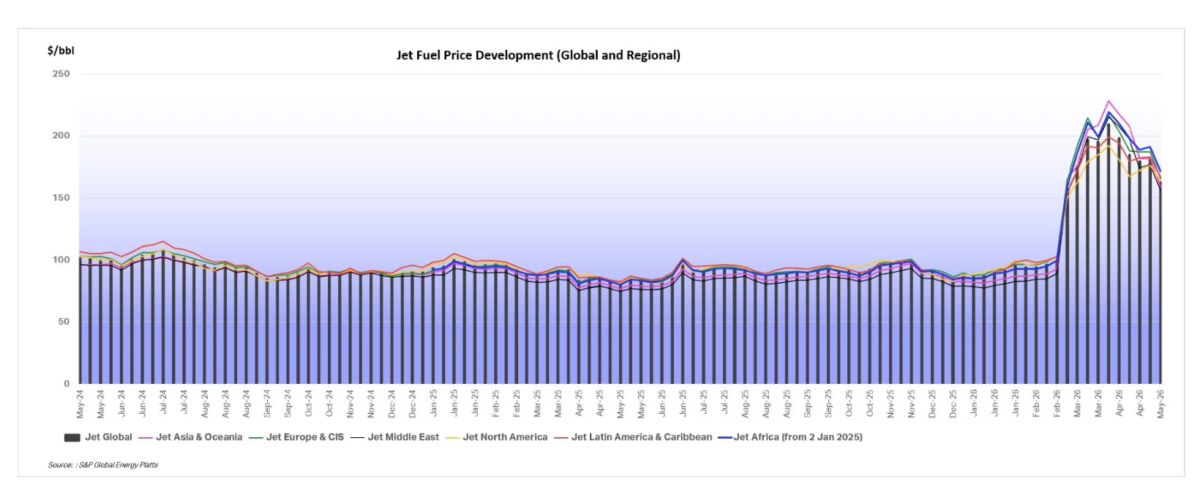
U.S. jet fuel prices have climbed 82 percent since the Iran war began in late February, hitting $4.56 a gallon this week.
Willie Walsh, the director general of the International Air Transport Association, told reporters in Paris this week that ticket price increases are “inevitable.”
“There’s no way our industry can absorb the increase in the oil price,” he added.
Translation: passengers will.
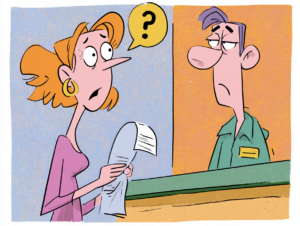
If you’re planning a summer flight, you could be walking into a trap. The reason starts thousands of miles from any airport, in the Strait of Hormuz, where Iran and the U.S. are engaged in a military standoff. Airlines are using the conflict as an excuse to take certain liberties with your schedule and the price you pay for your ticket.
The question is, are these valid reasons? (Scroll down to the poll to weigh in.)
Maybe the airline CEOs should take a cut in pay. Airlines appeared to use any excuse to increase fares.
Read more insightful reader feedback. See all comments.
Why flying will cost more during the summer of 2026
Jet fuel hit $216 a barrel on March 19, up from $88 before the conflict, with refined fuel rising faster than crude because the strikes disrupted Middle East refining capacity. The aviation analytics firm Cirium reports that airlines have canceled about 13,000 May flights, removing nearly 2 million seats from global schedules.
The damage shows up on your ticket. The average round-trip domestic flight in the United States hit $361 in late April, up 8 percent since the war started and 19 percent from a year earlier. International round-trips averaged $1,097, a 42 percent jump in two months. (Related: You can’t hack airfares, but airlines are hacking you.)
Schedules and services are changing, too, as a result of the conflict. United Airlines has cut its planned schedule by about 5 percent. Delta, facing $2 billion in added fuel costs in a single quarter, announced it is cutting food and beverage service on over 400 daily domestic flights shorter than 350 miles. And, of course, Spirit Airlines, which had filed for bankruptcy twice in two years, ceased all operations on May 2 after failing to secure a $500 million federal bailout.
It’s not just American carriers. Lufthansa cut 20,000 short-haul flights through October and is winding down its CityLine subsidiary entirely. Turkish Airlines canceled more than 3,000 flights. In other words, you can’t leave the country to escape the oil shortages—or the higher fares.
Why are airlines really raising fares?
The airline industry’s argument is pretty straightforward: They can’t fly planes at a loss. Walsh says fuel accounts for about 26 percent of an airline’s cost base. Carriers describe fare hikes and capacity cuts as “sensible” measures to stay profitable.
IATA insists this is a temporary cost passengers will absorb, not an existential threat to aviation. The UK government has even temporarily suspended slot-use rules so carriers can consolidate flights without losing airport access. Airlines say it’s better than outright cancellations.
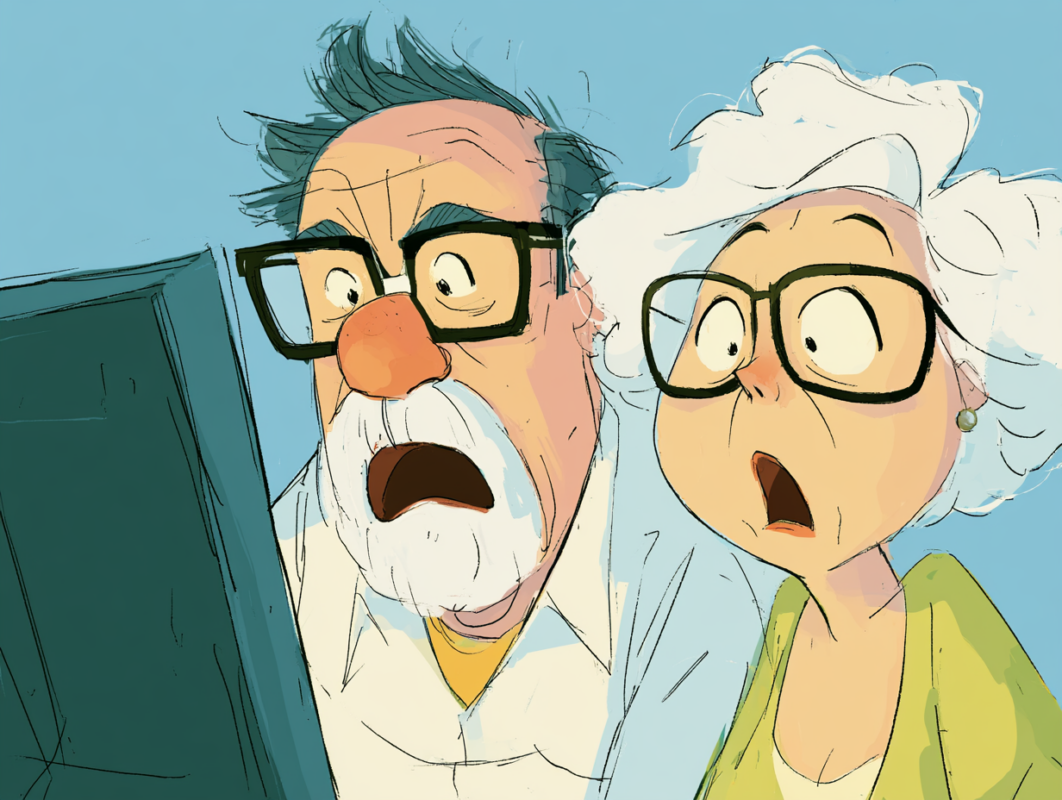
Yet something about this doesn’t quite sit right with passengers. Many airlines remain profitable. United’s flight attendants this week even ratified a new five-year labor agreement that includes an average pay raise of 31 percent. And besides, the biggest carriers aren’t exclusively in the transportation business. Their loyalty programs and co-branded credit card deals often generate more income than flying actual customers.
So the complaints about higher costs really just mean, “We’re less profitable than we were before the latest Middle East crisis.” And to people trying to scrape together enough pennies for a summer flight, that’s infuriating.
Do you believe the airlines?
And that brings us to today’s poll.
If you said yes:
- Should the government cap how much airlines can pass through in fuel surcharges?
- How much more would you pay before you cancel your trip?
If you said no:
- Should regulators force airlines to lower fares when fuel prices drop?
- Would you support a ban on involuntary flight consolidations?
My take: There’s nothing unavoidable about these price increases. After all, consumers control what they pay, and if the price is too high, they won’t bite. What is unavoidable is that the airline industry will milk this crisis for everything it can. After the 2008 oil shock, airlines kept the fees and surcharges they invented during the crisis. Checked bag fees, change fees, fuel surcharges never went away when fuel got cheap. The industry’s pricing memory is one-directional. The Middle East crisis is real, but so is the airline opportunism that comes with it.
Your turn
Has your summer trip already gotten more expensive? Did an airline cancel a flight on you, offer a voucher instead of a refund, or quietly raise your fare? Tell me what you’re seeing in the comments.

Have a question about this story? Tell us what happened — we read every comment.
Join the conversation