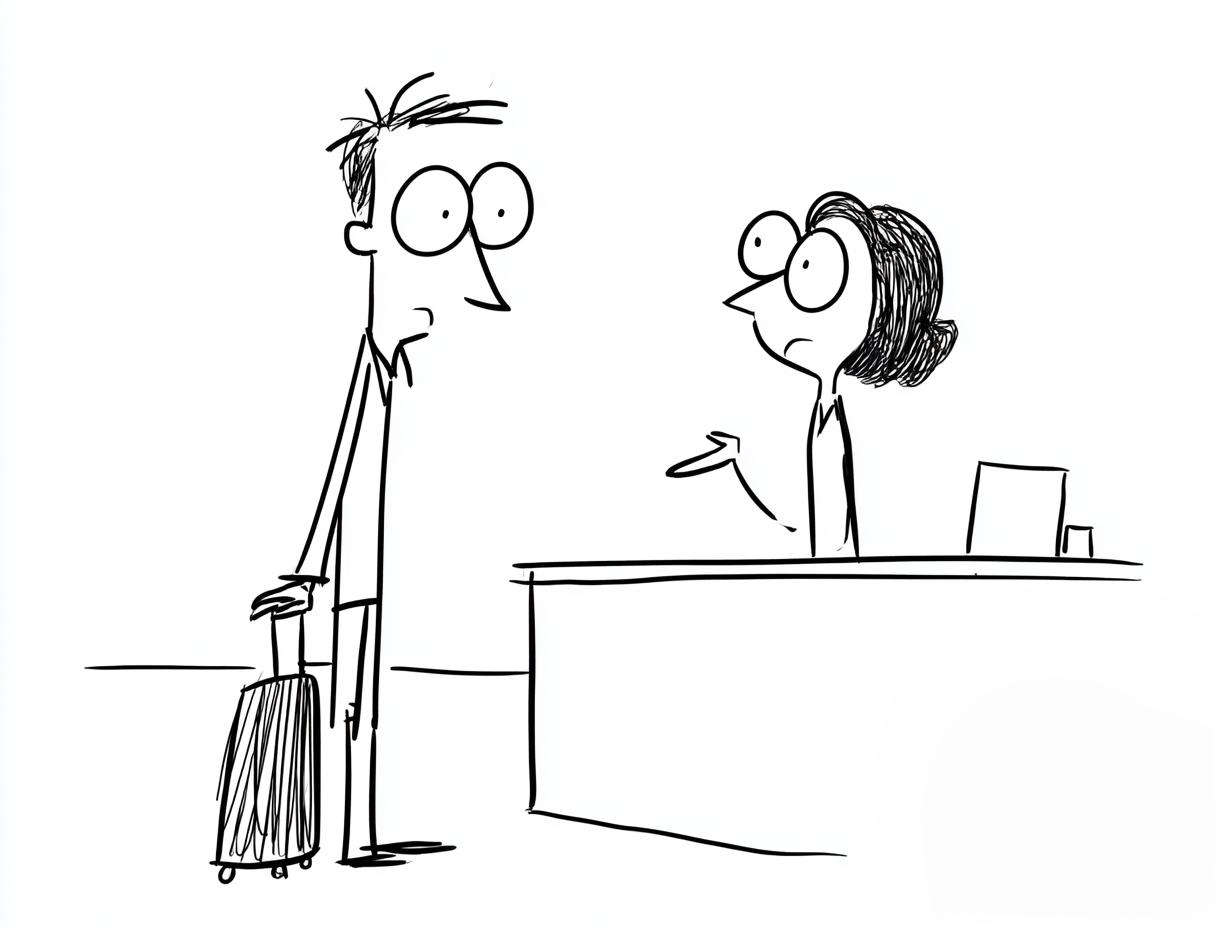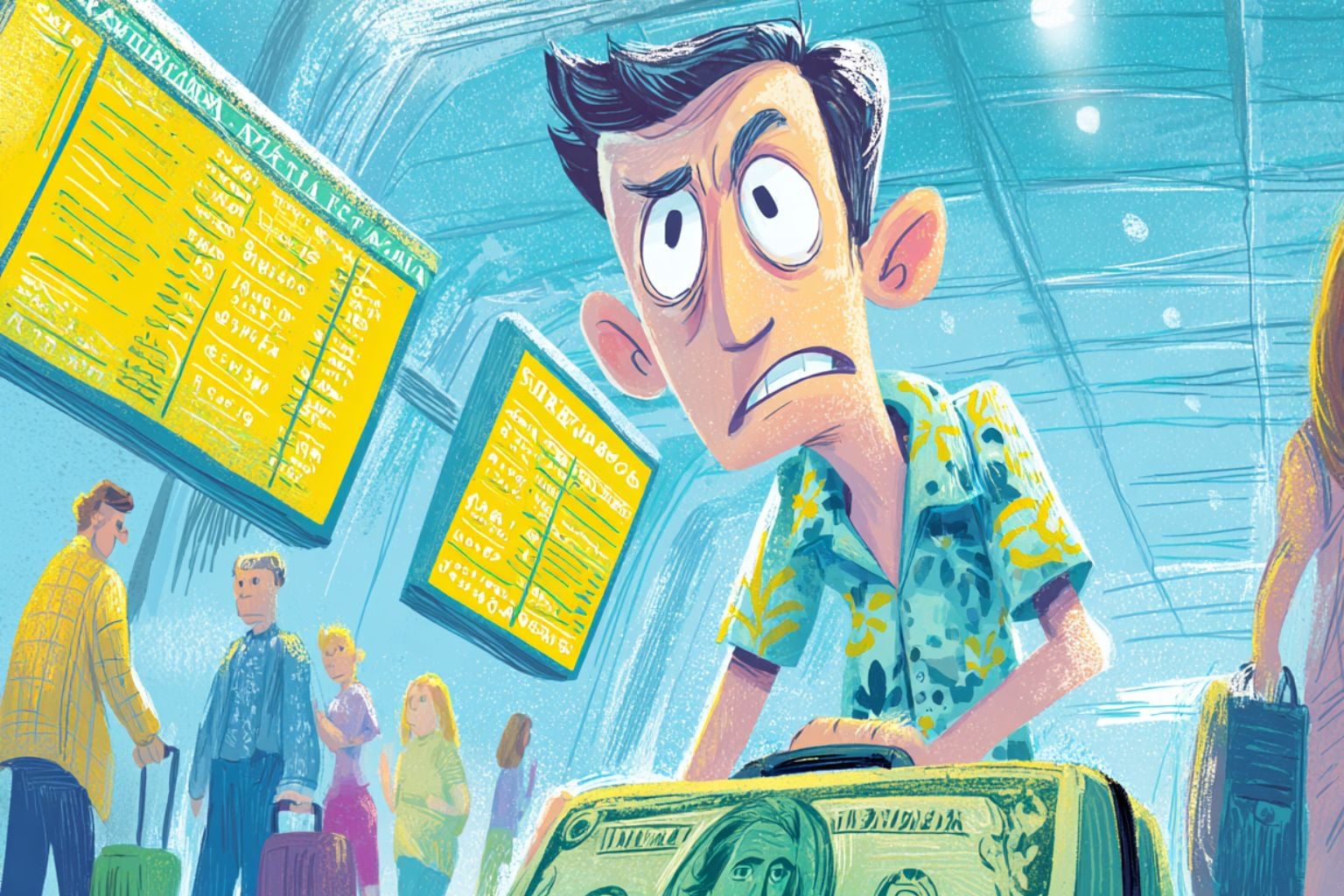
Minimal black and white line cartoon of a wide-eyed traveler holding a rolling suitcase at an airport counter while an agent behind the desk gestures, suggesting a conversation about baggage.

The war is over. Let’s bring airline baggage fees down now.

Peace negotiators may be dotting the i’s on a deal to end the Iran war, but air travelers are paying attention to something else: the cost of their checked bags. Remember when jet fuel prices spiked after the fighting broke out earlier this year? Every major American airline rushed to raise its checked bag fees. United, American, Delta, Southwest, JetBlue, they all went up. The airlines blamed the war, and at the time they had a point, since fuel had roughly doubled. But then the ceasefire came, oil pulled back from its highs, and guess what? Not one airline has announced it is bringing its luggage fees back down. There is a name for this pattern, and once you see how it works, and what Europe just did about bags while U.S. carriers went the other way, the summer ahead at the airport starts to look very different.

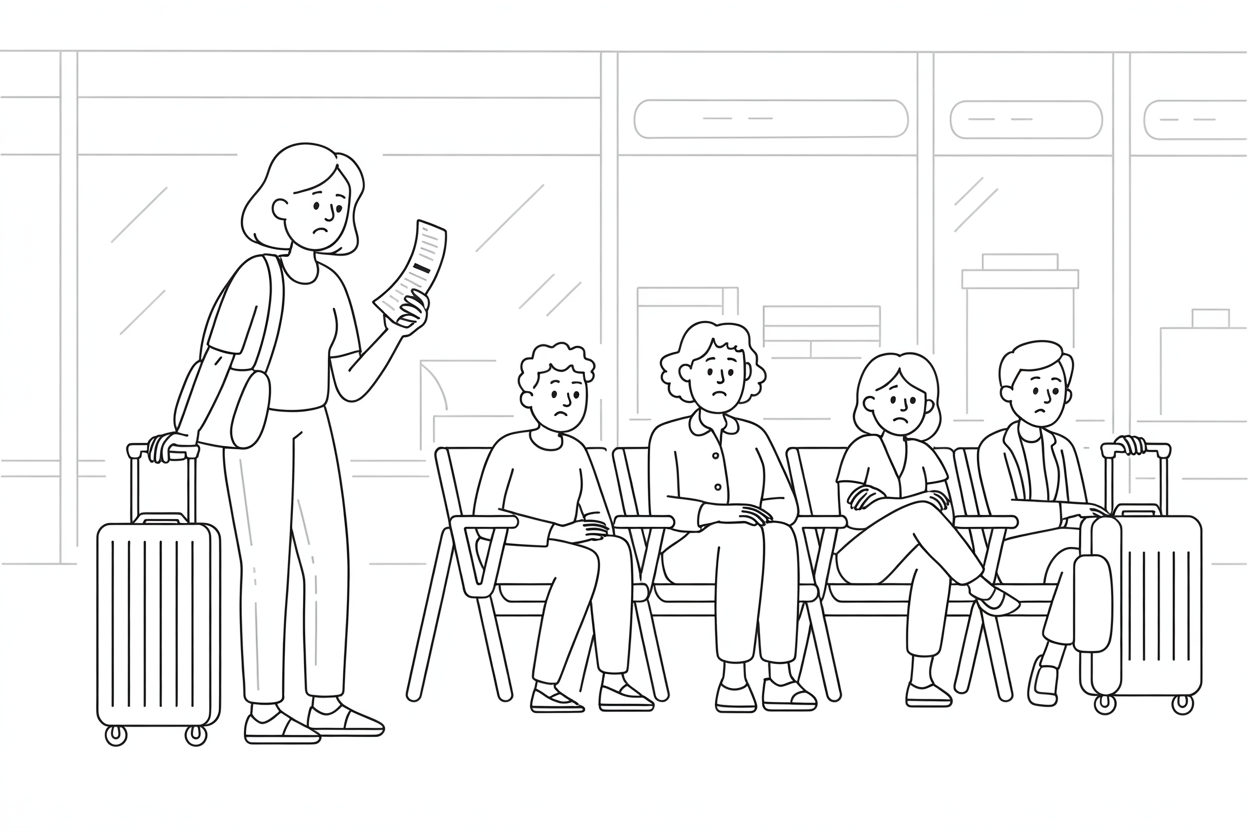
Line cartoon of a worried woman holding a boarding pass and pulling a suitcase as her family of three sits anxiously in airport gate seats behind her.

“A travel nightmare”: United changed my flight but never told me — now I’m out $2,000

Krupa Singampalli had booked a United trip home from Australia for her family of four, with business class upgrades bought using miles and a copay for each passenger. The outbound leg went smoothly. The return became a nightmare. At 1 a.m. in Cairns, she opened the United app and saw her 74-year-old mother’s seat had quietly slipped to waitlisted. A schedule change had rerouted the whole family through Sydney, except the message announcing it had never reached her inbox. When they got to the airport, the partner airlines could not find their reservations, the agents pointed at one another, and a flight departed without them while she was still on hold. Desperate and unwell, she bought four new one-way tickets out of her own pocket just to keep moving. Only later did she learn what United had done with the seats she thought she still had, and what the airline would say when she asked it to make the whole thing right.

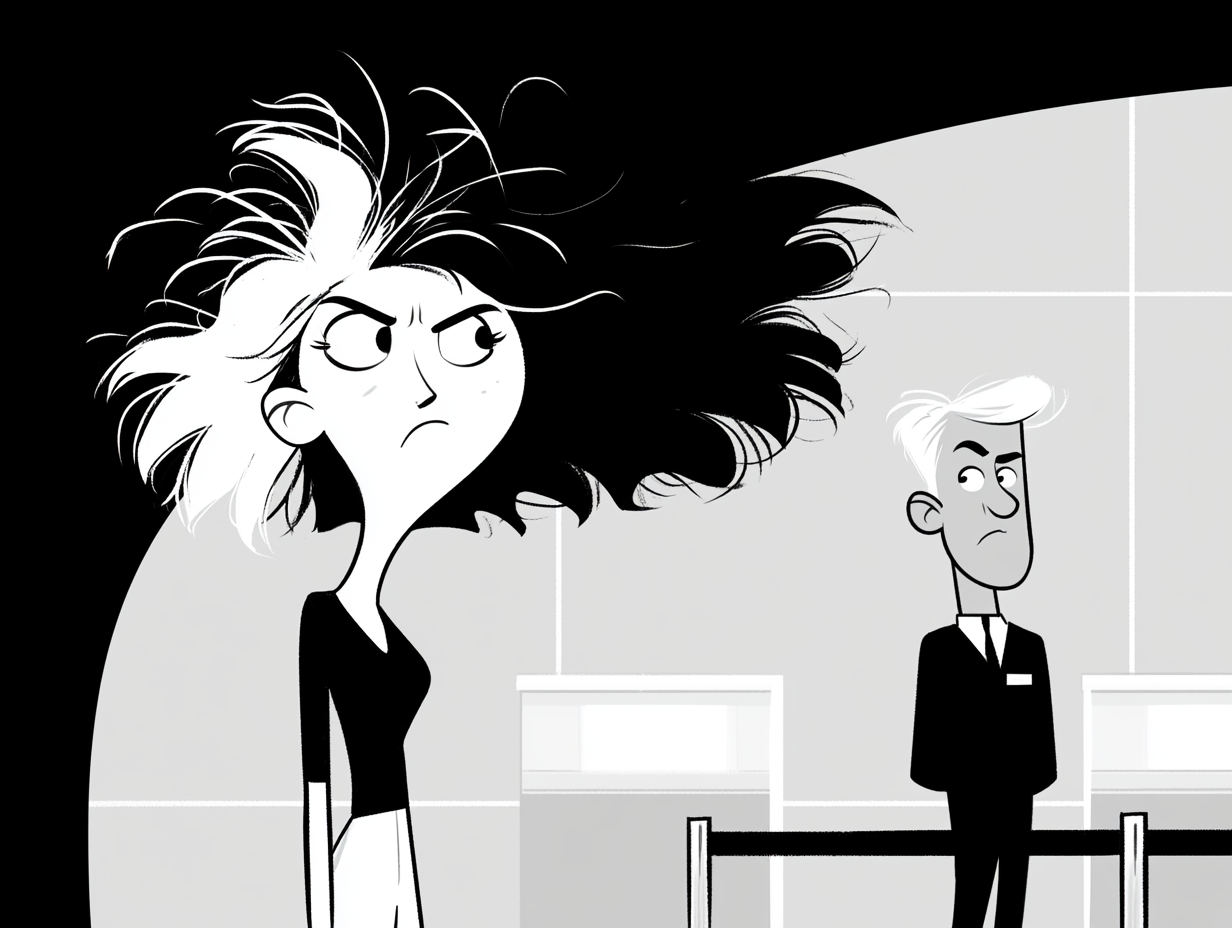
Black and white cartoon of a woman with wild, disheveled hair glaring angrily near an airport check-in counter as a wary uniformed agent watches her from behind the desk. airline blacklist

Is it time for an international blacklist of problem passengers?

If an airline bans you for screaming at a flight attendant or trying to open a door at altitude, you can usually walk to a competitor’s counter and buy a ticket. Britain wants to put an end to that, and its actions may ripple across the Atlantic. The Department for Transport and the Home Office are reportedly working on a national system that would let UK airlines share details of serious offenders, so a person barred by one carrier could be flagged at check-in by another. A trade group has welcomed it, and a budget carrier has been lobbying for exactly this kind of database. On its face it sounds like common sense: keep the dangerous few off everyone’s planes. But a shared ban list raises harder questions than the headlines admit, starting with the ones that decide whether it protects passengers or quietly turns into something else: who decides who belongs on it, what counts as unruly, and if an airline flags you and you think it is wrong, who exactly do you appeal to?

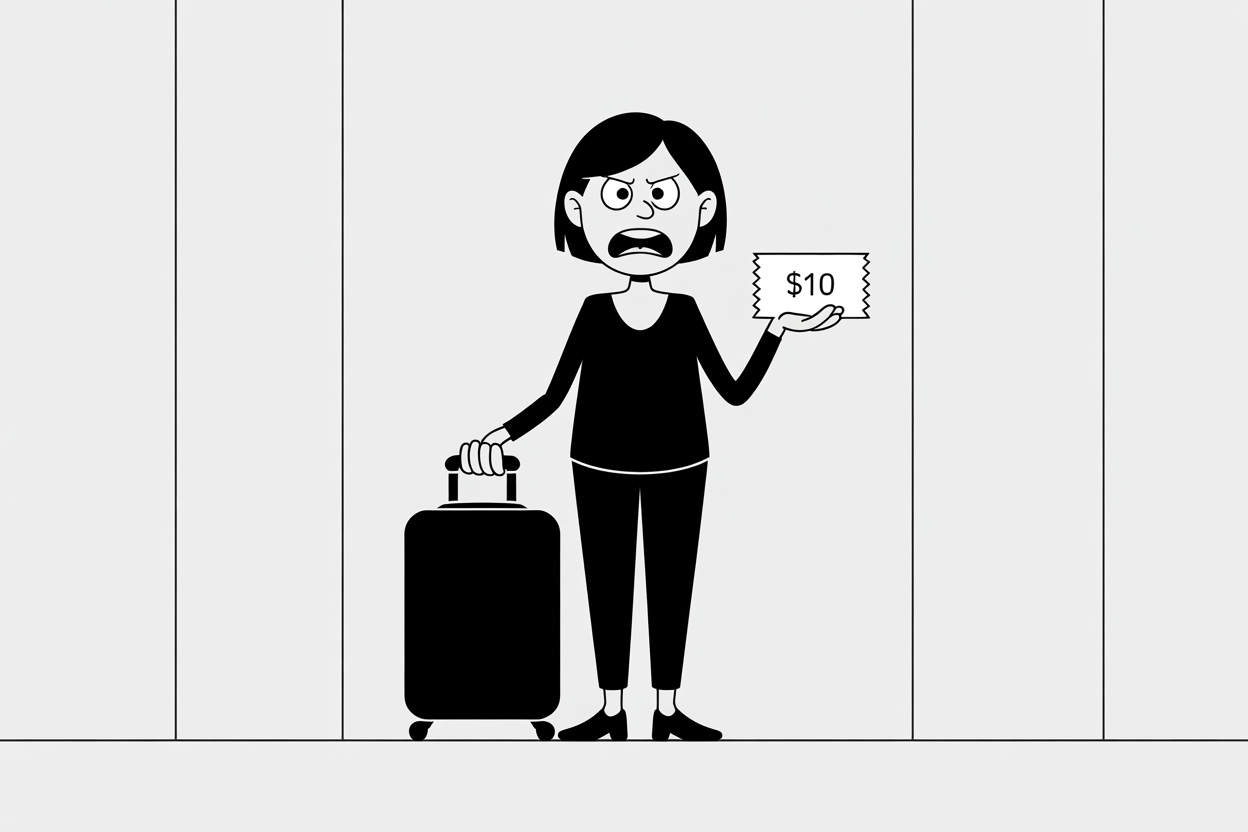
An angry airline passenger stands with a suitcase while holding a $10 voucher after a flight delay.

The delay tax: Why your airline voucher barely covers your expenses anymore 

When a flight is delayed or canceled, airlines cover only what they call duty of care: a meal voucher, sometimes a hotel, or a refund if the flight is canceled. Angela Justice received a $10 voucher after her Boston to Chicago flight was canceled. The real cost, the delay tax, is far larger. It includes nonrefundable hotels travelers cannot reach, lost wages, child care that keeps ticking, and the replacement flights passengers must book themselves when the airline’s rescheduling timeline proves useless. Airlines calculate compensation based on what it costs them to reschedule a flight, not what it costs the traveler to miss the reason they flew in the first place. The official story is that duty of care solves the problem and the Department of Transportation signs off. But the law was written in a different era, when travel was simpler and airlines were more generous, and regulators have not caught up now that delays are chronic and carriers watch every penny.

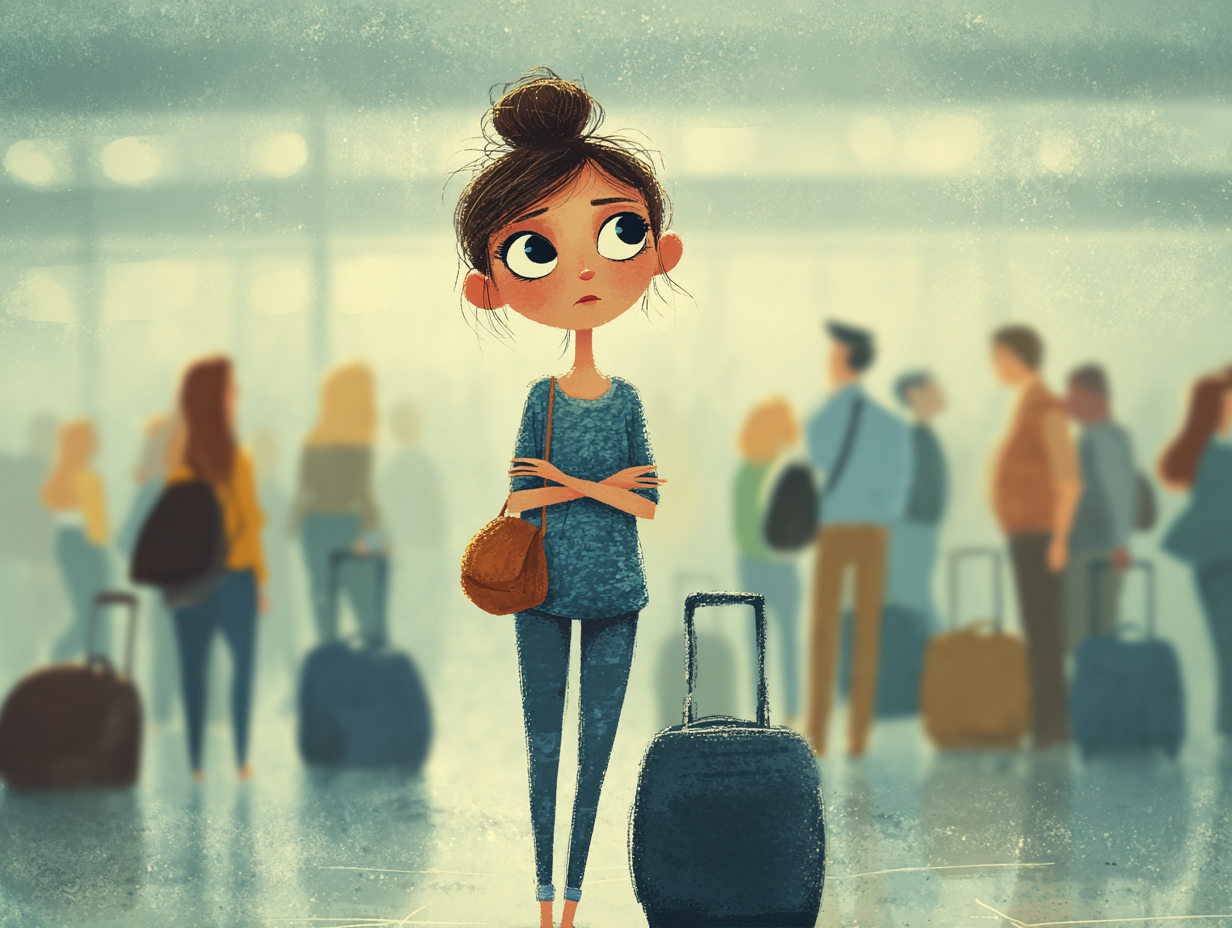
Soft pastel digital illustration of a young teenage girl with a messy brown bun and large worried eyes standing alone with her arms crossed and a small brown shoulder bag, beside her dark blue rolling suitcase, in the middle of a busy blurred airport terminal with other travelers and luggage in the background, illustrating a 13-year-old unaccompanied minor stranded at LAX after United Airlines denied boarding for a connecting flight the airline itself had authorized

United authorized my teen’s connecting flight, then left her stranded at LAX

Shiri Willcot’s travel agent tried to book her 13-year-old daughter Ryan on a connecting flight from Los Angeles to Costa Rica via Houston, but United Airlines policy prohibits unaccompanied minors ages 5 to 14 on connecting flights. A United supervisor overrode the system, approved the reservation, and charged Willcot’s credit card the $300 unaccompanied minor fee. The travel agent reconfirmed the booking twice before departure, and a United representative on a recorded call two days before the flight confirmed Ryan could board without issue. At LAX, United agents refused to let Ryan board. For a month afterward, United claimed no record of the original flight existed despite confirmation emails, the credit card charge, and the recorded call. The airline gave three contradicting explanations before settling on its final narrative blaming the travel agency.

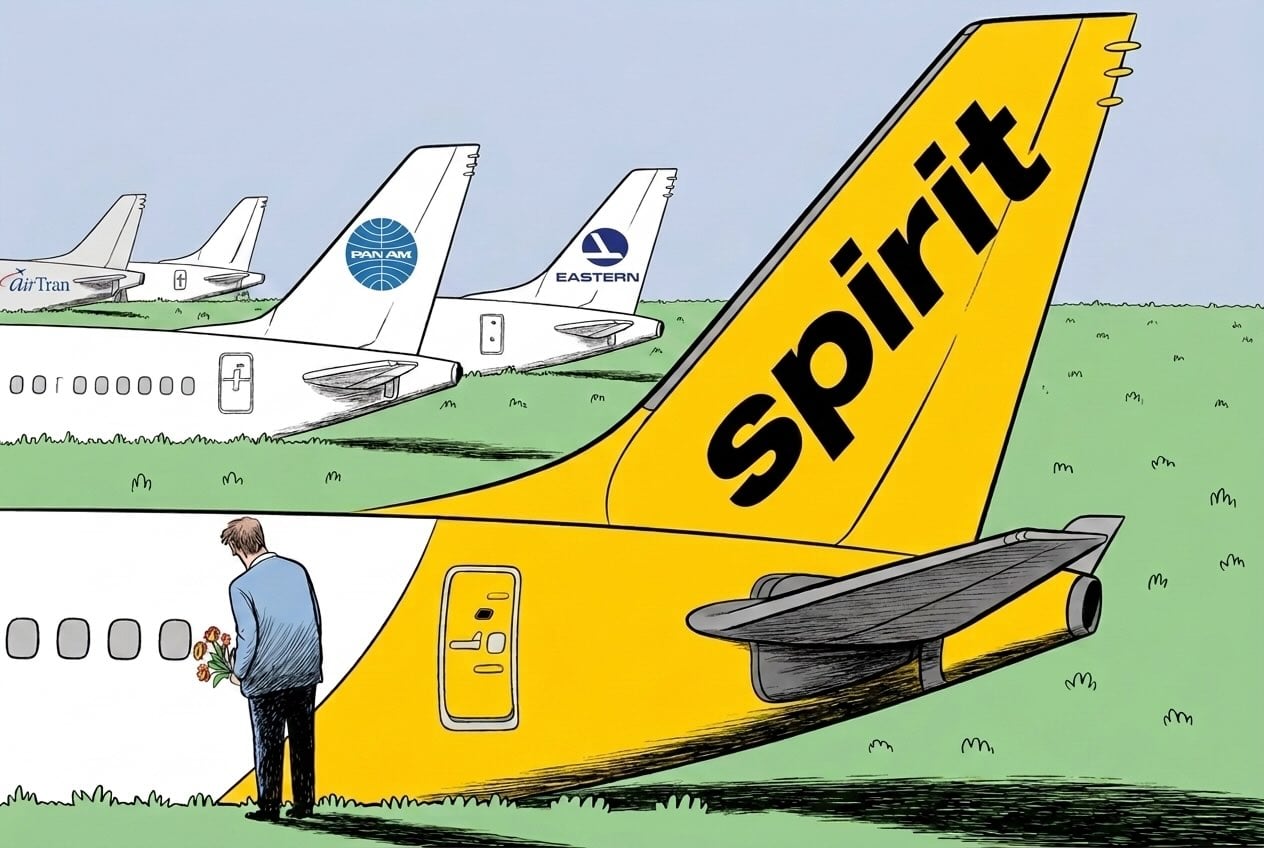
So long, Spirit Airlines. Should the government have saved you?

Spirit Airlines has begun an orderly wind-down of operations, effective immediately. Every flight has been canceled and customer service is closed. The shutdown comes after the Trump administration’s $500 million rescue plan, which would have given the federal government an unprecedented 90 percent stake in the carrier, fell apart over the weekend. After blocking Spirit’s merger with JetBlue on antitrust grounds in 2024, the federal government spent the past several days weighing whether to essentially own the airline instead. In the end, it did neither, leaving summer ticket holders to fight their credit card companies for refunds.

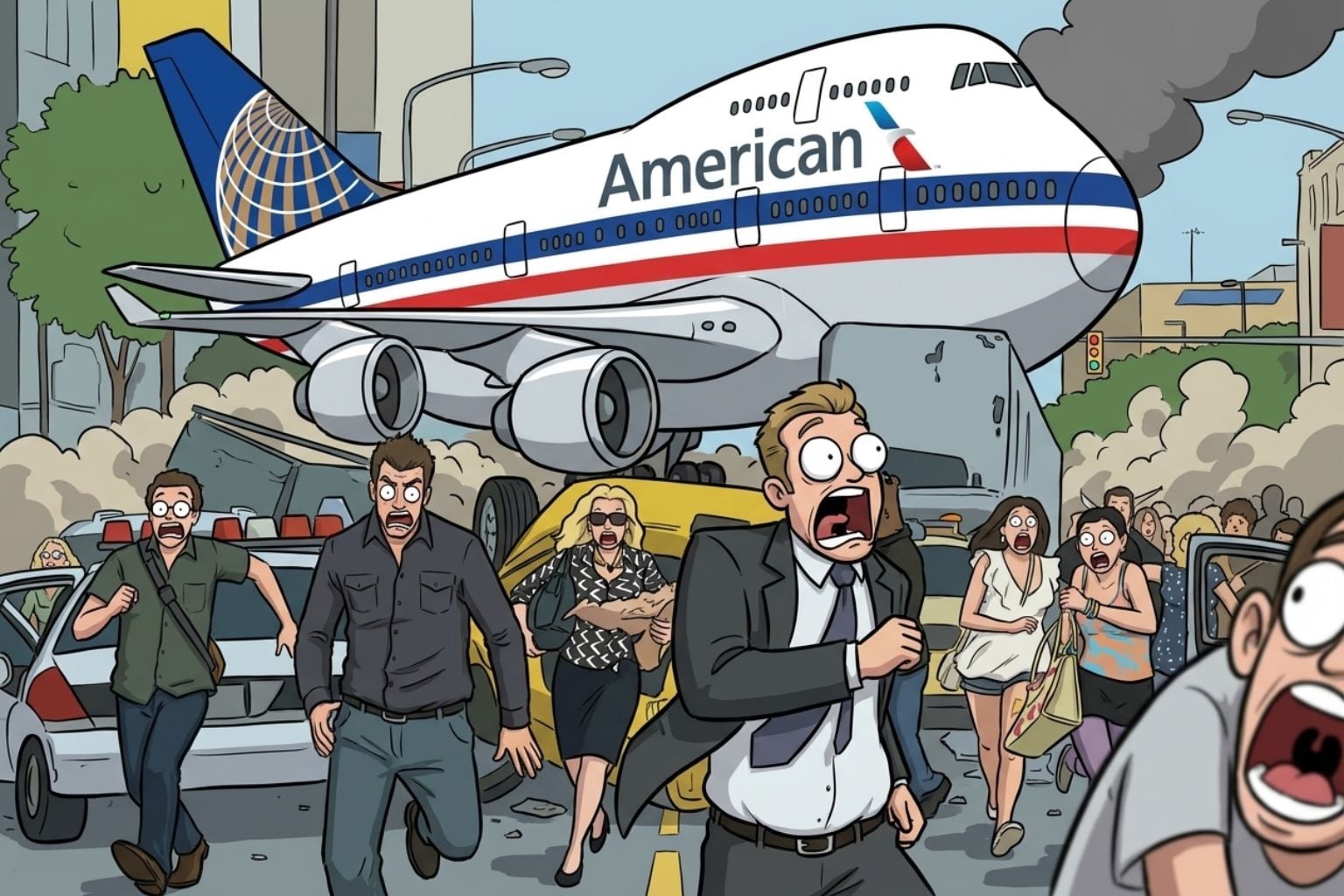
Editorial cartoon illustration of shocked and panicked travelers running away from an enormous airplane featuring both American Airlines red-white-blue livery and United Airlines globe logo, symbolizing consumer anxiety about the proposed United-American Airlines merger that would control 40% of the U.S. market

Should we allow United and American to merge?

The United Airlines–American Airlines merger everyone feared may actually be happening.

United Airlines CEO Scott Kirby reportedly met with administration officials at the White House in February to float an audacious proposal: a combination with American Airlines.