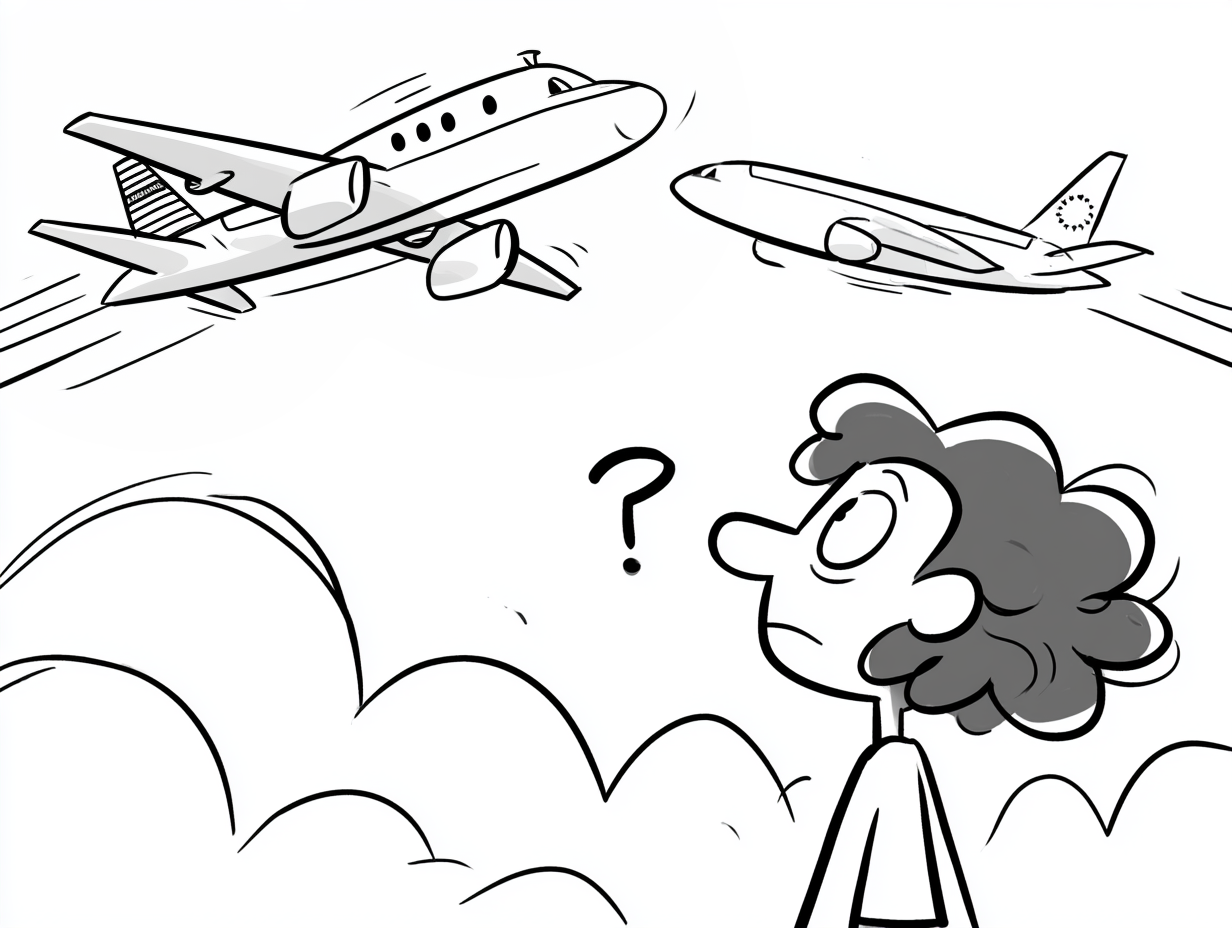
Black and white cartoon of a puzzled traveler with a question mark overhead watching two airplanes fly away in opposite directions.

America and Europe just went opposite ways on airline fees. Who’s right?

How much of an airline ticket’s price do you deserve to see when you shop for a flight? The United States and Europe just answered that question within days of each other, and came to opposite conclusions. In America, a rule that would have required airlines and booking sites to show you the cost of a checked bag or a ticket change the first time a fare appeared never survived. A federal appeals court blocked it before any airline had to comply, then threw it out entirely, faulting the government for skipping a step rather than finding fee transparency unlawful. Instead of redoing the rule, regulators made the defeat official and restored the older standard: airlines note that fees may apply and point you toward the fine print. Europe went the other way, approving its first overhaul of air passenger rights in more than two decades, with fares that must include the cost of a standard carry-on from the outset. Airlines argue that unbundling lets travelers who skip the extras pay less, and that every mandatory fee is disclosed before you buy. Consumer advocates counter that a fare hiding the bag charge is not really a price at all.
Black and white cartoon of an annoyed traveler with a rolling suitcase glaring at an airline agent behind a check-in counter.

You’re mad at the wrong machine

Does the TSA want to measure your luggage? You might think so after a viral aviation report warned that the agency’s newer 3D scanners have smaller entry tunnels than the old X-ray machines, and that an oversized carry-on might not fit, potentially sending you back to the counter to check it. Travelers connected the dots fast: the government as the airlines’ baggage enforcer, turning every overpacked bag into a checked-bag fee. It is a textbook case of decoy outrage, a fake scandal that soaks up all the anger a real one deserves. The tunnels are indeed smaller, and the TSA advises asking a screener for help. But there is no algorithm flagging a bag an inch too wide, and no documented wave of passengers being marched back to pay up. If your bag fits and passes screening, it flies. The scanner panic is a non-story. The question it accidentally raises, about a government that already helps airlines keep the true cost of flying out of the advertised price, is not.

Black and white line cartoon of a worried man standing beside his car with a flat tire on a city street, an American flag flying behind him and steam rising in the air.

America gave the world the gift of travel. Now it’s destroying it.

America gave the world the modern vacation. But as the United States turns 250, it is on the verge of destroying it. The country pioneered the idea that an ordinary person could go somewhere purely for recreation. The long weekend, the affordable plane ticket, the great American road trip, all of them are U.S. exports. It is hard to overstate what this country did for travel: the world’s first national park, the first scheduled passenger airline, the interstate system that birthed a whole roadside culture, and the radical notion that a factory worker with two weeks off deserved a real vacation too. That is the inheritance. Now look at what we are doing with it, the airlines that treat your carry-on as a revenue line, the rental counter that doubles the online price, and a brand-new fee that quietly changed who gets to walk into a forest that is supposed to belong to everyone.

Black and white line cartoon of a puzzled man in a wheelchair on one side of a barrier looking toward a standing woman with a rolling suitcase on the other, suggesting a divide over who boards or pays. Ryanair family seating

Where’s the red line on airline fees?

If you are flying with kids, here is a little good news: you will not have to pay extra to sit together, even on Ryanair, the notoriously fee-crazy Irish carrier. Europe’s largest discount airline adjusted its family-seating policy this week after a UK regulator forced its hand, having spent years charging parents a fee just to sit beside their own children. But it did so “reluctantly,” and that one word says everything about how the industry sees fees in 2026. A fee is not a problem to be fixed. It is territory to be defended. Which raises a bigger question, one that goes well past family seating to the water on a long flight, the bag already in your hand, and the seat you already bought a ticket to sit in. What kinds of fees should be off limits, and is there a line an airline should never cross?

Minimal black and white line cartoon of a wide-eyed traveler holding a rolling suitcase at an airport counter while an agent behind the desk gestures, suggesting a conversation about baggage.

The war is over. Let’s bring airline baggage fees down now.

Peace negotiators may be dotting the i’s on a deal to end the Iran war, but air travelers are paying attention to something else: the cost of their checked bags. Remember when jet fuel prices spiked after the fighting broke out earlier this year? Every major American airline rushed to raise its checked bag fees. United, American, Delta, Southwest, JetBlue, they all went up. The airlines blamed the war, and at the time they had a point, since fuel had roughly doubled. But then the ceasefire came, oil pulled back from its highs, and guess what? Not one airline has announced it is bringing its luggage fees back down. There is a name for this pattern, and once you see how it works, and what Europe just did about bags while U.S. carriers went the other way, the summer ahead at the airport starts to look very different.

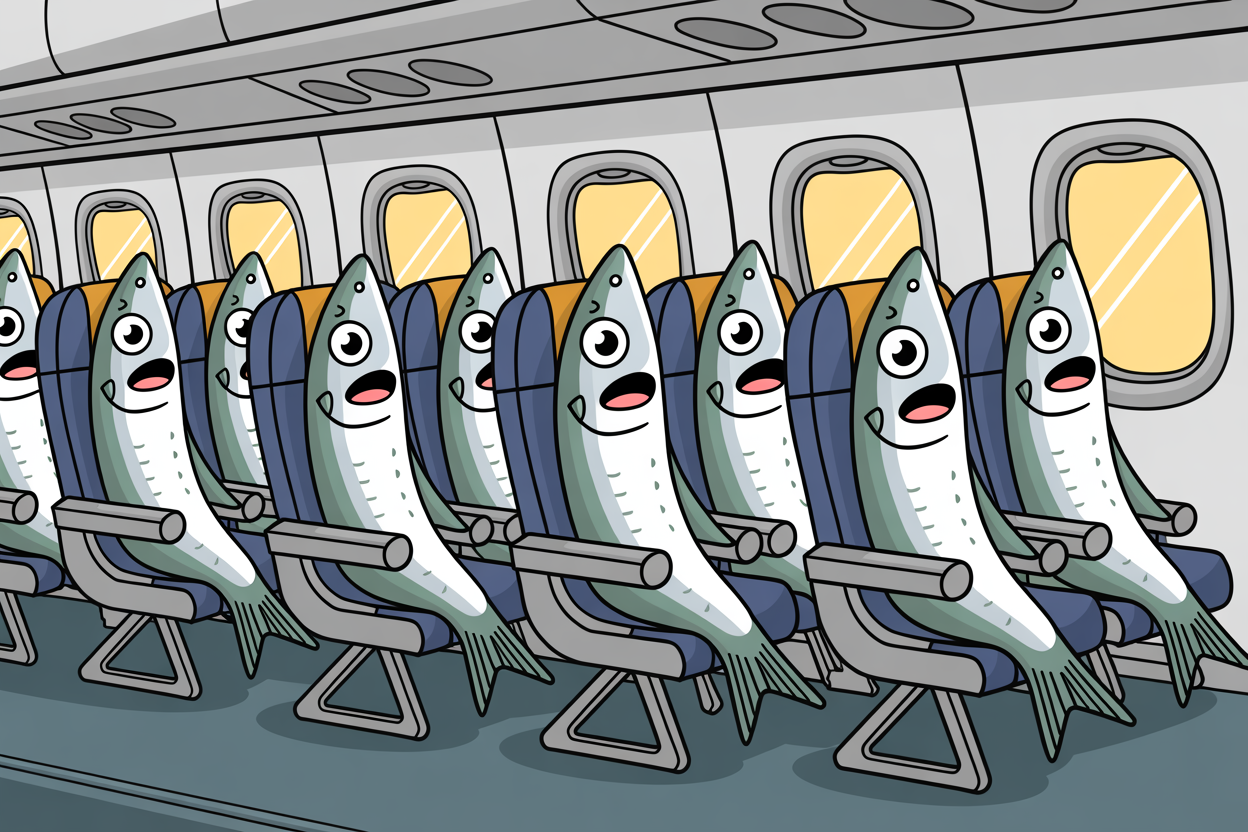
Cartoon of smiling sardines packed upright into narrow airplane seats in a tightly spaced cabin, illustrating how shrinking economy legroom crams travelers in like sardines.

Premium creep: How the travel industry downgraded you for profit 

Remember when you could check a bag, choose your seat, and stretch your legs on a flight without paying extra? It is not an urban legend. You used to be able to do all three at no additional charge. A 34-inch seat pitch was once standard in economy class. Today the industry calls that same space premium economy and charges you more for it, while the 30-inch squeeze becomes the new normal. Call it premium creep, the quiet industry-wide pattern where yesterday’s basics quietly become today’s luxuries, wrapped in marketing language about choice and flexibility. And it is not just airlines: hotels, cruise lines, and even car rental companies have all found ways to strip out what used to be included and sell it back to you. Which raises the question worth sitting with the next time you compare two fares: are you buying an upgrade, or just paying to undo a downgrade the company handed you in the first place?

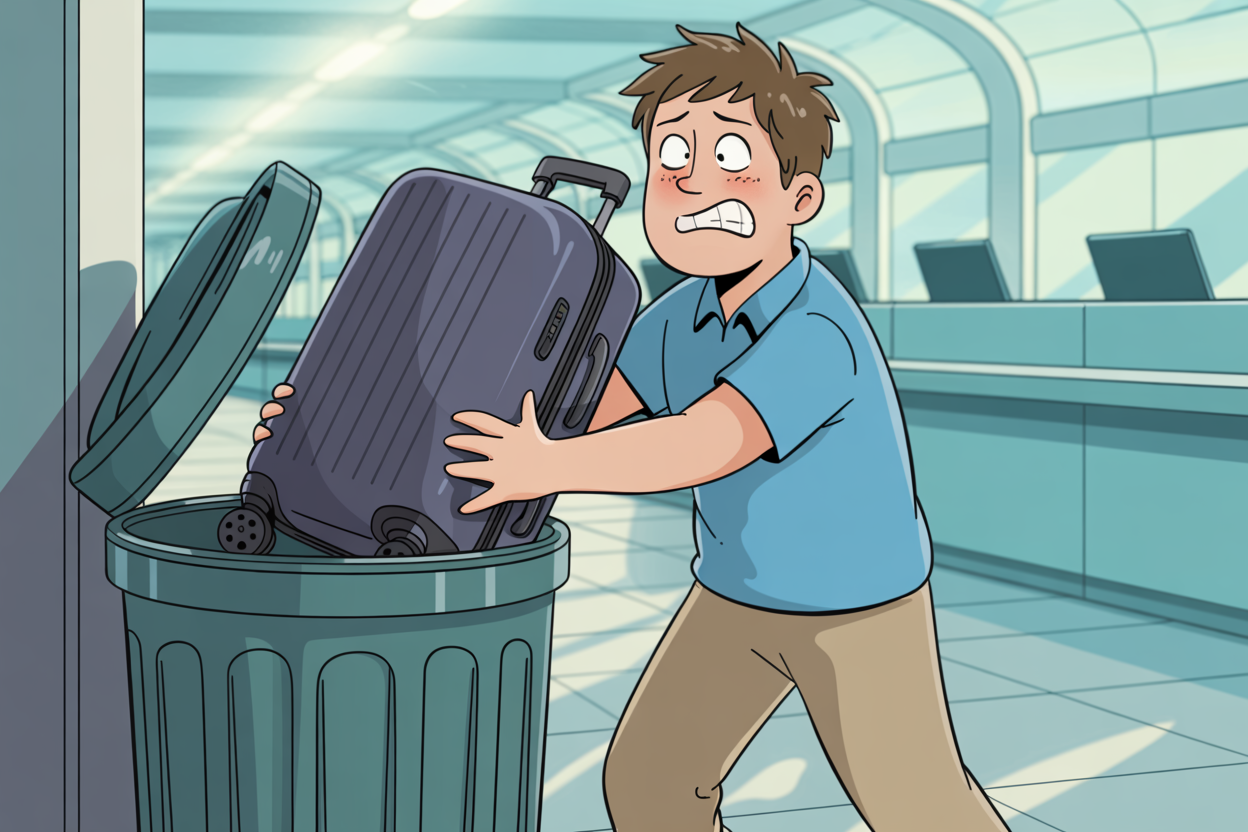
Editorial cartoon showing an anxious traveler in a blue polo shirt grimacing as he stuffs a large purple roller suitcase into an open green airport trash can, with empty seating areas and large glass windows visible in the background, illustrating the increasing trend of travelers abandoning their luggage at airports to avoid baggage fees

The great luggage abandonment: Why travelers are ditching their bags at the airport

Travelers are increasingly abandoning their luggage at airports and hotels to avoid baggage fees that can exceed the value of the bags themselves. Hotels in Tokyo and Osaka now post warning signs about luggage abandonment fees while Narita Airport reportedly stores dozens of unclaimed bags daily. Kansai Airport in Osaka and Chubu Airport in Nagoya report similar pile-ups. Asian carriers known for strict baggage fee enforcement contribute to the trend, along with Japanese tourists buying cheap rolling luggage for shopping trips and abandoning it before flying home. Airports hold abandoned bags 30 to 90 days before disposal.

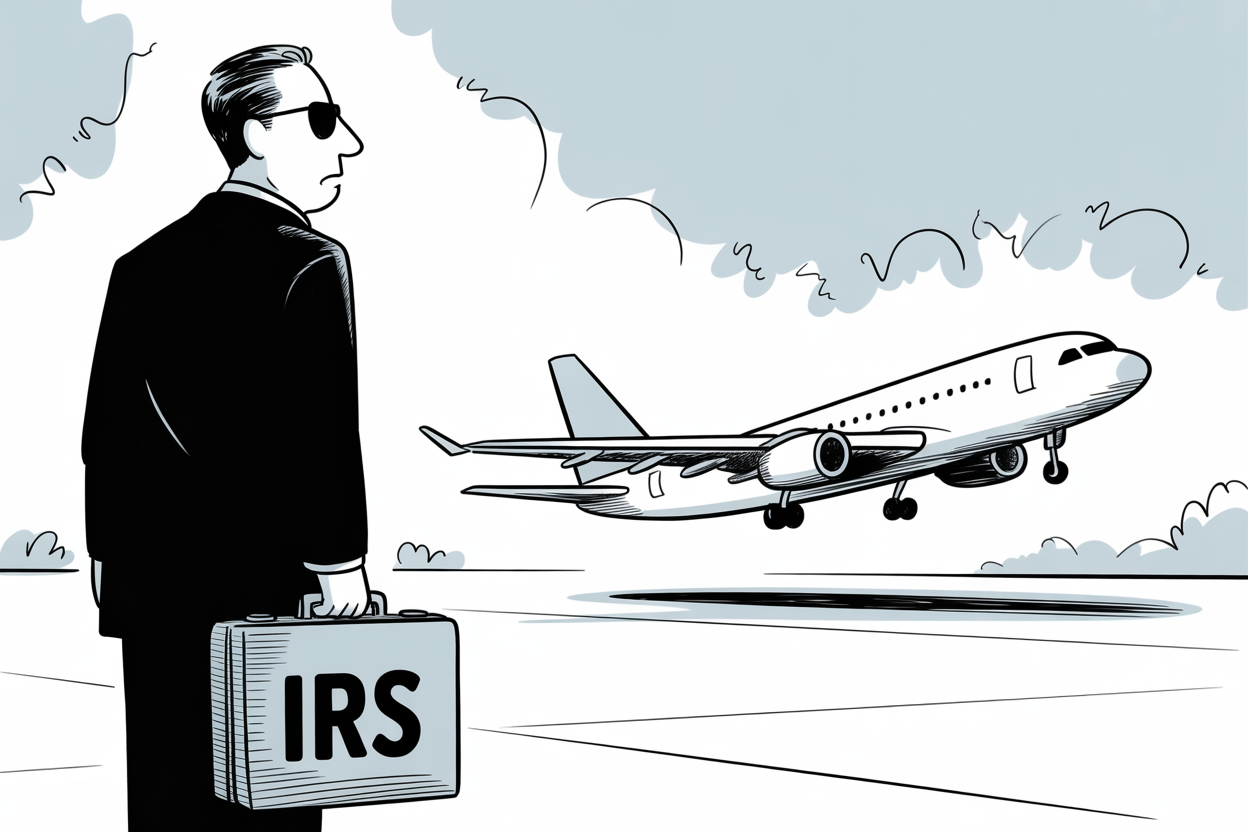
Editorial cartoon showing an IRS official in a dark suit holding a briefcase labeled "IRS" watching a commercial airplane taking off, depicting the tension between tax authorities and budget airlines seeking a tax holiday during the jet fuel crisis

Budget airlines want a tax holiday—but where’s yours?

The Association of Value Airlines, representing Spirit, Frontier, and Allegiant, is asking Congress to suspend the 7.5 percent federal excise tax on domestic tickets and the $5.30 per-segment fee, citing the jet fuel crisis following the Iran war. On a typical $369 roundtrip fare, passengers already pay roughly $47 in mandatory taxes and fees, inflating ticket prices by about 13 percent. Without a requirement to pass savings to consumers, any tax holiday would function as a corporate subsidy rather than traveler relief.