
in this case
- William Marell booked a Beverly Hills apartment through Airbnb for $1,236. The address listed for the property didn’t exist. Airbnb then charged his card another $7,080 without his consent.
- Airbnb canceled Marell’s reservation and closed his account even though he never requested either action. Every representative gave him a new case number then closed it without resolution.
- Barclays reversed the $7,080 charge but refused to return the $1,236. The bank said Marell voluntarily provided his card number to Airbnb so it wasn’t fraud. A tough response.
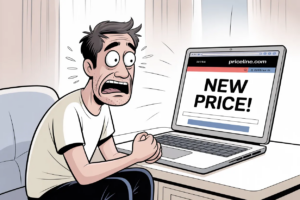
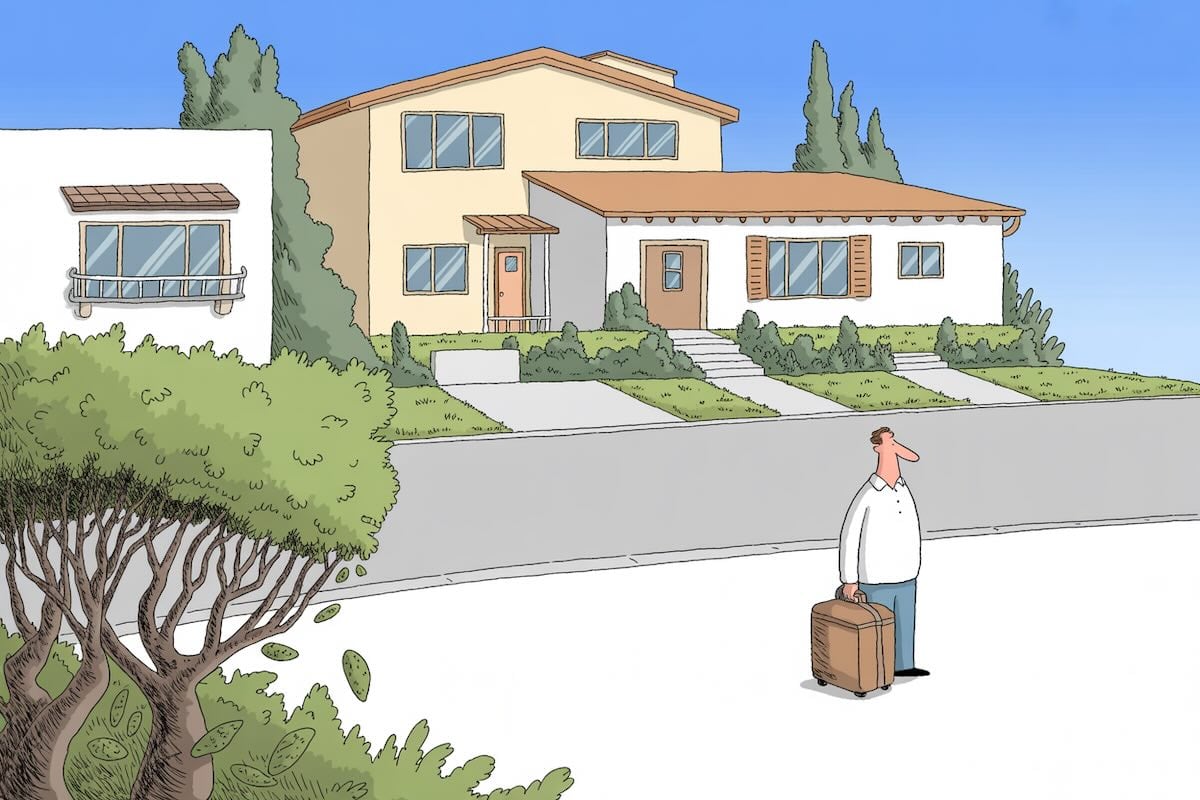
William Marell books an apartment in Beverly Hills through Airbnb and quickly discovers the address doesn’t exist. Then Airbnb hits his card with another $7,080, cancels his account, and leaves him chasing case numbers and closed tickets.
Question
I booked an apartment through Airbnb in Beverly Hills, making an initial payment of $1,236. There was just one problem: The address listed for the property didn’t exist. Soon after, without my consent, Airbnb charged my card another $7,080.
Airbnb then canceled my reservation and closed my account, even though I never requested either action. When I called Airbnb, it told me it couldn’t verify my account. Every time I spoke with a representative, I was given a new case number and told the issue would be resolved in a few business days. Instead, the cases were closed without resolution.
I disputed the charges with Barclays, my credit card company. It reversed the $7,080 charge but refused to return the $1,236, saying I had voluntarily provided my card number to Airbnb, so it wasn’t fraud.
I’d prefer not to take this to court. Can you help me get my $1,236 back? — William Marell, West Palm Beach, Fla.
Answer
This one is a tangle of Airbnb’s weakest points: fake listings, arbitrary account closures and a customer service system that can leave guests stranded.
Let’s start with the listing. Airbnb requires hosts to provide accurate information and handles payments through its platform, acting as the host’s limited collection agent. In theory, once you’ve paid, your only responsibility is to show up. When a host misrepresents or cancels, Airbnb is supposed to step in with an immediate refund. (Related: Hampton Inn charged me for a canceled room after my wife was hospitalized. Can I get my money back?)
In your case, the property never existed. That alone should have triggered a full refund. But there was a second failure: Airbnb charged then added what appeared to be a random $7,080 charge for a rental that didn’t exist.
For reasons that aren’t entirely clear, Airbnb then flagged your account. You fell into a trap many travelers know too well: Airbnb assigns case numbers, then closes them automatically after a set time. If your account is later deactivated, Airbnb’s customer service often refuses to discuss the case because the account is closed.
You did the right thing by documenting everything and filing a credit card dispute. The problem is that Barclays saw your $1,236 as a voluntary transaction, which technically it was, even though you never got what you paid for. That’s a tough — but not unusual — response from a bank. Barclay’s could have done a better job of investigating your initial complaint.
A lot of the issues that Christopher has been resolving lately, including this one, are egregious on the part of the provider. I would like to see consequences for the provider in addition to merely restoring the consumers’ funds. They are getting away with murder and too many others are absorbing damages because it is too difficult to pursue what is right. The ops in some of these cases deserve more than their initial deposits back due to what the providers are putting them through.
Read more insightful reader feedback. See all comments.
How to fix a problem with a nonexistent Airbnb rental
I think a brief, polite email to one of the Airbnb executive contacts I list on my consumer advocacy site Elliott.org might have helped move things along.
Behind the scenes, Airbnb was willing to refund you if you withdrew your chargeback. That’s common practice. Companies don’t like issuing refunds while a dispute is pending. But it looks like you never received that message, and with your account shut down, there was no way for you to follow up with Airbnb.
The lesson for other travelers? Check vacation rental listings carefully before booking. Verify the address independently, and if something feels off, walk away. Keep detailed records of your communication, and don’t give up if the company tries to arbitrarily close your case. Persistence, backed by documentation, is often what gets a result.
After I contacted Airbnb, it reinstated your account and processed the refund. You’ve now confirmed the $1,236 has been returned.
Protect Yourself from Fake Vacation Rental Listings
3 steps to verify properties before you book
The Problem
Fake listings with nonexistent addresses
Unauthorized charges after initial payment
Arbitrary account closures blocking refunds
Verify the Address
Check the property address independently using Google Maps or Street View. Search for the exact address in local property records. If something feels off, walk away before booking.
Document Everything
Save all confirmation emails, listing screenshots, and communication with hosts. Keep case numbers from every customer service interaction. This documentation is critical for credit card disputes.
Don’t Give Up
File credit card disputes immediately for fake listings. Don’t accept automatic case closures. Contact Elliott Advocacy or similar consumer advocacy organizations if the platform refuses to help. Persistence gets results.
⚠️ Red Flag
If a platform charges you for a property that doesn’t exist then closes your account, they’re hoping you’ll give up. Keep fighting.
Your voice matters
William Marell booked a Beverly Hills apartment through Airbnb. The address didn’t exist. Airbnb charged him $7,080 more without consent then canceled his account. Representatives gave him case numbers that closed without resolution. Barclays refused to refund his initial $1,236 payment.
- Should vacation rental platforms face automatic refunds when listings are proven fake or addresses don’t exist?
- Should banks be required to reverse charges for services never received even when card numbers were voluntarily provided?
- Should platforms be prohibited from closing customer accounts while disputes over nonexistent properties remain unresolved?

Have a question about this story? Tell us what happened — we read every comment.
Join the conversation