
in this commentary
- Hotels in Tokyo and Osaka now post warning signs about luggage abandonment fees as Narita Airport stores dozens of unclaimed bags daily.
- Travelers are dumping food at airport gates and ditching entire suitcases at hotels to avoid checked bag fees that can exceed the value of the bag itself.
- Airports hold abandoned bags for 30 to 90 days before auctioning, donating, or destroying them. Hotels store items only a few weeks before disposal.
If you want to understand why luggage is being abandoned at the airport, then join me on a recent flight from Kuala Lumpur to Johor Bahru.
Just before I boarded the short domestic flight in Malaysia, a gate agent with a broad smile pulled me aside. My carry-on bag was too big, he cheerfully announced.
The penalty? A $35 “extra baggage” fee.
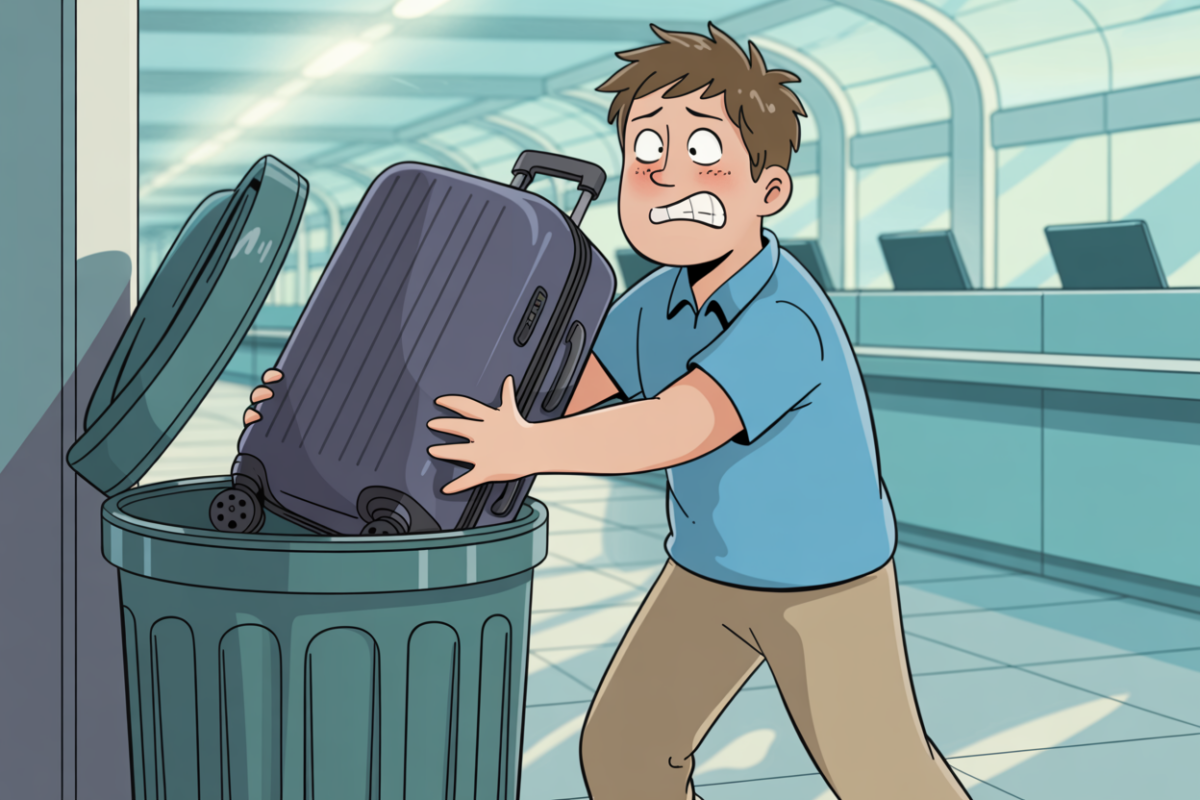
As I reluctantly forked over my credit card, I glanced at my 24-year-old son, who was traveling with me. He’d already unzipped his slightly overpacked carry-on and was dumping items into a nearby garbage can to reduce the weight and size. Granola bars, apples, a half-eaten bag of cereal — gone before the agent could say a word.
The math was easy: pay $35 or trash $10 worth of food. He chose the trash can.
How many other travelers make this same calculation every day? In the United States, where the cost of flying a bag now can exceed the price of a ticket, it’s becoming more of an option. In Japan, they’re not simply lightening their load. They’re leaving the entire bag.
Why are people abandoning luggage in Japan?
Walk into a hotel in Osaka or Tokyo and you’ll see warning signs that would’ve seemed absurd five years ago: “Abandon your luggage and you will be charged.” Luggage dumping has become so routine that hotels post warnings like “no smoking” signs.
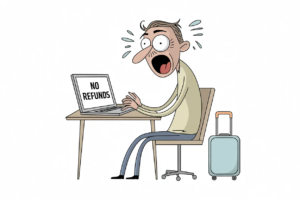
“Travelers are treating luggage as disposable,” says Georgia Fowkes, a travel advisor for Altezza Travel who saw the problem firsthand on a recent visit to Japan. “And hotels are inheriting the mess.” (Related: Why are travel companies replacing real refunds with “coupon justice”?)
Narita Airport in Tokyo reportedly stores dozens of unclaimed bags daily. Kansai Airport in Osaka and Chubu Airport in Nagoya report similar pile-ups. Some hotels have started giving bags away or repurposing them as planters just to cope with the deluge of luggage.
The situation in Japan may be unique. Many people visit Japan to go shopping. They buy cheap rolling luggage to roll around the mall and then leave it at the hotel or train station before they fly home.
But that’s not the only reason luggage is being left behind. Asian air carriers are notorious for charging extra fees for luggage, so part of the reason may also be that passengers are trying to avoid an additional charge.
There are fears that this luggage abandonment could spread.
I don’t understand this at all. What kind of stuff is in your suitcase that it isn’t worth $35 or $50? My underwear costs more than that to replace.
Read more insightful reader feedback. See all comments.
The math behind luggage abandonment
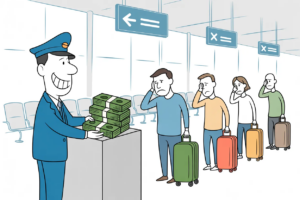
Airlines have turned baggage into a profit center. Checked bag fees, carry-on charges, and overweight penalties all add up. When your beaten-up roller bag costs more to check than it’s worth, walking away becomes logical.
“The abandoned luggage issue isn’t just about saving a few bucks on a checked bag,” says Zackaria Saadioui, founder of Prked, a peer-to-peer airport parking marketplace. “It’s a sign of fee fatigue. Travelers are being nickel-and-dimed at every turn.” (Related: New “gotchas” that travelers never see coming.)
Ernie Garcia, a frequent traveler who works for a marketing agency in New York, routinely abandons his belongings at the airport.
“Sometimes, I’ve abandoned so many clothes that I no longer need a checked bag,” he says.
If a bag starts to get worn out, it also gets left behind.
“The last roller suitcase I abandoned had a wonky handle that was difficult to extend and retract,” he recalls. “I left it in the hotel in Croatia.”
Abandoned luggage is spreading
So far, the evidence of the abandoned luggage trend is mostly anecdotal. It’s an airport here, a hotel there — and plenty of travelers like Garcia or my son who are filling the garbage cans at the airport.
There are no comprehensive surveys that show travelers are dropping their luggage en masse before departure. But experts say it could happen soon. Increasingly strict airline policies are pressuring passengers to make a difficult decision.
“Airlines have steadily pushed up checked and even carry-on fees,” says Lucinda Faucheux, co-founder of Travel Support Circle, a travel agency. “So you can imagine a traveler weighing up the cost of paying another fee versus just walking away from an old case.”
Some airports now warn travelers about disposal timelines for unclaimed items. They typically hold bags for 30 to 90 days before auctioning, donating, or destroying them. Hotels store items for a few weeks, but dispose of the items promptly if they can’t find the owner.
All of this because the airlines want to make more money.
“Hotels and airports are inheriting someone else’s profit-maximizing strategy,” says Jacob Elban, a marketing specialist who has watched this problem spiral. “It’s physical evidence of a broken pricing model.”
Should you abandon your bag?
Seasoned travelers have developed strategies to avoid fees — and sometimes abandonment.
- Think about your luggage before you leave. Pack only what’s necessary so that you don’t have to think about leaving something behind. “Choose your items wisely and select meaningful possessions,” says André Disselkamp, co-founder of the travel insurance site Insurancy. And remember, less is more. (Here is everything you need to know before planning your next trip.)
- Keep ’em separated. Know what’s valuable and what’s disposable. That’s Marcia Sherrill’s advice. She’s abandoned her bags twice. “Sometimes, it simply isn’t worth paying hundreds of dollars to send a no-name bag back to the U.S.,” says Sherrill, who publishes a shopping website in New York. “Of course we hang on for dear life to our Hartmann and Tumi bags.”
- Have a contingency plan. Avoid a situation where you’re the last person to board and you have to simply walk away from your bag. Give yourself time to check in, and, if necessary, ask an airport employee where you can get rid of a bag quickly. And remember, you can always mail the items to your home address from the airport, if necessary.
Airlines are doing everything they can to put you on the spot at the gate. Pay us a luggage fee or you’ll lose your valuables. Traveling light and keeping your critical items with you ensures you can call their bluff.
Airlines created this problem by recklessly monetizing every inch of baggage space. Hotels and airports now have to manage the fallout. And so do you.
Your voice matters
Travelers are abandoning suitcases at hotels and dumping food at airport gates to avoid baggage fees. Japanese hotels post warning signs. Hotels and airports inherit the mess from airline pricing.
- Should airlines be legally required to include reasonable carry-on baggage allowances in base ticket prices instead of charging separate fees?
- Should airlines that profit from abandoned baggage be required to compensate hotels and airports forced to manage and dispose of discarded luggage?
- Should baggage fees be capped at a fixed percentage of the ticket price to prevent fees from exceeding the cost of the bag itself?
What you need to know about luggage abandonment
Quick answers to the most common questions about why travelers are abandoning their luggage, what hotels and airports do with abandoned bags, and how to avoid being forced to make this choice.
Why are travelers abandoning their luggage at airports and hotels?
Travelers are abandoning luggage primarily to avoid baggage fees that can exceed the value of the bag itself. Airlines have turned baggage into a profit center with checked bag fees, carry-on charges, and overweight penalties. When a beaten-up roller bag costs more to check than it’s worth, walking away becomes a logical economic decision. Asian carriers are particularly known for strict baggage fee enforcement.
Why is luggage abandonment so common in Japan?
The Japan situation has unique factors. Many tourists visit Japan specifically to shop, buying cheap rolling luggage to transport purchases around malls. They then abandon the bags at hotels or train stations before flying home. Hotels in Osaka and Tokyo now post warning signs reading “Abandon your luggage and you will be charged” as luggage dumping has become routine. Some hotels repurpose bags as planters to cope with the deluge.
How long do airports hold abandoned luggage?
Airports typically hold unclaimed bags for 30 to 90 days before auctioning, donating, or destroying them. The exact timeline varies by airport policy and local regulations. Hotels generally store abandoned items for a few weeks but dispose of contents promptly if they cannot find the owner. Narita Airport in Tokyo reportedly stores dozens of unclaimed bags daily, with similar pile-ups at Kansai and Chubu airports.
Is it legal to abandon your luggage at an airport?
Abandoning luggage at airports is generally legal but discouraged. Airports may impose fees for disposal services in some cases. Hotels may charge guests for abandoned items to recover storage and disposal costs. Items left in restricted areas could trigger security concerns. The safer option is to dispose of contents in trash receptacles before security or arrange to mail items home from the airport.
How can you avoid having to abandon your luggage?
Pack only what is necessary, weigh and measure carry-ons at home to meet airline requirements, separate valuable items from disposable ones, and have a contingency plan before reaching the gate. Keep medications, electronics, and essentials in a personal item that always stays with you. Elliott Advocacy’s guide to avoiding airline fees provides additional strategies.
What can you do if you must leave items behind at the airport?
You have several options before abandoning items entirely. Most airports have shipping services where you can mail items home for less than checked bag fees. Ask airport employees where to dispose of items if necessary. Some airlines allow you to ship items separately at lower rates than baggage fees. Always keep valuables, medications, and identification with you regardless of what you abandon.
Why do checked bag fees sometimes exceed ticket prices?
Airlines have aggressively monetized baggage as ancillary revenue, charging separate fees for checked bags, carry-on bags, and overweight items. On budget carriers and certain international routes, these fees can exceed the base ticket price. The pricing model is particularly punishing for short domestic flights and budget carriers in Asia, where fees were originally designed for premium long-haul service. Read Elliott Advocacy’s coverage of junk fees and airline pricing for more context.

Have a question about this story? Tell us what happened — we read every comment.
Join the conversation