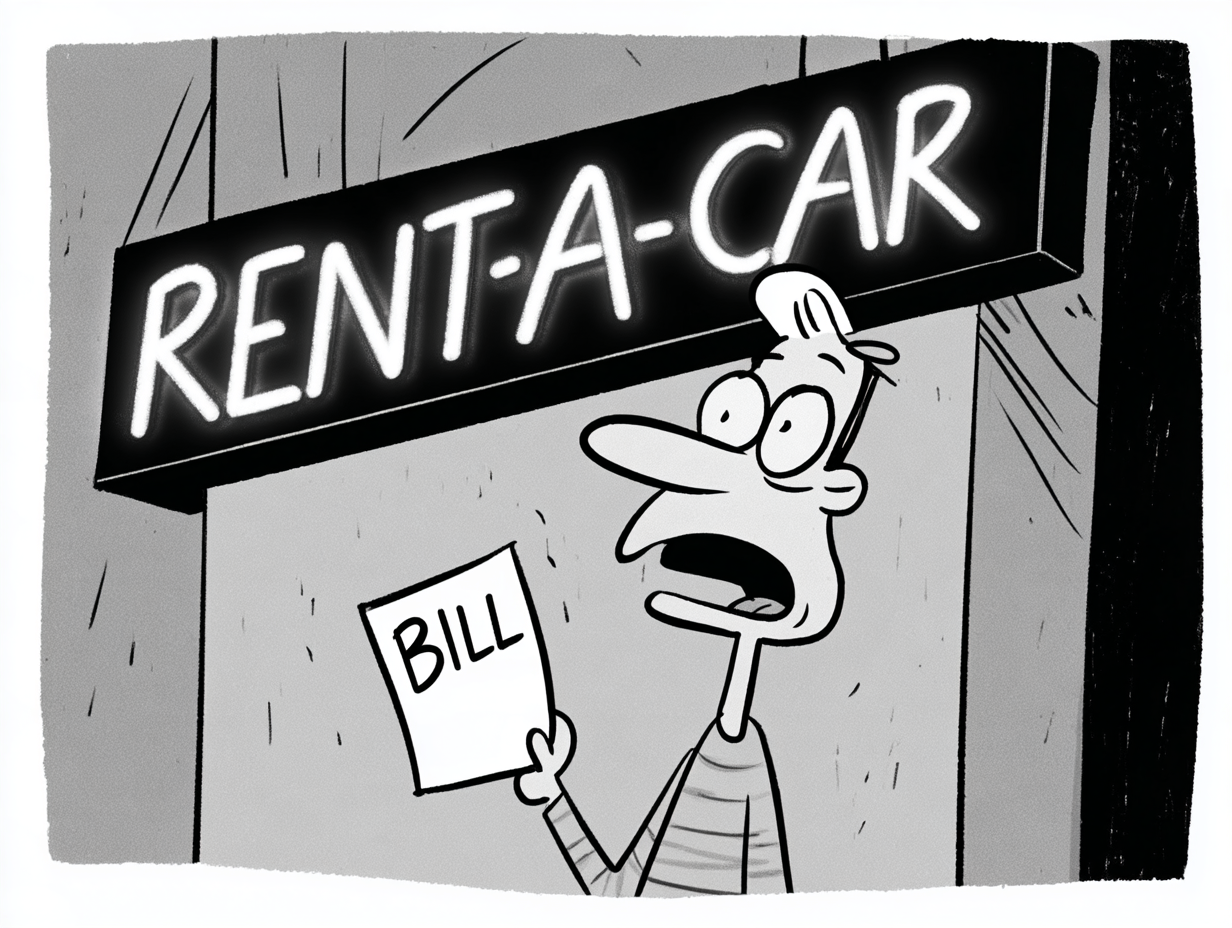
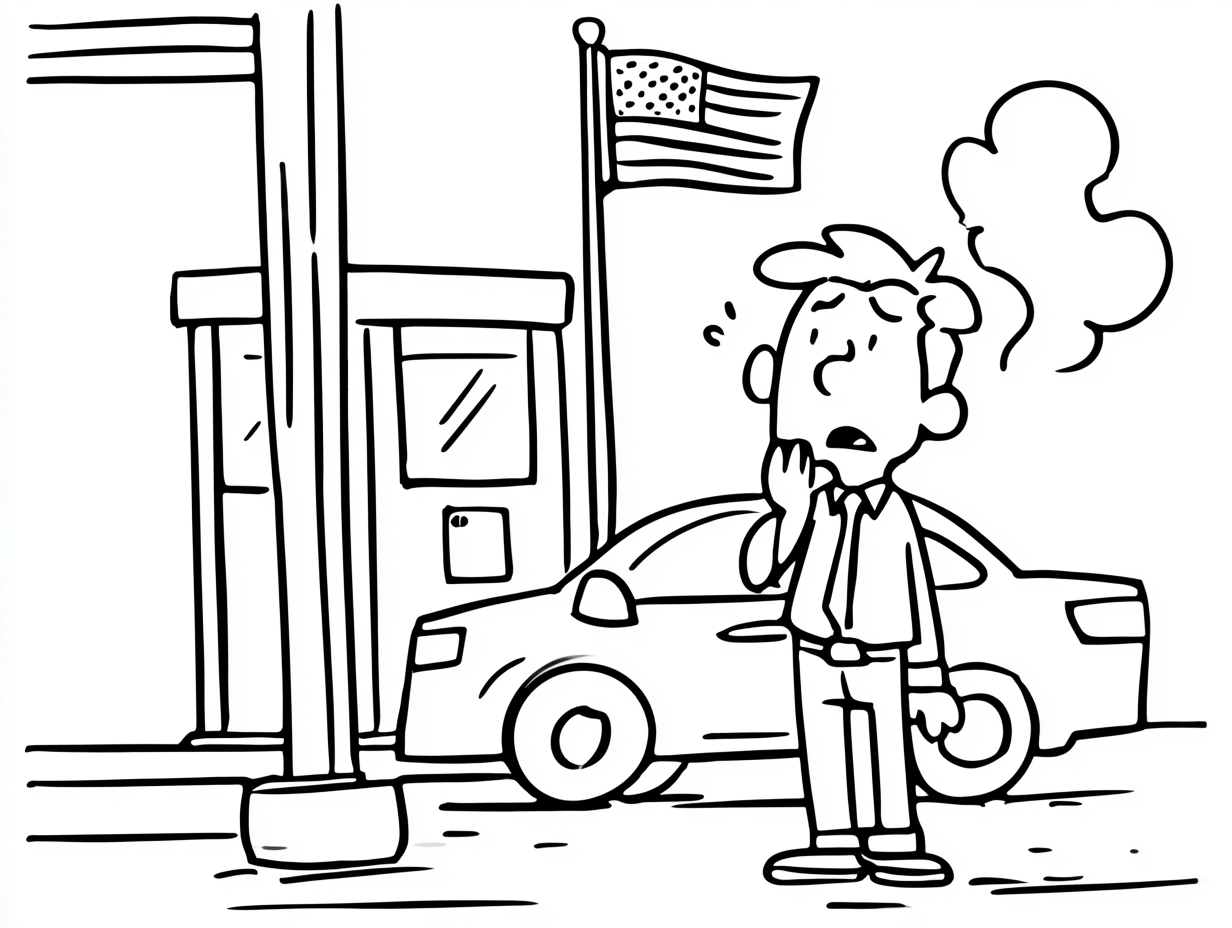
Black and white line cartoon of a worried man standing beside his car with a flat tire on a city street, an American flag flying behind him and steam rising in the air.

America gave the world the gift of travel. Now it’s destroying it.

America gave the world the modern vacation. But as the United States turns 250, it is on the verge of destroying it. The country pioneered the idea that an ordinary person could go somewhere purely for recreation. The long weekend, the affordable plane ticket, the great American road trip, all of them are U.S. exports. It is hard to overstate what this country did for travel: the world’s first national park, the first scheduled passenger airline, the interstate system that birthed a whole roadside culture, and the radical notion that a factory worker with two weeks off deserved a real vacation too. That is the inheritance. Now look at what we are doing with it, the airlines that treat your carry-on as a revenue line, the rental counter that doubles the online price, and a brand-new fee that quietly changed who gets to walk into a forest that is supposed to belong to everyone.

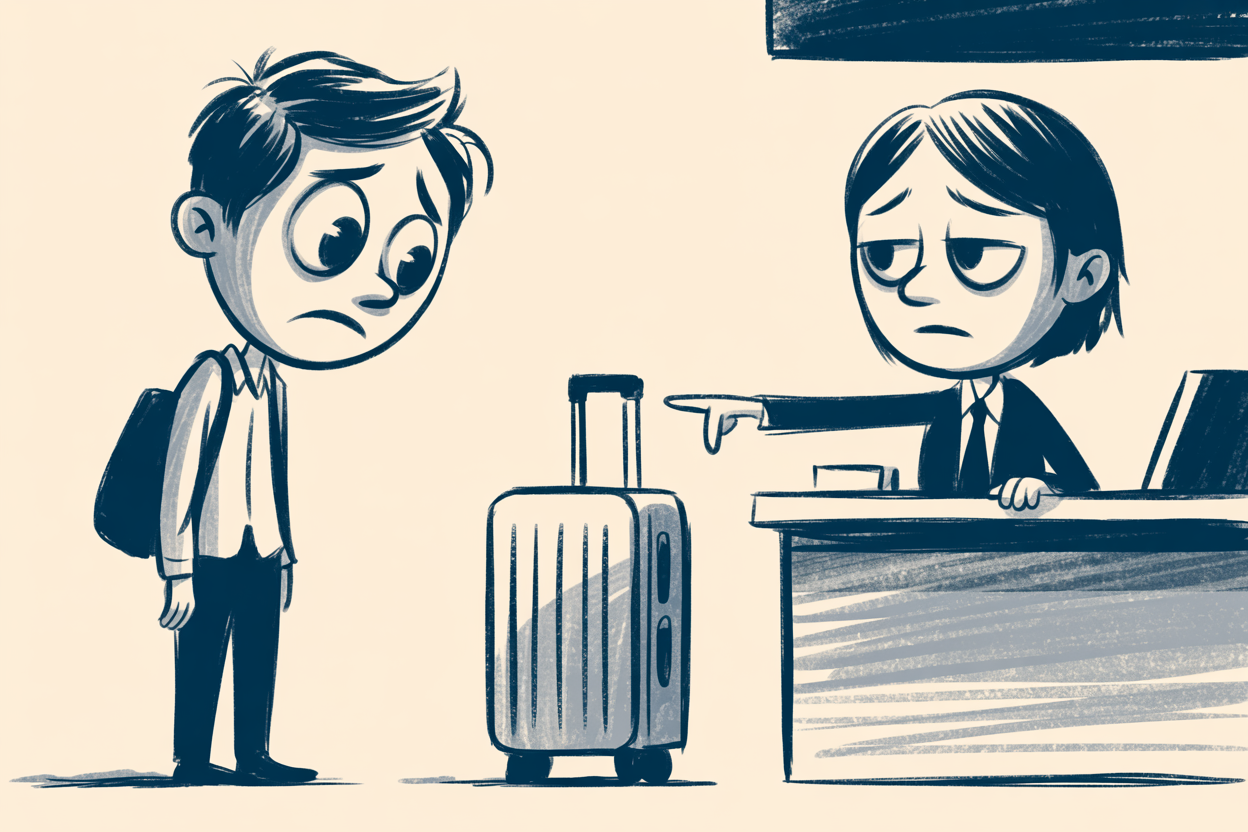
Black and white line cartoon of a puzzled man in a wheelchair on one side of a barrier looking toward a standing woman with a rolling suitcase on the other, suggesting a divide over who boards or pays. Ryanair family seating

Where’s the red line on airline fees?

If you are flying with kids, here is a little good news: you will not have to pay extra to sit together, even on Ryanair, the notoriously fee-crazy Irish carrier. Europe’s largest discount airline adjusted its family-seating policy this week after a UK regulator forced its hand, having spent years charging parents a fee just to sit beside their own children. But it did so “reluctantly,” and that one word says everything about how the industry sees fees in 2026. A fee is not a problem to be fixed. It is territory to be defended. Which raises a bigger question, one that goes well past family seating to the water on a long flight, the bag already in your hand, and the seat you already bought a ticket to sit in. What kinds of fees should be off limits, and is there a line an airline should never cross?

Editorial cartoon showing an anxious traveler in a blue polo shirt grimacing as he stuffs a large purple roller suitcase into an open green airport trash can, with empty seating areas and large glass windows visible in the background, illustrating the increasing trend of travelers abandoning their luggage at airports to avoid baggage fees

The great luggage abandonment: Why travelers are ditching their bags at the airport

Travelers are increasingly abandoning their luggage at airports and hotels to avoid baggage fees that can exceed the value of the bags themselves. Hotels in Tokyo and Osaka now post warning signs about luggage abandonment fees while Narita Airport reportedly stores dozens of unclaimed bags daily. Kansai Airport in Osaka and Chubu Airport in Nagoya report similar pile-ups. Asian carriers known for strict baggage fee enforcement contribute to the trend, along with Japanese tourists buying cheap rolling luggage for shopping trips and abandoning it before flying home. Airports hold abandoned bags 30 to 90 days before disposal.

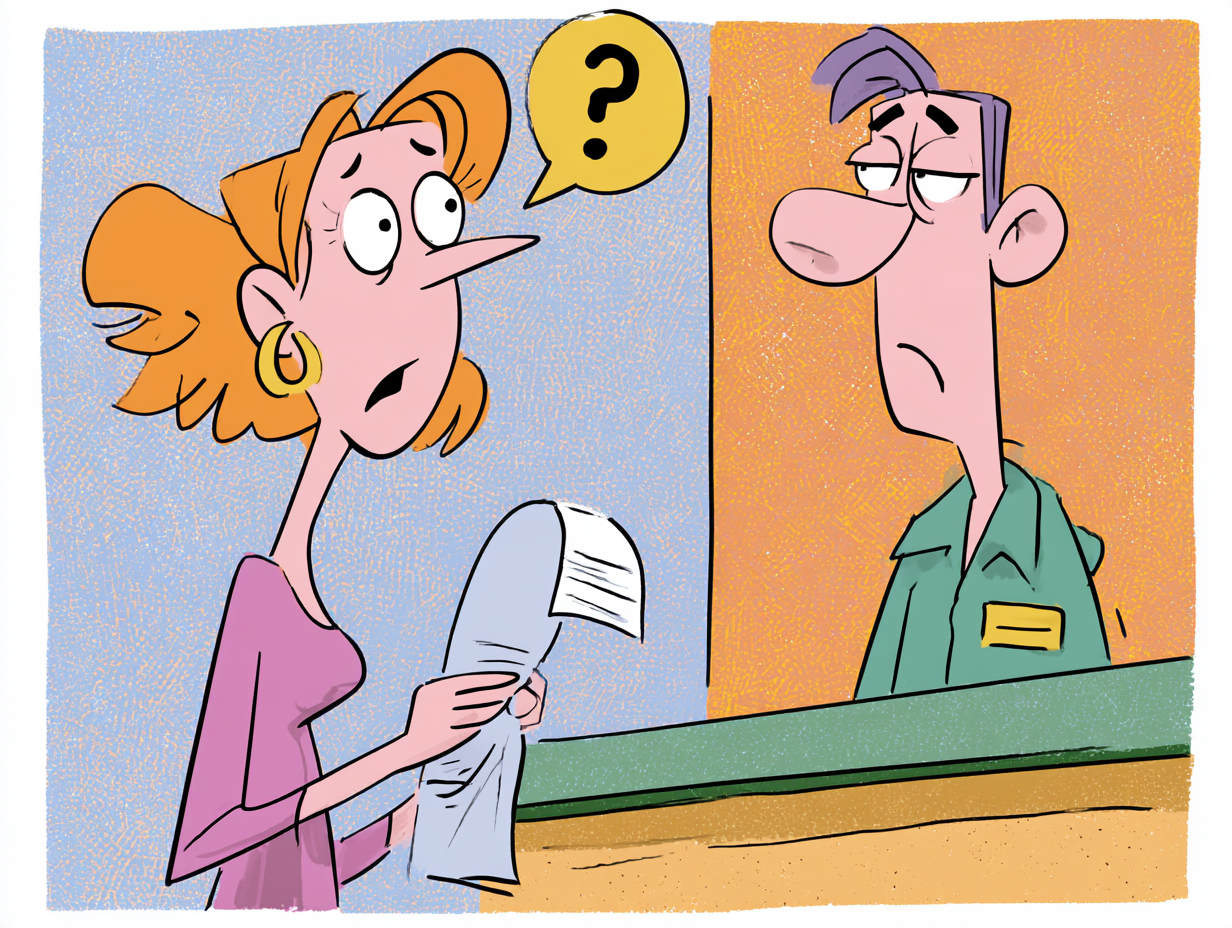
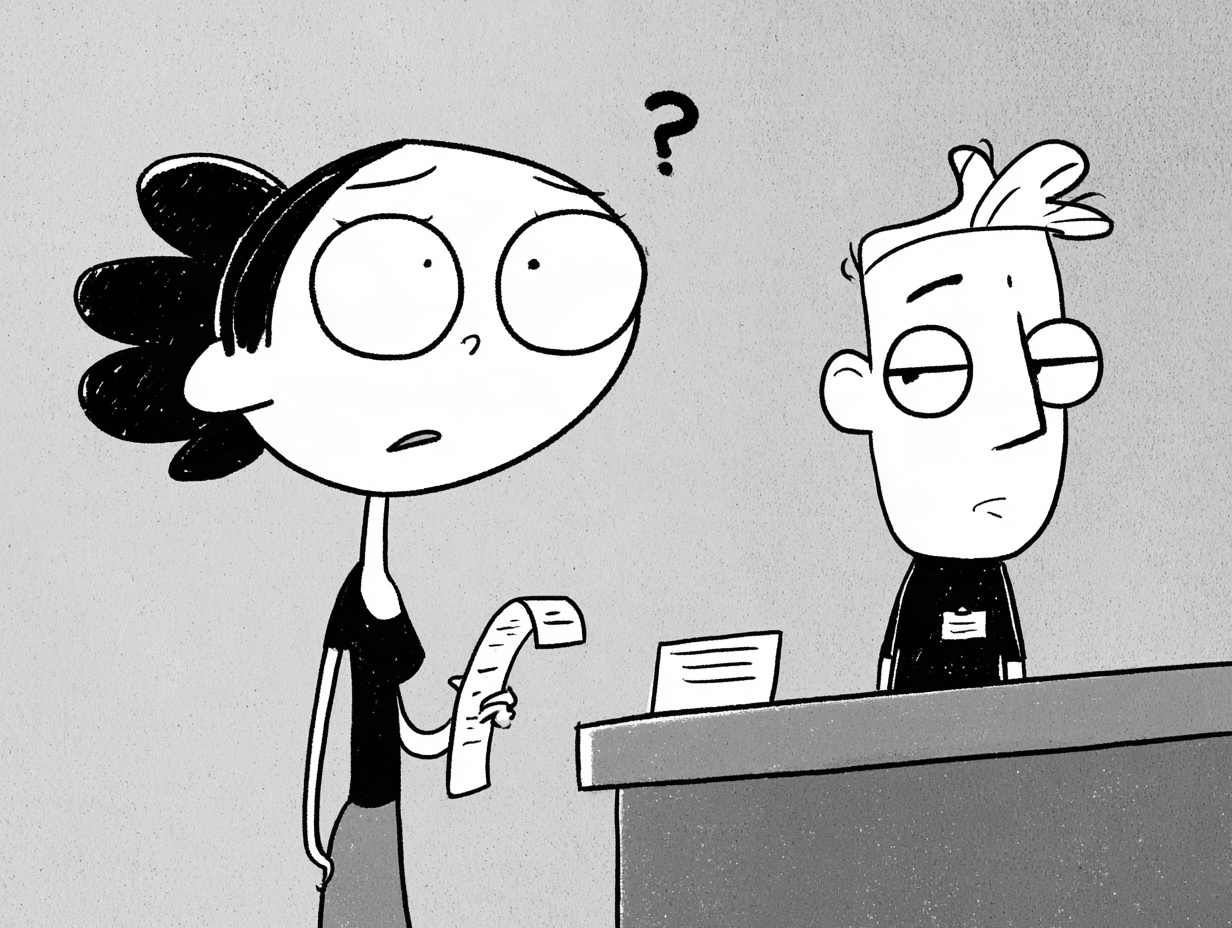
Editorial cartoon showing a confused customer holding out a credit card to a stern rental car counter agent who raises her hand to refuse it, with parked cars visible through the window in the background, depicting how Europcar agents pressure customers into buying duplicate insurance and refuse third-party coverage

Hotels.com and Europcar charged me twice for a one-way rental. Can I get my money back?

Lawrence Signori prepaid Hotels.com $338 for a one-way Europcar rental in Porto, Portugal, with the one-way fee clearly included in his reservation. At pickup, the Europcar counter agent added $155 for the one-way fee, $155 for mandatory Premium Protection insurance, and a $97 Premium Station Surcharge despite his airport reservation. Europcar claimed only $243 of the prepayment was applied to the rental, with the rest going to Hotels.com as commission. Hotels.com initially provided only vague responses about the duplicate charges totaling $407.

Cartoon of a shepherd watching sheep branded with airline logos (Delta, American, JetBlue, Southwest) jump off a cliff, illustrating airlines following each other on fuel surcharges

Your airline is lying to you about fuel surcharges

Airlines sure have a funny way of saying thank you. 

After you spend years obsessively funneling every purchase through their co-branded credit cards and sitting in its cramped economy class seats, you finally go to redeem your “free” flight—only to find a $1,400 bill waiting for you at checkout.