
in this case
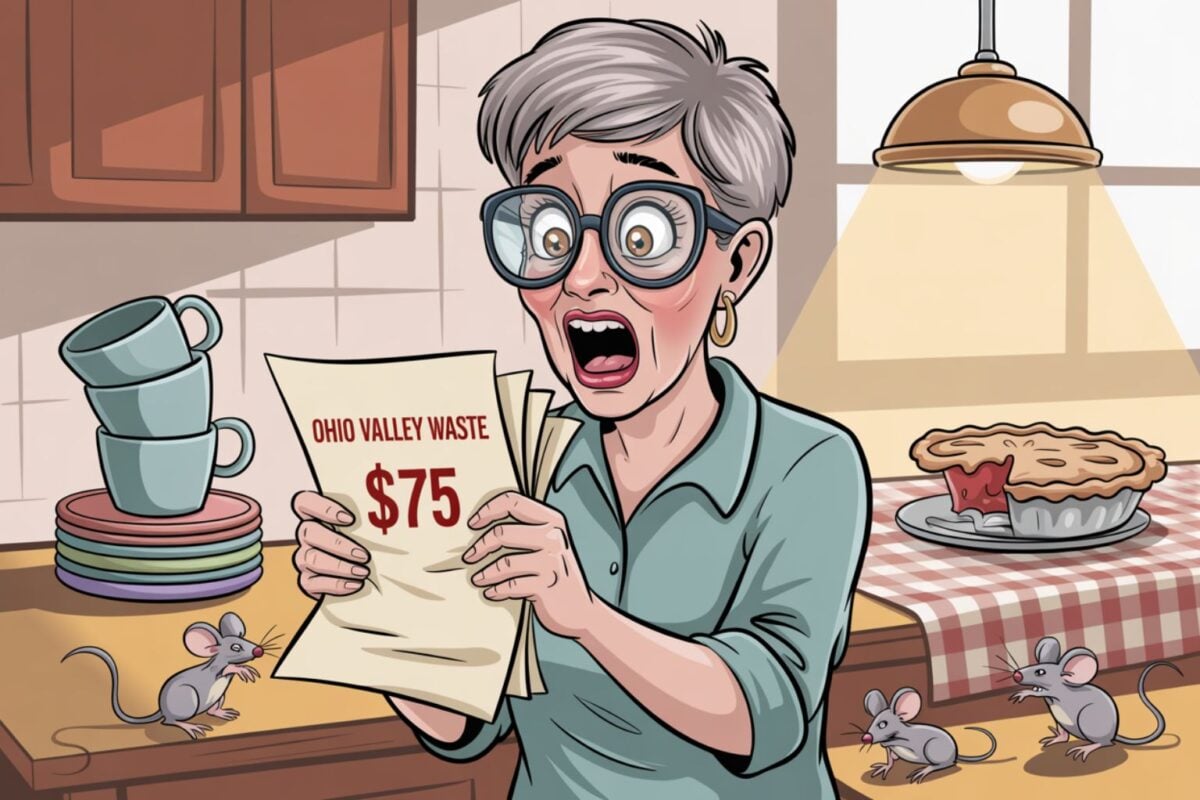
- Audrey Kessler closed on the sale of her home in Ravenna, Ohio, almost six months ago. Ohio Valley Waste continued billing her $75 per month for trash service at the property she no longer owned.
- Kessler called several times and a representative said the account would be closed. She emailed three times. The third time, she got an autoreply saying her message was deleted without being read. The company ignored her calls, emails, and online form submissions.
- Under Ohio’s Consumer Sales Practices Act, billing for services you aren’t receiving is unlawful. Under the Electronic Fund Transfer Act, once you revoke autopay permission, companies must stop pulling money from your account. Kessler could have told her bank to stop the automatic payments.
When Audrey Kessler sells her home in Ravenna, Ohio, the $75 monthly bill from Ohio Valley Waste for trash service doesn’t stop. Even after she called, emailed, and filled out the company’s online form, the bills keep coming. How can she make them end?
Question
I closed on the sale of my home in Ravenna, Ohio, almost six months ago, but Ohio Valley Waste continues to bill me $75 per month for trash service.
I’ve called the company several times and a representative told me the account would be closed. I emailed three times and the third time, I received an autoreply that said my message was deleted without being read.
I want the billing to stop, my autopay canceled, and a refund for the charges since I sold the property. So far, the company has ignored me. Can you help? — Audrey Kessler, Kent, Ohio
We don’t need new regulation, we need compliance with existing regulations. Penalties for deleted emails is a slippery slope, bound to cause all kinds of churn. Who says it was deliberate? System error, capacity issue, genuine mistake. We can’t regulate ourselves into perfection. Report the charge to your bank as unauthorized until it gets stopped.
Read more insightful reader feedback. See all comments.
Answer
You shouldn’t be paying for garbage pickup at a property you don’t own. Once you notify a utility or trash hauler of a home sale, your account should be closed and any future charges stopped. That’s standard practice in the industry.
But in your case, it looks like something went wrong. Your calls slipped through the cracks. Your emails were ignored. And, in one case, a message was deleted without even being read. That’s more than just frustrating — it’s a basic failure of customer service.
It’s rare to see a business ignore a customer so systematically and continue charging for services the customer is trying to cancel. But it’s not unprecedented. Generally speaking, businesses make it easy to become a customer but hard to leave (and in some cases, impossible). Today, Ohio Valley Waste is the poster child for this practice. But tomorrow, who knows?
Fortunately, the law is on your side. Under Ohio’s Consumer Sales Practices Act, it’s unlawful for a business to bill you for services you aren’t receiving. And at the federal level, the Electronic Fund Transfer Act protects you from unauthorized withdrawals. Once you revoke permission for autopay, a company must stop pulling money from your account. If it doesn’t, you can file a dispute with your bank and get the charges reversed. (At the very least, you could have told your bank to stop the automatic payments.)
This is why a paper trail matters. Phone calls can be dismissed, but emails and written correspondence are hard evidence. You had some emails between you and Ohio Valley Waste, but no record of the phone conversations.
Emails give advocates like me something to work with when a company won’t respond. When you sell your next house, don’t just rely on a call to Ohio Valley Waste to close your account. Do it in writing, if possible. Notify your bank, cancel the autopay on your end, and keep copies of every message.
After I reached out to Ohio Valley Waste, your case finally got the attention it deserved. The company closed your account and refunded the charges it deducted after your sale.
Your voice matters
Audrey Kessler sold her home six months ago but Ohio Valley Waste kept billing her $75 per month. She called several times (told account would be closed), emailed three times (third email got autoreply saying message was deleted without being read), and the company ignored everything.
- Should companies be required to confirm account closures in writing within 48 hours of customer requests?
- Should businesses face automatic penalties when they continue billing after customers sell properties?
- Should companies be prohibited from deleting customer service emails without reading them?
What you’re saying
Readers argued we need compliance with existing regulations not new ones, shared horror stories of utilities billing for years after moving out, and questioned why companies can’t run simple audit reports to catch duplicate addresses.
-
Enforce existing laws, don’t add more
Donna S said we need compliance with existing regulations, not new ones. Penalties for deleted emails is a slippery slope. Could be system error, capacity issue, or genuine mistake. We can’t regulate ourselves into perfection. Report unauthorized charges to your bank. Joe X voted no because the issue is enforcing current regulations. New regulations won’t help without enforcement. Gerri Hether said good luck with getting any consumer protection laws with the current regime.
-
Utilities bill for years after you move
emanon256 said when his dad moved out of his rental, the power company kept auto debiting his account. Someone else rented it. He called every month and they said they’d look into it. He had to dispute through the bank monthly. His dad passed almost three years ago and the closed account still gets monthly declined transaction notices from the utility. Mandy joked who knew trash could be so clingy.
-
Simple audit reports would catch this
Tim was surprised Ohio Valley Waste never realized they were taking two payments for one address. How hard is it to run an audit report showing accounts with the same address? Software has had this as a standard report for decades. He also said Kessler should have talked with her bank to cancel autopay or deleted it from her account. Brent Feinberg asked if the advocacy team asks companies why problems fell through the cracks after resolution.

Have a question about this story? Tell us what happened — we read every comment.
Join the conversation