
in this commentary
- Maryland is weighing a first-of-its-kind ban on surveillance pricing for groceries while JetBlue faces a federal lawsuit alleging it uses passenger data to raise fares.
- The FTC documented eight major companies actively using or piloting surveillance pricing powered by third-party data brokers, factoring in location, browsing history, income, and device type.
- Banning surveillance pricing creates a whack-a-mole problem. Algorithms simply migrate to coupons or online purchases where regulators cannot easily see them.
Surveillance pricing is getting a bad rap as an evil scheme to squeeze a few extra dollars from you. Maryland is weighing a first-of-its-kind ban on the practice for groceries. And JetBlue is facing a federal lawsuit accusing it of using passengers’ personal data to raise fares.
But banning surveillance pricing is the wrong approach. Instead, why not fix it?
What surveillance pricing?
Surveillance pricing (sometimes called personalized pricing or dynamic pricing) is what happens when a company uses everything it knows about you to decide how much to charge you.
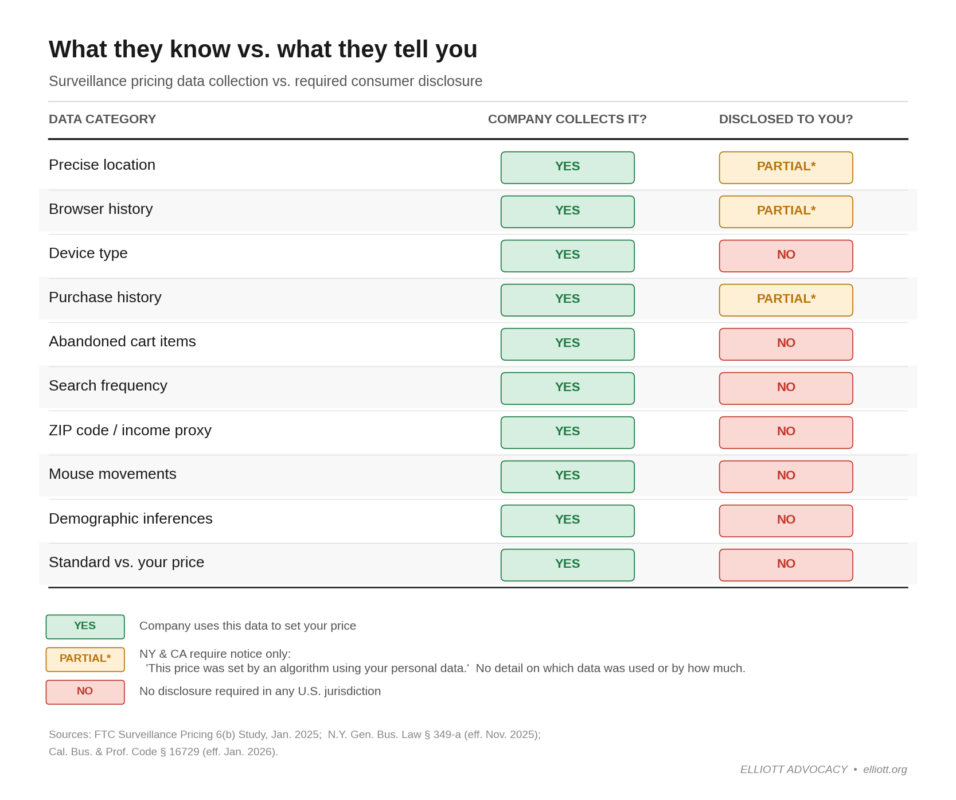
That includes your location, browsing history and income. It might also factor in how often you’ve shopped there and what device you’re using. All of it goes into a model that projects how much you’d be willing to pay.
So, let’s say you searched for flights to Miami three times this week on JetBlue. Congratulations. You may have just told the airline you’ll pay more for that seat.
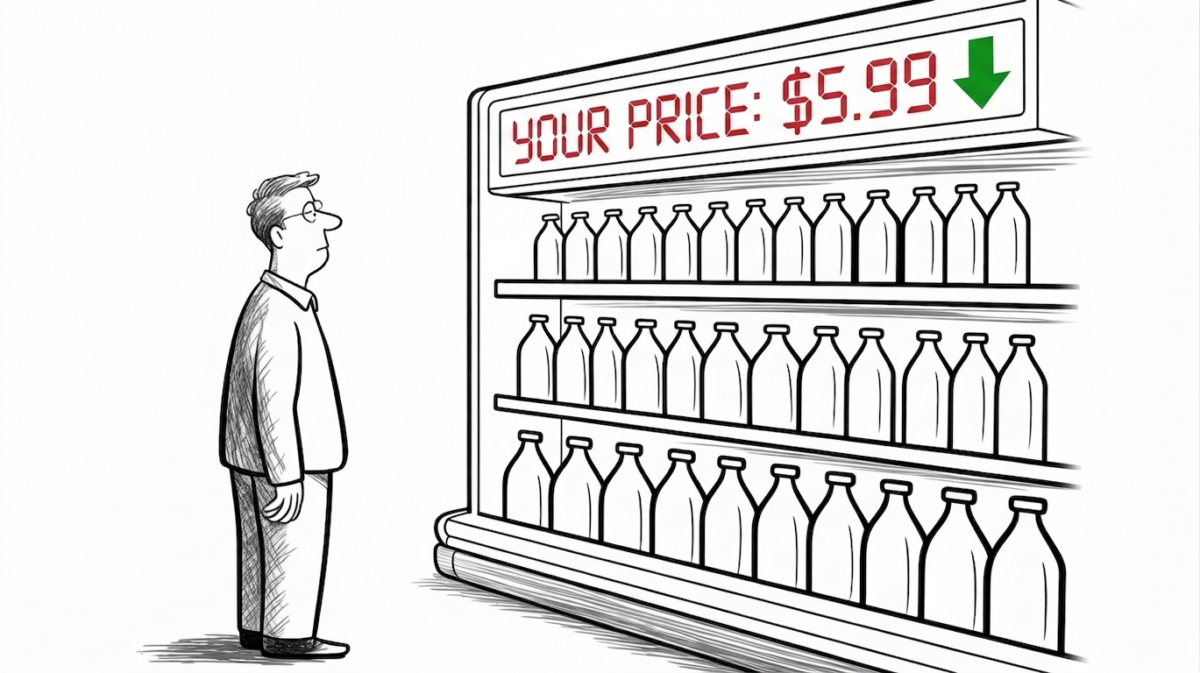
Live in a wealthy ZIP code? Your grocery store’s app may have adjusted the value of your digital coupon before you reach the checkout.
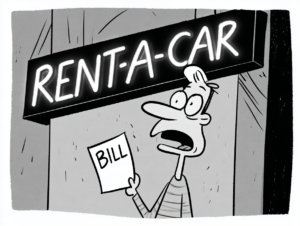
The Federal Trade Commission released a report in early 2025 documenting how eight major companies, including retailers, financial services firms and a car rental company, were piloting or actively using surveillance pricing powered by third-party data brokers.
It is immoral to change the price depending on who is buying. Otherwise, what prevents a business from charging more to Democrats or Blacks or Whites or Republicans? I suspect similar attributes of any potential purchaser are already in the databases.
The solution is not disclosure. It is prohibition. An item costs what it costs regardless of who is buying it. Period.
Read more insightful reader feedback. See all comments.
Here’s what’s wrong with surveillance pricing
The trouble with banning this practice is that it doesn’t fix anything.
Airlines already charge different prices to different customers based on when they book, what loyalty tier they occupy, and which device they’re using. Hotels do it. Rental car companies do it. Online retailers have been doing it for years.
If Maryland bans it at the grocery checkout, the algorithms will simply migrate to a place regulators can’t easily see, away from dynamic price displays at the store and to coupons or online purchases.
It’s like a game of whack-a-mole, and companies have all the resources, so they’ll always win.
It’s time for a pricing transparency principle
Surveillance pricing is enriching businesses at your expense because it’s invisible. Consumers can’t comparison-shop against a price tailored specifically to them unless they know it’s happening.
So here’s what might work.
First, a company should always tell you if it’s using your personal data to create a “custom” or “just for you” price. And it should happen as soon as you start the shopping experience, not as a P.S. later in the process.
Second, a business must disclose exactly what data it used and how it affected your price, before you buy.
And finally, the company needs to disclose the exact type of data it used to determine the price.
It doesn’t have to be complicated. Something like: “Based on your location, search history and purchase behavior, we’re offering you this price.”
These simple requirements would level the playing field.
Give consumers a fighting chance
It comes down to fairness. If you’re allowed to use my data against me, shouldn’t I be able to do the same to your business?
It would be nice if companies revealed how they determine their custom prices, too. Are they considering your ZIP code? Device type? Search frequency? Loyalty status? Browsing behavior?
With that information, a reasonably savvy consumer, or a consumer app, stands a fighting chance against these troublesome pricing practices. They can delete their cookies, switch to a browser that masks their device or use a virtual private network. (Related: Smart hotel room syndrome: Is technology making your accommodations unusable?)
This kind of disclosure has a precedent. It’s what we already demand of lenders under the Equal Credit Opportunity Act, which requires creditors to explain why they denied a loan. We should expect the same transparency from any company that uses a scoring model to set the price we pay.
Fixing surveillance pricing is dead simple: It’s disclosure, disclosure, and more disclosure.
Any company using personal data to set consumer prices must tell you, in plain language, at the point of sale, what data it collected, what data it used to set your price.
If companies believe personalized pricing is efficient and fair, they should have no problem explaining themselves to you or to an appropriate federal regulatory body.
And if they’re not willing to, well, maybe they shouldn’t be doing it.
Your voice matters
Companies are using your location, search history, and device to charge you more. Maryland wants to ban it. JetBlue faces a federal lawsuit. Is transparency a better fix than prohibition?
- Should companies be legally required to disclose at point of sale exactly what personal data they used to set your custom price?
- Should businesses face mandatory penalties for using surveillance pricing without explicit consumer consent and transparent data disclosure?
- Should consumers have the legal right to receive the lowest available price when companies use personal data to determine pricing?
What you need to know about surveillance pricing
Quick answers to the most common questions about surveillance pricing, how companies use your personal data to set prices, and what protections exist or should exist for consumers.
Surveillance pricing, also called personalized pricing or dynamic pricing, is when a company uses everything it knows about you to decide how much to charge you. This includes your location, browsing history, income, shopping frequency, and device type. All of this data goes into a model that projects how much you would be willing to pay for a product or service.
The Federal Trade Commission documented eight major companies including retailers, financial services firms, and a car rental company piloting or actively using surveillance pricing powered by third-party data brokers. JetBlue is currently facing a federal lawsuit alleging it uses passenger personal data to raise fares. Airlines, hotels, rental car companies, and online retailers have been using these practices for years.
Currently, you usually cannot tell. Companies do not disclose when they are using personal data to set your price. Some signs include prices that change when you search multiple times, different prices on different devices for the same product, and personalized coupon values. Try comparing prices using a private browsing window or a different device to spot variations.
Surveillance pricing is currently legal in most jurisdictions, though Maryland is weighing a first-of-its-kind ban on the practice for groceries. The FTC has documented widespread use of these practices but has not banned them outright. Some practices may violate consumer protection laws if they involve deceptive disclosures or discrimination based on protected characteristics. Elliott Advocacy’s coverage of junk fees and pricing tracks related consumer issues.
Consumers can take several steps to limit surveillance pricing exposure: delete browser cookies regularly, use private browsing or incognito mode, switch between browsers that mask device information, and use a virtual private network to hide your location. Compare prices across different devices and login states to spot variations. However, real protection requires transparency laws forcing companies to disclose what data they used.
JetBlue faces a federal lawsuit accusing it of using passengers’ personal data to raise fares, making it the first major airline lawsuit specifically targeting surveillance pricing practices. The case could establish important legal precedents about whether airlines can use customer data without disclosure to set personalized prices. The outcome may shape how all travel companies approach data-driven pricing in the future.
Effective disclosure requires three elements: companies must tell you when they are using personal data to create a custom price, they must reveal what specific data was used, and they must explain how that data affected your price before purchase. This approach mirrors the Equal Credit Opportunity Act, which requires creditors to explain why they denied a loan. Companies confident their pricing is fair should have no problem with these disclosure requirements.
What is surveillance pricing?
Which companies use surveillance pricing?
How can you tell if a company is using surveillance pricing?
Is surveillance pricing legal?
How can you protect yourself from surveillance pricing?
Why does the JetBlue surveillance pricing lawsuit matter?
What disclosure rules should apply to surveillance pricing?

Have a question about this story? Tell us what happened — we read every comment.
Join the conversation