Editorial cartoon showing a confused balding middle-aged man in a white shirt and tie standing on his front lawn looking up at a small light blue mini refrigerator that has been mysteriously returned to his porch steps after being picked up by FedEx, illustrating how third-party seller returns can fail in unexpected ways

Walmart told me to donate my broken refrigerator — then things got strange

Howard Friedman bought a beverage refrigerator from Walmart that did not get cold. After Walmart arranged a return, his replacement came from third-party seller Ca’Lefort and also failed. FedEx picked up the broken refrigerator then mysteriously delivered it back to his porch days later. Ca’Lefort refused returns without original packaging and offered only 50 percent off a replacement. Walmart told him to donate the broken refrigerator to charity and promised a refund that never arrived. Multiple calls produced dropped calls and apologies but no resolution. Federal consumer protections under FTC rules apply even with third-party marketplace sellers.

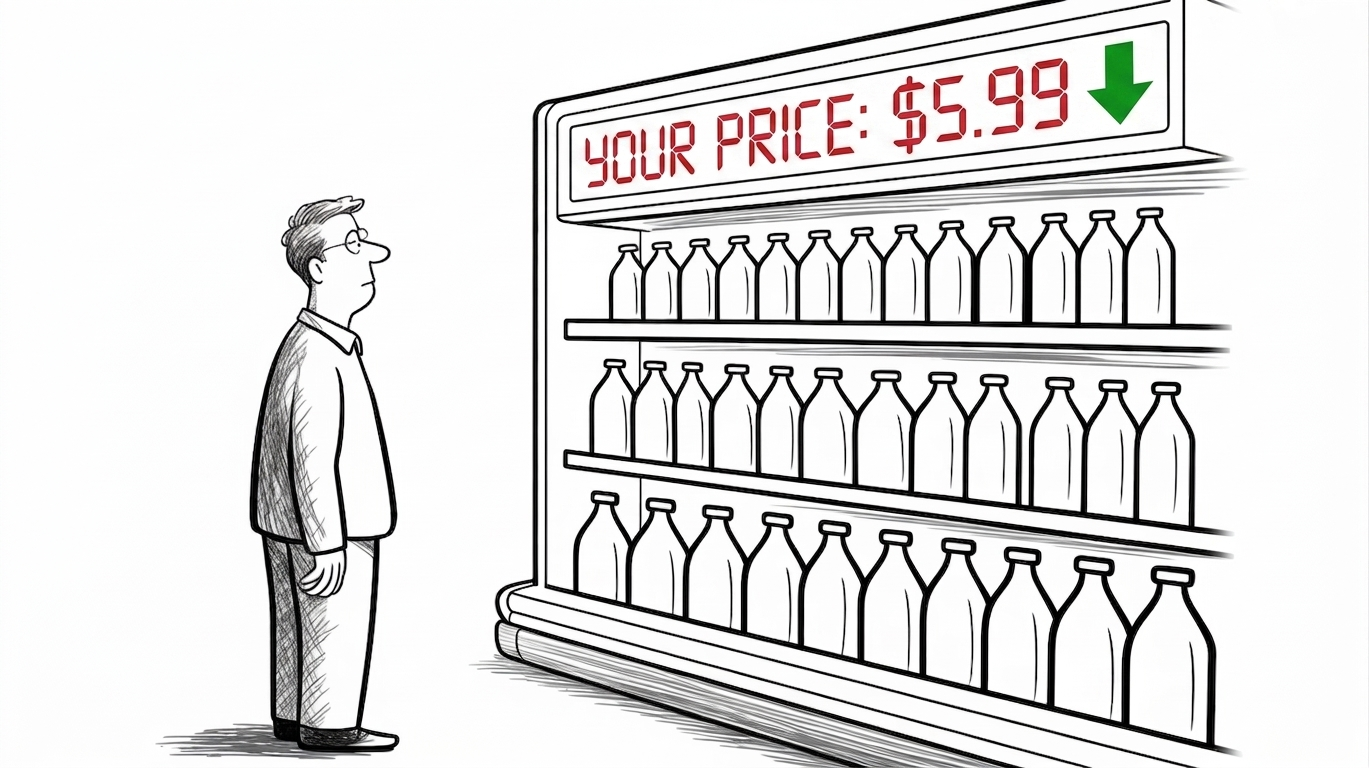
Editorial cartoon showing a man with glasses standing in front of a store shelf filled with bottles, looking up at a digital sign that displays "YOUR PRICE: $5.99" in red LED letters with a green arrow, illustrating how surveillance pricing creates personalized prices based on consumer data

Don’t ban surveillance pricing. Here’s how to fix it.

Surveillance pricing happens when companies use everything they know about you including location, browsing history, income, and device type to decide how much to charge you. The Federal Trade Commission documented eight major companies actively using or piloting surveillance pricing powered by third-party data brokers. Maryland is weighing a first-of-its-kind ban on the practice for groceries while JetBlue faces a federal lawsuit alleging it uses passenger data to raise fares. Disclosure requirements similar to the Equal Credit Opportunity Act would force companies to explain exactly what data they used to set custom prices.

Editorial illustration of an elderly man standing alone at the bright orange wooden door of a blue-toned classic French apartment building with wrought iron balconies, depicting Alan Nathan waiting for his missing luggage in Neuilly-sur-Seine after Luggage Forward and FedEx claimed phantom delivery

Luggage Forward promised to deliver my luggage. Instead, it delivered disappointment!

Alan Nathan paid Luggage Forward $1,400 to ship four bags from Sonoma, California to Neuilly-sur-Seine, France, including his wife’s critical medical equipment. The premium service offered an on-time guarantee promising double the shipping fee for late deliveries. The shipping company asked for documents showing arrival into Ireland despite the clearly stated French address. FedEx then marked the bags as delivered and signed for by someone named Lou Ann, but Nathan’s building has no front desk and the concierge confirmed no contact from any delivery driver.

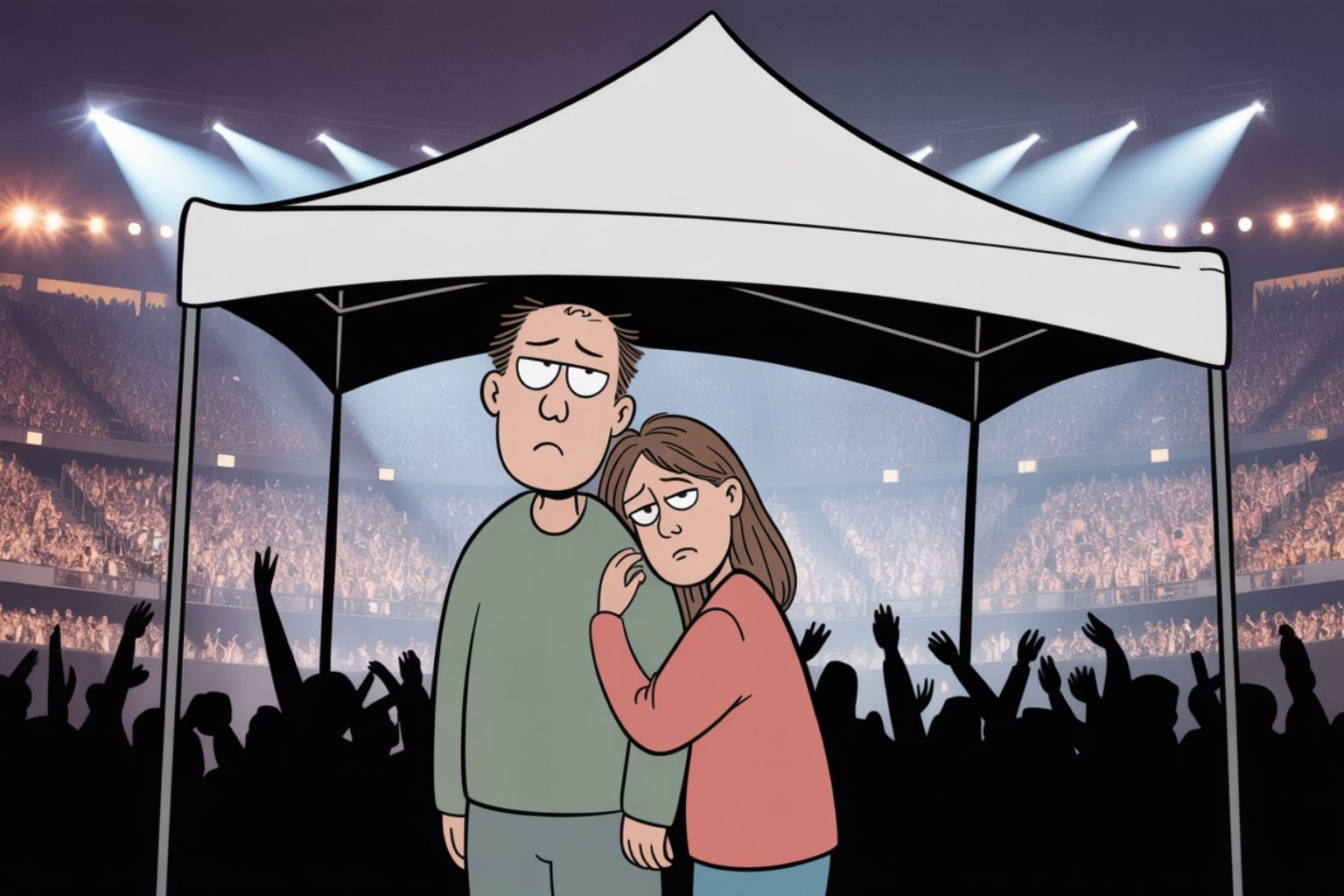
Illustration showing a frustrated couple standing under a large white VIP tent at a concert venue, with the tent blocking their view of the illuminated stage and crowd in the background, depicting how Ticketmaster sold premium second-row seats without disclosing the view obstruction

Ticketmaster sold me “great seats” that turned out to be obstructed. Where’s my refund?

Vincent Manierre paid $475 each for second-row Oasis concert tickets at the Rose Bowl, expecting a clear stage view. A VIP tent blocked one-third of the stage. The tickets were not labeled obstructed view despite Ticketmaster’s stated policy requiring such disclosure. Ticketmaster refused a refund, claiming the event organizer controls refunds but would not reveal who that organizer is. Under Federal Trade Commission rules, selling tickets without disclosing obstructions when company policy promises such labeling can constitute deceptive trade practices.

Travelers are fed up with solicitations.

Review this! Travelers fed up with solicitations

Is it my imagination, or are travel companies getting pushier?

The come-ons include repeated invitations to return to a hotel or restaurant, high-pressure pitches to “like” a company’s Facebook account and urgent requests for positive online reviews. As summer vacations fade into memory, the aggressiveness has never been more obvious.