Cartoon of a distressed woman standing at her front door, hands to her face, as a UPS driver stands by his truck with his hands raised in an empty-handed shrug.

Michael Kors and UPS are playing hot potato with my $687 refund — how do I win?

Lina Mahmoud’s $687 Michael Kors order never showed up. UPS investigated, declared the package lost, and confirmed in writing that the refund should come from the shipper, Michael Kors. That should have settled it. Instead, Michael Kors refused, pointing to a proof-of-delivery photo that, she says, does not clearly show her package at all. She was told the claim was denied and that this was the final answer, and when she kept pushing, she says customer service agents began disconnecting her live chats. She was left feeling as though the company now viewed her as a fraud, caught in a game of corporate hot potato: the carrier says the retailer owes the money, the retailer hides behind a questionable image, and the customer is stuck in the middle. It is a stark reminder of how much the burden of proof can fall on the shopper when a package goes missing, and of what recourse you really have when the standard customer-service channels simply stop answering.

Cartoon of an exasperated woman in an apron standing hands-on-hips in her kitchen beside her wide-eyed cat, both staring at a green refrigerator with a taped-on "OUT OF ORDER" sign.

Sears left me without a refrigerator for six months—how do I fix this?

Karen Plaskon’s refrigerator died in February. That should not have been a crisis, because she had paid for a Sears Master Protection Agreement, the whole point of which is to make a failure like this someone else’s problem. Sears approved a replacement in April. Then the real ordeal began. The Frigidaire she ordered was canceled over delivery delays. Sears suggested a GE model in June. That one did not show up either. She spent hours on the phone, shuffled between departments that blamed vague “manufacturing delays,” while retailers like Costco were delivering refrigerators in days. Years earlier, Sears had settled a similar problem by simply cutting her a check. This time, it said that option no longer existed. Six months in, she still had no working refrigerator and no clear answer, just the question of what a protection plan is actually worth when the company that sold it decides to stall.

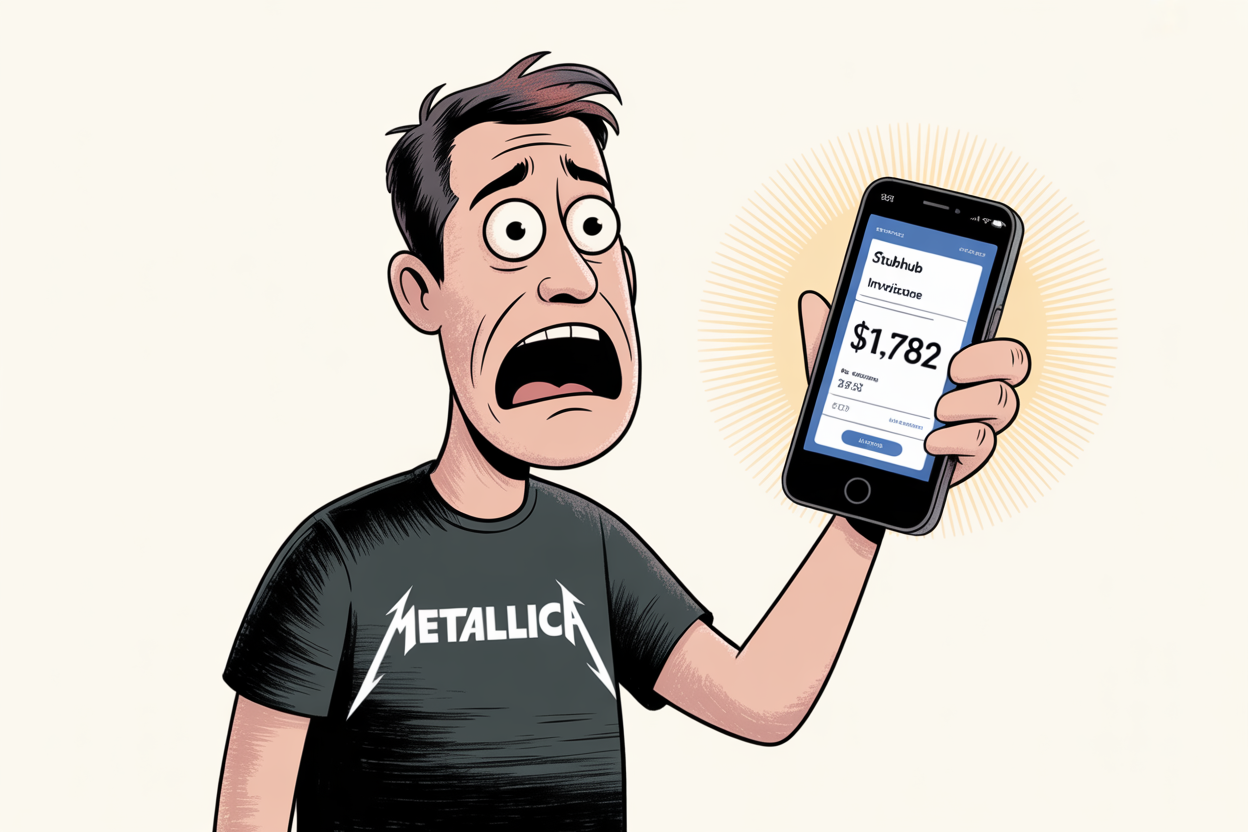
Cartoon of a distressed man in a Metallica T-shirt staring at his phone, which displays a glowing StubHub invoice for $1,782.

My buyer made a big mistake, so why did StubHub charge me $1,782?

Mark Christensen had sold tickets on StubHub for more than 20 years, so he knew the drill. He listed a pair of two-day Metallica tickets, found a buyer, and transferred them exactly the way StubHub requires. For this tour, a single transfer covered both nights. The buyer used the tickets the first night without a hitch. Then things went sideways. Instead of trying the same tickets at the gate the second night, or asking anyone, the buyer assumed they needed a separate transfer and bought brand-new tickets. And that is when StubHub dropped the hammer, on Christensen. It sided with the buyer, withheld his payout, charged his card for the buyer’s new tickets, and even clipped an unrelated sale, a total of $1,782 for a mistake he did not make. Here is the standard worth holding any marketplace to when its guarantee is supposed to protect sellers too.

Cartoon of a disappointed concertgoer holding a ticket stub while standing in a packed crowd far from a brightly lit stage where performers appear as tiny distant figures.

SeatGeek promised first-row seats. I got section G instead!

Sean Thomas paid SeatGeek $2,744 to see The Weeknd, and the listing made the value clear: premium floor seating in the first five rows, plus a special VIP merchandise bundle. Then the tickets arrived. They were for Section G, a long way back from the stage, and the VIP package did not match the terms SeatGeek’s own rules require. When he complained, the answers kept shifting. First a representative told him “first five rows” actually meant a general zone, not literal rows. When he disproved that, the company redefined the stage itself, suggesting runways now count as part of it, and then uploaded a brand-new seat map after he filed his complaint. His Buyer Guarantee was supposed to protect him against exactly this. What happened when he invoked it, and what SeatGeek finally said about his $2,744, is where the case turns.

Line-art cartoon of an annoyed woman standing on her front steps with a hand to her head, watching a delivery van drive away down her suburban street.

Shein sent my package to my old address after I requested a return. Can I get a refund?

Alyssa Klenotich placed a $153 Shein order, then realized the site had autofilled her old address. She tried to fix it on the Shein website, but it was too late for the company to change anything. So she went to the carrier, SpeedX, and asked it to return the package to the sender so she could get a refund, and SpeedX accepted the request in writing. Then it delivered the package to the old address anyway, and her items were gone. SpeedX kept sending her form responses telling her to talk to the merchant, and she could not see why a loss the carrier caused was suddenly her problem to chase. Here is the principle worth knowing when a shipment goes sideways: you almost always go back to the merchant first, because that is the company you have a contract with and the one that hired the shipper, and the seller, not the carrier, is the party with the authority to issue your refund.

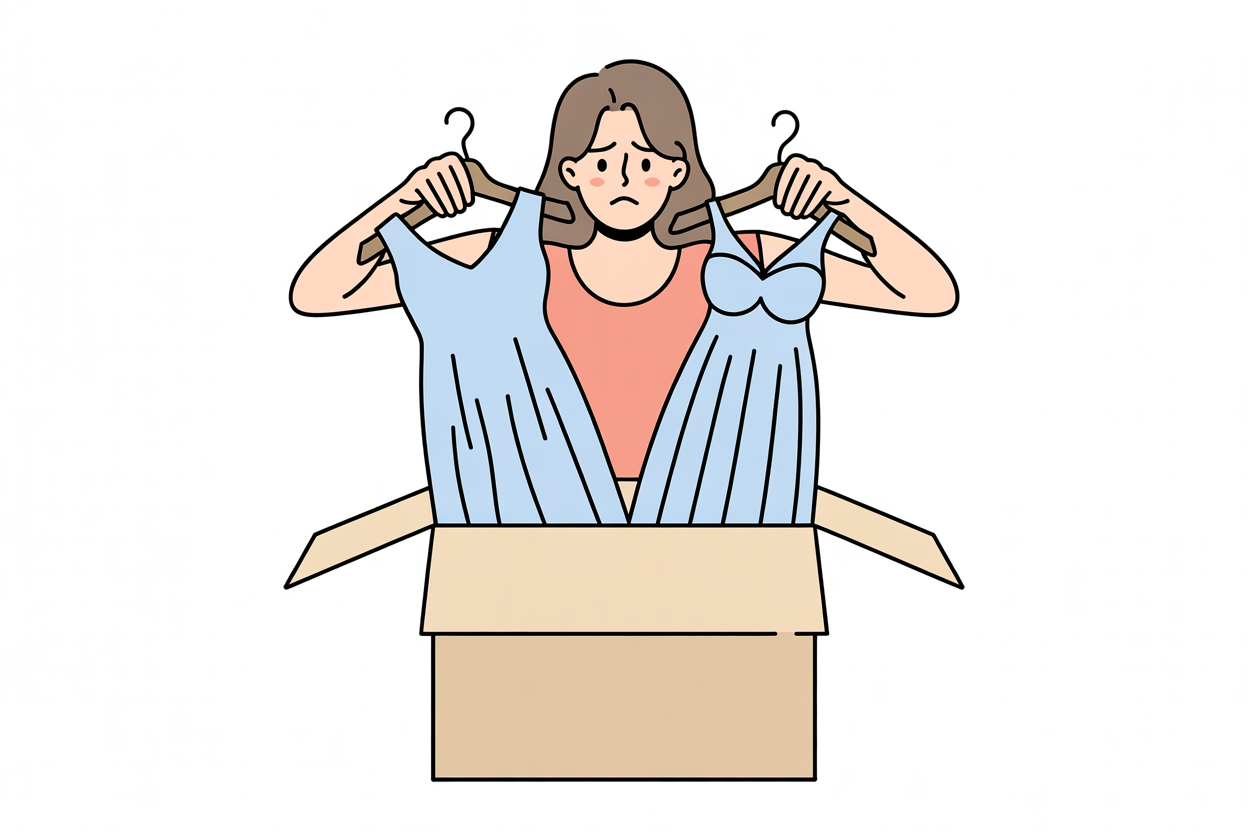
Illustration of an unhappy woman holding up two pale blue dresses on hangers over an open cardboard shipping box, preparing to return the gowns she ordered online.

I returned $3,990 in designer dresses — then my refund vanished

Debbie Rivet ordered the same evening gown from the London designer Safiyaa in two sizes, the Serendipity Pale Blue Long Dress at $1,995 each, planning to keep whichever fit and send back the other. When the dresses arrived, the fitted style was wrong for her occasion, so she requested a return authorization, shipped both back by FedEx, and kept the receipts proving delivery. Then she waited for her refund. And waited. Her follow-up emails went unanswered, the phone line dropped to voicemail and disconnected, and when she filed a dispute with Capital One the bank reversed its initial credit, saying too much time had passed. There is a rule worth committing to memory before you give a silent company the benefit of the doubt: under the Fair Credit Billing Act, you generally have only 60 days from the statement date to dispute a charge in writing, and the longer you wait for a reply that may never come, the closer that protection slips toward expiring.

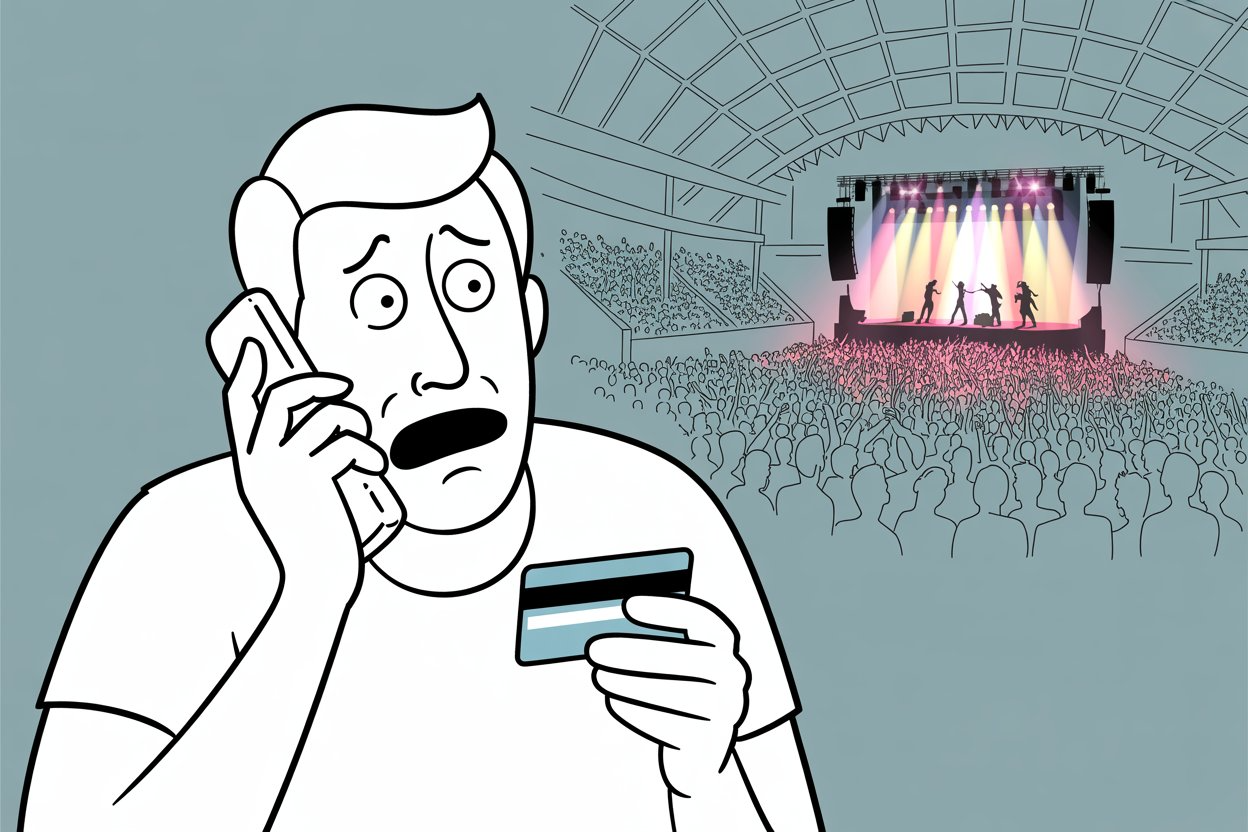
Illustration of a worried man on the phone holding a credit card while a concert crowd watches performers on stage, representing a StubHub ticket refund dispute.

This StubHub rep’s “help” with Coldplay tickets cost me $3,000!

Paul Avron’s daughter bought three Coldplay tickets at Hard Rock Stadium in Miami for $1,027, nine months before the show, as a birthday gift for her best friend and the friend’s dad. On the day of the concert, the StubHub app said the tickets were being released, but they never appeared. With the show already starting, the family called StubHub in a panic and asked for the tickets or replacements so the group could get in. The last representative refused to provide replacement tickets and said they had to buy new ones, promising StubHub would refund the original $1,027. The rep said he saw three tickets for just $1 more than the original purchase and sent a link. The tickets were actually $1,000 each, and StubHub charged the credit card $3,000. The family disputed the charge with their credit card company and contacted StubHub directly, but both representatives said they would not credit the account. The family never accepted or used the expensive tickets and never attended the concert. StubHub’s FanProtect Guarantee promises valid tickets or your money back, and says StubHub will find comparable replacement tickets when possible.

Editorial cartoon of a disappointed woman with shoulder-length hair resting her chin on her hand while holding up a smartphone showing the orange StubHub app, seated at a table against a pink wall with a vintage-style concert poster for The Lumineers hanging on the wall behind her, illustrating a frustrated concertgoer who received the wrong tickets and struggled to get a refund through StubHub's confusing return policy

Help! StubHub’s confusing ticket return policy cost me $1,176

Sharon McMonagle paid $1,176 for four club section tickets to a Lumineers concert through StubHub. The confirmation email included no seat numbers, and the day before the show StubHub sent tickets for a completely different section with no club access. StubHub asked her to accept the wrong tickets and transfer them back, which she feared would lock her into ownership. An agent told her to send a screenshot proving she had not accepted the tickets. After 45 days, StubHub said she would receive nothing because she had not returned the tickets through Ticketmaster, tickets she never accepted in the first place. StubHub advertises a FanProtect Guarantee promising that buyers who do not receive the tickets they ordered will get comparable replacements or a full refund.

Editorial cartoon showing a confused balding middle-aged man in a white shirt and tie standing on his front lawn looking up at a small light blue mini refrigerator that has been mysteriously returned to his porch steps after being picked up by FedEx, illustrating how third-party seller returns can fail in unexpected ways

Walmart told me to donate my broken refrigerator — then things got strange

Howard Friedman bought a beverage refrigerator from Walmart that did not get cold. After Walmart arranged a return, his replacement came from third-party seller Ca’Lefort and also failed. FedEx picked up the broken refrigerator then mysteriously delivered it back to his porch days later. Ca’Lefort refused returns without original packaging and offered only 50 percent off a replacement. Walmart told him to donate the broken refrigerator to charity and promised a refund that never arrived. Multiple calls produced dropped calls and apologies but no resolution. Federal consumer protections under FTC rules apply even with third-party marketplace sellers.