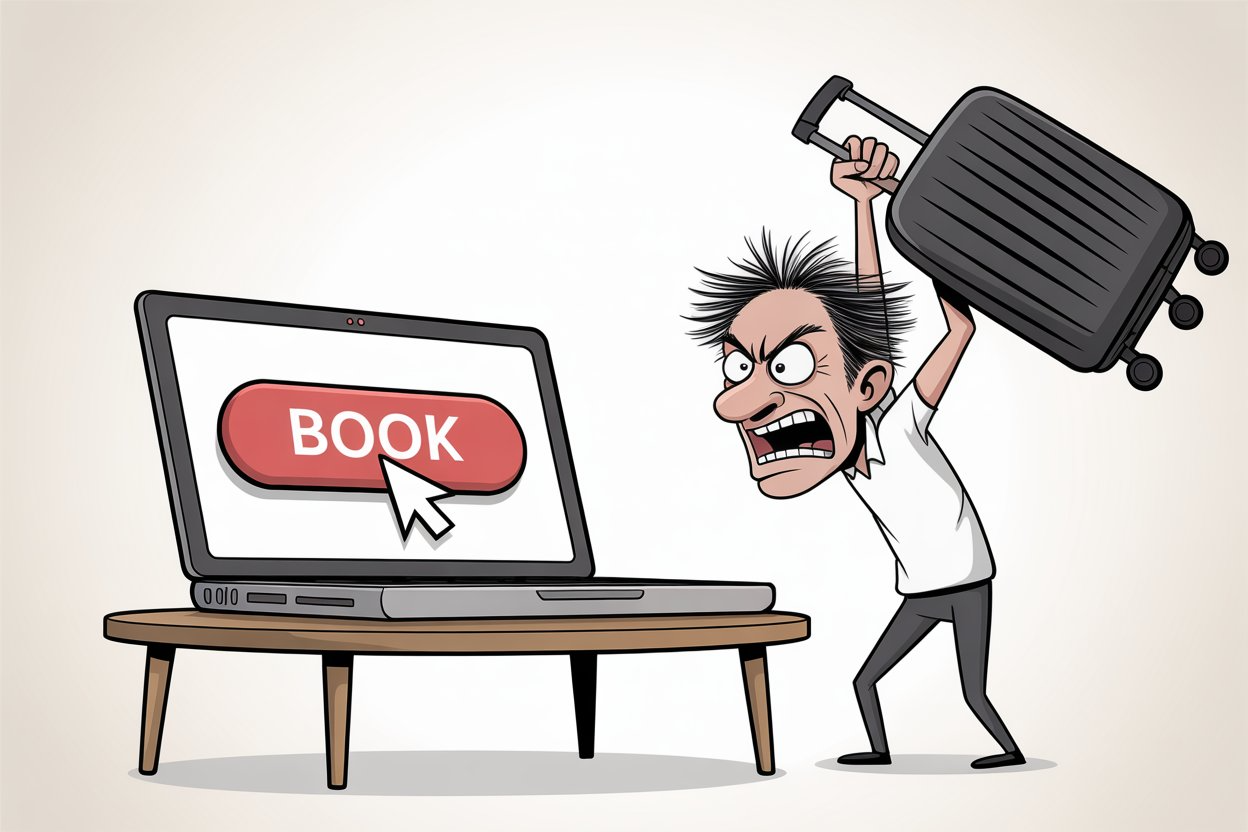
Cartoon of a furious, wild-haired traveler raising a suitcase overhead as if to smash a laptop that displays a large red "BOOK" button on its screen.

Are you rage-booking your next vacation? Here’s how to stop

It was a $12,000 vacation to Bali, booked late one night after a stressful business meeting. Sydney Ceruto, a neuropsychologist, remembers it well, because it happened to one of her patients. “She told me later she didn’t even want to go,” Ceruto says. “She just needed to feel like she was escaping.” We are living in the age of rage-booking, the impulsive travel purchase driven by exhaustion, anger, or heartbreak rather than any real desire to see a place. More than half of American travelers say they feel exhausted, and a striking share admit they have booked a trip purely to get away from their lives. It is reshaping how the whole industry sells to you, and some companies have figured out exactly how to profit from your worst, most depleted moments. The question is whether you can catch yourself before you click, and there are clearer warning signs than you might think.

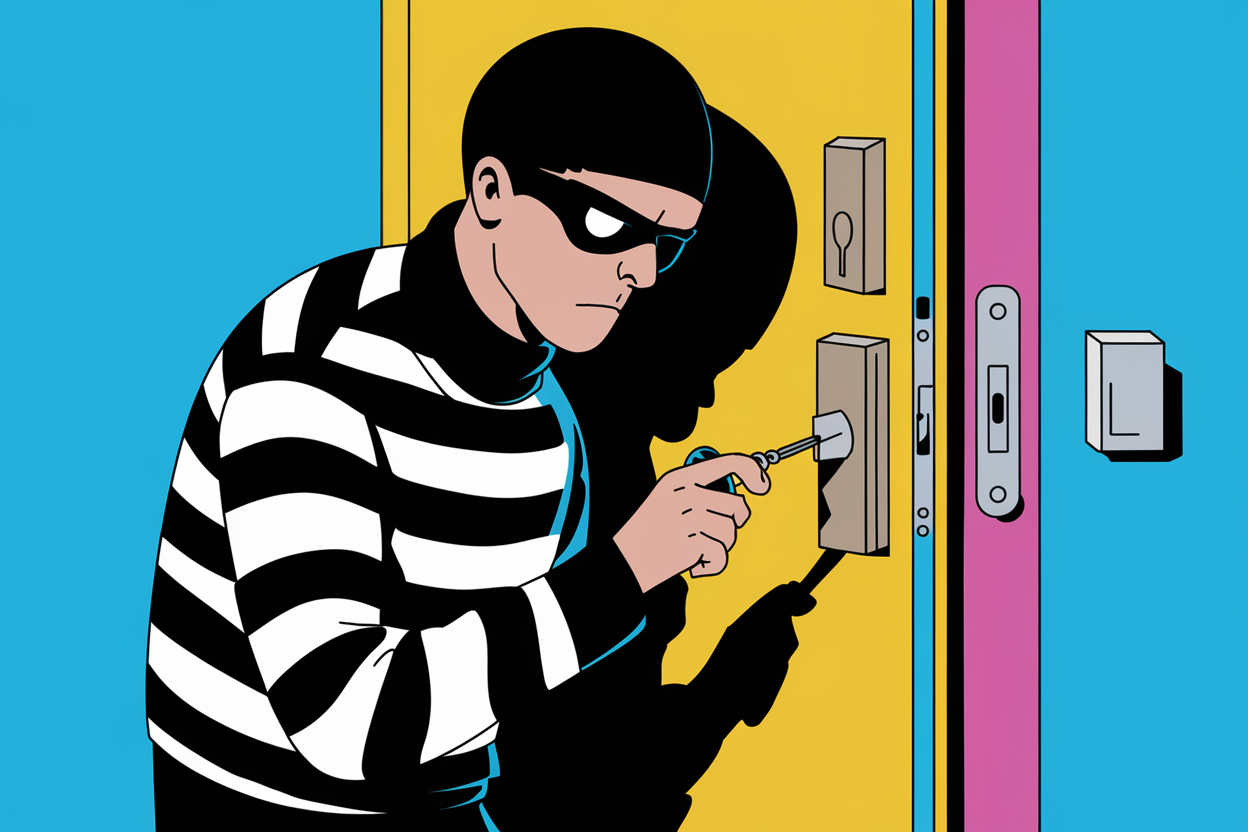
from leaving the tv on to packing door alarms, travelers are getting innovative about hotel room security. learn how to enhance your safety on the road.

New ways to make your hotel room safe

Walter Meyer is so concerned about hotel safety that he always brings Dave along. Dave is not real. Whenever Meyer leaves his room, he turns the TV on low, preferably a talk show, so anyone listening at the door hears voices and assumes the room is occupied. On his way out he calls back to the empty room, “Dave, are you sure you don’t want anything? Okay, I’ll be back in a little bit.” The idea is to make a watcher believe someone is inside and will return soon, even when no one is. Meyer is not alone in getting inventive. Safety now ranks at the top of travelers’ concerns, and the strategies people use range from the charmingly low-tech, like Dave, to a small kit of gadgets the savvy traveler never packs without. Security experts and hoteliers say there are specific, simple moves that make a room far harder to breach, starting with the things you can do before you even unlock the door.

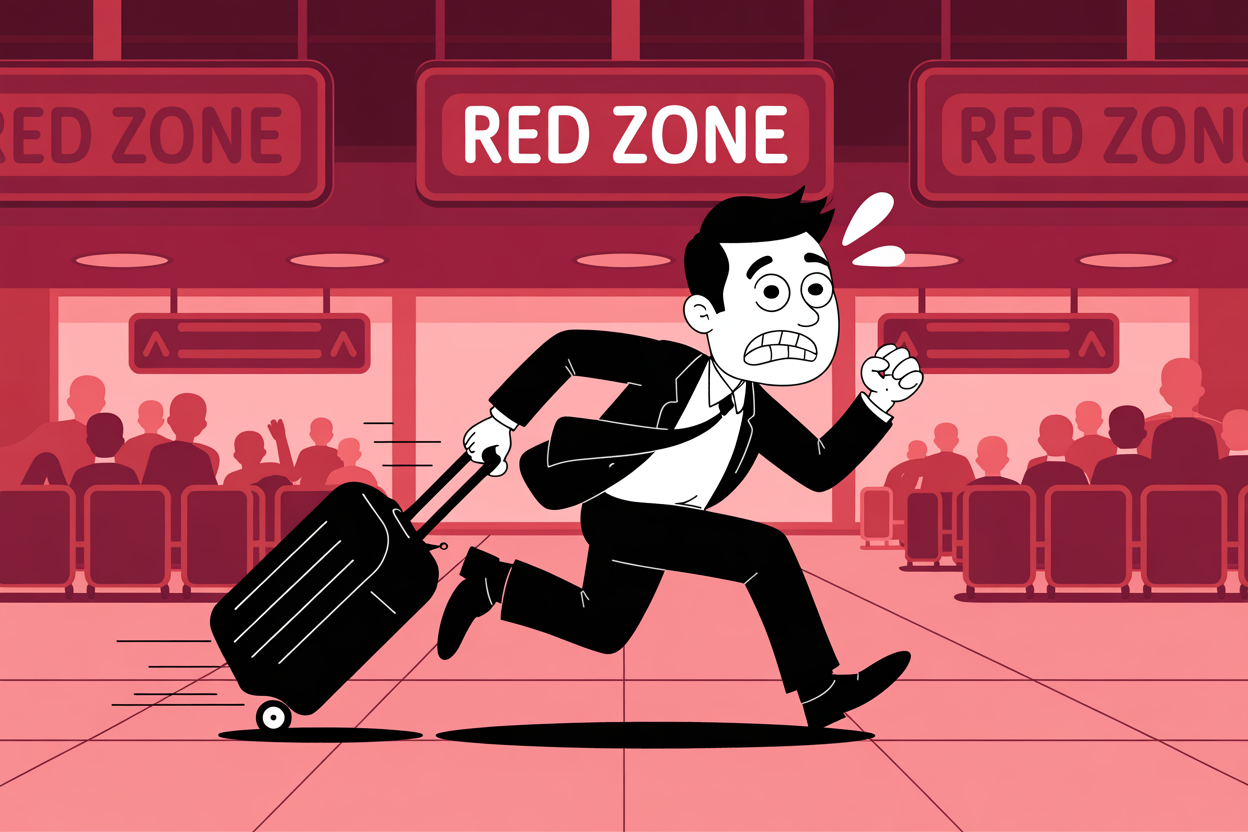
Cartoon of a panicked business traveler in a suit sprinting through an airport terminal dragging a rolling suitcase, with large RED ZONE signs overhead and a tense crowd waiting behind him.

The red zone: Why this part of air travel makes even the pros lose it

The red zone is that anxious stretch from your front door to your airplane seat, where normal people turn into nervous wrecks. It is a blur of high-stakes, time-sensitive decisions that overloads your brain, and it is stressful enough that most couples in one recent survey called travel the ultimate relationship test. It has even given rise to the airport divorce, where partners deliberately separate after security just to avoid an argument. We have all seen it: the passenger shouting at a gate agent over a delay, the family sprinting through the terminal with shoes half on, the quiet sob at the gate when a flight is canceled. With air travel booming this summer, the red zone is only getting more intense. There is real science behind why a security line can hijack your nervous system, and the surprising part is that even the most seasoned travelers, the ones with passports full of stamps, are not immune to it.

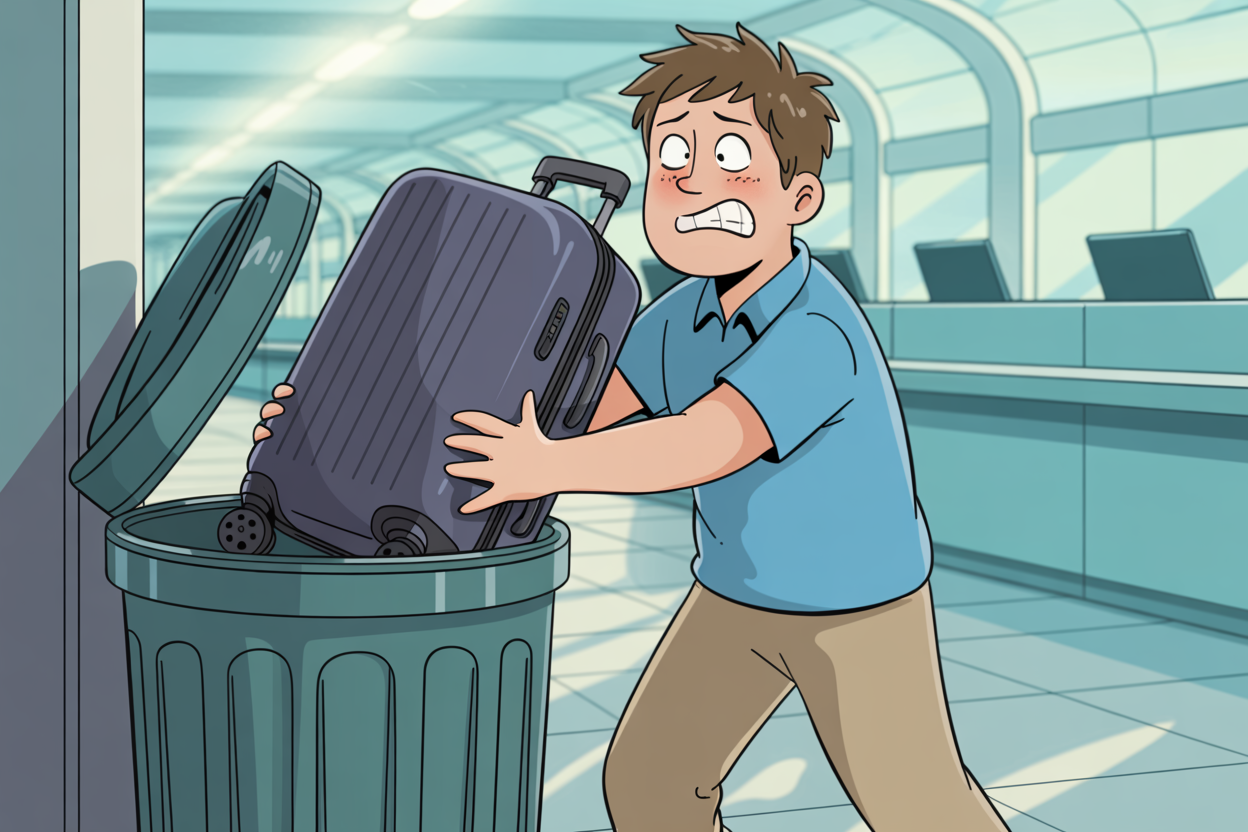
Editorial cartoon showing an anxious traveler in a blue polo shirt grimacing as he stuffs a large purple roller suitcase into an open green airport trash can, with empty seating areas and large glass windows visible in the background, illustrating the increasing trend of travelers abandoning their luggage at airports to avoid baggage fees

The great luggage abandonment: Why travelers are ditching their bags at the airport

Travelers are increasingly abandoning their luggage at airports and hotels to avoid baggage fees that can exceed the value of the bags themselves. Hotels in Tokyo and Osaka now post warning signs about luggage abandonment fees while Narita Airport reportedly stores dozens of unclaimed bags daily. Kansai Airport in Osaka and Chubu Airport in Nagoya report similar pile-ups. Asian carriers known for strict baggage fee enforcement contribute to the trend, along with Japanese tourists buying cheap rolling luggage for shopping trips and abandoning it before flying home. Airports hold abandoned bags 30 to 90 days before disposal.