
in this commentary
- A neuropsychologist describes a patient who booked a $12,000 trip to Bali late one night after a stressful meeting. She did not even want to go. She just needed to feel like she was escaping.
- It has a name now, rage-booking, the impulsive travel purchase driven by stress, anger, or heartbreak rather than genuine wanderlust, and surveys suggest a striking share of travelers have done it.
- There are clear warning signs that you are about to do it, real reasons your stressed brain reaches for the booking button, and a few simple ways to stop yourself before the charge goes through.
It was a $12,000 vacation to Bali, booked late one night after a stressful business meeting.
Sydney Ceruto, a neuropsychologist, remembers it well, because it happened to one of her patients.
“She told me later she didn’t even want to go,” says Ceruto, “She just needed to feel like she was escaping.”
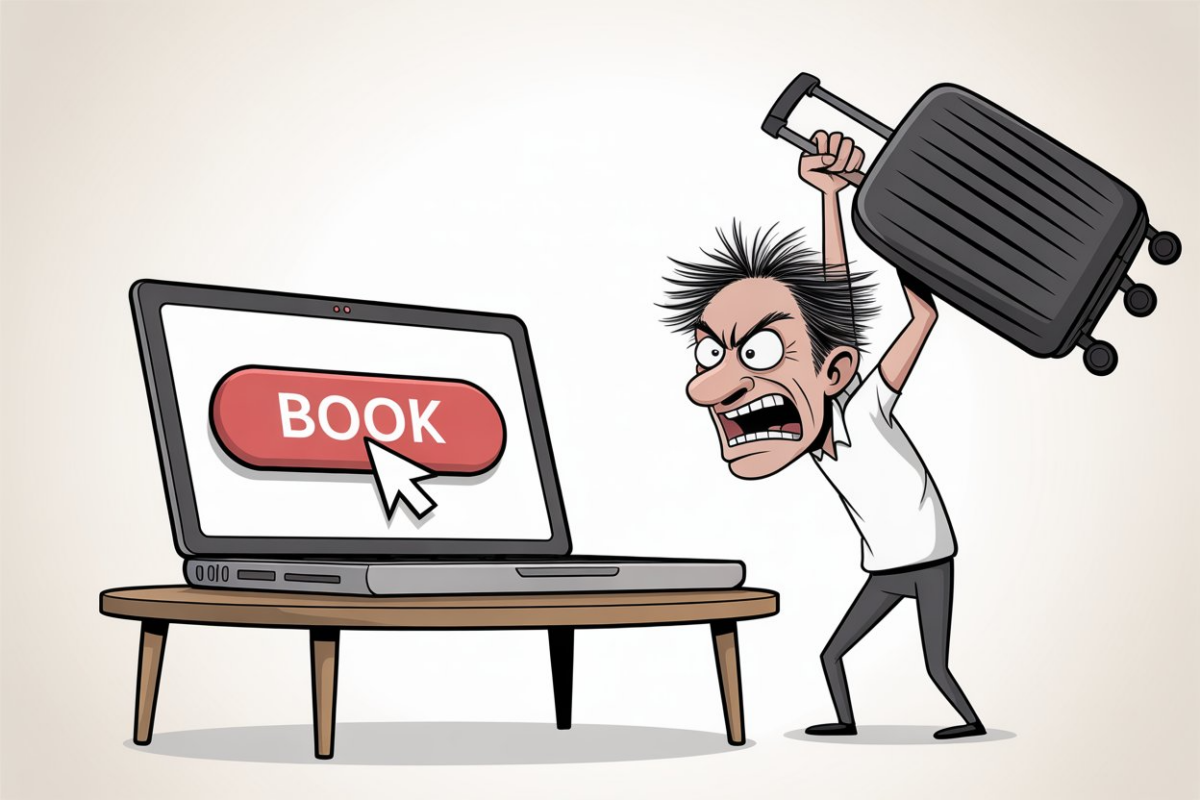
It’s a “rage-cation”
We’re living in the age of “rage-booking” — impulsive travel purchases driven by negative emotions rather than a healthy wanderlust.
More than half of American travelers say they feel exhausted, according to research by Faye Travel Insurance. One in five admits they’ve booked a trip out of anger, stress, or heartbreak.
It’s a pattern that’s reshaping the travel industry, according to Lauren Gumport, a spokeswoman for Faye.
“This habit is most popular among millennials,” she adds. “More than a third of them say they’ve booked a rage-cation.”
Ceruto says her patient realized her mistake and canceled the Bali trip in time. Others aren’t so lucky — and it’s costing them a lot of money and time.
“Emotions absolutely influence travel spending, sometimes more than we realize,” says Kristen Zavo, a career coach and author of “Job Joy.” “We live in a culture where stress is high and time off feels scarce, so it’s easy to turn travel into an emotional pressure valve.”
What’s fueling this trend? Stress. Research from Hilton found that 56 percent of global travelers cite rest and recharge as their number one motivation for leisure travel in 2026. Half say they’d take a pay cut for unlimited time off. And 44 percent would leave a job if denied a vacation.
There’s another obvious explanation: We live in angry times, and people just want to get away from it all. Can’t blame ’em.
When your brain hijacks your wallet
When stress takes over, you lose control.
“When your cortisol spikes from burnout or chronic stress, your prefrontal cortex — the part that handles rational decision-making — basically gets hijacked by your amygdala,” explains Ceruto. “Your brain’s threat response system takes over.”
Travis Pittman, CEO of TourRadar, sees the pattern in his booking data. He says about half of travelers book their trip within two weeks of first starting to browse. That’s fast, especially when the average organized adventure runs more than seven days and often involves traveling internationally. Solo travelers tend to book even quicker.
“Emotion is driving these decisions,” he says.
And some unscrupulous companies are banking on your burnout.
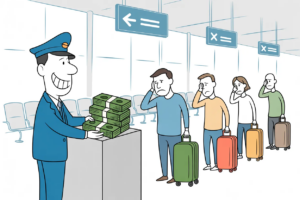
“Unfortunately, this is a very bad time for travelers to be rage-booking,” warns Bill McGee, senior fellow for aviation and travel at the American Economic Liberties Project. “Recently it’s been made clear that airlines and other travel companies are capitalizing on consumers’ personal information and even employing AI to supercharge such snooping.”
For example, if you’re listed in the obituary of a recently deceased loved one or have publicly filed for a change in marital status, chances are a travel company may know. And it might be targeting you with a specific, stress-relieving vacation or just charging you more for your flight.
I do not call it rage booking. I call it escape booking. I rarely look at the news when I travel, so it is purely escapism.
Read more insightful reader feedback. See all comments.
So how do you know if you’re rage-booking?
Watch for these warning signs:
You’re desperate for an escape. Ishdeep Narang, a psychiatrist, says the telltale sign is a feeling of desperation rather than joyful anticipation. “It’s less ‘I’m excited to explore this culture’ and more ‘I have to get out of here now,'” he says.
You haven’t done any research. Nassira Sennoune, a travel coordinator, says rage-bookers often choose the first destination that pops up without checking visa rules, travel times, or even why they chose that place. “They just need to get away,” she says.
You’re making the decision during a personal crisis. Daniel Glazer, a clinical psychologist, says making travel arrangements during a time of emotional hardship is a classic rage-booking symptom. “Deep down, you know you’re relying on the trip to resolve or escape emotional issues.”
You’re browsing well past your bedtime. Alex Veka, founder of Vibe Adventures, says late-night scrolling through flight deals is a classic red flag. “You’re organizing by how soon or far you can get,” he notes.
If you’ve done any of these things, maybe you’ve rage-booked a trip.
The aftermath of impulsive booking
The consequences of rage-booking depend on the type of reservation you’ve made.
Michael Benoit, an insurance agent from California, recently responded to a brutal quarter by booking an “emergency” vacation to Hawaii.
“I did it, more because I was exhausted rather than being logical,” he says. “It was not organized based on convenience and price, but necessity to disconnect.”
Although it was a textbook rage-booking case, he was fortunate. The getaway helped him recharge.
Others, like Ceruto’s client who booked a spur-of-the-moment trip to Bali, are just lucky.
But many travelers — and I deal with them every day as a consumer advocate — pay a high price for rage-booking. Most airline tickets are nonrefundable. Many hotels and vacation rental homes are, too. Once you’ve rage-booked, you’re stuck.
Smart strategies to avoid rage-booking
It’s possible to harness travel’s restorative power without falling into the rage-booking trap.
- Pause before you purchase. Thomas Plante, a psychology professor at Santa Clara University, recommends sleeping on big decisions. “Best to sleep on these things for a day or two before making a big decision and purchase, as well as talking it over with a trusted friend or family member,” he says.
- Take a deep breath. Now do it again. That’s the advice of Karen Canham, a wellness coach. “Take a walk outside, do some breathwork or journaling,” she advises. “Often, when your nervous system settles, the clarity about why you want to travel changes.”
- Get a second opinion. Talk to someone you trust about your travel plans. “”If you’re booking a trip thinking it will solve your stress, or doing it when you feel so drained that you ‘just can’t take any more,’ that’s a sign you’re trying to escape burnout, not recover from it,” notes Marissa McKool, a burnout coach.
And that’s the thing: Your pricey trip may feel restful while you’re away, McKool notes. But the relief fades quickly once you’re back, because the underlying causes of exhaustion haven’t shifted.
There’s a better way to plan your trip
Calm down, says Usman Malik, a financial advisor with Northwestern Mutual. He urges travelers to consider their budget before booking. Ask yourself: Do I have the money for this impulse decision?
Instead of waiting until your breaking point to book a trip, start a travel fund and plan ahead.
“Even $50 or $100 a month adds up,” he says. “So, when you feel the urge, you can treat yourself to travel — not stress.”
Wherever you go, there you are
“Vacations rarely fix what’s underneath,” says psychotherapist Avigail Lev. “You bring yourself wherever you go. The scenery may change, but your mind and body come with you.”
How true. I’ve learned something about rage-booking over the years: The impulse to escape is usually telling you something important. But the solution isn’t always a plane ticket.
Sometimes it’s a day off. Sometimes it’s a conversation with your boss about workload. Sometimes it’s just admitting that you’re not OK right now and you need help.
Sure, a vacation can be transformative. It can heal, inspire, and restore you. But when it comes to travel, getting angry doesn’t solve anything.
Your voice matters
Almost everyone has felt the late-night urge to just book something and escape. We would like to hear how that pull shows up for you, and what helps you handle it.
- Have you ever booked a trip on impulse to escape stress, and how did it turn out once you got home?
- What helps you slow down before a big travel purchase: sleeping on it, a budget, or talking it over with someone?
- Do you think a vacation can actually reset you, or does the stress tend to be waiting when you return?
What you need to know about rage-booking travel
Rage-booking is impulsive travel buying driven by stress rather than genuine wanderlust. Here is how to spot it, why it happens, and how to avoid an expensive mistake.
What is rage-booking?
Rage-booking, sometimes called a rage-cation, is an impulsive travel purchase driven by negative emotions like stress, anger, or heartbreak rather than healthy excitement about a trip. The booking is less about the destination and more about the urge to escape right now.
How common is rage-booking?
Surveys suggest it is widespread. Research cited by Faye Travel Insurance found that more than half of American travelers feel exhausted, and about one in five say they have booked a trip out of anger, stress, or heartbreak, with the habit reported as most common among millennials.
What are the warning signs that I am rage-booking?
Experts point to a feeling of desperation rather than joyful anticipation, booking without researching the destination, making the decision during a personal crisis, and late-night scrolling through deals organized by how fast you can get away. If several of these sound familiar, you may be rage-booking.
Why does stress make us book impulsively?
One neuropsychologist explains that when stress hormones spike, the brain’s rational decision-making region can be overridden by its threat-response system, so the urge to act fast wins out. Booking data also shows many travelers commit within about two weeks of starting to browse, and solo travelers often book even faster.
Can travel companies take advantage of stressed travelers?
Some can. A travel-industry advocate warns that companies increasingly use personal data, and even AI, to target people who may be vulnerable, for example after a major life event, with stress-relieving vacation offers or higher prices. That makes a stressed, impulsive booking an especially risky time to buy.
What does rage-booking cost if I regret it?
Potentially a lot. Most airline tickets are nonrefundable, and many hotels and vacation rentals are too. Once you have rage-booked, you may be stuck with the cost, which is why pausing before you buy matters so much.
How can I avoid rage-booking?
Sleep on big decisions and talk them over with someone you trust, settle your nervous system with a walk or breathwork first, check your budget before committing, and build a travel fund so you can plan ahead instead of booking at your breaking point. If the urge is really about burnout, a day off or a conversation about workload may help more than a trip. For more trip-planning help, see our consumer guides for smarter travelers.

Have a question about this story? Tell us what happened — we read every comment.
Join the conversation