
in this commentary
- As the United States turns 250, it’s quietly dismantling something it gave the world: the modern vacation, the idea that an ordinary person could travel for pleasure.
- The national park, the scheduled airline, the interstate road trip, and the affordable two-week vacation all began here. Each anniversary on the calendar this summer traces back to an American first.
- Yet airlines now nickel-and-dime every seat, rental counters double the online price, and a new fee changed who gets to enjoy the parks, which sets up a pointed question about a birthright we rarely name.
America gave the world the modern vacation. But as the United States turns 250, it’s on the verge of destroying it.
The U.S. pioneered the idea that an ordinary person could go somewhere as a form of recreation. (Sure, Great Britain popularized tourism in the 19th century, but it was for the rich.)
The long weekend, the affordable plane ticket, and, of course, the great American road trip—they’re all U.S. exports.
What America gave the world
It’s hard to overstate what the United States did for travel.
1. National parks. On March 1, 1872, President Ulysses S. Grant signed the bill creating Yellowstone, the world’s first national park. The novelist Wallace Stegner called the national parks “the best idea we ever had.” The principle was carved into the arch at Yellowstone’s entrance: This land exists “for the benefit and enjoyment of the people.” All of them. That may be the most democratic sentence in travel.
2. Air travel. The world’s first scheduled passenger airline took off on Jan. 1, 1914, when a pilot named Tony Jannus flew a paying passenger across Tampa Bay in a flimsy Benoist XIV flying boat, a biplane with a hull that allowed it to take off and land on water. The trip took 23 minutes. The whole global industry—billions of passengers a year—traces back to that one hop in Florida.
3. The modern road trip. On June 29, 1956, President Dwight Eisenhower signed the law that built the Interstate Highway System, and an entire culture was born at the off-ramp. Motels, diners and service stations sprang up at the exits. The open road, the cheap motel, the pie at midnight. The world copied all of it.
4. The affordable vacation. Finally, and maybe most importantly, America democratized the vacation. It was no longer a luxury for aristocrats on a Grand Tour, but something a factory worker could do with two weeks off. We made going somewhere a right, not a privilege.
So that’s the inheritance. But look at what we’re doing with it.
Sadly, our national parks are being robbed blind by the Trump regime. The National Park Service has lost a quarter of its staff and Trump is calling for another 31% reduction. Over a million dollars of park funding has been “reallocated” to vanity projects, including tearing up the light brown Tennessee flagstone that paved the walkway in the West Colonnade that connects the White House residence to the Oval Office and replacing it with polished black African granite carved in Italy. The NPS is also banned from issuing information about serious injuries or deaths on public lands, something that might have prevented the recent deaths at the Grand Canyon. Our public jewels are being raped by this regime.
Nothing will ever be done to rein in the airlines. Their bribes will ensure that.
Read more insightful reader feedback. See all comments.
Here’s how we’re wrecking our travel heritage
It’s difficult to exaggerate the recent damage inflicted on America’s travel legacy. U.S. airlines are now financial services companies that happen to fly planes. They’re too busy selling frequent flier miles and operating loyalty schemes to care that their customer service is circling the drain. They charge you for your carry-on, your seat assignment and the legroom they quietly took away. Juan Trippe, the legendary founder of Pan Am, is rolling over in his grave.
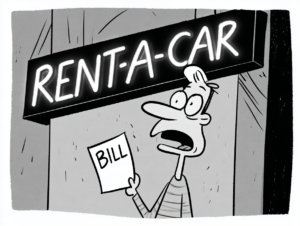
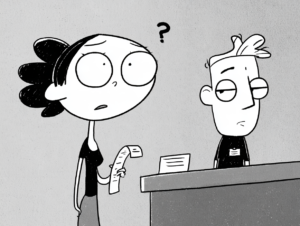
The road trip isn’t safe either, and I’m not even talking about the spike in fuel prices after the Iran war. Try renting a car. The company quotes you one price online, then demands nearly double at the counter once it bolts on insurance you don’t need, a toll transponder you didn’t ask for and a daily “administrative” fee for the privilege. The open road now comes with a toll booth at the start.
But the saddest way we’ve destroyed our legacy is with our national parks. This year, the government began charging non-U.S. residents an extra $100 a person to enter 11 of the most popular national parks, including Yellowstone, Yosemite and the Grand Canyon. The fee-free days are now for U.S. residents only.
So much for the “benefit and enjoyment of the people.”
The birthright nobody mentions
As America celebrates its 250th birthday, there’ll be a lot of talk about our birthrights like free speech and due process. But what about the one birthright we use every summer: the right to travel? It’s the right to pack the SUV and drive out onto the open highway, to board a plane, and to walk into a forest that belongs to you.
These rights were created over 250 years. And they don’t vanish in one dramatic vote or with the imposition of one fee. They erode over time, until the vacation your parents took for granted costs a small fortune and requires proof of citizenship.
It’s not too late to change course. Thoughtful regulation can compel travel companies to show all-in rates instead of playing price games. We can remove the predatory toll booths that make travel less affordable with each passing year.
And while we’re at it, we should make our national parks open to everyone. These places represent the best of America. Let’s follow Switzerland’s lead, where a national park is free for all.
Don’t forget your travel legacy
For its semiquincentennial, America needs to rediscover the present it already gave the world: the gift of travel. It should take steps to protect its legacy of affordability and access to the unparalleled beauty of its wilderness. The gift is still ours to give—for now.
Fees, surcharges, and new entry rules are reshaping the great American vacation. We would like to hear how those changes are landing with you this summer.
Your voice matters
What you need to know about America’s travel legacy and rising costs
As the U.S. marks its 250th year, the affordable vacation it helped invent is under pressure from fees and new rules. Here is the history and what is changing.
The piece credits the U.S. with popularizing travel as recreation for ordinary people: the national park system, the first scheduled passenger airline, the interstate-fueled road trip, and the idea of an affordable two-week vacation. Together these helped turn going somewhere from an aristocratic luxury into a mainstream experience. Yellowstone became the world’s first national park when President Ulysses S. Grant signed the bill on March 1, 1872. Its founding principle, that the land exists for the benefit and enjoyment of the people, is often cited as one of the most democratic ideas in travel. The world’s first scheduled passenger airline flight took off on January 1, 1914, when pilot Tony Jannus flew a paying passenger across Tampa Bay, Florida, in a Benoist XIV flying boat. The roughly 23-minute hop is widely regarded as the start of the commercial aviation industry. President Dwight Eisenhower signed the law creating the Interstate Highway System on June 29, 1956. The network gave rise to a roadside culture of motels, diners, and service stations, and helped make the American road trip a model copied around the world. The commentary reports that the government began charging non-U.S. residents an extra $100 per person to enter 11 of the most popular national parks, including Yellowstone, Yosemite, and the Grand Canyon, and that fee-free days became limited to U.S. residents. Park fees and policies change, so confirm the current rules for your park before visiting. The article describes a common pattern: a low online quote that grows at the counter once optional insurance, a toll transponder, and daily administrative fees are added. You can often decline add-ons you did not request, so review the charges line by line before you sign. Elliott argues for all-in pricing rules so travelers see the true cost upfront, removing predatory add-on fees, and keeping national parks affordable and open to everyone, pointing to countries where park access is free. For more trip-planning help, see our consumer guides for smarter travelers.What did America contribute to modern travel?
When was the first national park created?
When did scheduled passenger air travel begin?
How did the interstate highway system change travel?
What is the new national park fee for non-U.S. residents?
Why do rental cars cost so much more at the counter?
What does the piece suggest could fix this?

Have a question about this story? Tell us what happened — we read every comment.
Join the conversation