


in this commentary
- Find out why your rights as a passenger are quietly shrinking and what the airline industry is doing behind the scenes.
- See the full list of protections on the chopping block, from your right to a cash refund to rules that require airlines to show you the full price upfront.
- This commentary offers a five-point plan to help you stand up for yourself, from using the right words to knowing when to go “nuclear.”
You can almost feel it when you fly these days. It’s that sense that you’re a second-class citizen with limited rights — or none at all.
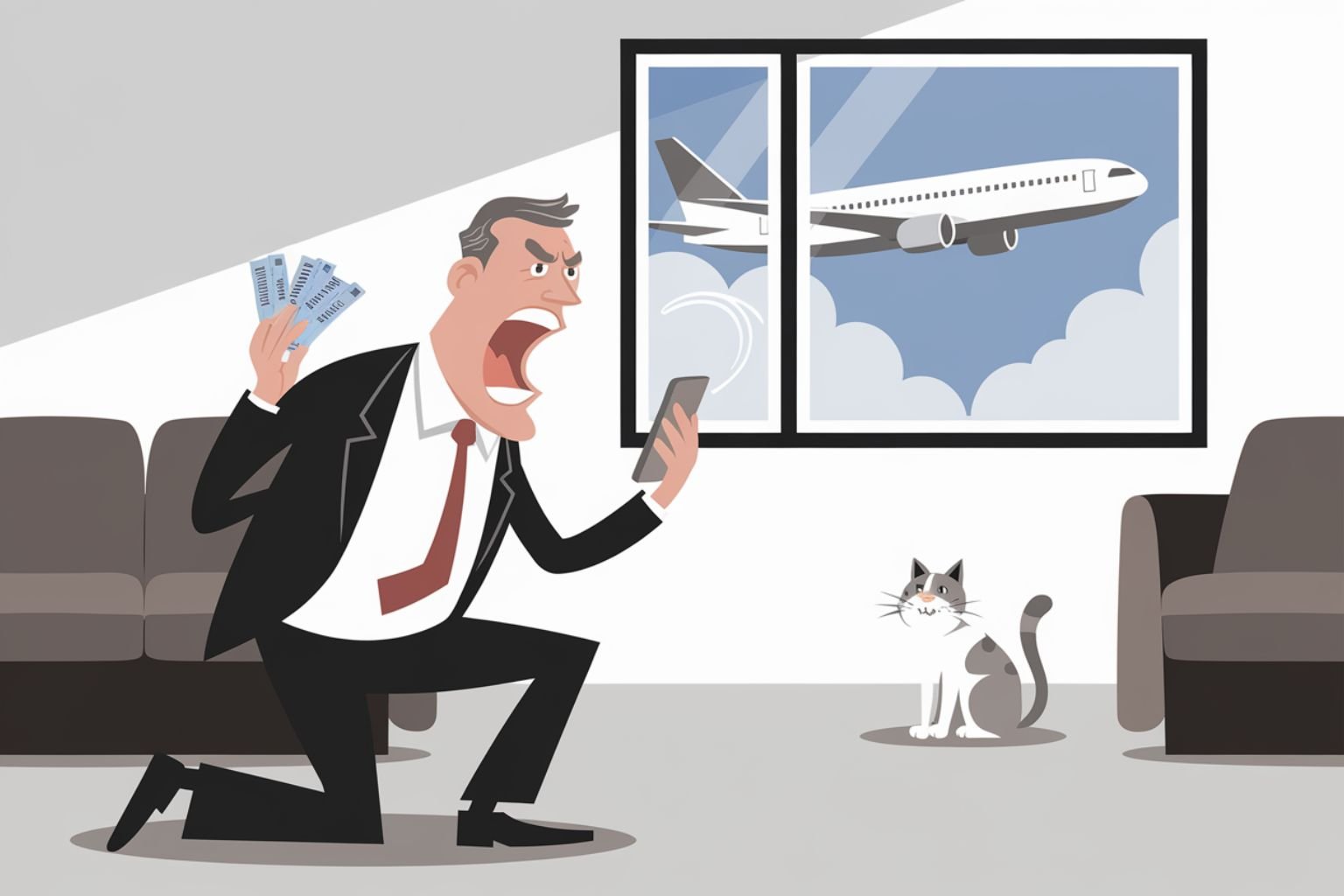
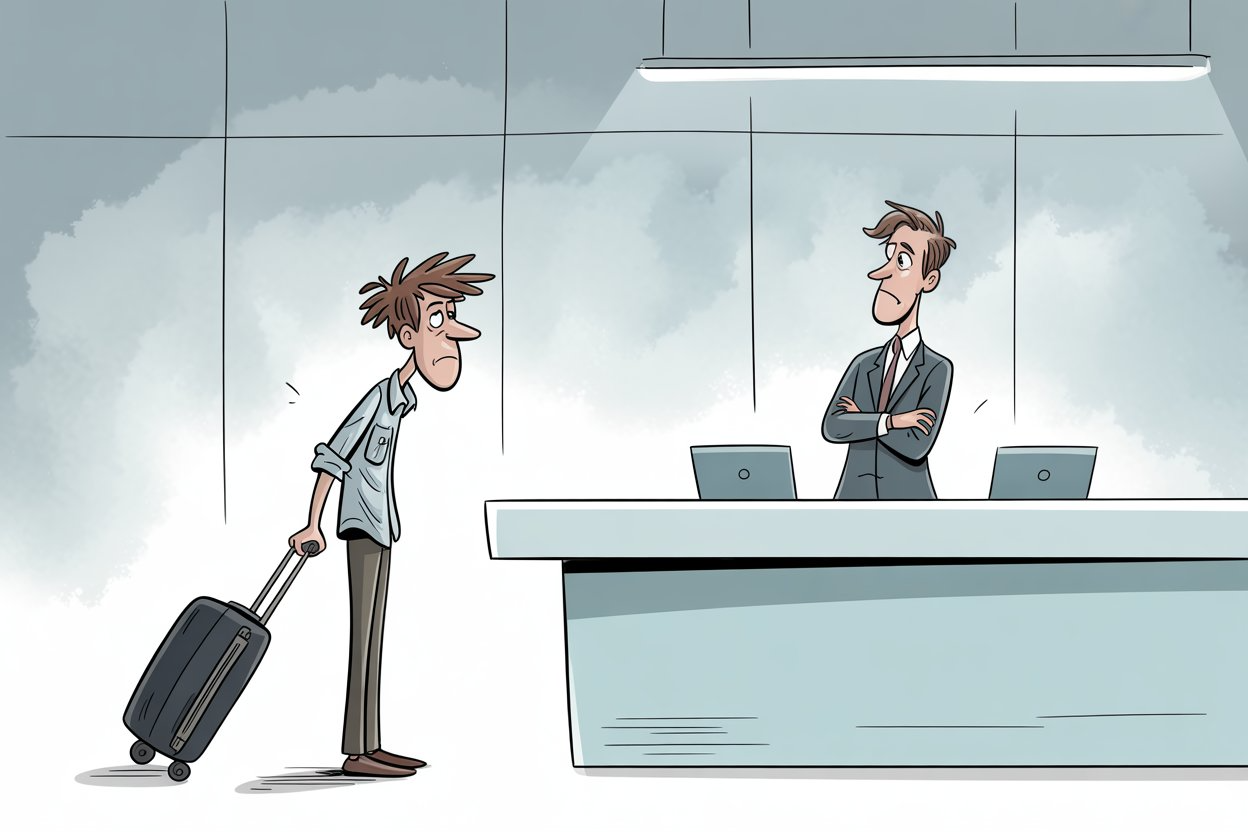
It happened to Janice Lintz when she was traveling from Philadelphia to New York recently. Her airline canceled her flight, left her waiting at the airport, and eventually offered her a $10 meal voucher and 7,500 miles for the “inconvenience.”
“It was insulting,” says Lintz, a disability advocate who lives in Washington, DC. “I think without consumer protections, travelers are going to be treated miserably.”
She’s right. Airline passenger rights are disappearing. The U.S. government’s recent decision to scrap proposed compensation rules for delays, which I outlined in last week’s column, is just the beginning. Behind the scenes, airlines are lobbying to dismantle decades worth of consumer protections.
The question isn’t whether your rights will shrink — they will. The question is: What can you do about it?
What’s about to happen?
The Department of Transportation (DOT) has pledged to enforce existing laws. But that promise comes with a massive caveat: Airlines are actively working to change those laws. Its 93-page deregulatory manifesto reads like a wish list for turning passengers into powerless customers.
Your voice matters
The airline industry wants to get rid of some of your most basic consumer protections, including your right to an automatic refund. Should the government let them?
- Have you ever had to fight an airline for a refund it should have issued automatically?
- Do you believe that less regulation would lead to a better flying experience, as the airlines claim?
- Which of the proposed rollbacks ending automatic refunds, fee transparency, or family seating rules — worries you the most?
Here’s what airlines want to kill:
☑ Automatic refund requirements for flight changes and cancellations.
☑ Fee transparency rules that force disclosure of baggage and seat fees upfront.
☑ Accessibility protections for passengers with disabilities.
☑ Enforcement of family seating requirements.
That directly contradicts what airline passengers say they want. A recent survey by AirHelp found 52 percent of U.S. travelers think air passenger regulations should be stronger.
“Airlines will have less accountability,” says Susan Sherren, founder of Couture Trips. “This means that travelers will need to take steps to protect themselves.”
Here are your current rights (while they last)
Before we talk about travel strategies, let’s review what rights you still have:
- Automatic refunds: If your flight is canceled or significantly changed and you choose not to travel, you’re entitled to a full cash refund within 7 business days (credit cards) or 20 days (other payment methods).
- Full-fare advertising: Airlines must include mandatory taxes and fees in advertised prices. No more surprise charges at checkout.
- Basic accessibility: Airlines can’t discriminate against passengers with disabilities, though enforcement remains spotty.
- Tarmac delay rules: Airlines must provide food, water, and working bathrooms during lengthy ground delays that happen after passengers have boarded. They must also allow passengers to deplane after 3 hours (domestic) or 4 hours (international).
- Overbooking compensation: If you’re bumped involuntarily, airlines owe you compensation based on the price of the ticket and length of delay.
And that’s basically your entire federal protection package. Compare that to Europe, where passengers can claim hundreds of dollars for delays over 3 hours, and it’s easy to understand why a majority of American air travelers want more rights.
Airlines are taking their time with unwinding the current consumer regulations. Doing it all at once would trigger public outrage. Instead, they’re using what I call drip erosion — a gradual wearing-away of rights that happens so slowly passengers barely notice. But you don’t have to wait to feel like Lintz, the disability advocate.
Here’s your defense strategy
So are you out of luck? In a word, no.
“In the absence of formal airline compensation policies, there are still some steps that travelers can take to better protect themselves,” says Ivalyo Danailov, CEO of airline compensation specialists SkyRefund.
Here’s your plan:
1. Know the rights you have (yes, you still have a few)
When things go wrong, use precise language that triggers legal obligations. Your rights are outlined on the DOT website, at least for now. Remember phrases such as, “I’m requesting a full cash refund under DOT regulations for this canceled flight,” and “This is a significant schedule change that entitles me to a refund.” That way, they know you mean business. “When airlines know you’re documenting like you’re building a legal case, their customer service approach changes dramatically,” says attorney Michael Weiss, who’s litigated numerous airline disputes. (Related: Airlines want to roll back consumer protections — will your rights disappear?)
2. Use the right payment method
“Pay for tickets with a credit card, not a debit card,” advises Daria Volochniuk, chief operating officer at FlightRefunder. “That way, you can appeal the transaction.” Under the Fair Credit Billing Act, you can file a chargeback for goods or services not delivered or for something that was not as described by the merchant, like a canceled airline ticket.
3. Channel your inner accountant
“Paperwork is your best safeguard,” says William Holland, an attorney in St. Louis with extensive experience fighting airlines. “Save fare and fee pages as screenshots, obtain everything in writing that’s offered, and don’t accept vouchers if you’re entitled to cash.” Consider taking screenshots of booking pages that show the original flight times and prices. Save all email confirmations and change notifications. Take pictures of delay announcements on airport monitors. And most importantly, keep all receipts. (Here’s our guide to resolving your consumer problem.)
Read more insightful reader feedback. See all comments.
4. Buy real travel insurance
Forget the airline’s watered-down coverage. Purchase comprehensive third-party travel insurance that covers trip interruption and cancellations, medical emergencies, baggage loss and missed connections. Emily Tarkany, the vice president of marketing at Trawick International, says she’s seen customers who are left to fend for themselves when an airline cancels a flight. “Insurance can step in to cover some of those gaps,” she says. “But ideally, protections like refunds and fee disclosures would already be guaranteed without travelers having to fight for them.”
5. Don’t be afraid to go nuclear
There are two nuclear options for airline disputes. One is filing a complaint with the DOT, which it is obligated to investigate (at least, for now). You can also file a chargeback on your credit card if you didn’t receive the service you expected. “Doing both accelerates compliance,” notes attorney John Beck. Note: These options are a last resort, which is why we refer to them as “nuclear.”
But there’s a better way to fight back
“Passengers are sure to suffer because of the airlines’ lack of incentive to operate efficiently,” predicts Danny Karon, author of “Your Lovable Lawyer’s Guide to Legal Wellness.”
He says individual protection is essential, but collective action matters too.
That’s why the long game is just as important. Consider joining consumer advocacy groups that fight for passenger rights. There are several, including Travelers United and Flyersrights.org. Also, support political candidates who prioritize consumer protection over industry profits. And vote with your wallet — choose airlines that treat passengers fairly, even when they don’t have to.
For the last three decades, I’ve been running a nonprofit consumer organization that helps travelers. We’ve tried to avoid politics as much as possible because bad service affects everyone, regardless of their political beliefs. But I can tell you this: Our supporters have told me the erosion of aviation consumer protections will drive them to vote in the next election.
What to do on your next flight
Your airline rights are vanishing, but you’re not powerless. The key is preparing before problems strikes, or sidestepping the problem by finding alternate transportation when possible. Passengers like Lintz, with relatively short trips, can just drive next time. Or take the train.
Don’t expect airlines to do the right thing voluntarily. When it comes to your passenger rights, it’s time to defend yourself.
The airlines are betting you won’t fight back. Only you can prove them wrong.
Your airline rights are shrinking
Here’s your five-step plan to defend yourself
Rights at risk
Automatic cash refunds
Upfront fee transparency
Family seating rules
Accessibility protections
Your defense plan
Know the rights you still have
Use specific language when filing a complaint, like “I’m requesting a full cash refund under DOT regulations.” This shows you know the law and expect them to follow it.
Use a credit card
Paying with a credit card gives you the power to file a chargeback under the Fair Credit Billing Act if the airline doesn’t deliver the service you paid for.
Keep detailed records
Your paper trail is your best evidence. Screenshot booking pages, save every email, and keep all receipts to build a strong case if you need to file a dispute.
Buy real travel insurance
Purchase a comprehensive, third-party travel insurance policy. It can cover gaps in protection for things like trip interruptions, cancellations and lost luggage.
Go “nuclear” when necessary
If the airline won’t help, don’t be afraid to use your last resorts: file an official complaint with the Department of Transportation (DOT) and file a credit card chargeback.


Have a question about this story? Tell us what happened — we read every comment.
Join the conversation

What you’re saying
This commentary on passenger rights sparked a fierce debate. While some of you endorsed the story’s advice on preparation and advocacy, others argued for entirely different strategies, splitting into clear free-market and pro-regulation camps.
Loyalty vs. regulation
One group of readers, led by Miles Will Save Us All, argued that loyalty is the best protection, claiming elite status ensures better treatment than any government rule. On the other side, readers like Blues Traveler countered that regulations are essential to protect everyday families from a powerful, consolidated airline industry.
Be prepared and fight smart
Many of you, like Sandra, focused on practical, self-reliant strategies. Her advice to pay with a credit card, document everything with screenshots, and file both a DOT complaint and a chargeback was seen as a powerful combination for getting results when an airline refuses to cooperate.
Is travel insurance a bad deal?
Top commenter OnePersonOrAnother challenged the conventional wisdom on travel insurance. They argued that with only 35 to 40 cents of every premium dollar paid out in benefits, most travelers are better off saving their money and self-insuring, except for a “once in a lifetime” trip.