Don’t look now, but the cost of checking your luggage is quietly rising again. American Airlines just upped the price for a second checked bag for tickets issued on or after February 20.
It’s the kind of move that feels like a “gotcha” for anyone who doesn’t spend their free time reading the fine print of airline fee schedules. But American is not alone.
What did American Airlines do?
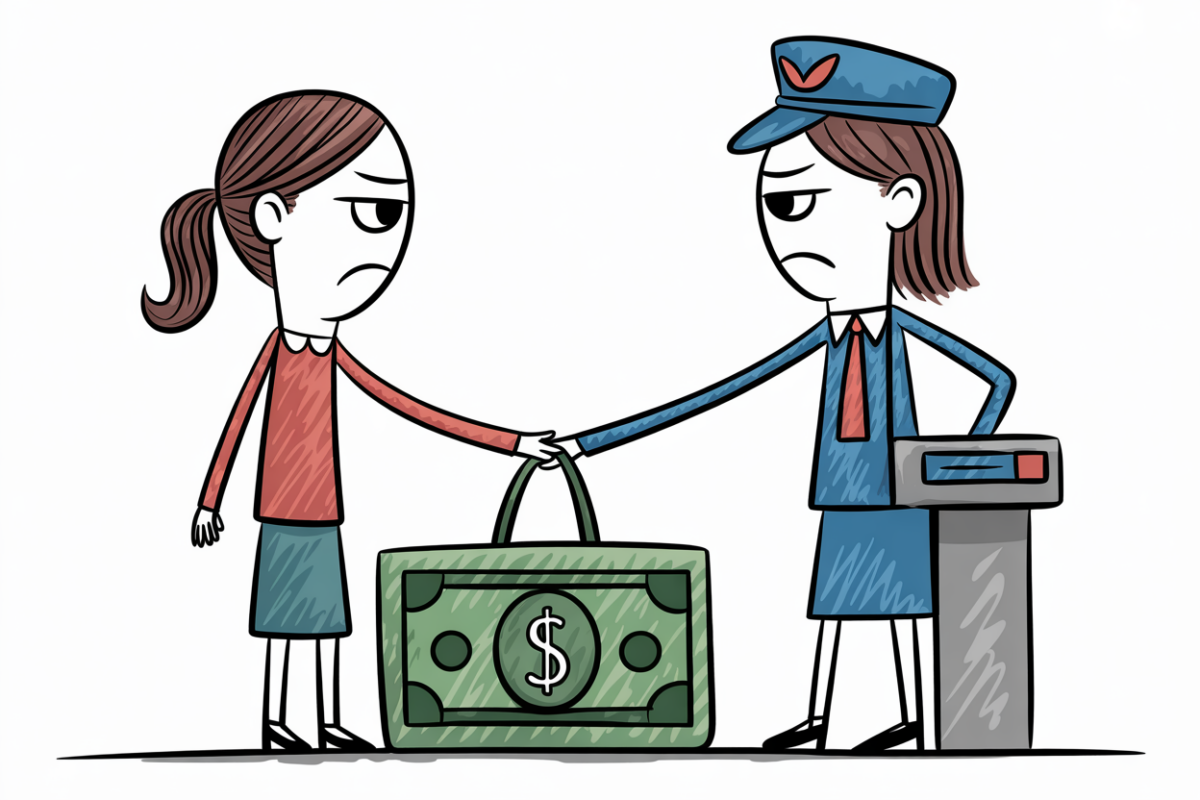
American upped the rate for a second checked bag on domestic and short-haul international routes to $50 at the airport, a $5 increase from the previous rate.
If you’re savvy enough to pay for your luggage online, you’ll still get the old rate of $45. American claims this is about “streamlining operations,” but it’s really a penalty for needing a human at the airport to help you.
The fee frenzy is spreading
American isn’t the only airline reaching into your wallet. We’ve seen a wave of fee increases across the industry in the recent past:
- United Airlines implemented a similar policy in 2024, raising its first and second bag fees by $5 in most markets.
- JetBlue introduced “peak” and “off-peak” pricing for luggage. During busy periods like spring break or the holidays, checking a second bag can cost as much as $60.
- Air Canada updated its policy in late 2025, now charging $100 for a second bag on specific economy fares to certain international regions.
- Air New Zealand joined the club by increasing change fees on “seat + bag” fares recently.
These clever fees are meant to extract more money from you at a time when you’re at your most vulnerable: the “red zone” when you’re scrambling to get to the airport and board your flight. Airlines know that you’ll do almost anything to avoid missing a flight—and right now they’re exploiting it.
How to avoid the baggage squeeze
Don’t let these airlines treat your vacation budget like their personal slush fund. If you want to protect your cash, follow these guidelines:
Prepay everything. If you know you’re checking a bag, pay for it on the app or website at least 24 hours before you head to the airport. It’s the only way to avoid the airport “convenience” fee.
Measure your carry-on. Airlines are getting aggressive with their luggage templates at the airport. If your bag is a fraction over the limit, you’ll be forced to gate-check it for a fee that’s often higher than the standard checked rate.
Leverage your plastic. Many co-branded airline credit cards still offer a first checked bag at no extra charge, which can save a family of four hundreds of dollars on a round trip.
The takeaway: Always pay for your bags online before you arrive at the airport to avoid the “last-minute” surcharge that airlines are using to pad their profits.
The last word on surveillance fares
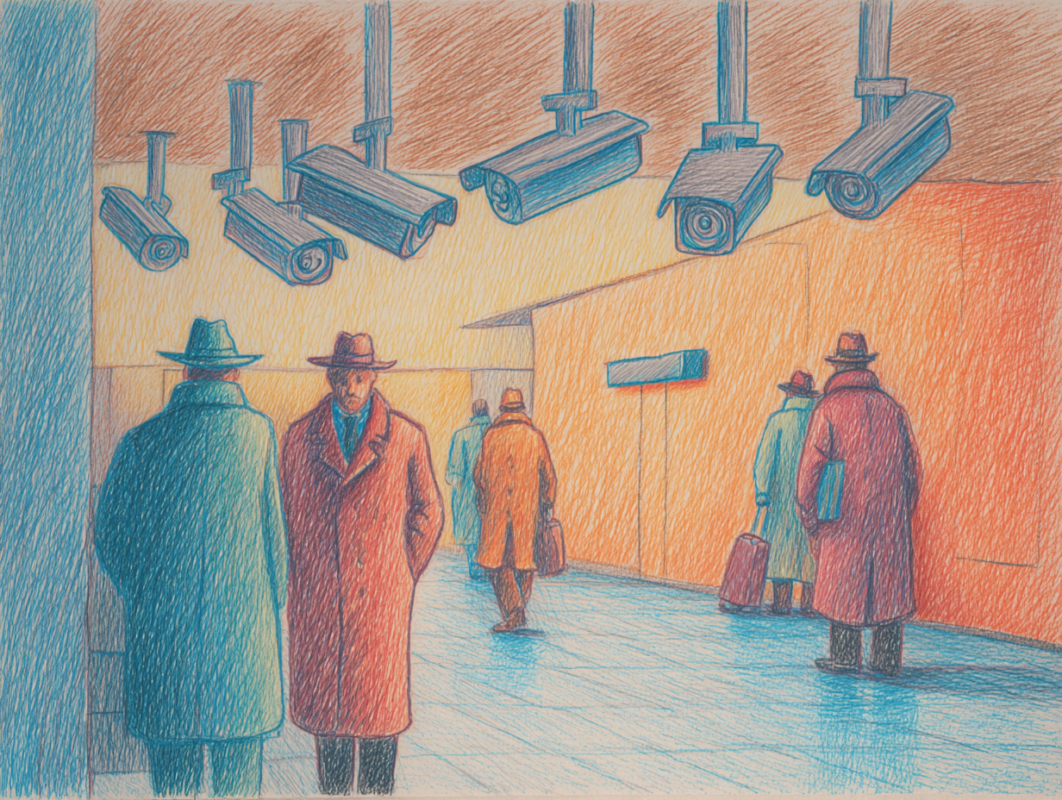
The travel industry wants you to believe that <ADD LINK HERE>its dynamic pricing algorithms</A> are working tirelessly to save you a buck. But anyone who’s watched a fare jump $20 after a convenient website “timeout” knows better, as I noted in this morning’s commentary. Fact is, they’re using your browsing history and behavioral patterns to see exactly how much you’ll tolerate before you walk away.
While trade groups cry that regulation will stifle innovation, the only thing they’re really innovating is a more efficient way to pick your pocket based on your zip code or your choice of smartphone. A customer’s private data shouldn’t be a license to gouge.
These are the cleanest cruise ships for your 2026 vacation
We’re not just in the middle of “wave” season—the time of year when most cruises are booked. We’re also about to enter norovirus season, when cruise ships report outbreaks of a gastrointestinal virus that can cause serious illness and even death.
The good news is that many ships are cleaner than they’ve ever been. The bad news? Hygiene isn’t uniform across the industry, and some of the biggest names are being outshined by smaller, independent players.
The tidiest cruise ships by line
The latest data, compiled by travel insurance site Squaremouth, shows a clear hierarchy.
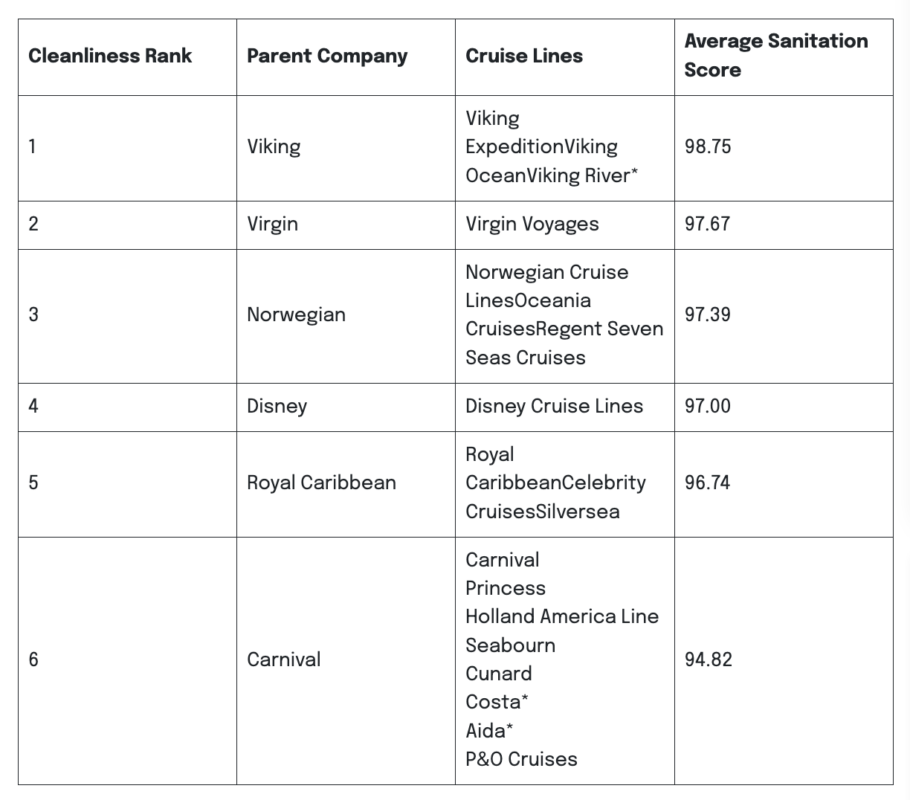
If you want a ship that’s virtually guaranteed to be spotless, look at Viking. Its fleet is the top performer, with an average sanitation score of 98.75. In fact, several of its vessels, including the Viking Polaris and Viking Neptune, regularly pull in perfect 100s.
Virgin Voyages and Norwegian Cruise Line aren’t far behind. Virgin averages a 97.67, while Norwegian has become a frequent visitor to the perfect score club. In 2024, Norwegian had seven ships earn a 100, more than any other operator.
On the other hand, some popular brands are struggling to maintain that high bar. Carnival and MSC have seen several ships land in the 80s—the danger zone where inspectors have found everything from fruit flies in juicers to overflowing trash in crew areas.
How to avoid a dirty ship
You don’t have to take the cruise line’s word for it. The CDC conducts unannounced inspections twice a year for any ship that docks in a U.S. port. Before you book, do your homework:
- Check the CDC’s Green Sheet. Visit the CDC Vessel Sanitation Program search tool.
- Look for 100s. A score of 100 means the ship passed with zero deficiencies.
- Read the narrative report. If a ship scores an 85 or lower, it’s a failure. Read the details to see if the issues were minor paperwork errors or major health hazards.
If you encounter a problem on board, don’t wait until you’re back home to complain. Document the issue with photos and speak to the guest services manager. If that doesn’t work, you can find executive contacts for the major lines on Elliott.org.
The takeaway: Check your ship’s most recent CDC sanitation score before you pay—if it’s below a 95, you might want to look for a cleaner way to see the world.
Where are you off to?
This should be an interesting week for travel, with more trouble brewing in the Middle East and spring break about to begin in the United States. Where are you headed? What’s your best travel advice? Our comments are open or you can email me directly at chris@elliott.org.

Have a question about this story? Tell us what happened — we read every comment.
Join the conversation