in this commentary
- Airlines and hotels are quietly tracking your browsing habits, location, and device type to calculate the absolute highest price you are willing to pay for a trip.
- Travelers frequently encounter mysterious website timeouts and disappearing fares, only to watch the cost jump the moment they try to complete their purchase.
- A new wave of state and federal legislation aims to outlaw this “surveillance pricing,” stopping algorithms from using your personal data to manipulate the market.
When Cary Tatkin searched for the lowest airfare to Europe, he didn’t realize Lufthansa might be running its own search for the highest price it could extract from him.
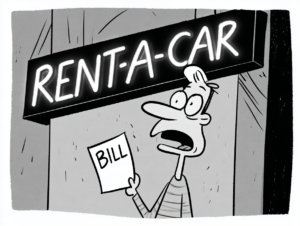
Twice, the airline’s website let him enter his full credit card information before timing out. By the time he reached the final booking screen, his fare had increased by $20.
The airline blamed “dynamic pricing,” a process that adjusts fares in real time based on market demand. But Tatkin, a property manager from Lincolnshire, Illinois, had another term for it.
“This is blatant robbery, as far as I am concerned,” he says.
Tatkin and other travelers suspect the airline’s system recognized him as a likely buyer — based on his past browsing and booking patterns — and raised the price accordingly. It’s hard to prove, and Lufthansa didn’t respond to my questions about its pricing practices. But lawmakers are taking notice. Across the United States, a wave of bills aims to outlaw surveillance pricing and restore fairness to the marketplace.
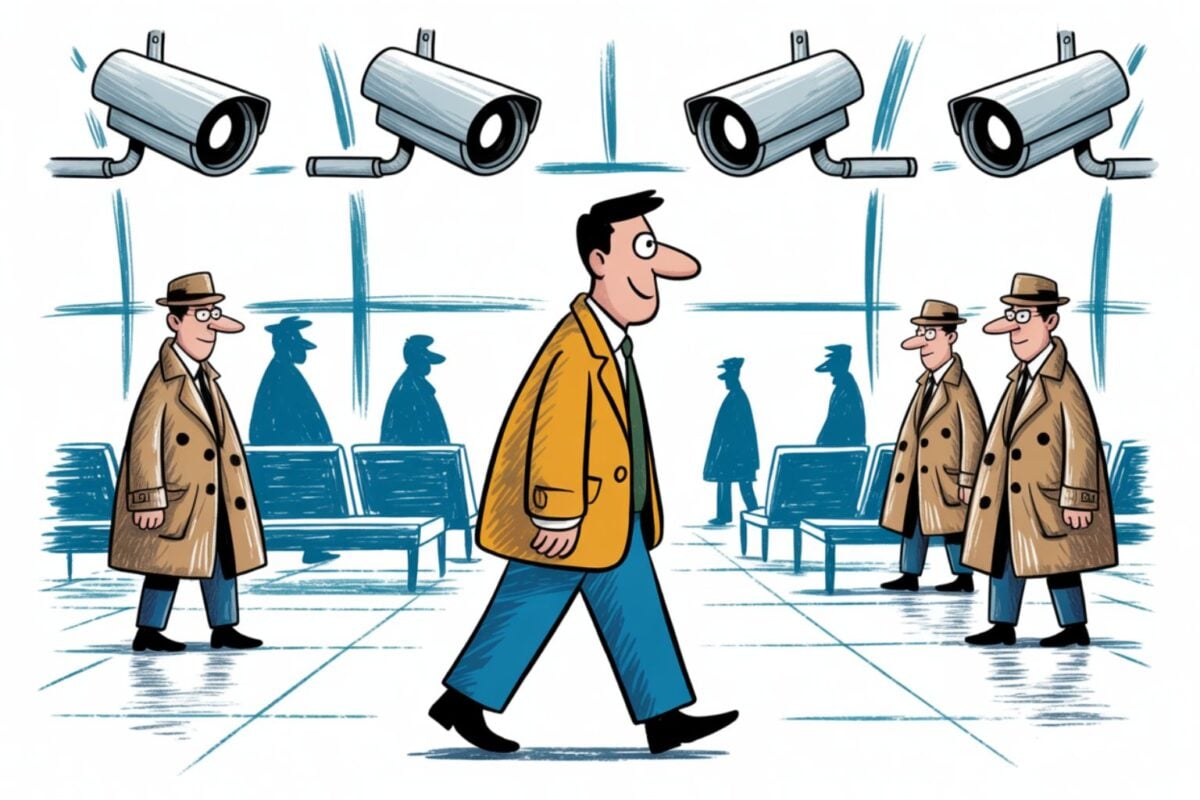
From a technical standpoint, this is a predatory application of behavioral analytics. Using persistent cookies and device fingerprinting to engineer a “personalized extraction” of wealth destroys market transparency.
The One Fair Price Act is a necessary guardrail to prevent algorithms from turning private data into a license for price gouging.
Read more insightful reader feedback. See all comments.
A legislative push for price fairness
At the federal level, the One Fair Price Act and the Stop AI Price Gouging and Wage Fixing Act would ban companies from using personal data — such as browsing history, location, or behavioral profiling — to charge different customers different prices for the same product at the same time. Their goal: ensure price transparency and fairness in the age of artificial intelligence.
States are getting involved too. New York’s Algorithmic Pricing Disclosure Act requires companies to disclose when algorithms set or adjust prices. Meanwhile, California is one of several states advancing bills to ban individualized pricing based on surveillance data.
When algorithms watch you shop
For travelers, dynamic pricing can feel like a shell game. Airfares and hotel rates disappear, then reappear minutes later, almost always higher than before. Prices may also vary depending on the device, browser, or even geographic location you use.
The travel industry argues that these systems actually benefit consumers. The Travel Technology Association, a trade group, says restricting algorithmic pricing would drive up overall prices and dampen innovation. Artificial intelligence, it contends, helps keep travel affordable by matching prices more precisely to market conditions.
Perhaps. But if the technology truly worked only to lower prices, consumers wouldn’t repeatedly encounter fares that rise mid-purchase after a session “times out,” as Tatkin did.
These current systems overwhelmingly advantage the seller. They allow airlines, hotels, and online agencies to analyze hesitation, urgency, loyalty, and spending patterns in real time.
Imagine a hotel calculating your maximum willingness to pay for a night’s stay down to the dollar. That’s not fair competition. It’s a personalized extraction of your hard-earned money.
A question of fairness
Travelers assume prices follow a shared market rate, that the “going price” for a ticket is the same for everyone. Surveillance pricing flips that principle on its head. Loyal frequent fliers may pay more for the same seat simply because the system knows they’re likely to buy anyway, while people logging in from a lower-income neighborhood could get a discount.
The industry warns that a patchwork of state laws could create confusion and slow down innovation. That’s a familiar argument: regulate us and everyone loses.
But what kind of innovation are we really protecting? Is it the ability to manipulate customers mid-purchase, or to quietly test how much more an iPhone user will pay?
The truth is that surveillance pricing isn’t designed to find the lowest price the market will bear. It’s designed to find the highest price you will pay.
Time to restore balance
This surge of legislation isn’t an attack on technology, but an effort to set guardrails. Markets function best when buyers and sellers operate with roughly comparable information. When algorithms know your habits, income signals, and urgency — and you know almost nothing about how the price was determined — that balance shifts in the company’s favor.
Lawmakers shouldn’t be swayed by dire industry warnings about lost innovation. What’s at stake isn’t artificial intelligence itself. It’s a business model built on data surveillance and behavioral leverage.
It’s time to refresh the law, not the price.
Cary Tatkin watched his airfare jump $20 right as he tried to pay—a frustrating experience that has lawmakers pushing to ban “surveillance pricing” for good.
Your voice matters
What you’re saying
Readers expressed intense frustration with the travel industry’s data mining and fee hikes. While some shared their own workarounds to beat the algorithms, most demanded stricter consumer protection laws to stop the gouging.
-
Beating the algorithm
George Schulman shared a clever workaround: he skips seat selection during the initial booking to prevent the airline’s system from spiking the fare, then selects his seats right after confirming the reservation. Tygar and Sheryl debated using VPNs to hide browsing data, though Sheryl warned that travel sites increasingly block VPN connections entirely.
-
Predatory pricing hits hard
Blues Traveler and The Brown Crusader condemned individualized pricing as a predatory practice requiring clear legislative boundaries. Jerry A added a grim reality check: algorithms do not always give lower-income users a break. Because these users often lack alternatives, companies sometimes exploit the lack of competition to charge them more.
-
The new “airport tax”
M.C. Storm rejected the airline excuse that higher baggage fees streamline operations, calling it a blatant cash grab and a penalty for needing a human agent. Jennifer agreed, vowing to always prepay on the app to keep her money out of the airline’s slush fund.

Have a question about this story? Tell us what happened — we read every comment.
Join the conversation