Booking.com said my flight was confirmed, but the airline says it never existed
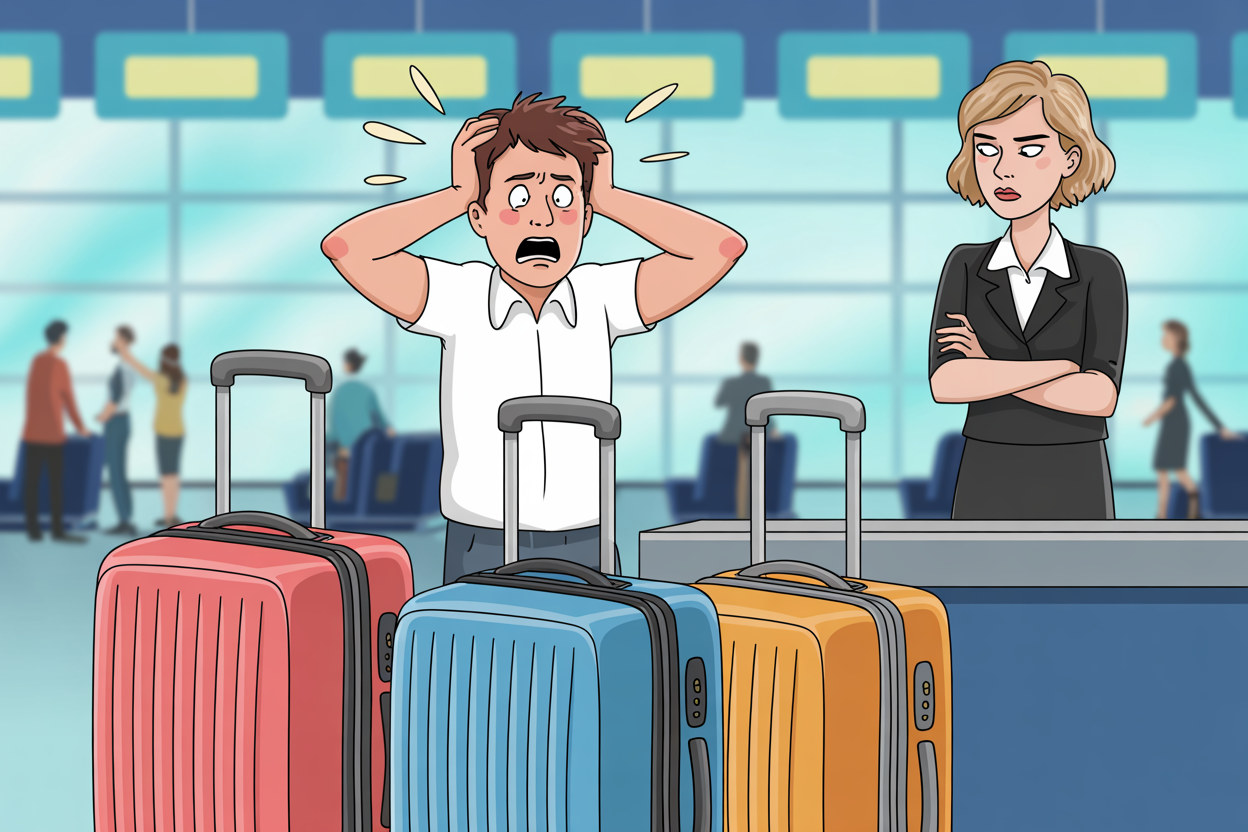
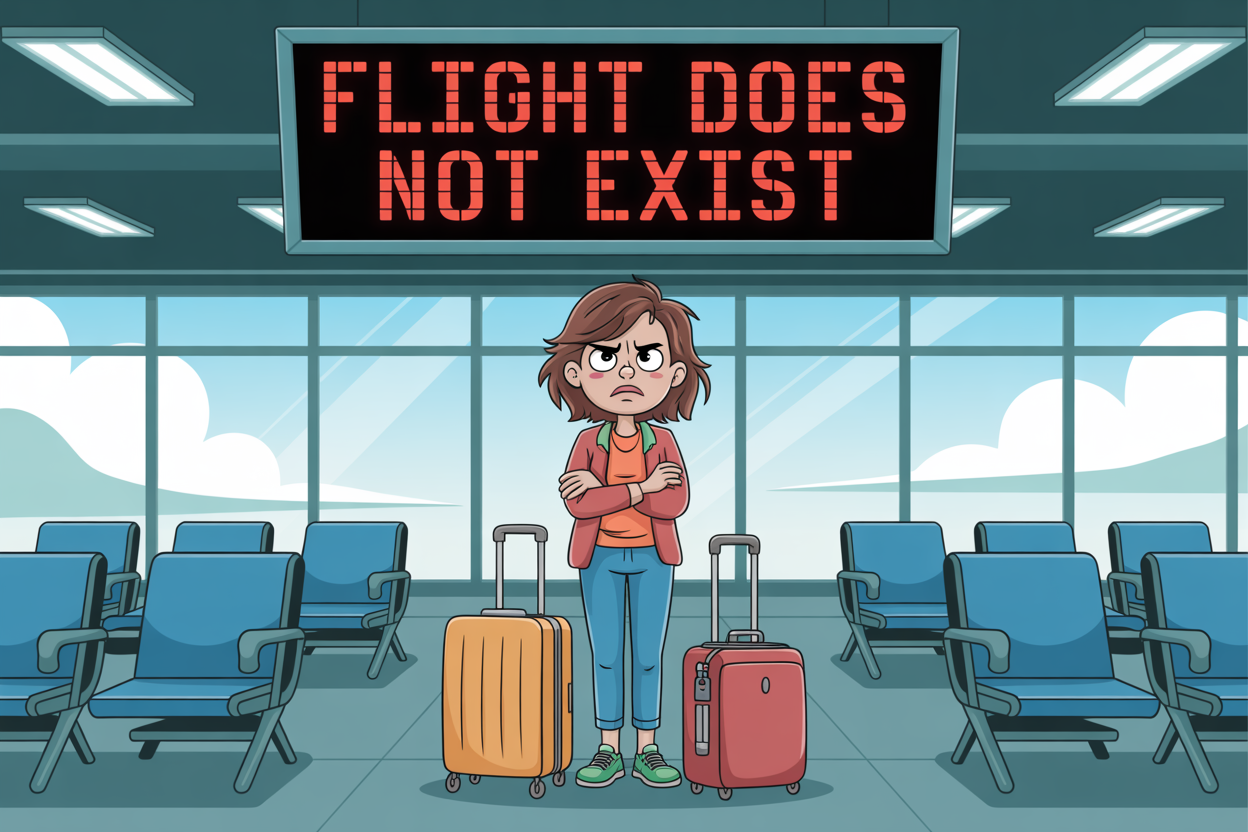
Lindley Kinerk’s last morning in Dresden seemed routine. She and her companions packed up, checked out, and headed to the airport for their 8:25 a.m. flight home to Boston. They had even gotten a friendly check-in reminder from Booking.com the night before. Then they reached the counter and learned something that would cost them nearly $6,000: their flight did not exist. Not that morning, not any morning. It had been off the airline’s schedule for months. Booking.com, it seems, had quietly rebooked them on an earlier flight and never said a word, and the airline insisted the whole thing was not its problem. With a third ticketing agency tangled into the booking and every company pointing at the others, Kinerk had to buy new tickets on the spot just to get home. What she did next, and what Booking.com eventually said about her money, is where this case turns.