in this case
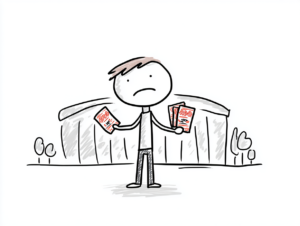
- Susan Kemen books a $4,996 Broadway-themed cruise to see her favorite stars, only to get a shocking phone call the next day canceling her reservation.
- Sixthman, the event organizer, cites vague “security concerns” but refuses to explain what she did wrong, leaving the superfan baffled.
- With a spotless background check and no history of trouble, she hits a brick wall of silence while trying to clear her name and understand the ban.
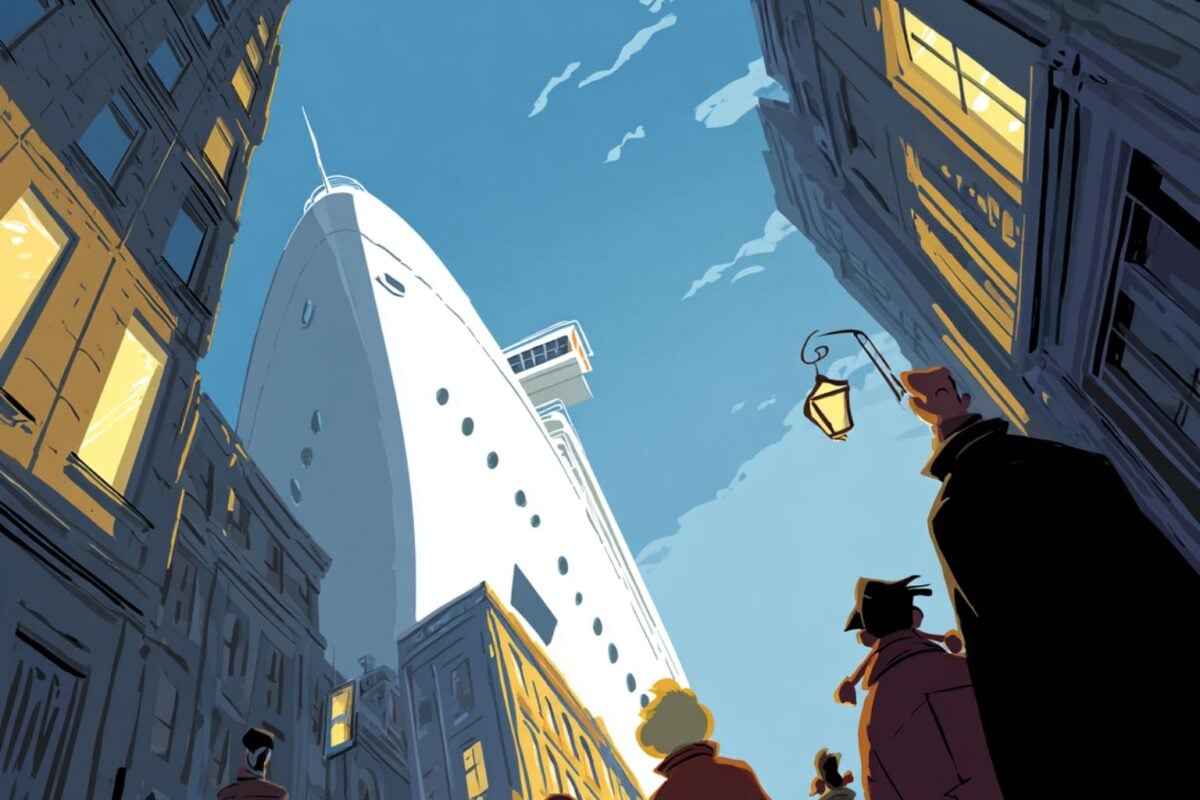
Susan Kemen is a Broadway superfan, but the Broadway themed cruise she booked is apparently not a fan of hers. Just a day after she plunked down $4,996 to see her favorite performers on the Norwegian Gem, she received a disturbing phone call.
A representative for the cruise organizer said there were “security concerns” and her reservation had been canceled. No explanation. No appeal. Just a terse dismissal that left Kemen wondering what she’d done wrong.
The answer, it turns out, may be “nothing at all.”
Kemen’s case raises several important questions about consumer rights and corporate accountability:
- Can cruise companies ban passengers without explanation?
- What recourse do consumers have when faced with vague “security concerns”?
- How can travelers protect themselves from arbitrary cancellations?
“No security issues whatsoever”
Kemen booked the Broadway cruise through a company called Sixthman. She’d researched the company, which it claims has been “the leader in festivals and music cruises for two decades” and “sets the stage for guests to experience moments that make life rock.”
This wasn’t an impulse purchase. She’d been following Broadway performers for years, attending shows regularly, and even running an Instagram fan page.
Sixthman’s Broadway Cruise aboard an NCL cruise ship promised an immersive fan experience: intimate concerts, Q&As, and rare access to stars from the Great White Way.
Top headliners included Tony winner Laura Benanti of Gypsy fame, Wayne Brady from The Wiz, and Tony-winner Alex Brightman of Spamalot and Beetlejuice. For Kemen, it was a chance to celebrate her passion among fellow fans and the performers who inspired it.
“I see shows on Broadway quite frequently, and have had interactions with several Broadway performers, none of which have resulted in any issues with security whatsoever,” Kemen said. “I have also sailed Norwegian Cruise Lines many times, and again, no security issues whatsoever.”
But the day after she made the reservation, a representative from Sixthman called with devastating news. The booking was canceled due to “security concerns.” When Kemen pressed for details, she hit a wall.
That’s when the real mystery began.
Kemen suggested her background check would make any company smile. No criminal record. No history of disruptive behavior. She pays her bills on time, maintains excellent credit, and describes herself as someone who “follows rules and laws.” Her most recent brush with law enforcement? A parking ticket over a decade ago.
“I don’t even jump the turnstile at the subway,” she told me. “If you do a background check on me, you might find my outstanding student loan balance, which is paid on time and in good standing.”
So what triggered the “security concerns”?
Companies should have to give a reason for a denial like this. Just like when a person is denied credit, an adverse action explanation is required by federal law. It’s not hard — there are a lot more credit transactions in the country than there are cruisers and I haven’t noticed that the credit markets have been shut down by this regulation. She deserves an explanation.
Read more insightful reader feedback. See all comments.
Can cruise companies ban passengers without explanation?
The short answer is yes, but it’s complicated.
Cruise passenger rights are limited because there is no federal government agency that regulates cruise customer service issues like arbitrary cancellations or passenger bans. The Federal Maritime Commission has narrow jurisdiction over cruise lines, primarily focused on safety rather than customer service disputes.
Companies that organize theme cruises operate in a gray area. They can refuse service to anyone, often citing security concerns or the need to maintain a positive environment for other guests. Their terms of service typically include broad language allowing cancellations at their discretion.
But here’s the catch: while companies can legally refuse service, they can’t keep your money without justification. When Sixthman canceled Kemen’s booking, it was required to provide a full refund – which it eventually did.
The real issue isn’t the legal right to refuse service, but the ethical obligation to provide transparency. Kemen wasn’t asking to keep her spot on the cruise. She just wanted to understand what went wrong.
“How am I supposed to know what to avoid if I don’t know what the problem is?” she asked in one of her follow-up emails.
This question cuts to the heart of consumer protection. If companies can ban customers based on secret criteria, how can consumers modify their behavior or address legitimate concerns?
The cruise industry has faced criticism for opaque policies before. Some lines maintain internal “do not sail” lists that passengers may never know they’re on. These lists can include everything from past legal troubles to complaints from other passengers, even if the complaints are unsubstantiated.
In Kemen’s case, her apparently spotless record and genuine confusion suggest she may have been mistaken for someone else, or that her enthusiasm for Broadway performers was misinterpreted as problematic behavior.
What recourse do consumers have when they’re banned?
When faced with vague security concerns, consumers have limited options.
1. Document everything. Kemen did this well, saving all communications and creating a clear timeline of events. This paper trail becomes crucial if you need to escalate the complaint.
2. Ask specific questions. Instead of accepting “security concerns,” push for details: “What specific security policy did I violate?” or “Can you provide the incident report that led to this decision?” Companies may not answer, but asking creates a record of their refusal to provide transparency.
3. Consider the source of the problem. Kemen’s case involved multiple parties: Sixthman (the event organizer), NCL (the ship operator), and various Broadway performers. The issue could have originated with any of them. A complaint from a performer, for instance, might have been mishandled or misinterpreted.
4. Use social media strategically. While Kemen ran a fan Instagram page, she was careful to use only publicly available content and give proper credit. This type of fan activity is generally protected and welcomed by performers who understand it builds their audience.
5. Consider legal action for cases involving significant financial loss or reputation damage. While Kemen received her refund, the unexplained ban could affect her ability to book other events or cruises in the future.
State attorneys general can sometimes help with consumer complaints, especially when companies refuse to provide basic information about their decisions. Filing a complaint creates an official record and may prompt the company to reconsider its position.
The key is persistence. Companies count on consumers giving up after the first “no.” Kemen’s case shows what can happen when someone politely but firmly demands answers.
How can you protect yourself?
Kemen’s experience offers several lessons for other consumers, particularly those who engage in fan activities.
Document your compliance with rules. Kemen’s detailed explanation of her behavior at Broadway shows – always following security requests, never attempting to access restricted areas, maintaining appropriate boundaries – created a strong defense against any accusations of improper conduct.
Keep fan activities transparent and professional. Kemen’s Instagram page used publicly available content with proper attribution. She never posted private information about performers or engaged in behavior that could be construed as stalking or harassment.
Curb your enthusiasm. What fans see as normal behavior – attending multiple shows, following performers on social media, waiting at stage doors – might appear concerning to someone unfamiliar with fan culture.
Use credit cards for large purchases. While Kemen’s American Express card didn’t prevent the cancellation, it would have provided additional protection if Sixthman had refused to issue a refund.
Read the fine print carefully. Event organizers often include broad cancellation clauses in their terms of service.
Consider travel insurance for expensive bookings
While it might not cover arbitrary cancellations, it could provide protection for other unforeseen circumstances.
Most importantly, don’t let fear of arbitrary enforcement stop you from being a fan. Kemen’s case appears to be an anomaly. Thousands of fans attend Broadway shows and themed cruises without incident.
The real drama here isn’t just Kemen’s canceled vacation, but the chilling effect it could have on other fans who worry about crossing lines they can’t see.
The resolution that wasn’t
After weeks of back-and-forth, Sixthman finally responded to our inquiry with a statement that raised more questions than it answered.
“We strive to provide once-in-a-lifetime immersive experiences to all of our guests as well as positive/engaging environments for our talent and staff,” CEO Jeff Cuellar wrote. “Although it happens rarely, it is sometimes necessary to exclude a member of the public to achieve these goals. Due to the sensitivity of the situation, we are not at liberty to elaborate with further detail.”
The company confirmed that Kemen received a full refund “the very next day” – though she waited weeks to actually see the money appear in her account.
But the core issue remains unresolved. Kemen still doesn’t know what she supposedly did wrong. She can’t fix a problem she can’t identify. And other fans are left wondering if their own enthusiasm might someday be deemed a “security concern.”
The most troubling aspect? Even after banning her from the cruise, Sixthman continued sending her marketing emails about the very event she couldn’t attend. It’s a final insult to someone who just wanted to celebrate her love of Broadway.
Kemen’s case isn’t really about cruise cancellations or even Broadway fandom. It’s about corporate accountability and the need for transparency. When companies make decisions that affect consumers’ lives, they should explain those decisions – especially when the consumers are clearly trying to understand and comply with expectations.
In an era where social media makes it easy to misinterpret enthusiasm as obsession, companies need clearer policies and better communication. Fans deserve to know where the lines are drawn, not discover them by accidentally crossing them.
Kemen never got her answers. That’s not just bad customer service – it’s a missed opportunity to turn a confused fan into a loyal customer who understands the rules.
Instead, Sixthman created a cautionary tale that will make other Broadway fans think twice before booking their next themed vacation. In the entertainment business, that’s the opposite of living loud.
Sixthman banned Susan Kemen from her dream Broadway cruise due to vague “security concerns” but refused to tell her what she did wrong. It raises a chilling question for every fan.
Your voice matters
What you’re saying
Readers debated whether cruise companies should be required to explain service denials, with some arguing for transparency similar to credit denials while others defended corporate discretion. The conversation also explored whether cruise lines are common carriers with legal obligations to serve passengers.
-
The transparency divide
Sheryl argued companies should explain denials just like credit agencies do by federal law, noting there are far more credit transactions than cruisers without market disruption. George Schulman countered that requiring explanations would invite endless disputes and legal challenges, making it easier for companies to simply say “no.” Alan Gore called for transparency and appeal processes, especially when shared ban lists affect multiple companies.
-
Reading between the lines
OnePersonOrAnother suspects that while Ms. Kemen believes her interactions with Broadway performers were problem-free, one or more performers may have viewed them differently, which would explain why NCL has no issue but the Broadway cruise does. Living on 5th Ave claimed her “Superfan” status was on the brink of obsession and made some uncomfortable, though Tim suggested she may have simply forgotten about something that triggered the ban.
-
The common carrier question
LFH0 provided extensive legal analysis arguing that cruise lines are common carriers under federal law, which means they’re obligated to serve all passengers without discrimination. He explained that the real legal question is whether Sixthman, as a charter company, inherited those common carrier duties when it chartered the entire vessel from NCL. George Schulman remained skeptical, noting this is a vacation offering, not essential transportation like Cunard’s transatlantic service.

Have a question about this story? Tell us what happened — we read every comment.
Join the conversation