in this case
- After a Lufthansa delay, a traveler receives a new itinerary that includes a flight on its partner, Air Canada.
- Air Canada denies boarding, claiming the reissued ticket is invalid, and refuses to help resolve the error.
- Both airlines blame each other, leaving the passenger stranded overnight with a $178 hotel bill.
Bonnie Thiel and her husband are stranded in Toronto after a flight delay on Lufthansa. Why won’t the airline cover her hotel expenses? And how does she get reimbursed for them, now that she’s home?
Question
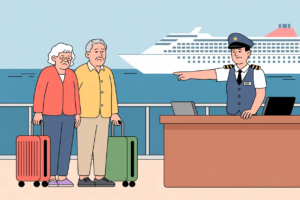
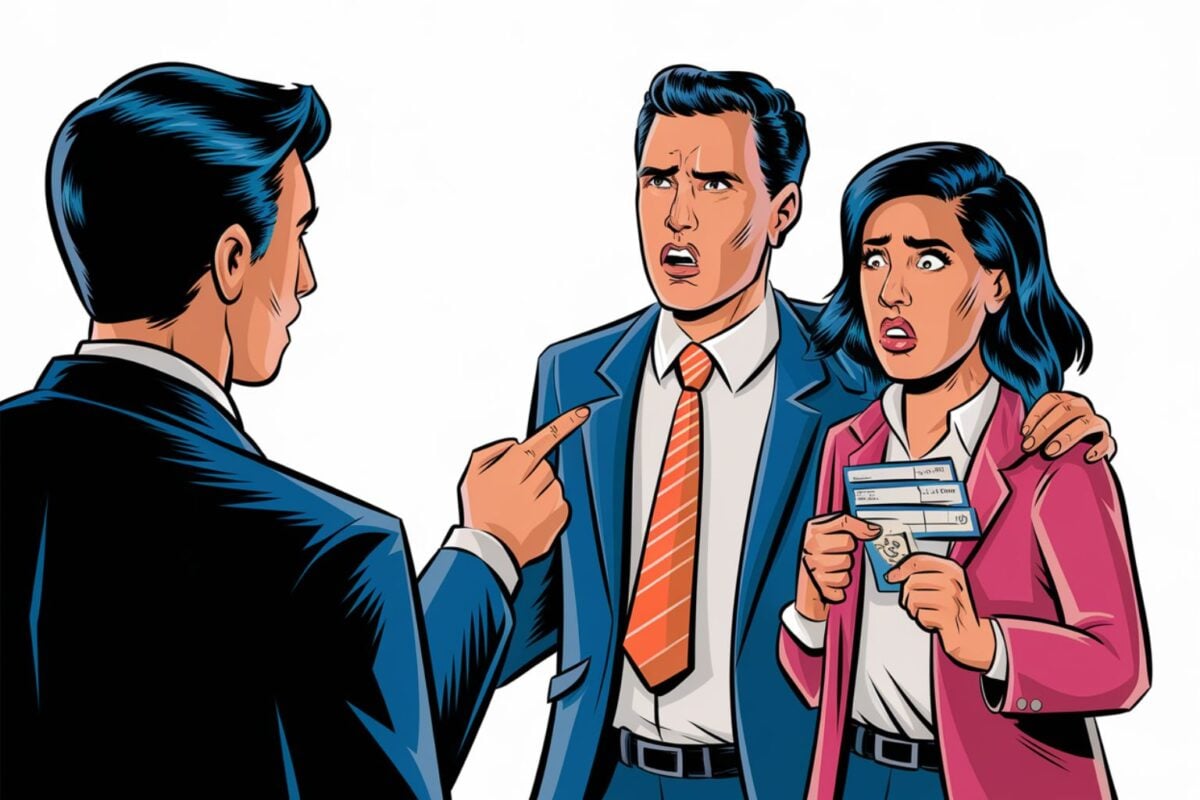
My husband and I were stranded in Toronto on our way from Stockholm to Cleveland after Lufthansa rebooked our flights due to a flight delay. The flights included a leg on Air Canada from Toronto to Cleveland. But even though we had boarding passes and a rebooking itinerary, Air Canada denied me boarding, claiming my ticket was not valid. (My husband’s boarding passes were valid.) Lufthansa refused to help, leaving me to pay $178 for a hotel. Neither airline will take responsibility. We flew home the next day. What can I do? — Bonnie Thiel, Broadview Heights, Ohio
Answer
When Lufthansa rebooked your flights, it should have ensured your ticket was valid on all segments — including the Air Canada leg back to Cleveland. Under EU Regulation 261/2004, which governs your initial delayed flight from Stockholm, Lufthansa had a duty to reroute you and cover necessary expenses caused by its delay. Issuing a faulty boarding pass and leaving you stranded in Toronto is a clear breach of that obligation.
Air Canada also failed you. The Montreal Convention requires airlines to honor valid tickets and boarding passes. If there was a ticketing error, it should have worked with Lufthansa to resolve it immediately, not abandon you at the gate. Both airlines’ “not our problem” responses are unacceptable.
You did almost everything right: You kept records and escalated your case to both carriers. Could you have done more? Maybe. First, booking a hotel yourself should have been your last resort. If you’re stuck in a stopover city, you need to apply pressure to your airline to help you then and there. Don’t book a hotel and then try to negotiate a refund, because airlines will always try to avoid paying.
Your voice matters
Code-share flights can be a nightmare when something goes wrong, with each airline blaming the other. We’d like to hear your thoughts.
- Have you ever been caught in the middle of a dispute between two partner airlines?
- Who do you think should be responsible for expenses when a code-share ticket fails — the airline that sold the ticket or the one operating the flight?
- What are your best strategies for getting an airline to help when you’re stranded?
Second, a brief, polite email to one of the airline’s executives might have helped. I list the executive contacts for Air Canada and Lufthansa on my consumer advocacy site, Elliott.org. Also, an appeal to the U.S. Department of Transportation (DOT) could have helped the airlines see the error of their ways. (Here’s our guide to resolving your consumer problem.)
Read more insightful reader feedback. See all comments.
So what went wrong? This was classic code-share confusion. In the correspondence you provided, Lufthansa wanted Air Canada to take responsibility for the flight because it was the “operating” carrier. But Air Canada wanted Lufthansa to take responsibility because its flight from Frankfurt to Toronto was delayed. As a result, no one would take responsibility. Come on!
I recommended that you send a complaint to the DOT, which regulates airlines in the United States, where you booked your ticket. You did, and you received a full refund for your hotel from Lufthansa.
Stranded by a code-share snafu?
Your guide to breaking the blame game
Your game plan at the airport
What to do if you have to pay

Is Air Canada ignoring your complaint?
When a code-share problem leaves you stranded and the airline won’t help, you need to talk to someone with authority. We have the executive contacts to get your case flying again. Get the Air Canada executive contacts
What you’re saying
For you, this story is a textbook example of the code-share trap. You see a system designed to benefit airlines, not passengers, where two companies can share profits but dodge responsibility, leaving travelers to pay the price for their internal blame game.
-
It’s a system of shared money, not shared accountability
As The Brown Crusader puts it, “code-share agreements are a trap for travelers.” You’re frustrated by a setup where, in Jennifer’s words, you’re left “staring at two logos that mean the same thing: ‘not it.'” You feel the entire arrangement is designed to create confusion and let airlines off the hook.
-
You’re divided on which airline dropped the ball
While some of you, like sister7, believe a “competant gate agent” at Air Canada could have solved the problem, others like Berkinet argue it was a ticketing error that only Lufthansa, the original issuer, could fix. This debate highlights the very confusion that leaves passengers stranded.
-
Sometimes you have to take matters into your own hands
Several experienced travelers, including Frank Loncar, push back on the advice to wait for the airline to book a hotel. They argue that during mass cancellations, waiting is a recipe for disaster, and it’s better to secure your own room before they’re all gone.


Have a question about this story? Tell us what happened — we read every comment.
Join the conversation