in this case
- A customer attempts to buy a modem from AliExpress, but the order fails to generate a confirmation or appear in his account.
- Despite the nonexistent order, PayPal charges his Citi credit card for the $370 purchase.
- AliExpress, Citi, and PayPal each refuse to help, creating a bureaucratic runaround that leaves the customer without the product or his money.
When Kenneth Rogers orders a modem through AliExpress, he receives nothing but a $370 bill. How can he get his money back?
Question
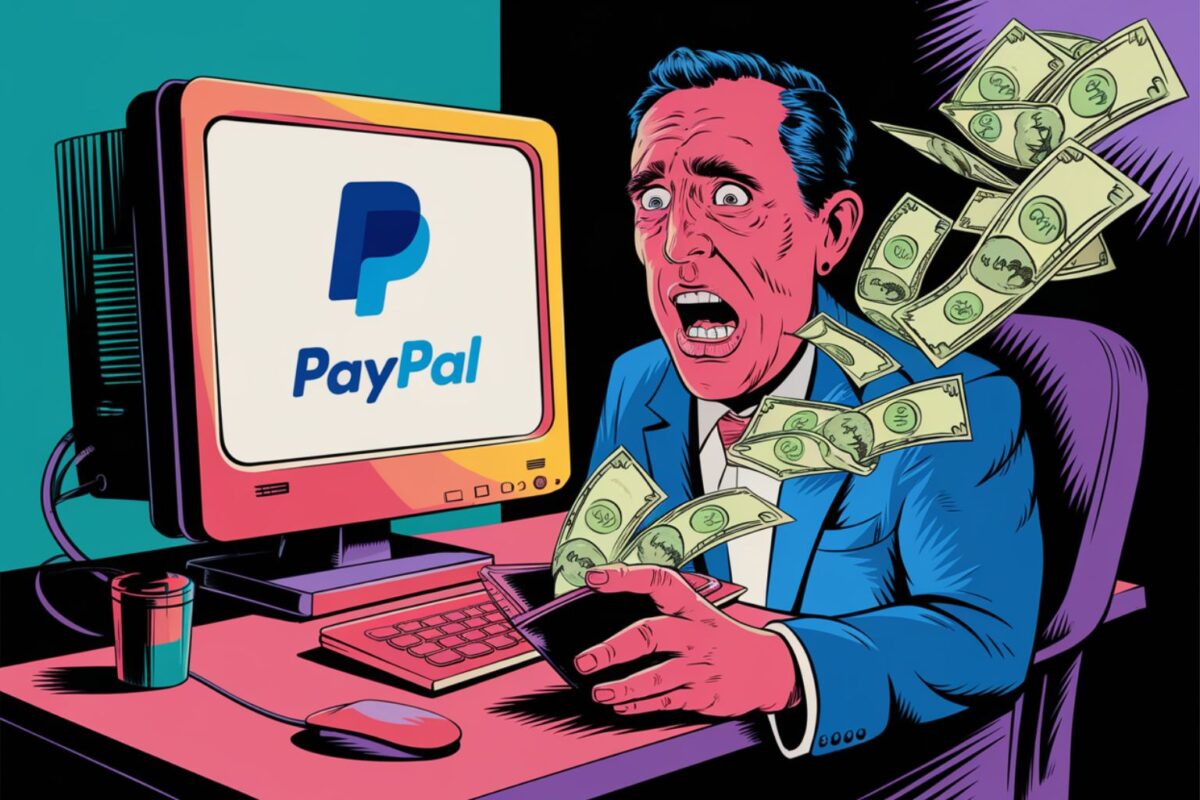
I tried buying a cable modem-router from AliExpress using PayPal, which charged my Citi Mastercard. After submitting payment, I never received an order confirmation, and the website showed no record of the transaction. PayPal charged me $370 anyway.
I contacted AliExpress immediately via chat. They provided a case ID but no resolution or follow-up. When I disputed the charge with Citi, they closed the case, claiming they couldn’t force a refund without merchant approval. PayPal also refused to investigate because I’d filed a dispute through Citi. AliExpress ignored multiple follow-ups, and I’m stuck paying for a nonexistent order. What can I do? — Kenneth Rogers, Prescott Valley, Ariz.
Your voice matters
When an online order goes wrong, getting a refund can become a battle between the merchant, your credit card company, and a payment processor like PayPal. We’d like to hear your thoughts.
- Have you ever been charged for an online order that never materialized?
- Who do you believe is ultimately responsible for securing a refund in a case like this?
- Does using a third-party payment service like PayPal make disputes easier or more complicated?
Answer
AliExpress, Citi and PayPal failed you — big time!
Let’s start with what should have happened. When an order doesn’t generate a confirmation, the merchant must either provide proof of shipment or issue a prompt refund. Under the Federal Trade Commission’s Mail, Internet, or Telephone Order Merchandise Rule, companies have 30 days to ship items or notify customers of delays. If they can’t deliver, they must refund you. AliExpress clearly violated this by charging you without acknowledging the order or providing a timeline for resolution.
Citi’s response was equally concerning. Under Regulation Z, which governs credit card disputes, issuers are required to investigate billing errors and temporarily credit your account while reviewing a claim. Citi’s dismissal of your case — citing a lack of a “credit slip” from AliExpress — ignores its duty to advocate for you. (Related: Here’s our best guide to resolving your consumer problem.)
PayPal also dropped the ball: its Purchase Protection Program should cover unauthorized or unfulfilled transactions, but it deferred to Citi instead of opening its own investigation.
Read more insightful reader feedback. See all comments.
You did everything right by starting a paper trail with AliExpress and escalating to your credit card issuer. Could you have done more? Maybe. Careful consumers always take a screenshot of their confirmations, and that might have helped you. And you might have also paid the company directly through your credit card instead of a third party like PayPal. That just added to the confusion in your case.
I contacted AliExpress on your behalf. A few days later, you received a notification from PayPal that a $370 refund had been issued. It did not explain what had gone wrong. As far as I can tell, there was some confusion among the company, your credit card and PayPal. And even though you never received a modem, it seems the companies could not find your refund either.
The takeaway? Persistence pays — but no one should need a consumer advocate to fix a straightforward billing error. Hold companies accountable by knowing your rights, documenting everything, and escalating early.
Charged for a phantom order?
Your guide to getting your money back
Your first moves
If the merchant won’t help
What you’re saying
This story of a phantom order and a three-way blame game hit a nerve. You see a system where sellers, payment platforms, and banks all take a cut but refuse to take responsibility, leaving the consumer to pay the price for their collective failure.
-
You call it the ‘digital blame loop’
As The Brown Crusader points out, this is a modern nightmare where three corporations—AliExpress, PayPal, and Citi—profit from a transaction but then point fingers when it fails. You’re fed up with a system designed to protect platforms, not people.
-
You say Citibank is the biggest ‘baddie’
While the seller seems sketchy, many of you, like GradUT and Dee Eagle, are angriest with Citibank. You argue the bank is “full of it” for claiming it couldn’t act. You believe Citi had a clear obligation to initiate a chargeback and protect its customer but chose to ignore its responsibility.
-
Your advice: Document everything
This case serves as a stark warning. Readers like Mary B shared similar horror stories about ordering from unknown overseas companies. Your number one piece of advice comes from top commenter JenniferFinger: “Always take screenshots of online transactions!” Without that proof, you’re just another victim in the blame game.




Have a question about this story? Tell us what happened — we read every comment.
Join the conversation