in this commentary
- Travel companies are deliberately making travel uncomfortable—from cramming passengers into tiny seats to cutting services—to force upgrades and collect junk fees.
- Cancellations and “unsuitable accommodations” are spiking this holiday season, leaving travelers stranded or stuck in smoky rooms.
- Learn how to fight back against these “extreme inconveniences” by knowing your rights, using travel advisors, and packing a survival kit.
I’m still wondering how I ended up in seat 18E — a middle seat — on a Hong Kong Express flight from Phuket, Thailand, to Hong Kong. But it was an extreme inconvenience.
I was wedged in with just 28 inches of pitch between seats, which is about two inches less than normal. The plane smelled like mildew and body odor, and the seats looked threadbare. I thought of moving to one of the empty exit row seats, which offered a little more legroom, but a flight attendant sternly warned me that there would be an extra charge.
I was stuck.
This holiday travel season, the extreme inconveniences have never been worse, according to many travelers who have contacted me for help. Experts say there’s a reason behind it: Pain is a great motivator for travelers.
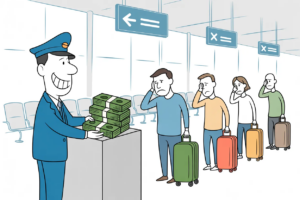
“Far too many travel companies today have shifted to upselling customers for more conveniences and more junk fees,” notes Bill McGee, a senior fellow for aviation and travel at the American Economic Liberties Project. “This includes not only airlines, but also hotels, resorts, car rental firms, theme parks, and even cruises.”
McGee says inconveniences are baked into the travel experience. The solution offered by travel companies is for travelers to pay more.
“Are your airline seats so cramped that you’re vulnerable to blood clotting disorders, let alone hampered during an emergency evacuation?” he asks. “Produce your credit card!”
That’s the message I got, loud and clear. Pay for an exit row seat. Or better yet, buy a ticket on a legacy carrier like Thai Airways or Cathay Pacific, which would have cost double. What a choice!
But experts say you do have a choice. Even when travel plans go awry, staying informed and proactive can turn setbacks into a manageable problem.
Your voice matters
Travel companies are intentionally making the basic experience miserable to force you to pay for upgrades. Cramped seats, smelly cabins, and zero service are becoming the standard. We want to hear your thoughts.
- Do you agree that travel companies are manufacturing “extreme inconveniences” to upsell you, or is it just bad service?
- What is the worst “extreme inconvenience” you have faced recently? A surprise cancellation, a dirty room, or a seat that was too small?
- How do you handle these situations? Do you pay for the upgrade to avoid the pain, or do you refuse on principle?
What kind of extreme travel inconveniences are travelers facing?
It’s a long list, but here are a few highlights:
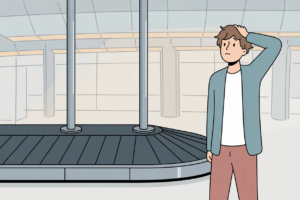
A sudden flight cancellation
It happens a lot during the holidays, sometimes with little warning. “Suddenly, you’re stuck at the airport while your family gathering goes on without you,” says Anton Radchenko, CEO of AirAdvisor. But few people realize that if the airline is at fault, you may be entitled to more than just a rebooking. “Most travelers don’t realize they can reject a poor alternative and demand a full cash refund, even on a nonrefundable ticket,” he says. And if the cancellation causes an overnight stay, most U.S. airlines are required under their customer service plans to cover hotel and transportation costs, except in cases of severe weather or other uncontrollable events.
Unsuitable accommodations
When travel gets busy — really busy — then quality slips. It happens during peak travel times like the holidays. Kat Shortsleeve remembers checking into a smoke-free hotel room in Abu Dhabi recently that “smelled like someone had chain-smoked their way through it.” The hotel was full, but Shortsleeve, who runs a travel agency, didn’t let that stop her. She went to the front desk and calmly explained the situation. And it found another room for her. “I got upgraded to a much nicer room,” she says. “A little politeness goes a long way.”
No room at the inn
“We hear from stranded travelers all the time — people who had their accommodations canceled at the last minute,” says Alex Alioto, head of growth at Whimstay, a vacation rental site. Travelers don’t realize that while many vacation rental platforms will allow a host to cancel, travelers have guarantees that allow them to get rebooked. Hotels also have informal policies where they’ll pay for your new accommodations if they run out of rooms. And if not? Call your travel advisor or use a last-minute booking site to find a replacement.
Interestingly, for all of these inconveniences — including the one I had — the travel industry’s solution seems to be: Spend more money. Take the sudden flight cancellation, for example. The airline would prefer you to accept a ticket ticket credit that you’ll forget about, or that expires before you are able to use it. Bad accommodations? Find a new place. No room at the inn? Same.
And in my case, of course, I should have paid more for those blocked exit row seats — although that wouldn’t have fixed the smell.
These travel problems could happen to you soon, warn experts.
“During the winter holiday season, these extreme inconveniences tend to spike, simply because so many people are traveling at the same time,” says Raymond Yorke, a spokesman for Redpoint Travel Protection.
This survival guide is exactly what I needed before my holiday trip. I have already packed my rescue kit with earplugs and snacks thanks to your suggestion. It is so validating to have an advocate like you fighting for us against these greedy corporations.
Read more insightful reader feedback. See all comments.
How to avoid extreme inconveniences
- Always confirm your reservations. Reconfirm them 24 to 48 hours before your stay or flight. When you’re traveling during the holidays, cancellations happen more frequently. Assume nothing.
- Use a travel advisor. If you’re a DIY kind of traveler, focus on a proven and vetted agent who will stand behind the product you book. You can find an agent at the American Society of Travel Advisors site.
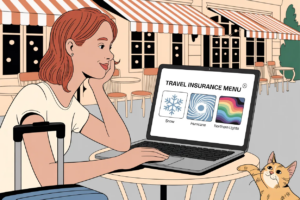
- Consider travel insurance. If something goes wrong — say, you miss a connection — insurance can cover your accommodations. “Lengthy travel delays are inconvenient,” says Allianz Partners USA spokesman Daniel Durazo, “but they don’t have to be expensive.”
Here’s one more insider tip. Yorke says he likes to pack a carry-on “rescue kit” that includes earplugs, snacks, a power bank, and personal essentials in case of delays.
But could I have avoided getting sardined into a small seat on an Asian discount airline? Maybe, by paying more or booking a different airline. But maybe I should have known that travel itself is filled with extreme travel inconveniences that are sometimes inescapable.
How to avoid extreme travel inconveniences
Don’t let airlines and hotels ruin your trip
The upsell trap
Common nightmares
Your survival guide
What you’re saying
Readers aren’t surprised by the “extreme inconveniences” mentioned in the article. Top commenter Blues Traveler feels validated by the advocacy against “greedy corporations,” while others debate whether upgrades are a luxury or a necessity.
-
The system is designed to upsell
Jennifer argues that “inconvenience as a business model” is undeniable, with the system designed to “funnel you into” upgrading. JenniferFinger agrees, noting that companies bank on “desperate travelers” who will pay anything to avoid the misery of basic economy.
-
You get what you pay for
737MAXPilot pushes back on complaints about budget airlines, stating that complaining about a lack of luxury on a discount ticket is like “complaining that a bus isn’t a limousine.” Gerri Hether admits business class is the “ultimate upsell” but worth it to avoid the hassle.
-
It shouldn’t be “normal”
Laura contends that smoke-filled rooms and last-minute cancellations shouldn’t be normalized. Mr. Smith agrees that junk fees are out of control but suspects bad smells are more about “understaffing and cutting corners” than a grand conspiracy.

Have a question about this story? Tell us what happened — we read every comment.
Join the conversation