In this case
- As travel anxiety increases, many are turning to rituals like knocking on the plane or carrying talismans for comfort.
- Some superstitions, like refusing a room on the 13th floor, can get in the way of a trip.
- While rituals can be comforting, are they a distraction from the proven strategies that actually make travel safer (like insurance and research)?
Do you knock three times on the airplane fuselage before you board a flight? Or do you carry a lucky rabbit’s foot on vacation? If you do, then you might be a superstitious traveler.
Paula Gill is one of them. Whenever she takes her seat on a plane, she remembers the recent crashes — and makes the sign of the cross.
“I’m not particularly religious,” says Gill, a retired human resources consultant from Trappe, Pa. “It just feels like the right thing to do.”
In a world of uncertainty, Gill is less of an exception than the rule.
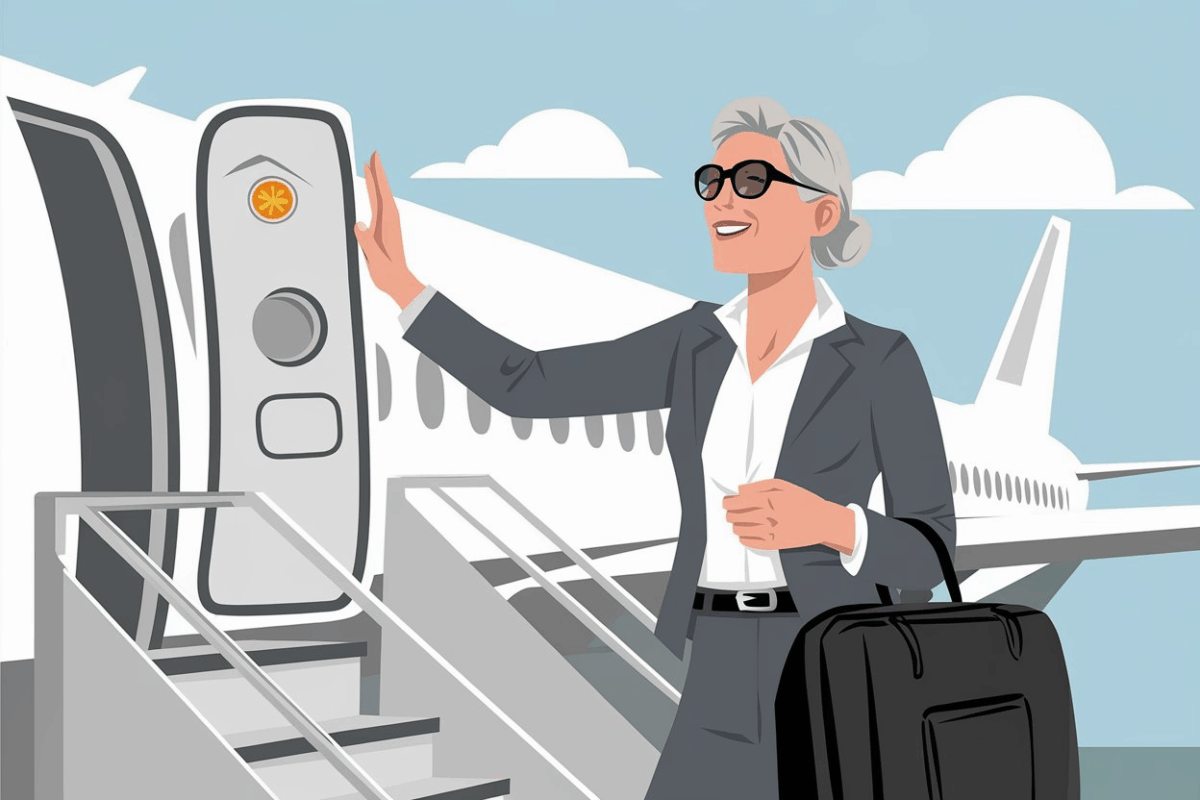
“One of the most common rituals I see when I travel is touching the outside of the aircraft before stepping inside,” says Bob Bacheler, the managing director of Flying Angels, a medical transportation service. “Some travelers tap the plane, kiss their fingers, or knock on the hull.”
Superstitions help make sense of a senseless world. When you’re unable to count on even the basics, like air traffic controllers showing up for work during the government shutdown, a St. Christopher medal or a Shambhala bracelet may be the next best thing.
“Superstitions help to bind anxiety and manage stress,” explains Thomas Plante, a psychology professor at Santa Clara University. “There are many good reasons for travelers to be nervous nowadays, given the turmoil in the world. This kind of behavior will only increase as their anxiety increases.”
Whether these practices are effective or not is a question above my pay grade (I’m a travel columnist, not a religion writer). But what I can tell you is that there are effective ways of ensuring you’ll have a safer trip, and they are remarkably simple. I’ll share a few of them in just a minute.
Your voice matters
In a world of travel uncertainty, many people are turning to rituals for comfort. We want to hear your thoughts.
- Do you have a travel ritual or superstition (like knocking on the plane)?
- Why do you think people (or you) do this? Is it for comfort, anxiety, or something else?
- What’s the difference between a harmless superstition and practical preparation (like buying insurance)?
What are travelers doing for good luck?
Here are just a few ways travelers are trying to find safety in an unsafe world.
Knocking three times before boarding a plane, train or bus. “That’s one of the quirkiest rituals I’ve seen,” says Liam Perkins, a marketing manager from Los Angeles. On a recent flight from Los Angeles to Tokyo, he saw a woman tapping on the plane’s exterior before boarding for good luck. “It was like a woodpecker — tap, tap, tap,” says Perkins. I’ve spoken with other frequent fliers, who have also observed the knocking ritual.
Circling their luggage before their trip. Strange, but true. Some travelers circle their luggage three times for good luck. Hikers will circle a backpack three times before going on a hike. “It serves as an emotional need for safety and grounding,” explains Deepak Shukla, CEO of Pearl Lemon Adventures, a travel agency.
Wearing charms and talismans when they travel. On a recent flight to Lisbon, Kaz Marzo saw a fellow passenger kiss a talisman before boarding. “Another one clutched a tiny laminated photo of their child during takeoff,” says Marzo, who works for a photography website in Washington, D.C. He even has his own pre-trip ritual: he taps the zipper of his camera bag twice. “It’s silly, but it started years ago after I narrowly avoided a major equipment failure on a shoot in Tokyo. Ever since, that small gesture feels like locking in good luck,” he says.
Plante, the psychologist, says there’s much more under the surface — the quiet prayers and mantras travelers are repeating before they start their trip. Or the superstitious things they do every day, like not stepping on cracks in the sidewalk or avoiding walking on metal sidewalk gratings. No one can see that, but Plante and other experts suspect that as travel gets more stressful, these behaviors will increase.
Your superstitions may comfort you, but do not let them replace facts. Do the research as Mr. Elliott suggests, but keep in mind with crime stats: some jurisdictions do not report their crime incidences, so they may look more safe than they actually are. So when looing up crime stats, also use another source like social media and/or Reddit. But always question what you see as some are prone to exaggeration.
Read more insightful reader feedback. See all comments.
Are superstitions getting in the way of your trip?
Here’s the thing: While most superstitions are harmless, some are not. Alex Andreichuk, a travel advisor, has seen some that can interfere with a trip in a significant way.
For example, some of his clients refuse a room on the 13th floor because they think it’s bad luck. In fact, many hotels don’t even have a 13th floor because of widespread triskaidekaphobia — the fear of the number 13. Another client refused a hotel room because a mirror was facing the bed, which she thought was bad luck.
“I’ve met climbers who won’t start their Kilimanjaro trek on a Friday, as they think it’s unlucky,” he adds.
Andreichuk says he doesn’t judge, but people might be missing out on opportunities by being so superstitious — like a better room or a perfect day on the mountain. And while these beliefs have always been a part of travel, there’s a sense that as uncertainty increases, so do the superstitions and rituals that can affect the quality of your trip.
Is there a better way to increase certainty when you travel?
I’m not suggesting you should leave the Black Tourmaline crystals at home or stop making the sign of the cross when you board a flight. But there are real things travelers can do that are proven to help make a trip more secure. Think of them as your other good luck charms.
- Hire a competent travel advisor. Working with a human agent who can help you when something goes wrong can increase your peace of mind. You can find a great travel agent at the American Society of Travel Advisors website. Note: You’ll want to do a little research before you decide to hire one. I publish a free guide to finding a travel advisor on my advocacy site, Elliott.org, that can help.
- Buy travel insurance. A solid travel insurance policy can cover the most common problems you might encounter, from having a trip disruption to falling ill. Travelers often believe their credit card will cover them for most perils, but that’s not always correct.
- Research your trip carefully. Even a small amount of research will reveal that flying is the safest way to travel and that there’s no evidence that staying on the 13th floor is dangerous. And doing your homework on crime and health issues at your destination will help you avoid trouble, perhaps more than a rabbit’s foot or a talisman. Here’s my guide to travel safety and health.
The point is, there are plenty of travel superstitions that may or may not work. But there are a few things that definitely work.
By the way, even travel columnists aren’t immune to rituals. I had a lucky luggage tag shaped like a sea turtle for a long time — a gift from my friends at Limpi Recycling in Curaçao — that I attached to my checked baggage. My bag was always returned to me safely when I traveled with the turtle. For some reason, the customs agents in Malaysia removed it and now … well, I’m feeling a little insecure. I really miss that turtle.
Beyond superstitions
Your guide to what actually makes a trip safer
Get professional help
Buy the right protection
Do your homework
What you’re saying
Readers are split on the value of superstition. While the top comment argues for replacing comfort with hard facts, others suggest that “real” luck comes from elite status, not charms, while some just want travelers to read the contract.
-
Facts, not feelings
Top commenter Tim argues that while superstitions offer comfort, they can’t replace facts. He advises travelers to research crime stats (and cross-reference on social media). 737MAXPilot agrees, saying travelers should “read the terms and conditions” instead of looking for a “lucky penny.”
-
Loyalty status is the only “real” luck
Miles Will Save Us All dismisses superstitions entirely, arguing that “real travelers know that airline status is the only reliable luck charm you need.” Christopher Elliott, however, dismissed this idea.
-
A failure of state control
Dangerous Ideas offers a different take, claiming that traveler fear is a “failure of state-managed control” and that “liberty and low taxes are the only real travel insurance you’ll ever need.”


Have a question about this story? Tell us what happened — we read every comment.
Join the conversation