In this commentary
- Holiday travel brings anxieties about cancellations, lost luggage, costs, weather, and illness, making insurance a key consideration.
- Experts note trends like increased medical coverage, quarantine benefits, and a rise in “cancel for any reason” policies.
- What strategies should travelers use to ensure they have the right coverage for their Thanksgiving, Christmas, or New Year’s trips?
When Erik Wright booked a trip to Europe last Christmas, he decided to add a travel insurance policy to his purchase. He’s glad he did.
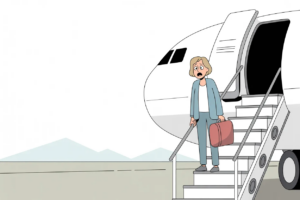
Winter storms delayed his departure by two days, forcing him to change hotels and cancel nonrefundable tours.
“The insurance reimbursed nearly $3,800 in unexpected expenditures and rescued our holiday schedule,” he says.
So when Wright started planning a holiday trip this year, he considered travel insurance to be a necessity, not an afterthought.
“It’s more important than ever,” he says. And it’s changing. Wright, the CEO of a real estate company in Chattanooga, Tenn., noticed more of an emphasis on medical coverage, with policies now providing more extensive health protection and coverage for unforeseen quarantine costs. Another notable change: There are more “cancel for any reason” policies available, which allow you to cancel your holiday trip for any reason and receive a partial refund of your prepaid, nonrefundable expenses.
“Travel insurance is designed to protect you against unforeseen events that could disrupt your plans, like severe weather or unexpected illness,” says Terry Boynton, president of Yonder Travel Insurance.
There’s also a sense of anxiety this holiday travel season, according to John Gobbels, chief operating officer of Medjet, an air medical transport and security response membership program.
“During last year’s holiday season, many U.S. travelers faced unexpected delays, illnesses, and safety concerns, resulting in missed celebrations or financial losses,” he says. “This year, we anticipate that experienced holiday travelers will take a more proactive approach.”
But what do travelers actually need — and where are they going this holiday season? Has anything changed from the last holiday season? And what are some of the best strategies for buying insurance?
“Things can change fast during the holidays, and having a solid plan in place can really help if something unexpected comes up,” says Stephen Samataro, chief revenue officer for AXA Partners US.
Your voice matters
With unpredictable weather, potential illness, and high costs, holiday travel comes with risks. We want to know how you’re approaching travel insurance this season.
- What’s your biggest worry when traveling during the holidays (Thanksgiving, Christmas, New Year’s)?
- Do you typically buy travel insurance for holiday trips? Why or why not?
- Have you noticed changes in travel insurance policies recently, like more medical coverage or “cancel for any reason” options?
Where are travelers going?
Experts say travel insurance is an important consideration for a holiday trip, this year more than ever.
“With lots of people traveling and unpredictable winter weather, the likelihood of something going wrong increases during the holiday season, like illness, flight delays and cancellations, and lost luggage,” says Kimberly O’Donovan, vice president of operations at Travelex Insurance Services.
Research by Allianz Partners USA found that 83 percent of American holiday itineraries were for domestic travel and 17 percent were for international trips. Among international destinations, it found that Mexico beach towns took three of the top four most popular spots.
“We expect that Mexico will retain its allure for American travelers given its proximity to the U.S., its reliable weather and the increasing appetite Americans have for all-inclusive vacations,” notes Daniel Durazo, director of external communications, Allianz Partners USA.
Faye Travel Insurance also crunched some numbers for holiday travel insurance sales, and Mexico tops the list, followed by Germany, the Bahamas, Jamaica and France. It also found a surge in purchases of “cancel for any reason” policies.
“This could be because travelers are taking extra precautions given current economic uncertainty,” says Elad Schaffer, Faye’s CEO.
In other words, potentially bad weather and international travel make travel insurance an imperative for many travelers this holiday season.
What a perfect system for the insurance behemoths. They get to profit from the chaos created by their corporate airline buddies. The wealthy can just book a new flight on their private jet or laugh off a lost deposit. Meanwhile, working families are forced to either gamble with their vacation money or pay a protection fee to these massive companies.
Read more insightful reader feedback. See all comments.
What’s new this holiday travel season?
The prospect of traveling this Thanksgiving, Christmas and New Year’s fills many travelers with uncertainty this year. Even travel companies are feeling it.
“With many hotel properties taking full payment 60, 90 or even 120 days in advance, it is advantageous to take insurance on these larger payments due to the ongoing global uncertainties,” notes Andrew Steinberg, an Ovation Travel Group advisor.
At the same time — and despite global uncertainties — travel demand remains strong.
“That’s especially true for European Christmas market trips and New Year’s escapes in warmer Mediterranean regions,” says Charlie Neville, marketing director at Jayway Travel. His agency is seeing travelers planning further in advance, which gives them a better window to purchase coverage, including “cancel for any reason” policies.
What are travelers worried about this holiday season?
According to recent research by Yonder, here are the main concerns for travelers this holiday season.
Canceled trips: Canceled trips are a major worry for travelers during the holidays, and it’s easy to see why. With heightened travel demand, winter weather, and the potential for unexpected events, plans can quickly go awry. “Families often invest significant time and money into holiday travel, making the thought of cancellations particularly stressful,” says Boynton.
Lost baggage and personal Items: When you’re traveling for the holidays and your luggage goes missing, it could mean your family might not be getting their gifts, and you have to buy extra clothing and toiletries.
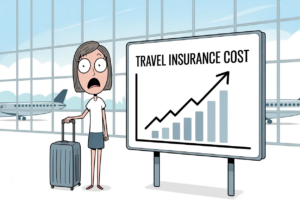
Increased travel costs: “Travel isn’t getting any cheaper, and with already expensive holiday travel prices, more is at risk when booking trips during the holidays,” adds Boynton. Protecting your trip, so that expenses due to cancellation or interruption are covered, is key to peace of mind during what is oftentimes a stressful holiday season.
Inclement weather: Winter weather can make travel difficult, and even delay your arrival or make the whole trip impossible.
Sickness: If you come down with a serious illness, it often means you might have to cancel your trip. Plus, flu season is just around the corner, and COVID remains a possibility, too.
Strategies for insuring your holiday trip
Insurance pros say the new travel landscape demands some new insurance-buying strategies.
Buy your policy early
“The best way to safeguard your holiday travel is to purchase insurance as soon as you make your first nonrefundable trip payment,” says Carol Mueller, vice president of marketing at Berkshire Hathaway Travel Protection. “This may ensure you receive bonus coverage for something such as cancellation due to pre-existing medical conditions.”
Focus on cancellation benefits
“With the increase in overall travel spend this year, it’s even more important to consider trip cancellation protection,” says Stan Sandberg, co-founder of TravelInsurance.com. His research has found that the average vacation cost is up 10 percent, to $8,500, from last holiday season. Meanwhile, the price of travel insurance is still fairly low. A travel insurance plan can cost as little as $25 per day and will protect you against the risk of a cancellation from an unexpected event, notes Sandberg.
Check your credit card
“Review the benefits that may come with your credit card,” says Ned Tadic, a spokesman for Squaremouth. Some of these may offer the coverage you need, but he says it’s far more likely that the built-in travel protections are limited and don’t provide the comprehensive coverage you’d get from a standalone policy. And always remember that you have to use the credit card to purchase travel if you want the coverage to be effective.
Whether you’re just visiting relatives or headed abroad this holiday travel season, this is a good time to think about travel insurance.
“Travelers want peace of mind,” says Rinkoo Dhimar, vice president of digital marketing and sales at VisitorsInsurance.com. A good travel insurance policy can provide that during the busy Thanksgiving, Christmas and New Year’s travel season.
Insure your holiday travels
Key strategies for buying coverage this season
Why insurance matters now
Smart buying strategies
What you’re saying
This article sparked a fiery debate about travel insurance. While the top commenter argues it’s a “protection fee” forced on families by corporate “behemoths,” other readers offer a more nuanced take on when, and if, to buy a policy.
-
Standalone policies are superior
Gerri Hether makes a case for comprehensive, third-party insurance, noting she’s been fully reimbursed twice for last-minute cancellations. Sandra and Berkinet warn that credit card coverage is a “trap” with low limits and many exclusions.
-
The “self-insurance” strategy
Berkinet suggests an alternative: self-insurance. He argues that for many people, the risk of losing one $250 airfare is less than the cost of insuring 20 separate flights. George Schulman agrees for lost bags, but counters that medical and evacuation coverage is the real reason to buy.
-
It’s a corporate “protection fee”
Top commenter Blues Traveler argues the whole system is rigged, allowing “insurance behemoths” to profit from airline chaos. Mr. Smith agrees, stating the problem isn’t a lack of insurance, but the fact that “giant airline cartels” control the market.



Have a question about this story? Tell us what happened — we read every comment.
Join the conversation