Illustration of a worried woman in a tank top standing at a cruise ship railing, shading her eyes with one hand as she scans the horizon against a clear blue sky.

SAS lost her luggage—then a motel in Stockholm found it

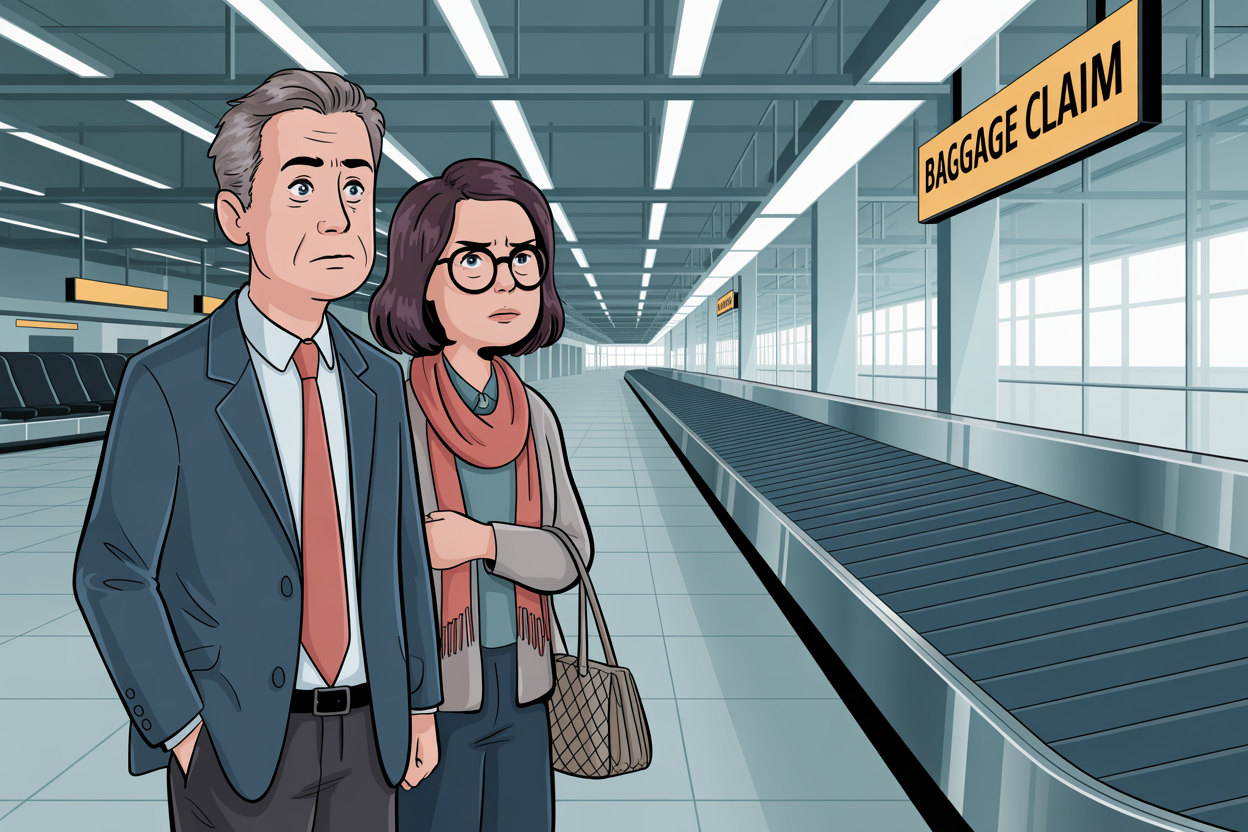
After Patrice Krecek’s suitcase did not arrive at Stockholm’s airport, she did everything right. She filed a Property Irregularity Report with SAS. She submitted a claim. She called customer service, more than once. Maybe she should have checked the Motel L Alvsjo, a 40-minute drive away, because that is exactly where her luggage turned up five weeks later, how it got there a mystery wrapped in pink duct tape. Inside that bag was most of her clothing for a 14-night cruise, including a new sweater she had bought just for the trip and never got to wear. Her husband had wrapped the case in hot pink tape so it would be easy to spot on the carousel, a detail that would matter more than he could have guessed. The motel could only hold the bag for a month before donating it. SAS had the address, the photos, and clear instructions, and still the suitcase sat 4,000 miles away. What it took to finally get it moving, and whether a claim filed one day late would cost the Kreceks everything, is where this case turns.
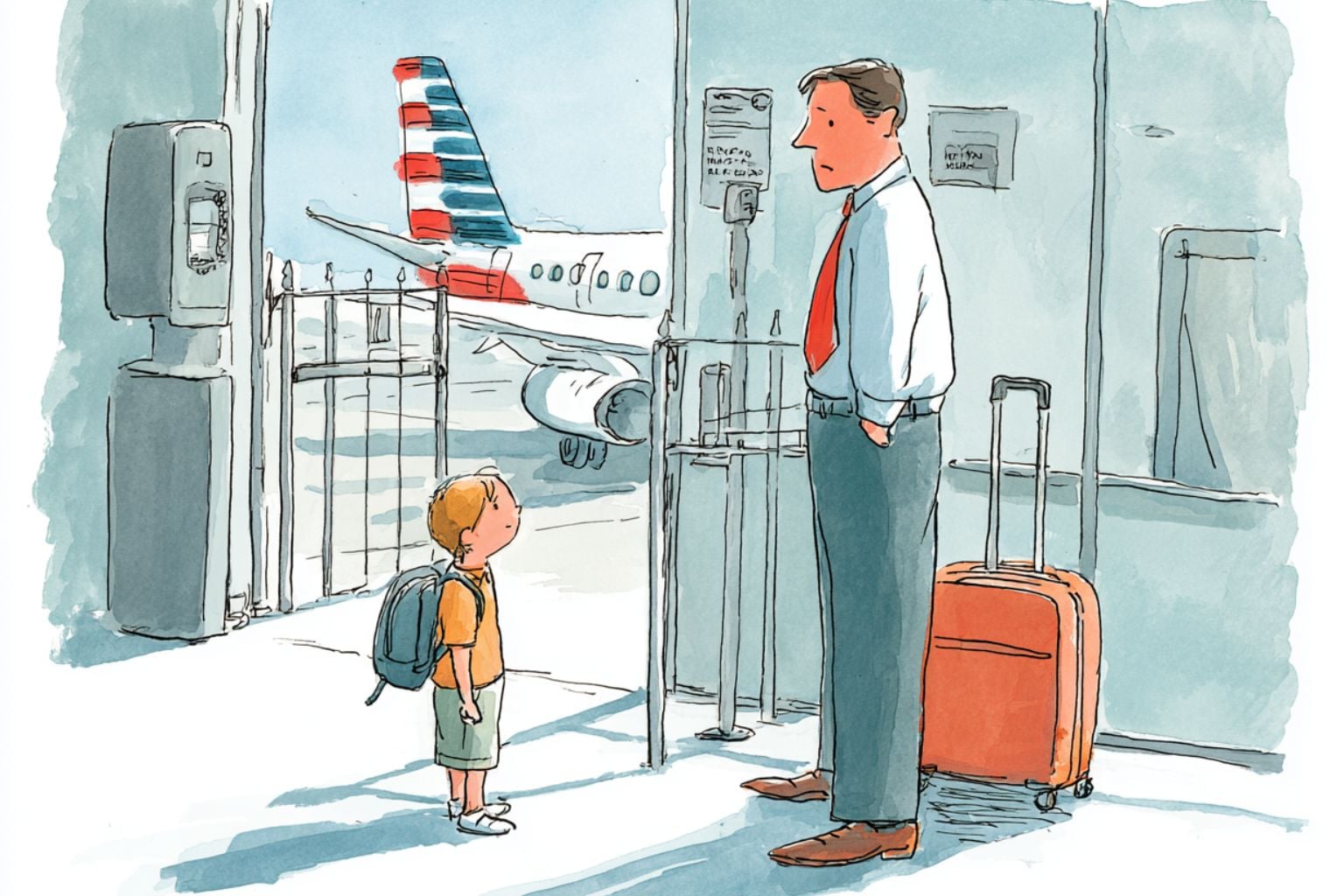

Watercolor editorial illustration of a father in a white shirt and red tie standing with his young son who carries a backpack at an American Airlines departure gate, with an American Airlines plane visible through the window beyond the closed gate door, illustrating how families get separated when airlines pull passengers from boarding lines and document involuntary bumping as voluntary

American Airlines claims I voluntarily gave up my seat, but that’s a lie

Charles Shearer was traveling from Cleveland to Japan for his mother-in-law’s funeral when American Airlines pulled him and his young son from the boarding line. His grieving wife boarded alone while gate agents offered $500 vouchers, with one even verbally acknowledging the bumping was involuntary. American later documented the incident as voluntary in its system, denying him the federal compensation of up to $2,150 per passenger that involuntary bumping triggers when passengers arrive over two hours late. Federal law mandates 400 percent of one-way fare in cash compensation, paid at the airport on the day of the flight.

Editorial illustration of an elderly man standing alone at the bright orange wooden door of a blue-toned classic French apartment building with wrought iron balconies, depicting Alan Nathan waiting for his missing luggage in Neuilly-sur-Seine after Luggage Forward and FedEx claimed phantom delivery

Luggage Forward promised to deliver my luggage. Instead, it delivered disappointment!

Alan Nathan paid Luggage Forward $1,400 to ship four bags from Sonoma, California to Neuilly-sur-Seine, France, including his wife’s critical medical equipment. The premium service offered an on-time guarantee promising double the shipping fee for late deliveries. The shipping company asked for documents showing arrival into Ireland despite the clearly stated French address. FedEx then marked the bags as delivered and signed for by someone named Lou Ann, but Nathan’s building has no front desk and the concierge confirmed no contact from any delivery driver.

Illustration showing frustrated business class passengers standing next to their luggage while an Aer Lingus airplane flies away in the background, depicting the airline's failure to load priority-tagged baggage onto multiple consecutive flights despite tracking confirmation

Business class baggage disaster! Why is Aer Lingus ghosting us?

Aer Lingus failed to load business class passengers’ priority-tagged luggage onto four consecutive flights despite AirTag tracking showing exact airport locations. The airline then promised $265 baggage delay reimbursement in writing but ghosted the couple for six months before declaring their case closed without payment. Under the Montreal Convention, airlines are liable for baggage delays on international flights and must compensate passengers for reasonable replacement expenses.