in this case
- A traveler gets two flat tires in a remote national park while driving a Sixt rental car.
- Sixt asks him to replace the tires and promises in writing to reimburse him the $385 cost.
- But when the promised refund never shows up, he gets caught in an endless loop of requests and delays.
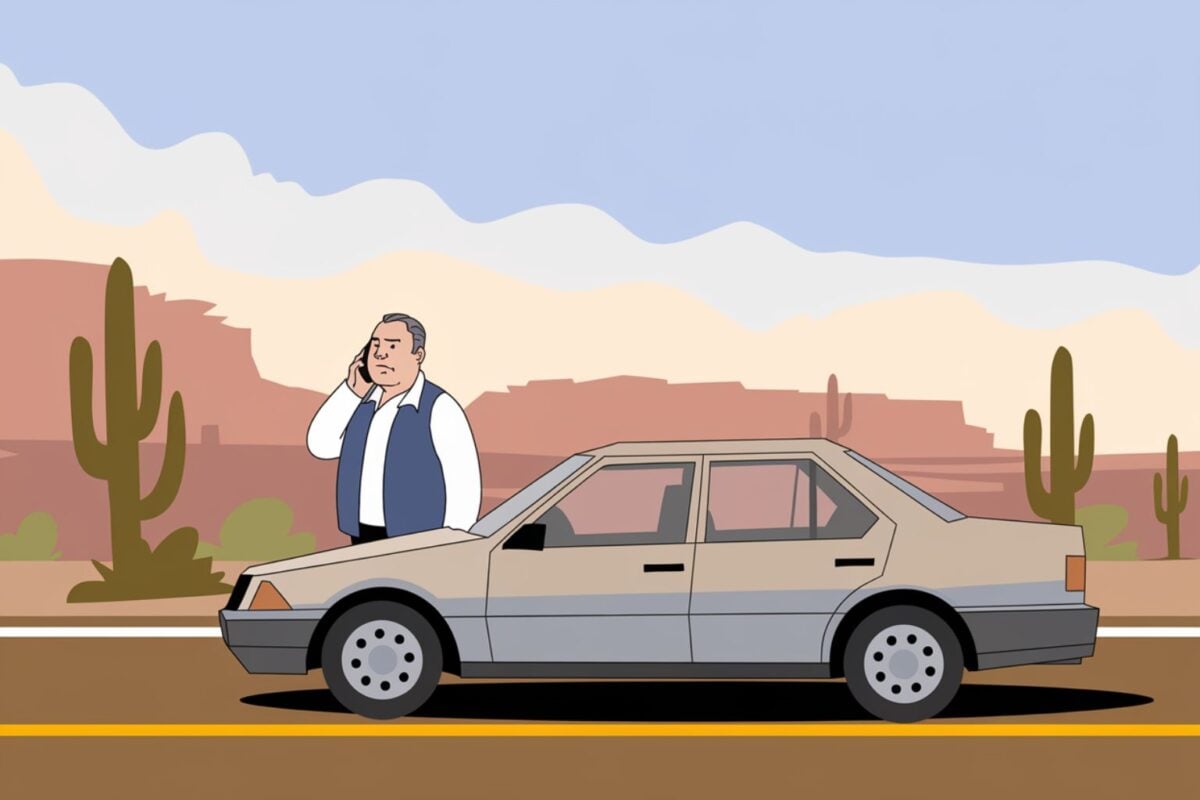
When Ray Cook damages two tires on his Sixt rental car, the company promises to cover the expense of replacing them. But months later, he’s still waiting for his money.
Question
I rented a car from Sixt in Texas recently. While driving in Big Bend National Park, I got two flat tires and had to replace them.
Sixt told me they would reimburse me $385 for the new tires. I sent them receipts and my bank information. They emailed back saying the wire transfer had been processed and I should receive the money in 3 to 15 business days.
More than a month later, I still hadn’t received my refund, so I emailed them again. They sent another email saying the refund was being processed. Weeks went by, and still no refund. I emailed and called repeatedly, and each time, they asked for my bank information again. Then they asked for my credit card number. I even provided the details for a second bank account.
Have you ever been given the runaround by a company for a promised refund? What’s the longest you’ve had to wait?
And should companies be required to refund you via the same method you paid?
Share your experiences and advice in the comments below.
My bank confirmed my account information was correct, but the money never arrived. I filed a complaint with the Consumer Financial Protection Bureau, but they didn’t take any action. I’m at my wits’ end. Can you help me get my $385 back? – Ray Cook, Invercargill, New Zealand
Pro tip: simplify your refund
When a company owes you money, especially internationally, always ask if they can refund it directly to the credit card you used for the original transaction. It’s often faster and more reliable than a bank wire transfer, which can get complicated with incorrect codes.
Answer
This is a classic case of a company giving a customer the runaround. Sixt made a promise to refund you, a promise it should have honored.
Before we figure out what happened to your refund, let’s rewind to the national park where you had your flat tires. You called Sixt, which couldn’t switch out your vehicle because of your location. Big Bend is beautiful, but it’s in the middle of nowhere.
The next best option was to get you to repair the tires and to send Sixt the bill. So that’s what Sixt asked you to do. It promised you a refund in writing, and to your credit, you kept the email. Nice work!
Read more insightful reader feedback. See all comments.
What went wrong? As I read between the lines, here’s what I think might have happened. You were renting a car from a German rental company in the United States, but you’re based in New Zealand. Somewhere along the way, Sixt might have confused some of your banking codes. It probably should have just credited the money back to your card instead of trying to do a bank transfer.
If you ever run into a problem with Sixt again, you can also escalate your case to a manager. I list the names, numbers and email addresses of the Sixt customer service executives on my consumer advocacy site, Elliott.org.
I contacted Sixt on your behalf. A representative said they would review the case. A few weeks later, you received an email from Sixt, and finally, after eight months, Sixt refunded your $385.
The refund runaround
Your four-step guide to getting paid when a company owes you money
1. Get the promise in writing
Never rely on a verbal promise. Ask for an email or message confirming the refund. This written proof is your most important piece of evidence.
2. Create a detailed paper trail
Keep a log of every interaction. Note the date, time, and name of every representative. Forward all relevant emails to a personal account for backup.
3. Escalate to an executive
If customer service isn’t helping, find an email for a manager or executive. A polite, concise email to a higher-up can often break through the red tape.
4. Seek outside help
If the company still won’t pay, file a complaint with a consumer advocate or a government agency. This external pressure can be the final push you need.
Related reads

Have a question about this story? Tell us what happened — we read every comment.
Join the conversation