in this case
- A sister rushing home from a cruise to see her dying brother misses her flight due to a booking error, resulting in a five-month struggle for a refund.
- Despite submitting a death certificate five times, the traveler is trapped in a “loop of blame” between Orbitz and Aer Lingus.
- Find out if a travel agency’s obligation to advocate for its customers holds up when a passenger is at their most vulnerable.
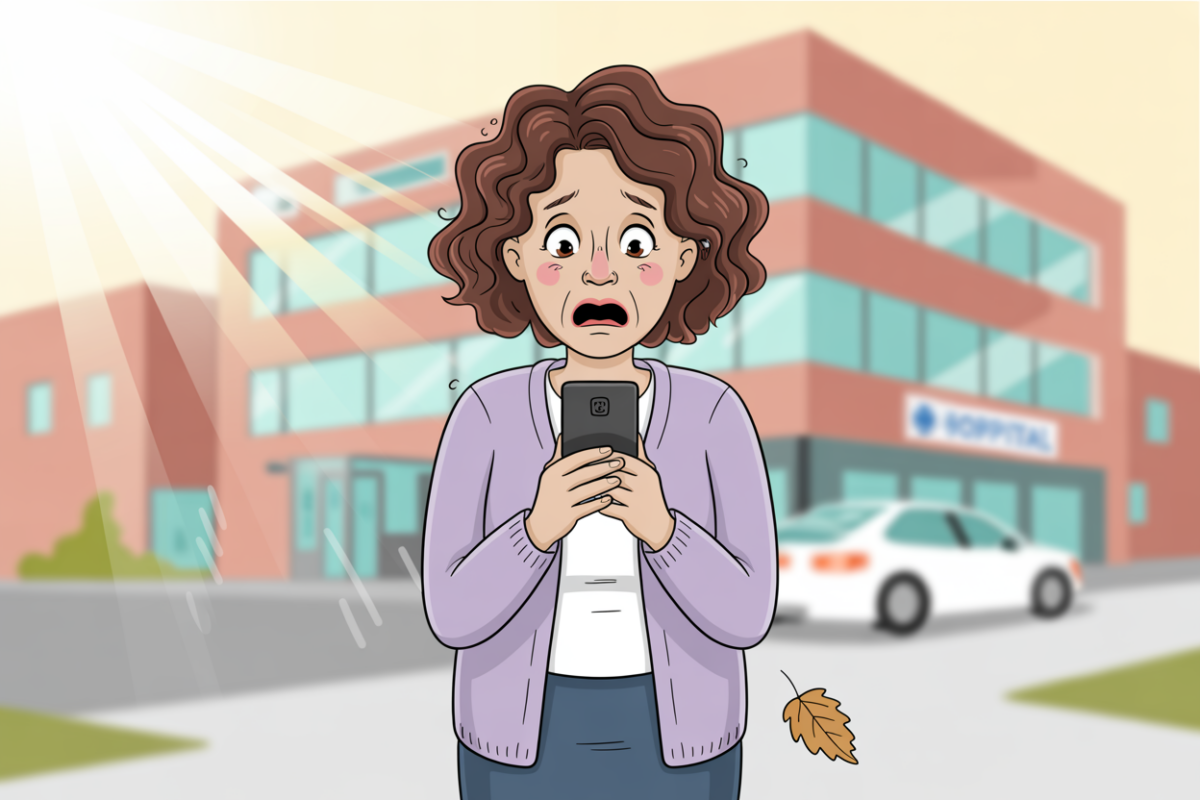
Brenda Stopay rushes home from a cruise after learning her brother is critically ill, but a booking error caused her to miss her flight. Despite months of back-and-forth between Orbitz and Aer Lingus — including submitting her brother’s death certificate repeatedly — neither company will approve her $715 refund. Can she cut through the red tape and get a resolution?
Question
I was on a 16-night cruise when my niece called to say my brother was dying. I booked a flight home through Orbitz but accidentally chose the wrong airport. By the time I reached the correct airport, my Aer Lingus flight had left. I panicked and rebooked for the next day, but missed precious days with my brother before he passed.
Since December, I’ve been trapped in a loop: Aer Lingus says Orbitz must issue the refund, while Orbitz claims Aer Lingus needs to approve it. I’ve sent my brother’s death certificate five times, but Orbitz keeps asking for “clearer” copies or more documents. Aer Lingus finally told me Orbitz must handle it, but Orbitz still won’t do anything.
All I want is a final answer — or the $715 refund — after five months of stress during my grief. What can I do? — Brenda Stopay, Northampton, Pa.
Your voice matters
Brenda Stopay was trapped in a five-month cycle of red tape while grieving her brother. Despite providing a death certificate multiple times, Orbitz and Aer Lingus couldn’t agree on who should issue the refund. We want to know what you think about this “loop of blame.”
- Should airlines and travel agencies have a more automated, compassionate process for bereavement claims instead of a “case-by-case” manual review?
- When a passenger is under extreme emotional distress, who is ultimately responsible for catching booking errors, the traveler or the agency?
- How can we fix the “holding pattern” that online travel agencies often put customers in when dealing with third-party airline policies?
Answer
I’m so sorry about your brother. Orbitz should have coordinated with Aer Lingus to resolve your refund request promptly and compassionately.
While neither the airline nor the online travel agency is obligated to refund a nonrefundable ticket, it’s common practice to issue a full refund when a passenger, or a passenger’s companion, dies. When it comes to a passenger’s relative, refunds are handled on more of a case-by-case basis. You booked your ticket after your brother fell ill but before he died, and then you no-showed for your flight, which is an even grayer area.
But it looks like both Orbitz and Aer Lingus suggested you might qualify for a refund, so you were not wrong to expect some consideration after you showed your online agency and airline a death certificate.
And you did show them a death certificate — five times! I’m not really sure why they didn’t review it the first time you sent it and give you an answer to your refund request.. If I had to guess, I’d say there’s a customer service chatbot on the loose somewhere, ignoring completely valid claims like yours and making you wait months for an answer.
This case shows why escalation timing matters. Once a week goes by without a clear answer, the customer should not still be dealing with frontline support. The longer the delay, the more likely automation and internal silos are blocking common sense.
Read more insightful reader feedback. See all comments.
One more thing: Orbitz is supposed to be your travel agent and advocate for you — not put you in a holding pattern. A good travel agent, whether it’s electronic or human, will always help you get through a difficult situation like this.
Your case shows the importance of double- and triple-checking your flight itinerary. Your urgency was understandable, but at a time like this, you might have asked a friend or travel advisor to help you with your reservation.
Always keep a paper trail — which you did meticulously — and escalate your case as soon as possible. I’ve published executive contacts for Orbitz (owned by Expedia) on my consumer advocacy site, Elliott.org.
I reached out to Orbitz on your behalf to find out about the status of your case. A few days later, Aer Lingus offered you a $715 flight credit, which you accepted.
“I certainly learned a lesson,” you added.
By sharing your story, I hope you can help others avoid a painful and unnecessary wait for a refund.
How to handle an emergency travel refund
Dealing with airlines and agencies during a crisis
Bereavement policies: know the rules
Panic-proof your booking
Breaking the “loop of blame”
Executive Contacts
Trapped in a refund loop between the airline and the agency? If Orbitz is passing the buck, escalate your case directly to these Expedia Group executives.

what you are saying
Readers are divided on Brenda Stopay’s case, with many debating the line between personal responsibility and the travel industry’s lack of compassion during family emergencies.
-
Accountability vs. Compassion
Commenters like Berkinet and KennyG argue that because the flight was booked to the wrong airport and the brother passed away after the trip, the responsibility lies with the customer. However, TravelingMe points out that the real issue was the “limbo” where the airline implied a refund was possible but then kept the customer in an endless document loop.
-
The “Third-Party Trap”
Dangerous Ideas and JenniferFinger believe Orbitz failed its duty as a travel agent by providing zero advocacy during a crisis. The general advice from several readers, including sister7, is to book directly with carriers to avoid the finger-pointing that often occurs between agencies and airlines when things go wrong.
-
Standardizing Grief
737MAXPilot suggests that the industry needs a standardized bereavement policy to prevent what Mr. Smith calls “administrative torture.” By allowing a verified death certificate to trigger an automatic response, companies could avoid traumatizing customers who are already suffering from a loss.




Have a question about this story? Tell us what happened — we read every comment.
Join the conversation