in this case
- Mike Marsden cancels his “flexi” ferry booking three months early due to health concerns, expecting a hassle-free refund process.
- Instead, Brittany Ferries keeps his entire $390 deposit, claiming the cancellation is final and offering zero flexibility despite the ticket type.
- Blindsided by a website that gave no warning about the penalty, he fights to prove that “flexi” should actually mean flexible.
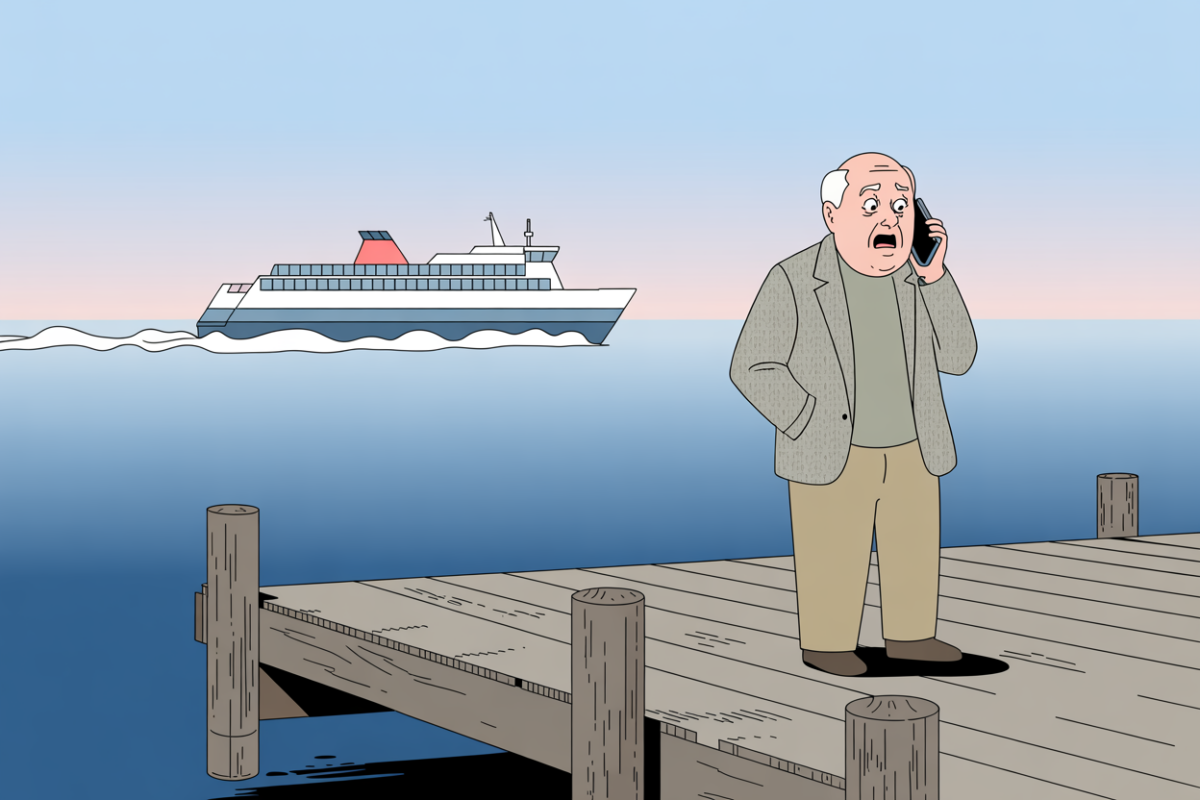
Mike Marsden cancels his Brittany Ferries booking three months before his sailing date, only to discover the company is keeping his $390 deposit. Despite having a “flexi” ticket and legitimate health concerns, the ferry line says the cancellation is final. Is it really?
Question
I made a ferry booking with Brittany Ferries in January for an August sailing from Plymouth to Santander, Spain. I’m 79, and unfortunately, health issues developed with my kidney disease. I realized I needed to change my travel plans. If my condition worsened while in Spain, I wouldn’t be able to return to the U.K. quickly because ferries are limited and it’s a 24-hour journey.
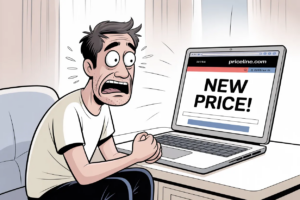
I canceled my booking with three months’ notice. As soon as I completed the online cancellation, the website said there was zero refund. It wasn’t clear that cancellation meant losing my $390 deposit. When I contacted customer service to explain my situation, they told me the cancellation was final – no refund and no ability to change to a different route.
I had a “flexi” ticket and believed I would be able to cancel without penalty. The website didn’t warn me about losing my deposit before I clicked the final cancellation button. Can you help me get my money back?
— Mike Marsden, Porthleven, Cornwall, United Kingdom
Answer
You shouldn’t have lost your entire deposit. And Brittany Ferries’ response to your situation shows a troubling lack of customer service common sense.
Let’s start with what should have happened. You purchased a “flexi” ticket, which by definition should offer more flexibility than a standard fare. The whole point of paying extra for a flexible ticket is to have options when circumstances change. Most ferry companies and airlines offer flexible fares specifically to enable passengers to make changes or cancel with reduced or no penalties.
The bigger issue here is Brittany Ferries’ website design. Any booking system that doesn’t clearly warn customers about significant financial penalties before they complete a transaction is fundamentally flawed. You should have received a clear warning such as, “You will forfeit your deposit if you proceed with this cancellation” before you clicked that final button. (Related: I heard noises under my rental car. Now I have a $2,000 bill from National!)
Your health situation makes this even more unreasonable. You’re dealing with kidney disease at age 79, and you made a sensible decision to change your travel plans based on legitimate medical concerns. A responsible company would have shown some flexibility, especially given the three months of advance notice. (Related: Why won’t Travelpro repair my carry-on bag? I have a lifetime warranty!)
Under U.K. consumer protection laws, businesses must provide clear and transparent information about cancellation policies. The Consumer Rights Act requires that terms and conditions be “fair” and “transparent.” A surprise forfeiture of your deposit without adequate warning likely violated this standard.
You could have escalated this directly to Brittany Ferries’ senior management. I publish executive contact information for companies like Brittany Ferries on my website. Sometimes a message to the right executive can cut through the customer service roadblocks.
We don’t know what the provisions of the Flexi ticket were in 2025 when Mr. Marsden booked his ticket. But if they were the same as they are today, it appears there was fault on both sides. Mr. Marsden would be at fault for assuming a cancellation warranted a full refund of all monies paid when the provisions state that there is only a 50% refund upon cancellation.
Brittany Ferries would be at fault for not making clear what that 50% refund covers. If deposits are non-refundable, that needed to be spelled out.
Read more insightful reader feedback. See all comments.
I contacted Brittany Ferries on your behalf, pointing out that you had a “flexi” ticket and that the company’s handling of your case seemed unreasonable. We also noted that the company’s website failed to provide adequate warning about the deposit forfeiture.
Brittany Ferries reviewed your case and issued a full refund of your deposit “on a goodwill basis.” While the company maintained that its official policy was correct, it recognized that your situation warranted an exception. (Related: Orbitz promised me a free bag on my flight to Frankfurt. Why do I have to pay?)
Your case highlights an important lesson for travelers: Always read the fine print on flexible fares. “Flexi” doesn’t always mean what you think it means. Some flexible tickets only allow date changes, not route changes or full refunds. If you’re booking a ticket specifically because you might need to cancel, double-check to confirm exactly what your flexibility includes before you purchase.
For future trips, consider travel insurance that covers trip cancellation for medical reasons. Most policies will cover pre-existing conditions if you buy the policy within the insurer’s stated window, usually no more than two to three weeks after buying your tickets, and you properly disclose the condition. Your kidney condition could have been covered under those circumstances.
Mike Marsden paid extra for a “flexi” ticket, but Brittany Ferries kept his deposit anyway. The website didn’t warn him about the penalty until after he clicked cancel.
Your voice matters
What you’re saying
Readers debated the definition of “flexible.” While some pointed to the fine print regarding cancellation fees, others argued that deceptive marketing and poor website design misled the customer.
-
Marketing vs. Legal
Sheryl, a lawyer, argued that “free amendments” implies the ability to cancel, noting that “amendment” includes deletion. She saw this as a case of the marketing department writing checks the legal department wouldn’t cash. Matthew W countered that “flexing” a ticket is distinct from canceling it.
-
The math didn’t add up
Ben pointed out that the policy allows for a 50% refund, implying the traveler played dumb. However, Harvey-6-3.5 noted that the traveler received *zero* refund, meaning the company failed to honor even its own restrictive policy until pressed.
-
Design flaws
deemery and GradUT focused on the user experience. They argued that if a deposit is non-refundable, the website must explicitly state that penalty before the user clicks the final button, rather than hiding it in a chart.

Have a question about this story? Tell us what happened — we read every comment.
Join the conversation