in this case
- Charlene Burgett pays a premium on StubHub for perfect seats to see drummer Jason Bonham, but arrives to find her view completely blocked by stage equipment.
- Although the venue verbally confirms the original tickets carried a “limited view” warning, StubHub refuses to refund her money.
- Left with a migraine from stage lights and zero view of the performance, she fights to hold the resale giant accountable to its own FanProtect Guarantee.
Charlene Burgett faces every concertgoer’s nightmare when she discovers her expensive StubHub tickets offer no view of Jason Bonham, the drummer she specifically came to see at the Celebrity Theatre in Phoenix. Can she get a refund?
Question
I purchased tickets through StubHub for The Jason Bonham Experience at the Celebrity Theatre in Phoenix as a wedding anniversary celebration. My husband is a drummer, and we specifically wanted to see Jason Bonham perform.
I chose Section A-3, Row 10, Seats 1 and 2 and paid $348 because I thought they’d provide the best angle to watch the drums.
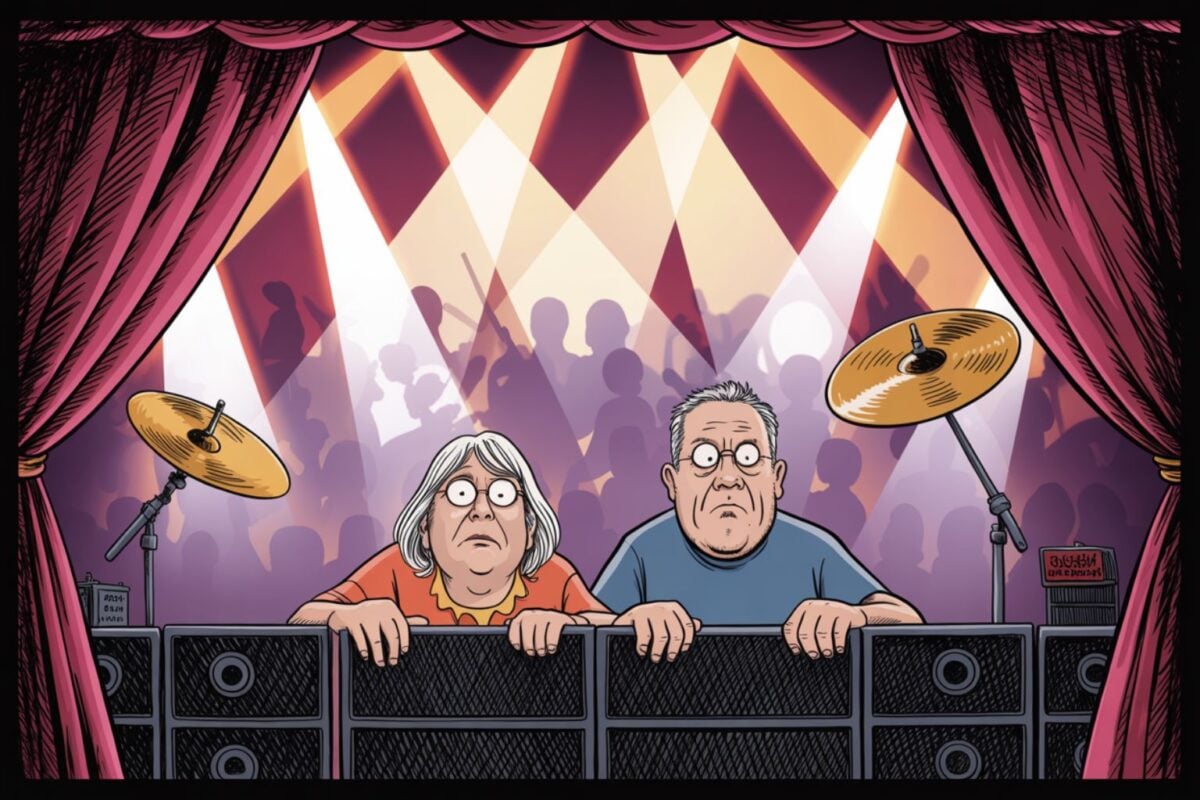
When we arrived, our view of Jason Bonham was completely obstructed by equipment and curtains. We could only see part of one cymbal! Additionally, stage lights were shining directly into our eyes, giving me the start of an ocular migraine.
A theater employee told us the stage wouldn’t rotate and was configured for limited view — something neither StubHub nor the venue made clear.
I contacted StubHub immediately for a refund under their FanProtect Guarantee, which promises to “make it right with comparable or better tickets or your money back.” StubHub refused, saying it is just a third-party marketplace. The venue’s promoter later confirmed the original tickets were marked “limited view,” but my StubHub tickets weren’t marked that way. We left before the show started. Can you help me get my $350 refund? — Charlene Burgett, Fountain Hills, Ariz.
Answer
Your tickets should have disclosed the obstructed view upfront. When companies like StubHub promise consumer protection through guarantees like FanProtect, they need to honor those commitments. That FanProtect guarantee states they’ll make it right when there’s an issue with your order.
The venue promoter confirmed to you verbally that the original tickets were marked “limited view,” but your StubHub tickets had a limited view. StubHub’s obligation under its own policy was crystal clear: provide comparable tickets or refund your money.
StubHub’s support pages say “Sellers must include any disclosures printed on their tickets. If the tickets aren’t marked with a disclosure, it means the venue didn’t think the seat was obstructed.”
Interesting how there’s nothing there about what happens if the sellers do NOT disclose it… Kinda odd that someone would have to contact the promoter to find out whether their seats were marked as obstructed view in order to fight StubHub.
Read more insightful reader feedback. See all comments.
You could have prevented this by buying directly from the venue’s authorized ticket outlet. Secondary marketplaces like StubHub buy up tickets and resell them, sometimes without complete information about seat restrictions. As the promoter bluntly told you: “This is why it is so wrong to buy through them.”
Under Arizona’s Consumer Fraud Act, businesses can’t misrepresent their products. When StubHub sold you tickets without the “limited view” designation that appeared on the originals, it potentially violated state consumer protection laws.
You should have escalated this to StubHub’s executives. I publish their contact information on Elliott.org, including the CEO and other key decision-makers who have the authority to override frontline customer service denials.
After I contacted StubHub, the company investigated your case and found that there was no indication that your ticket had an obstructed view. The venue was also unable to provide written proof of an obstructed view. StubHub offered you a full credit as a “one-time courtesy.”
StubHub’s “FanProtect Guarantee” promised to make it right, but when Charlene Burgett stared at a curtain instead of the stage, the company claimed it was just a marketplace.
Your voice matters
What you’re saying
Readers rejected StubHub’s “passive marketplace” defense. The consensus: if you take the money, you own the product description. Others pointed out that while buying direct is safer, scalpers often make it impossible.
-
The enforcement gap
Jason Hanna noted that while StubHub rules require sellers to disclose obstructed views, the company seems to have no process for when they don’t. He found it odd that the buyer had to investigate the venue’s seating chart to prove StubHub wrong.
-
“Courtesy” vs. liability
Mike and Mel65 called out the “one-time courtesy” language as corporate speak used to avoid admitting liability. They argued that refunding a misrepresented ticket isn’t a favor; it’s a legal obligation under consumer fraud laws.
-
The scalper reality
Sandra Gershenfeld advised buying directly from venues to avoid these scams. However, Mel65 and needsmorecoffee countered that resellers snap up inventory instantly, often making third-party sites the only option for fans who don’t buy in the first five minutes.

Have a question about this story? Tell us what happened — we read every comment.
Join the conversation