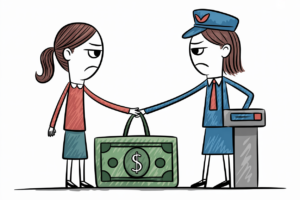
If you’re planning to book a vacation rental this spring break, you might be in for a surprise. Local governments have spent the long winter plotting a new regulatory course, and the result is a wave of laws taking effect that could leave you stranded or, at the very least, paying a lot more.
We’re seeing a systemic shift in how properties are taxed, tracked, and tolerated. In many popular destinations, if a host hasn’t jumped through the new legal hoops, their listing could vanish overnight, potentially taking your reservation with it.
Here are some of the new vacation rental rules
The landscape for short-term rentals has shifted significantly heading into spring 2026. Here are the biggest changes:
- New and higher taxes: States like Delaware introduced new 4.5 percent taxes on short-term stays, while Rhode Island added a 5 percent whole-home tax. In Hawaii, you’ll now pay an 11 percent Transient Accommodations Tax, plus a new “green fee” for environmental projects.
- Mandatory rental registrations and limits. Many cities now require hosts to display a valid license number directly on their listing. Evanston, Ill., recently approved strict new limits on the number of rentals allowed per block to preserve neighborhood character. In Solvang, Calif., officials are refining rules to ensure rentals don’t overwhelm the local housing stock.
- Phase-outs. Some destinations are moving beyond regulation and toward elimination. The Maui Planning Commission is moving forward with a plan to phase out thousands of short-term rentals in residential areas to prioritize housing for locals
- Aggressive enforcement. In places like Miami Beach, rentals under 30 days are illegal in most residential areas, and the city is using aggressive fines and de-listing orders to clear them out.
TIP: The Federal Trade Commission now requires platforms like Airbnb and Vrbo to show the total price, including fees, up front. While this is a win for consumers, it may reveal that your “cheap” stay isn’t so cheap after all.
How to protect your spring break
You don’t have to go back to boring hotels, but you do need to be more skeptical.
- Always check for a registration or permit number in the property description. If it’s missing, ask the host for it. A legitimate operator in a regulated city will have no problem providing it.
- Pay with a credit card through the platform—never via wire transfer or a third-party app. If the city shuts down the building and the host goes dark, a credit card chargeback is your best friend. Finally, keep an eye on local news for your destination. If a city council is debating a total ban, that’s your cue to look elsewhere.
- You don’t have to use a platform like Airbnb or Vrbo. It’s OK to use these platforms to identify a large, reputable local vacation rental manager by searching through the listings. But then contact the company directly. You’ll save at least 10 percent off the Airbnb price. Also, check out a price comparison site like HiChee. (Most rental platforms charge about 15 percent to the rental company, so it’s a win for both you and the rental company.)
The takeaway: Before you book, verify that your rental has a visible city permit number to ensure the listing won’t be deleted by local authorities before your check-in date.
Middle East travel warning
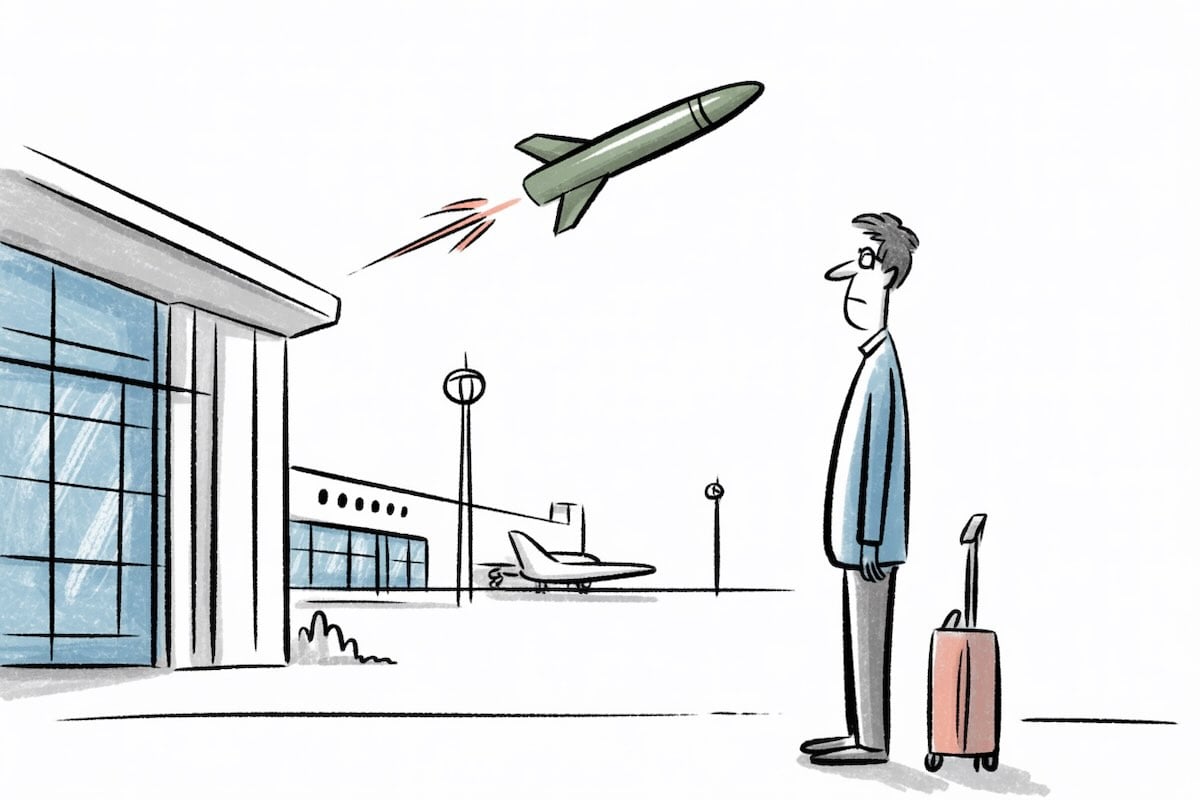
Over the last 48 hours, the Middle East has turned into a no-fly zone. If you’re holding a ticket to Dubai, Doha, or even just a connecting flight to Asia, you’re probably staring at a “canceled” notification on your phone right now.
The situation is developing quickly. Following U.S. and Israeli strikes on Iran, we’ve seen a massive wave of retaliatory threats and missile launches. Some of the world’s busiest international hubs—Dubai, Abu Dhabi, and Doha—have been affected.
If you’re thinking of traveling to the Middle East. Do your homework and consider a “cancel for any reason” travel insurance policy.
If you’re traveling to the Middle East or through a hub in the Middle East. Don’t just head to the airport and hope for the best. Most major carriers have issued travel waivers that allow you to rebook or get a refund. If your airline hasn’t officially canceled yet but you’re nervous, check with the airline or your travel advisor.
If you’re in the Middle East. Enroll in the Smart Traveler Enrollment Program (STEP) immediately so the embassy knows where you are. If you’re in a city like Dubai or Abu Dhabi, follow local authorities’ instructions to stay indoors or seek shelter if sirens go off.
Bottom line: This is the real deal. If you can postpone your trip to the Middle East, I would strongly consider it.
Don’t get caught in the travel industry’s shell game this spring
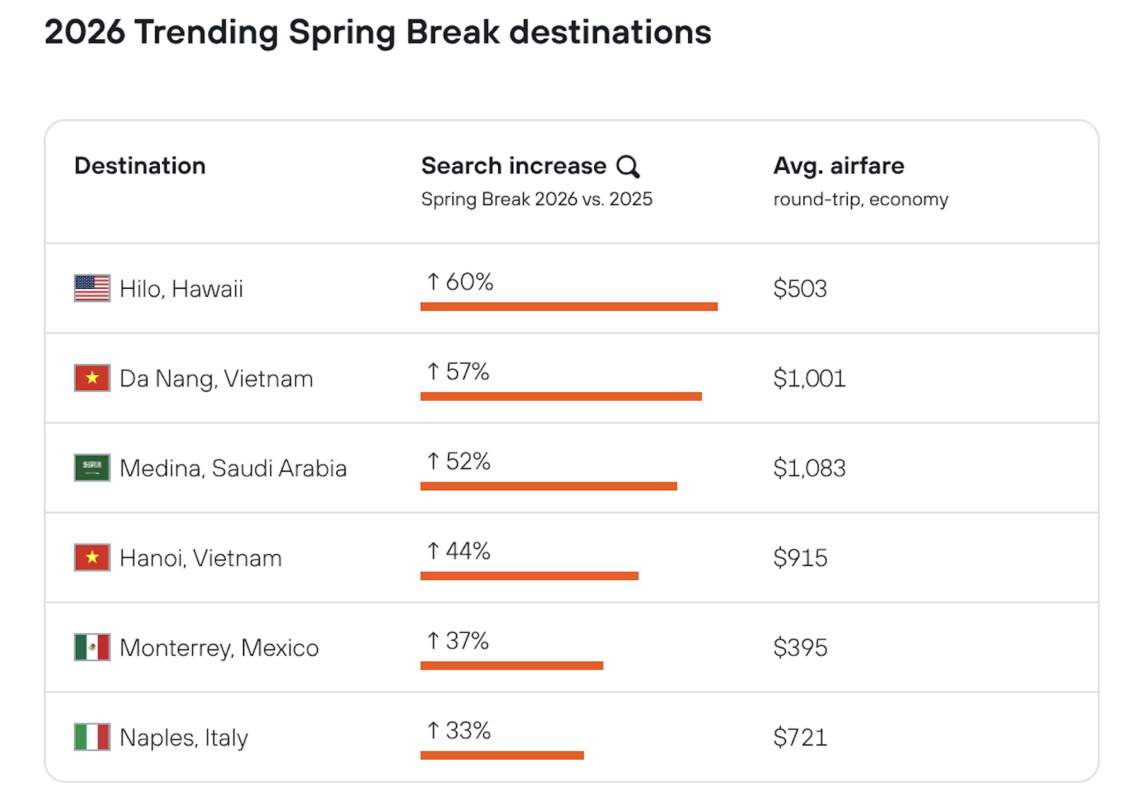
If you’ve been waiting for the right moment for an international trip, this spring might be it. The latest data shows airfare is finally moving in your favor, especially if you’d like to trade the Florida Panhandle for the Italian coast.
But before you check the expiration date on your passport, you need to look at the full picture. Travel isn’t just about the flight, and some of those “savings” are being eaten up before you even land, according to the latest numbers from Kayak.
A strange divide
International airfares have plummeted 11 percent compared to last year, while domestic tickets only saw a 4 percent dip. If you’re looking for a bargain, Europe is the place to be—all ten of the top international deals are on the continent. Cities like Dubrovnik and Naples are seeing prices drop by a staggering 26 percent.
But here’s the catch: While you’re saving on the flight, you’ll likely pay more once you arrive. International hotel rates are up 21 percent. You save on the getting there part, but get squeezed on the staying there part.
On the flip side, domestic travel is getting slightly more affordable across the board. In addition to the flight cost reductions, hotels are down 2 percent, and rental cars are 6 percent cheaper from a year ago. It’s a classic travel industry shell game.
The takeaway: You shouldn’t just chase the lowest airfare without checking the daily cost of living in your destination. If you’re eyeing a trip to Italy because the flight is $721, remember that your hotel bill will be significantly higher than it was last spring. Always calculate your total “land cost” first to ensure the hotel hike hasn’t wiped out your flight savings.

The last word on fare hacking
Today’s commentary on fare hacking really got you thinking (me too, actually). Is the travel-hacking industrial complex fooling you into thinking you’ve outsmarted a billion-dollar algorithm?
Truth is, while you’re busy clearing your browser cache to save a measly $24, airlines are laughing all the way to the bank with $148 billion in annual fees. As I noted in my commentary, the “low” fare is nothing more than a loss leader for the real product. Frontier now makes 62 percent of its revenue from these ancillary charges, proving that the house always wins.
What to do? Stop chasing the ghost of a Friday booking discount and start looking at the final price on the screen. You can’t hack a system that was purpose-built to hack you.
Where are you headed this spring break?
March is here, and it’s spring break travel season. Where are you headed? Are there any places you’re avoiding? Our comments are open.

Have a question about this story? Tell us what happened — we read every comment.
Join the conversation