in this commentary
- The traditional travel “off-season” is rapidly vanishing. Remote work flexibility, aggressive dynamic pricing, and relentless year-round marketing have turned formerly quiet months into peak-season clones.
- Travelers are facing massive crowds and sky-high prices during historical shoulder seasons. Off-season airfare savings to Europe have plummeted, and visitors hitting theme parks in early December now face 90-minute wait times.
- You can still find bargains, but you have to think like a contrarian. Experts advise booking well in advance, remaining highly flexible with your dates, and ignoring viral social media destinations that artificially drive up demand.
Remember when you could get a deal on travel by waiting until a few weeks after summer ended? That’s history.
“The off-season practically vanished in many parts of the world,” says Whitney Haldeman, a luxury travel advisor with Embark Collective.
It certainly has for travelers like Gerri Hether, who used to time her visit to Disney World for the first week in December — traditionally one of the slowest times in Orlando. Hether, a retired nurse from Mesa, Ariz., remembers enjoying the short lines and attentive service.
But not on her last visit. It felt like everyone was there.
“Lines for rides often had 90-minute wait times,” she fumes. “It was no longer an enjoyable experience and certainly not worth the several hundred dollars for tickets and daily parking.” (Related: The $67 flight lie: Is ultra-cheap travel bankrupting us?)
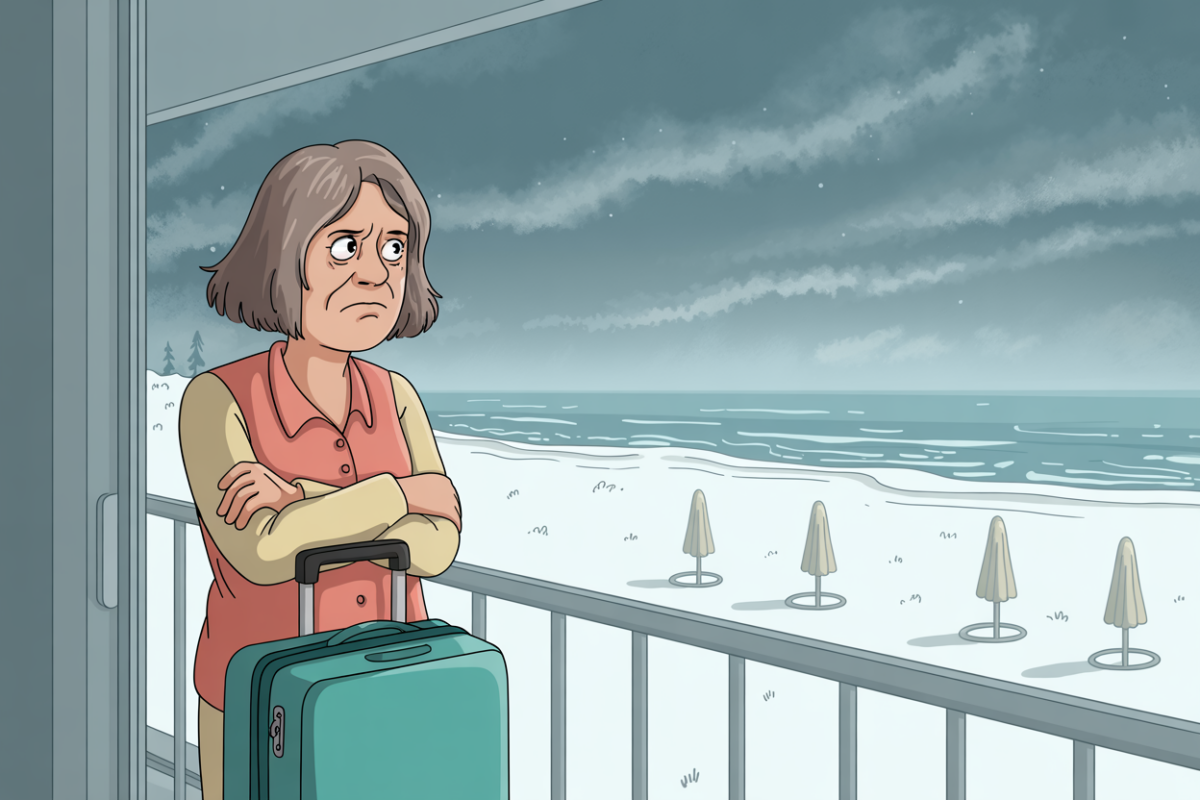
Turns out, the travel off-season — that magical window when you could dodge crowds and score deals — is shrinking and in some cases even disappearing. Remote work, social media frenzy, and ruthless dynamic pricing have turned fall and spring into peak-season clones. Even winter is no refuge anymore.
“The idea of an off-season is 100 percent disappearing,” says Kyle Townsend, a hospitality professor at Georgia State University. But it’s not just travelers’ fault. Tourism boards, hotel managers, and marketers have been pushing to turn their seasonal destinations into year-round attractions. And in some cases, they’ve succeeded.
The numbers tell the story:
- 41 percent of luxury travel advisors say low-season bookings surged in 2025, according to Internova Travel Group.
- Off-season airfare savings to Europe have plummeted from an average savings of 64 percent to just 37 percent since 2023, according to InsureMyTrip.
- Shorter “microcations,” which typically happen during the off-season, now cost $700 per night — up $106 from 2023, according to Allianz Partners.
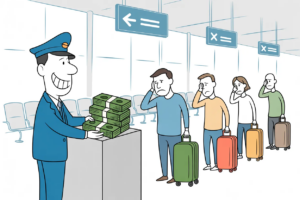
It is a complete bait-and-switch. Tourism boards and hotels spent years begging us to visit during the shoulder season, and now that we’ve listened, they’ve hiked the prices to match the summer peak. If you’re paying $700 a night for a “microvacation” in October, you aren’t getting a bargain; you’re just paying peak prices for less daylight. The industry is effectively killing the off-season so they can keep their hands in our pockets twelve months a year.
Read more insightful reader feedback. See all comments.
Where the off-season is disappearing
“June and September now mirror July and August in both pricing and foot traffic,” says Embark Collective’s Haldeman. In other words, there’s practically no change in price and traffic even when the season changes.
You don’t have to be a professional travel advisor to know that. Just pay attention to the ads. When ski resorts and beach resorts start marketing themselves as “year-round playgrounds,” then you know they’re trying to eliminate their off season. Watch your wallet.
Spain is seeing it firsthand.
“Fall and spring are becoming increasingly popular, and are getting more and more crowded,” says Karen Rosenblum, founder of Spain Less Traveled, a boutique travel consultancy. “Prices in popular cities such as Madrid and Seville are sometimes rivaling or even higher than summer prices.” (Related: Try these new tricks for solving unexpected travel problems.)
What happened? Remote work changed the way people travel, experts say. But vacationers also listened to advice about traveling during the off-season. Nearly three-quarters of international travelers reported they avoid peak season to escape crowds and high prices, according to a recent Global Rescue survey.
“Add to that the 59 percent of people whose work flexibility motivates them and their families to travel more, and it’s no surprise we’re seeing a rebalancing of travel patterns across the calendar,” says Dan Richards, Global Rescue’s CEO.
The ripple effects reach everywhere. “July and August have emerged as new periods of high demand,” says Pedro Belmar, managing director of a luxury resort in Costa Rica’s cloud forest. “What was once an extended low season has now contracted to just September and October.”
Where there’s still an off-season
But don’t write off the off season entirely.
“The off-season is evolving,” says Heidi Durflinger, CEO of EF Ultimate Break. “Off-season has been a well-kept secret among avid travelers, and while the word is out, it remains the ideal time to travel.”
Her company still sees travelers save $700 to $1,000 by choosing winter months for destinations like Italy, London and Paris.
Some places still are wide open.
“We’re definitely not seeing a year-round season at Olympic National Park,” says Stephen Fofanoff, general manager of the Domaine Madeleine boutique hotel in Port Angeles, Wash. “Travelers can definitely find deals of 50 percent off or more from November through March.”
Africa’s Green Season — November through March — remains a bargain zone, with rates down 20 to 30 percent. It’s also one of the best times to travel.
“The landscape transforms into lush, emerald grasslands, and baby animals are born in abundance,” says Maija de Rijk-Uys, managing director for tour operator Go2Africa. “With fewer visitors, guests experience some of the continent’s most iconic parks in rare, crowd-free peace.”
The Caribbean still shows seasonal swings, though they’re shrinking. Off-season savings dropped from 9 percent in 2023 to just 1.5 percent in 2025, according to InsureMyTrip.
Regional mountain destinations like Mt. Washington Valley are also keeping some seasonality. “Off-peak visitation will continue to offer even more value,” says Chris Proulx of the Mt. Washington Valley Chamber of Commerce.
How to still take advantage of the off-season
The key? Think like a contrarian.
- Zig when everyone zags. That may mean leaning into a more traditionally busy time. “We’ve had great luck avoiding insane Disney World crowds by actually going to Disney World during times that would historically be the busiest: Memorial Day, Labor Day and Spring Break,” says Avery Carl, founder of a vacation rental brokerage firm based in Destin, Fla. Carl has annual passes to the parks and lives in Florida, which makes this strategy a winner. Aim for the eye of the storm.
- Get out of your comfort zone. “We regularly promote lesser-known destinations, for example Istanbul, which is becoming ‘the place to be’ but is far less touristy than London or Barcelona,” says Jozef Verbruggen of Untamed Travelling, a luxury travel company. “We also try to stimulate our clients to be open-minded about traveling during the rainy season.”
- Avoid the algorithm. Ignore anything that’s popular on Facebook or X or that’s been mentioned by a travel “influencer.” “I’d advise against traveling to any city you discover through social media,” Joe Cronin, president of International Citizens Insurance. “Destinations that go viral are immediately more expensive to travel to, no matter the season.”
- Stay flexible. Even the off-season has popular times (think long-weekend holidays). Try to aim for mid-week, even during traditionally less busy times. “Being flexible can save you more money than traveling during off season,” says Suzanne Morrow, CEO of InsureMyTrip. “If there is a specific destination you’re looking to visit, be flexible on dates to save money.”
- Book in advance. Hotels and airlines still reserve some of their best discounts for people who book months ahead.
What’s going on here?
The off-season isn’t dead yet, but it’s definitely on life support.
“The off-season is being monetized,” says Meg Kinnerk, founder of luxury travel company Traveluxe. “Hotels have embraced dynamic pricing. Airlines manipulate seat inventory like Wall Street brokers. And tourism boards are marketing year-round to fill every gap.”
I admit, I was taken aback by the shrinking off-season when I tried to find accommodations in Italy last September. The hotels reported high occupancy, and rates weren’t much lower than the hyper-busy summer season. It’s a positive development for the travel industry, but not necessarily for travelers who want to save a little money.
I practice what my knowledgeable sources preach; I’ve adopted extreme flexibility to take advantage of the lowest prices. So I detoured to Slovenia. Italy will still be there next year.
Your voice matters
The travel industry has aggressively monetized the calendar, turning the quiet, affordable off-season into a relic of the past. We want to know how you are adapting to these year-round crowds and prices.
- Have you noticed your favorite “secret” travel times becoming just as crowded and expensive as peak season?
- How has the disappearing off-season changed the way you plan and budget for your vacations?
- Have you discovered any remaining off-season bargains, or are you just avoiding popular destinations altogether?
What you’re saying
Readers debated whether disappearing off-season deals represent market manipulation or simple supply and demand, with some calling it a bait-and-switch while others pointed to economic fundamentals. The conversation revealed a travel landscape where remote work and retirees have fundamentally rewritten the calendar, leaving savvy travelers searching for the last remaining bargains.
-
It’s economics, not a scam
Berkinet argued that people need to stop seeing everything as market manipulation, pointing out this is basic supply and demand observed by John Locke in 1691 and Adam Smith in 1776. When off-season demand increased, hotels no longer needed to offer deep discounts, so they raised prices. “The real villain here is ourselves,” he concluded. Tim agreed, noting that businesses naturally want to maximize income and profit, comparing it to owning a hotel in Spain and trying to keep it full year-round. The Brown Crusader backed this with data: off-season airfare savings to Europe dropped from 64 percent to 37 percent in just two years as remote work flexibility met dynamic pricing.
-
Who killed the off-season?
Dan observed that when he was a kid, few people traveled during school sessions, but now parents constantly pull kids out of school for Disney trips in February, proudly bragging about savings. Frank Loncar blamed the “gray wave” of boomers from the U.S. and EU with liquid income who aren’t beholden to the calendar, plus Disney grandparents spoiling pre-elementary kids. Blues Traveler noted that remote work and microvacations explain why quiet months are suddenly bustling, while deemery pointed out that both reasons for off-season travel (cost and crowds) are disappearing, though weather risk remains.
-
Strategies for finding real deals
Jennifer advised zigging when everyone else zags, targeting Africa’s “Green Season” or rainy seasons in less-obvious spots, staying ahead of algorithms and avoiding anything trending on social media. Miles Will Save Us All remained skeptical that the off-season is disappearing everywhere, noting thousands of smaller cities and rural areas still have affordable quiet periods. Right-This-Way vowed to go off the beaten track and keep discoveries secret rather than sharing on travel blogs, while Gerri Hether reported that London hotels in December are expensive regardless of tier, concluding “there is no such thing as cheaper travel regardless of season.”

Have a question about this story? Tell us what happened — we read every comment.
Join the conversation