
in this commentary
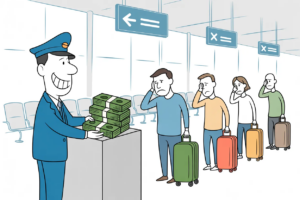
- Travel rewards programs stopped rewarding loyalty and started exploiting it. Points quietly got devalued, elite tiers required higher spending, and free flights came with hundreds in taxes and fees. Gerri Hether needed 250,000 miles for a one-way first-class Phoenix to Maui ticket. Two years ago it was 80,000 miles for a round-trip first-class ticket.
- Warning signs you’re trapped: chasing status instead of value, making travel decisions based on points not preferences, your free rewards come with expensive strings, and you’re hoarding points indefinitely. Most airlines now earn more profit from frequent flyer programs than from actually flying planes. Recent data shows 82 percent of hotel loyalty members are frustrated with traditional programs.
- Smart travelers are treating loyalty programs like any vendor relationship. When terms no longer work, they walk. Popular strategies include the portfolio approach (spread spending across two to three programs), property loyalty over brand loyalty, and the cash-back rebellion (abandoning points for flat 2 percent cash back). The new rules: set spending caps, focus on flexibility, earn and burn quickly within 12 to 18 months.
Remember when travel rewards programs actually rewarded you? You collected points, earned status, and got “free” flights.
So why does it all feel like a trap now?
Somewhere along the way, these schemes stopped rewarding loyalty and started exploiting it. Points quietly got devalued. Elite tiers required ever-higher spending thresholds. “Free” flights started coming with hundreds of dollars in taxes and fees.
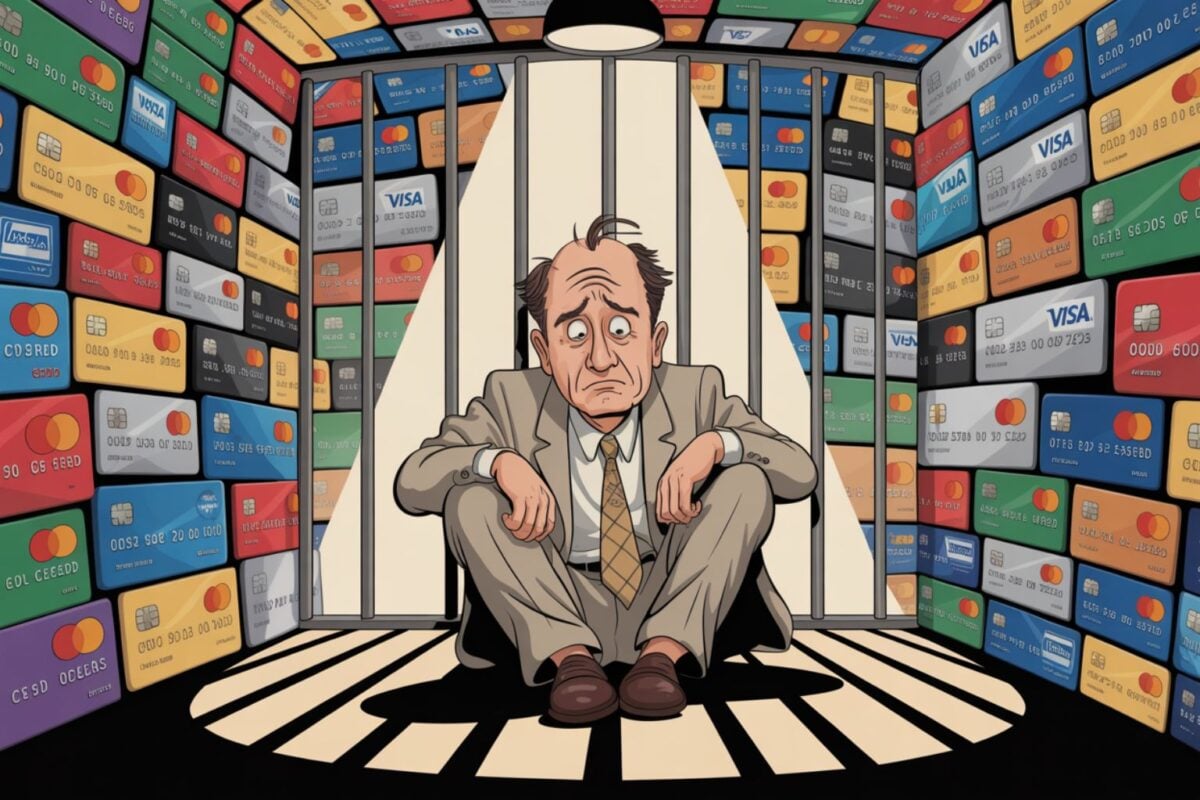
And loyalty became a gilded cage.
“The whole point of loyalty programs is to improve the customer experience, not restrict it,” says Mario Matulich, president of Customer Management Practice. “If your points don’t go as far, status gets harder to earn, or cashing in rewards feels like pulling teeth, then the program isn’t really delivering. When it gets to that point, rewards programs feel more like a burden than a reward.”
Millions of travelers now find themselves trapped in loyalty quicksand. The deeper you sink, the harder it becomes to escape. The programs that once felt like partnerships are now predatory relationships designed to extract maximum value while delivering minimum benefits.
The loyalty goalposts are moving
Consider what happened to Gerri Hether. The retired nurse from Mesa, Ariz., thought she’d mastered the loyalty game. After years of religiously charging everything to her Marriott Bonvoy credit card and staying faithful to one airline, she’d climbed the elite tiers and accumulated hundreds of thousands of points.
Then she tried to book her dream vacation to Hawaii.
“I needed 250,000 miles for a one-way first-class ticket from Phoenix to Maui,” Hether says. “Last time I used miles two years ago, it was 80,000 miles for a round-trip first-class ticket.”
Neither she nor her husband had enough points for even one ticket.
Years ago, I booked two round trip tickets Dallas to Cancun on American for 10,000 points. I also booked a round trip Dallas to London for 50,000 points and round trip Dallas to Paris first class for 100,000 points. It is really ridiculous what airlines have done to their point system. I now use my points to pay for extra legroom seats. I do have the American branded credit card for bags. It pays for itself since my husband and I both check bags while traveling.
Read more insightful reader feedback. See all comments.
But Hether didn’t accept her situation. She decided to do something about the unfairness of the moving goalposts. In a minute I’ll tell you how she fought back.
Why loyalty programs feel like prisons
Remember when frequent flyer programs rewarded, well, frequent flying? Not anymore. Airlines now base rewards on dollars spent, not miles flown. Hotel chains silently delete perks. Credit card companies raise annual fees while reducing benefits.
Recent data from Mews, a hospitality technology company, reveals that 82 percent of current hotel loyalty members cite frustrations with traditional programs. The top complaints:
• Points expiring too quickly (28 percent)
• Blackout dates limiting redemptions (24 percent)
• Difficulty earning meaningful rewards (23 percent)
“I had executive lounge access at every Hilton stay through my Amex Platinum status,” says Pamela Wagner, who runs a global advertising agency and has visited over 100 countries. “This has been removed silently over the last two years. No email, no communication. Just a ‘Sorry, that’s not available anymore’ at check-in.”
The cruel irony? While loyalty programs have become less generous to travelers, they’ve become gold mines for companies. Most airlines now earn more profit from their frequent flyer programs than from actually flying planes.
How to know if you’re caught in a loyalty trap
Before you can escape, you need to recognize you’re trapped. Here are the warning signs:
You’re chasing status instead of value. If you’re spending extra money just to maintain elite tiers, you’ve crossed from customer to captive. Financial advisor Winnie Sun tells clients to calculate their actual return annually. “One client was spending an extra $3,000 yearly on a specific airline just to maintain elite status that saved her maybe $800 in fees,” she says. “It wasn’t worth it.”
You’re making travel decisions based on points, not preferences. When your loyalty program dictates where you stay or which airline you fly — even when cheaper or better options exist — you’re no longer in control. Your loyalty program is.
Your “free” rewards come with expensive strings. Airlines love displaying “Free Ticket” in large fonts while burying fuel surcharges, booking fees, and taxes in fine print. Those extras can push your “free” flight to cost hundreds out-of-pocket. It is often less expensive to just book a regular ticket.
You’re hoarding points indefinitely. If you’re collecting points without specific redemption goals, you’re vulnerable to devaluations and rule changes. Points sitting unused are assets losing value.
As you read this list, you may be saying to yourself, “Surely he’s not talking about me!” But maybe I am. Rachel Acres, a substance abuse counselor, draws parallels between loyalty programs and addiction.
“In recovery, we learn that admitting you’ve wasted money on something that isn’t serving you anymore isn’t failure,” she says. “It’s wisdom.”
How smart travelers are approaching loyalty
Smart travelers are treating loyalty programs like any other vendor relationship. When the terms no longer work, they walk.
One of the strategies is the “portfolio” approach. Instead of putting all their eggs in one loyalty basket, savvy travelers are diversifying.
“The smartest approach I’ve seen is the ‘portfolio method’ — spread your spending across two to three programs instead of going all-in on one,” says Sun. “When Delta devalued their program in 2023, my diversified clients barely noticed, while the loyal-to-one-brand travelers scrambled.”
There’s also the property-over-brand strategy. Andy Abramson, a longtime business traveler, advocates for what he calls property loyalty over brand loyalty: “A property that knows you, values you, and trusts you is far more likely to deliver meaningful benefits than a faceless brand that just wants to keep you spinning in its points hamster wheel,” he says.
Another popular approach is the cash-back rebellion. Some travelers are abandoning points entirely and moving to a card that offers a flat 2 percent cash back. The math — earning back money that equals or surpasses the card’s annual cost — often works out.
The most successful escapees treat their loyalty programs like insurance policies — reviewing them annually and dropping those that no longer deliver value.
What are the new rules of loyalty?
For travelers who aren’t ready to abandon loyalty programs entirely, here are the new rules for making them work on your terms:
- Set spending caps. Experts say you shouldn’t spend more than $500 annually chasing status in any single program. If meaningful benefits require more investment, the math doesn’t work.
- Focus on flexibility. Choose programs that offer multiple redemption options and partners. Flexibility protects against devaluations.
- Earn and burn quickly. Set specific redemption goals and use points within 12 to 18 months. Don’t let them accumulate indefinitely.
- Track real value. Calculate the actual dollar value you’re earning per dollar spent, not the inflated “point values” programs advertise.
“Treat points like a depreciating asset,” advises Jeff Galak, who teaches marketing at Carnegie Mellon University. “Just like your car loses value once you drive it off the lot, points lose value with time. In other words, consumers should not hoard points, but rather, should use them.”
Is this the future of travel loyalty?
The loyalty landscape is already shifting. Companies like Loya are emerging with instant cash-back models instead of deferred rewards. Hotels are focusing on personalization over points — recent data shows 68% of travelers now prioritize personalized experiences over accumulating points, with Gen Z leading at 83%.
“The era of transactional loyalty is over,” says Richard Valtr, founder of Mews. “Today’s travelers want genuine recognition — the kind that comes from truly understanding who your customer is.”
And how about Hether, the retired nurse from Arizona? After discovering her miles had been devalued, she didn’t just complain — she acted.
“I canceled the Marriott card when the annual fee hit $650 with fewer benefits,” she says.
Hether went with a cash-back card that offered her more flexible redemption offers. She’s found freedom in flexibility. By abandoning her pursuit of elite status and focusing on value, she’s discovered she can travel more for less. Her former loyalty programs might not miss her, but she doesn’t miss them either.
And maybe that’s how to escape the loyalty quicksand. Because sometimes, the best loyalty program is no loyalty program at all.
Your voice matters
Gerri Hether needed 250,000 miles for a one-way first-class Phoenix to Maui ticket. Two years ago the same route cost 80,000 miles round-trip first-class. Points got devalued, elite tiers require higher spending, and free flights come with hundreds in fees. Airlines now earn more profit from loyalty programs than from flying planes.
- Should loyalty programs be required to notify customers before devaluing points or changing redemption rates?
- Should companies be prohibited from calling rewards free when they include hundreds of dollars in mandatory fees?
- Should airlines face penalties when they make more profit from loyalty programs than from actual flights?
What you’re saying
Readers shared drastic devaluation examples, debated cash back versus points, and warned frequent flier programs cost businesses billions in inflated travel costs.
-
Points used to go so much further
sister7 booked Dallas to Cancun for 10K points, Dallas to London for 50K, and Dallas to Paris first class for 100K. Now she uses points for extra legroom seats. Chris Johnson said his father flew Piedmont in the 80s getting 3,000 miles per segment and free tickets were 20,000 miles, covering the whole family’s spring breaks.
-
Cash back beats the hassle
Gerri Hether canceled her Marriott Bonvoy card and discovered her 1980 Discover card gives best bang with quarterly 5% cash back. Joe Muscato agrees 2% cash back is real, calculable value. Donna S ignores loyalty programs entirely, calling it one less worry.
-
Programs play games with benefits
Blake said Marriott hotels now play games with breakfast benefits, with an Atlanta Courtyard refusing his plus-one credit despite the website. Something to consider paid $225 for IHG Ambassador but nine months later the free nights are never available at four different hotels. Stuck in VA ditches cards no longer meeting travel needs.

Have a question about this story? Tell us what happened — we read every comment.
Join the conversation