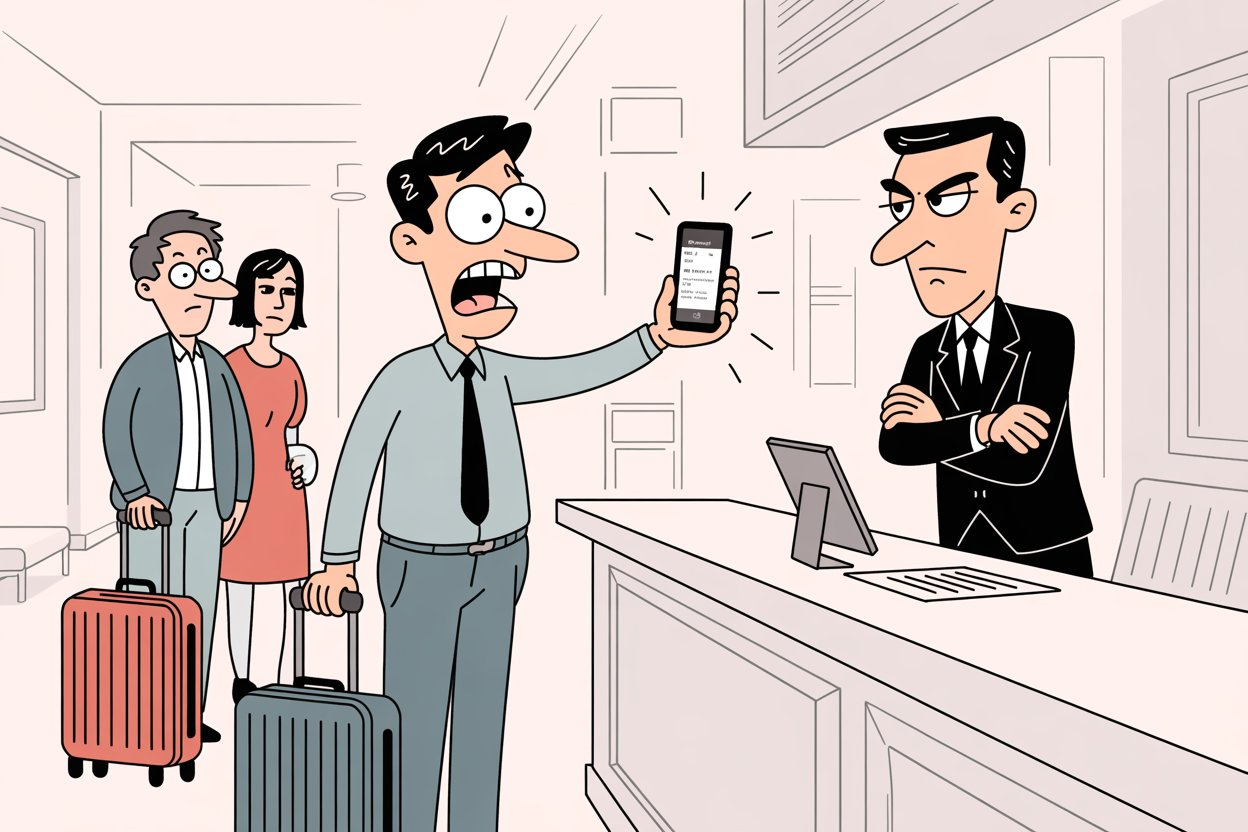
Cartoon of a frustrated traveler holding up his phone at a hotel front desk while a stern clerk stands with folded arms and two companions wait with luggage.

My hotel reservation disappeared. Why won’t Booking.com refund me for my new room?

Stephen Stein had booked a two-bedroom suite at a Homewood Suites in Bonita Springs through Booking.com, and his party of three arrived to find the hotel had no reservation for them. He handed over the confirmation number. It made no difference. A family dinner was 90 minutes away, so while he waited on the phone with Booking.com and got nowhere, the group went and found another hotel themselves. The only rooms available were regular ones, so they took two, which came to $126 more than the suite they had already reserved. A representative promised to cover roughly half the difference. Then came the calls. Over the following days each conversation produced a new reason the payment could not yet be authorized, including a request to prove which currency he had paid in, for a Florida hotel booked on a US credit card.


Stylized illustration of a distressed traveler clutching his chest in front of a palm-lined hospital as medical staff wheel a patient on a gurney toward the entrance, evoking a vacation cut short by a family emergency.

The hotel refunded his money, but the booking site kept it anyway

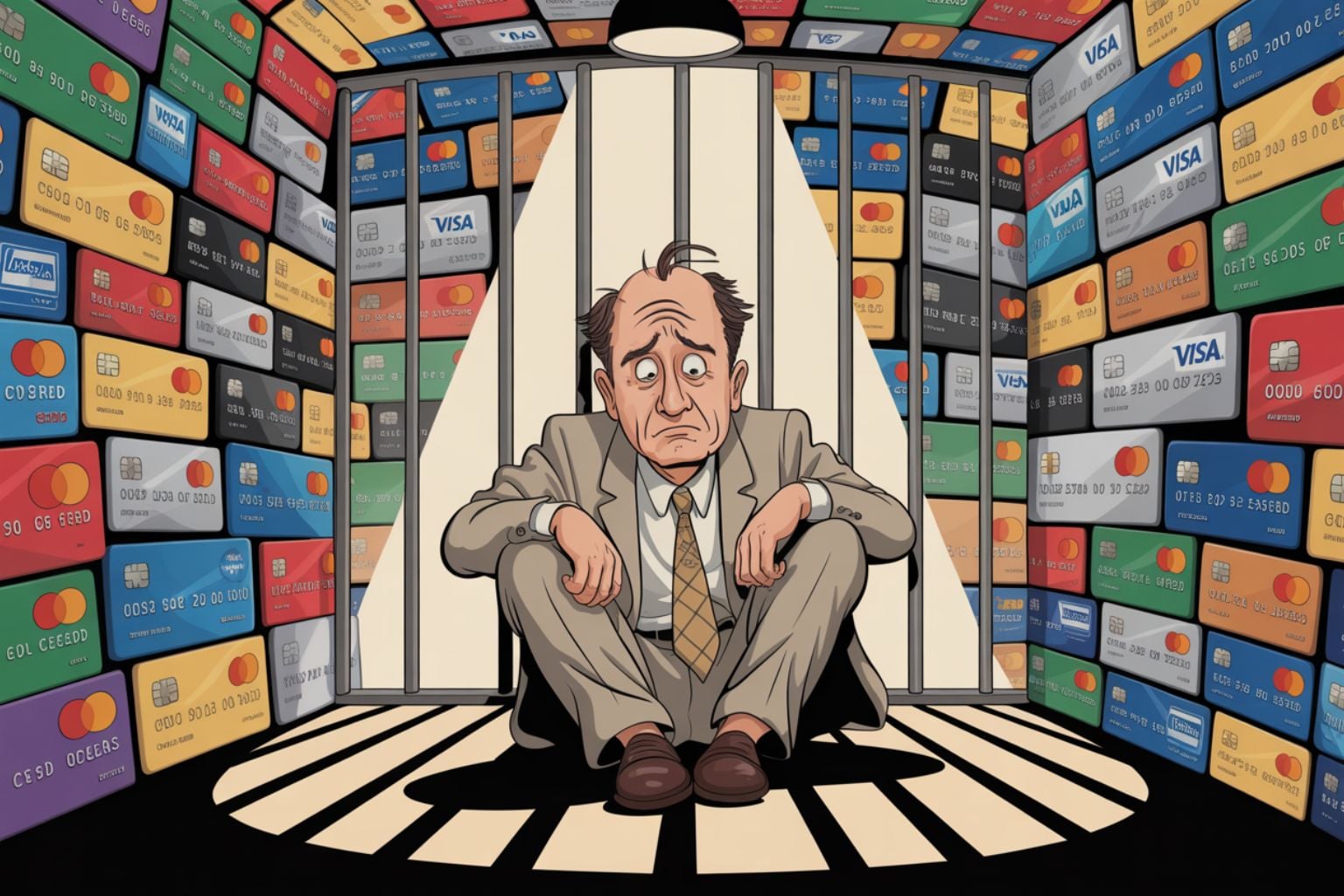
When John Moss’s stepfather was rushed to the hospital, he knew his Florida vacation was over before it started. He contacted Traveluro, the site where he had booked a nonrefundable $615 stay at the Hilton Melbourne Beach, and sent hospital records proving the family emergency. The hotel understood and agreed to cancel without penalty, releasing the money back to the booking site. All Traveluro had to do was pass it along. Instead, weeks of silence followed, until Moss filed a dispute with his credit card company and Traveluro suddenly made him an offer: drop the dispute, and we will send your refund. Here is what every cardholder should understand before saying yes. A credit card dispute freezes the transaction while your issuer investigates, which means the merchant cannot touch the money until the matter is resolved. That is real, tangible leverage, and a company asking you to give it up in exchange for a promise is asking you to trade the one protection the law puts on your side.