in this case
- Joanne Pantaleo buys a pricey hair growth wand from a company listing a U.S. address, but when the device fails, the seller reveals a hidden Chinese warehouse return policy.
- Facing a $120 return shipping fee for a $197 item, she files a credit card dispute, only to have American Express side with the merchant.
- With a broken gadget and a denied chargeback, she struggles to fight a company that makes returns impossible by design.
Joanne Pantaleo thought her pricey high-frequency wand would grow hair, not headaches. After the gadget died, the merchant vanished, and American Express sided with the fraudsters. Is she stuck with a broken gadget?
Question
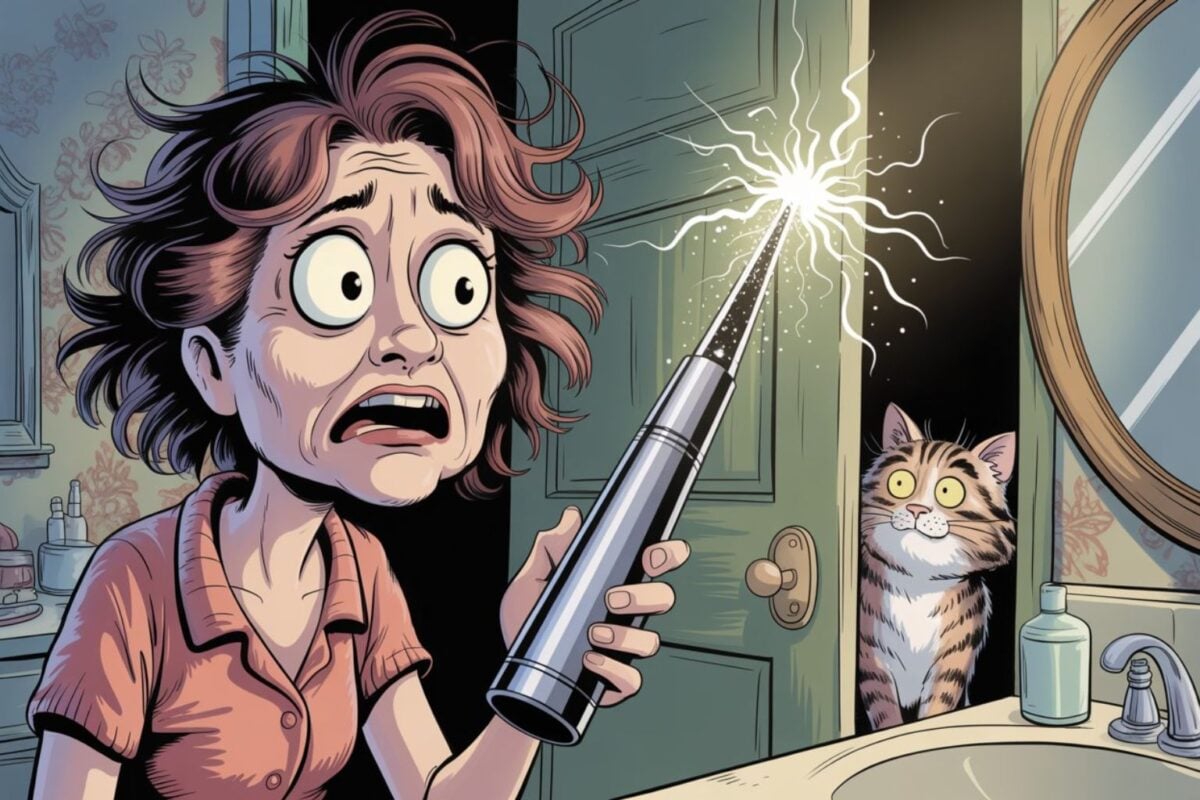
I bought a Vortex Hair Growth Wand and it quit working. The company’s site lists a U.S. address, but when I asked to return the broken device they gave me a warehouse in China and told me shipping would cost $120.
Every time I call, I’m routed to the Philippines and can’t reach anyone stateside. I disputed the charge on my American Express card. I sent Amex the BBB warning and a Reddit thread that said Vortex is a scam, yet Amex still closed the case in the merchant’s favor. I just want my money back. Can you help? — Joanne Pantaleo, Scottsdale, Ariz.
Answer
Vortex should have either found a way to repair your wand or offered you a replacement. Asking you to spend $120 — only a few dollars less than the item’s cost — was not reasonable.
The Vortex Hair Growth Wand, which claims to promote growth, stop hair loss and protect areas against future loss, kicks up a lot of warnings when you research it online. I’m no dermatologist, but I’m not sure there’s a magic wand that can make your hair grow back. Color me a skeptic.
Amex failed to fulfill its obligation to properly adjudicate the cardholder’s dispute. Offering a misnamed “good faith” credit for less than the charged amount should not relieve Amex of this obligation.
The resolution proposed and unfortunately accepted by the cardholder was nearly as bad as the cardholder’s decision to buy a hair growing gadget in the first place.
Read more insightful reader feedback. See all comments.
You did almost everything right. You documented the defect, gave the company an opportunity to fix the problem, and collected third-party evidence that Vortex was problematic. Then you filed a chargeback under the Fair Credit Billing Act. But Amex still slammed the door — until I knocked.
Here’s what should have happened: once you supplied proof that the merchant misrepresented its location and dangled an impossibly expensive return address, Amex should have reversed the charge on the spot. Under Regulation Z, a card issuer must resolve a billing-error claim within two complete billing cycles. It appears the company also misrepresented its location when you purchased the product. (Related: This Frigidaire refrigerator keeps breaking — but the company refuses to replace it.)
How could you have prevented this? One word: screenshot. Always grab one of the merchant’s advertised address before you buy. But also, a little research before you made a purchasing decision could have prevented this entire mess. Had you known then what you know now, you might have escaped the Vortex.
You might have also escalated this to one of the Amex executives I list on my consumer advocacy site, Elliott.org.
As to the question of whether the Vortex is legit, I will leave that for readers to decide. But I take a dim view of any company that makes a product return or repair so prohibitively expensive that it is all but impossible.
After you forwarded your paper trail, I sent your file — along with the Reddit exposé — to American Express. Two weeks later, you received a call from Amex. The company had reviewed the evidence, quietly acknowledged that the merchant’s paperwork didn’t pass the smell test, and offered you a $100 “good-faith” credit. Although this was not the full refund you were hoping for, you accepted the offer.
Update (Feb. 28, 2026): Pantaleo says after this story was published, a representative from Amex called to offer an additional $97 credit, meaning she received a full refund. “Thanks once again for your help!” she added.
Joanne Pantaleo thought she bought a product from a U.S. company, but the return address was a warehouse in China with a shipping fee that nearly equaled the product’s cost.
Your voice matters
What you’re saying
Readers slammed the merchant’s deceptive return policy and expressed deep disappointment in American Express for failing to protect its cardholder from a blatant drop-shipping trap.
-
The drop-shipping trap
Don Shirah, Tim, and The Brown Crusader argued that if a company sells from a U.S. address, it must accept returns there. Forcing a customer to ship a defective item to China is an intentional tactic designed to engineer a “no-refund” scenario.
-
Amex dropped the ball
M.C. Storm, deemery, and KJ criticized American Express for siding with a shady merchant. Offering a partial “good faith” credit instead of processing a full chargeback undermines the primary reason consumers use premium credit cards for protection.
-
Buyer beware
Jennifer and Berkinet pointed out that consumers must do their own due diligence. Searching Reddit for product reviews before buying from a social media ad, and taking screenshots of the checkout page and return policies, are the best ways to prevent this problem entirely.

Have a question about this story? Tell us what happened — we read every comment.
Join the conversation