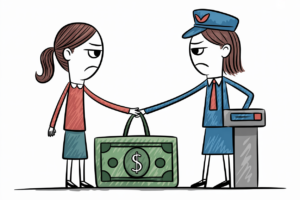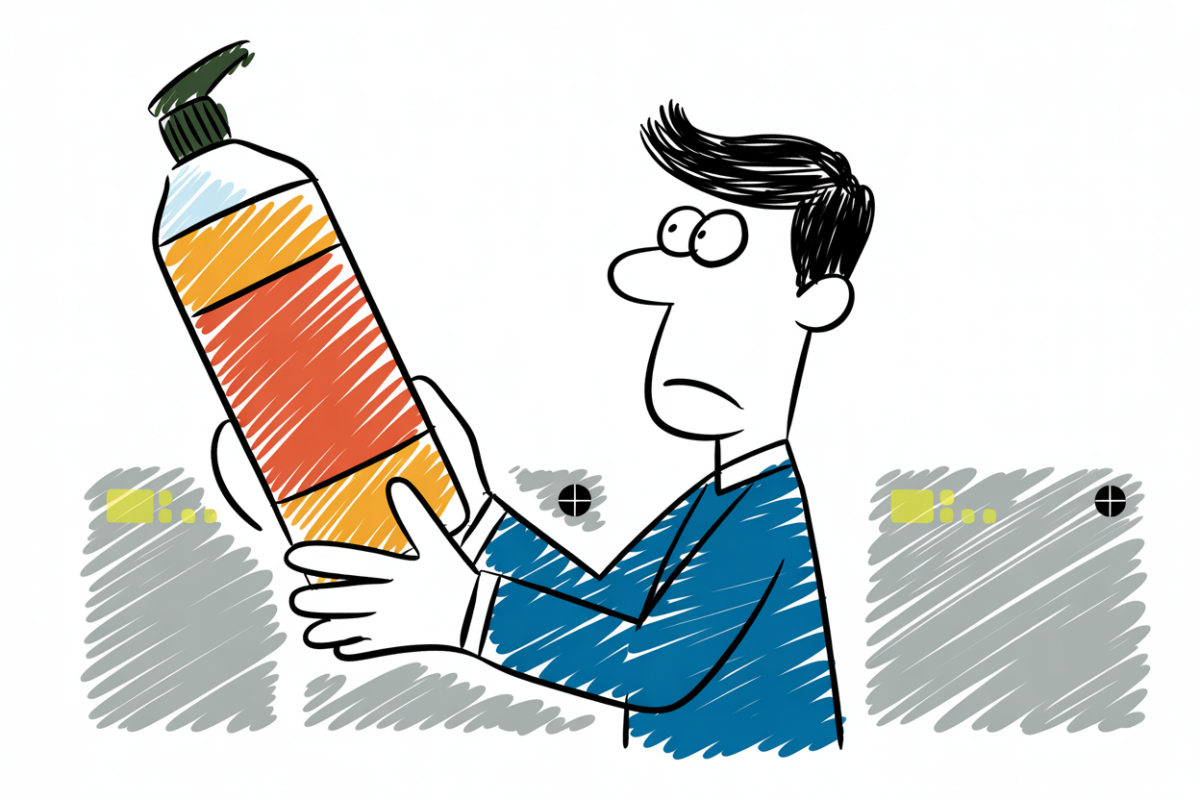
For years, governments have promised a seamless world of airport security where you could leave your laptop in your bag and bring a full-sized bottle of water through the scanner.
Despite what you may have heard, that world isn’t here yet.
The mess started in the UK, where a rollout of next-generation CT scanners was supposed to end the 100 ml (3 oz.) liquid limit by 2024. The machines use medical-grade technology to create 3D images, supposedly making it easy for security to spot explosives without you having to unpack your toiletries. But the plan hit a wall. Some airports couldn’t reinforce their floors fast enough to hold the massive, heavy machines, and others faced supply chain delays.
Last year, the UK government granted extensions to major hubs like Heathrow and Gatwick. To make matters worse, after some airports actually did lift the limits, the Department for Transport abruptly ordered them to reinstate the 100 ml rule due to “technical issues” with how the scanners were identifying certain items.
A patchwork of rules across Europe and the U.S.
The confusion hasn’t stopped at the English Channel. The European Commission followed suit, mandating a return to the 100 ml limit across all EU airports starting in late 2024. While hubs like London Heathrow have recently finished their upgrades and last week scrapped the limit again, others like Amsterdam Schiphol are stuck in a cycle of regulatory whiplash, reverting to old restrictions after briefly relaxing them.
If you’re flying domestically, the situation is just as confusing. The TSA is slowly installing similar CT technology at major airports like JFK and LAX, but officials say the “3-1-1” rule won’t be scrapped nationwide for years. While there are minor exemptions for things like breast milk or medication, most travelers are still stuck with the same quart-size bag they’ve used since 2006.
How to avoid a liquid headache
Don’t let the flip-flopping rules ruin your next flight. The best way to navigate this mess is to prepare for the strictest scenario.
- Stick to 100 ml. Until there’s a global, consistent rollout, keep your liquids in small containers.
- Keep your bag ready. Even if someone says you can leave liquids inside, keep the liquids in a clear, accessible bag just in case the scanner at your specific terminal is old school.
- Check the airport website. Before you head out, look up the specific security guidelines for your departure and arrival airports.
The takeaway: Don’t believe the headlines about changing liquid rules. Pack as if the 100 ml rule is still in effect. It’s much easier to leave them in your bag than it is to watch your expensive cologne get tossed by a security agent.
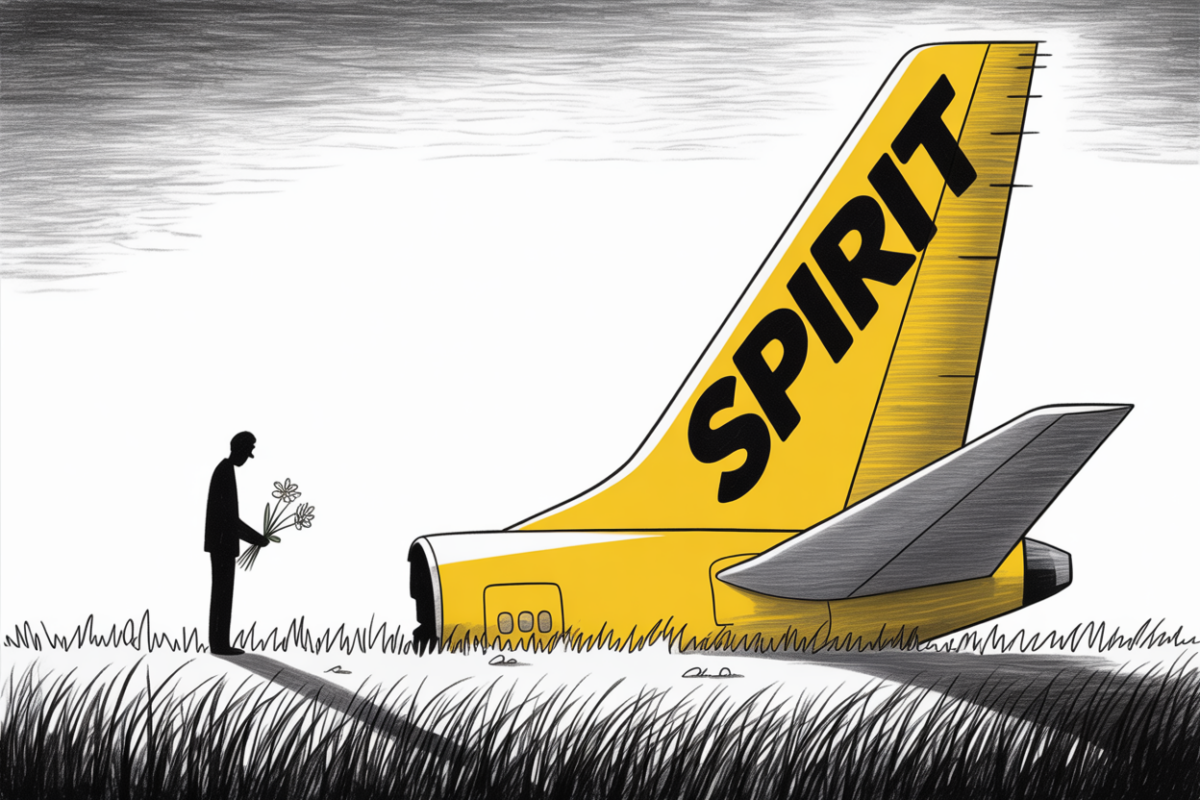
The last word on letting Spirit die with dignity
You had a lot to say about this morning’s commentary on letting Spirit Airlines die with dignity. (Including one angry reader who called me a “useless tabloid journalist.”) But there’s one thing we can all agree on: The airline’s current descent seems final. JetBlue reportedly isn’t waiting to see if the yellow planes stay in the air. It’s already adding flights and preparing for a South Florida market without its former merger partner. Readers are tired of the “gotcha” games and dehumanizing service that turned air travel into an ordeal. Frankly, so am I.

Report: Your cruise insurance could cost 432 percent more this year
If you want more than just bare-bones medical coverage on your next cruise, you’re going to pay for it—dearly.
In 2026, the gap between “sort of covered” and “fully protected” has become a chasm, according to a new report by travel insurance site Squaremouth.
If you opt for a comprehensive policy that covers cancellations, you’re looking at a 432 percent price jump compared to a medical-only plan. While a medical-only policy averages about $101, a comprehensive plan will set you back $538, according to the report. If you want the Cancel For Any Reason (CFAR) policy, expect to shell out $807 on average. (Related: What you definitely need to know before you book a spring break trip.)
The study comes at a good time. As Wave Season—the time of year when most cruises are booked—gets underway, travelers are checking out their options. But many are hitting a wall of sticker shock when they reach the checkout page. The data suggests that the peace of mind now comes with a premium that can rival the cost of the cruise itself.
Why cruise insurance costs are soaring
The report identifies several factors driving these prices higher.
- The trip cost. Insurance premiums typically run between 4 percent and 10 percent of your prepaid nonrefundable expenses. With cruisers spending an average of $7,706 on their trips, the average premium has climbed to $539—roughly 7 percent of the total cost.
- Your age. If you’re over 70, you’ll pay at least 296 percent more than a traveler under 50. Insurers view seniors as a higher risk, not just for health issues, but because they tend to take longer, more expensive voyages.
- Where you’re sailing. Destinations also factor into the higher rates. International cruises are about 9 percent more expensive to insure than domestic ones, reflecting the high cost of overseas medical care and evacuations.
“Instead of focusing solely on price, travelers should aim to choose a plan with coverage that matches the level of risk involved,” says Chrissy Valdez, senior director of operations at Squaremouth.
How to protect your wallet and your trip
To avoid getting soaked, you need to be strategic. Don’t just tick the box for the cruise line’s default policy. These are often one-size-fits-all products that may not offer the best value.
Also, compare medical-only plans against comprehensive ones. If you have a high-cost, nonrefundable trip, the comprehensive plan is usually worth the extra expense. But if you’re healthy and your primary concern is an emergency at sea, a medical-only policy can save you hundreds. Remember that a medical evacuation can cost $250,000—a bill you don’t want to pay out of pocket. (Related: CONSUMER ALERT: Why your next flight might be stuck in the slow lane—and what to do about it.)
The takeaway: Always compare third-party insurance policies against the cruise line’s offer. You’ll often find better coverage for a lower price by shopping around.
So where are you headed this week?
With another winter storm interfering with travel, it’s been another one of those weeks. Where are you headed? Do you have an upcoming flight on Spirit Air, and if so, how are you planning to handle a possible liquidation? Our comments are open.
Note: Consumer Alert, our weekly update on travel, will now appear on the Elliott Report. We are migrating our premium account to this site this week.

Have a question about this story? Tell us what happened — we read every comment.
Join the conversation