in this case
- After her insurance paid a $5,873 damage claim, Hertz demanded an additional $842 for “diminished value” but couldn’t prove the charge, sparking a year-long battle for justice.
- An explanation of “diminished value” and why a rental company must provide documentation to prove its claim.
- Find out why keeping meticulous records is the key to successfully fighting a questionable fee from a rental car company.
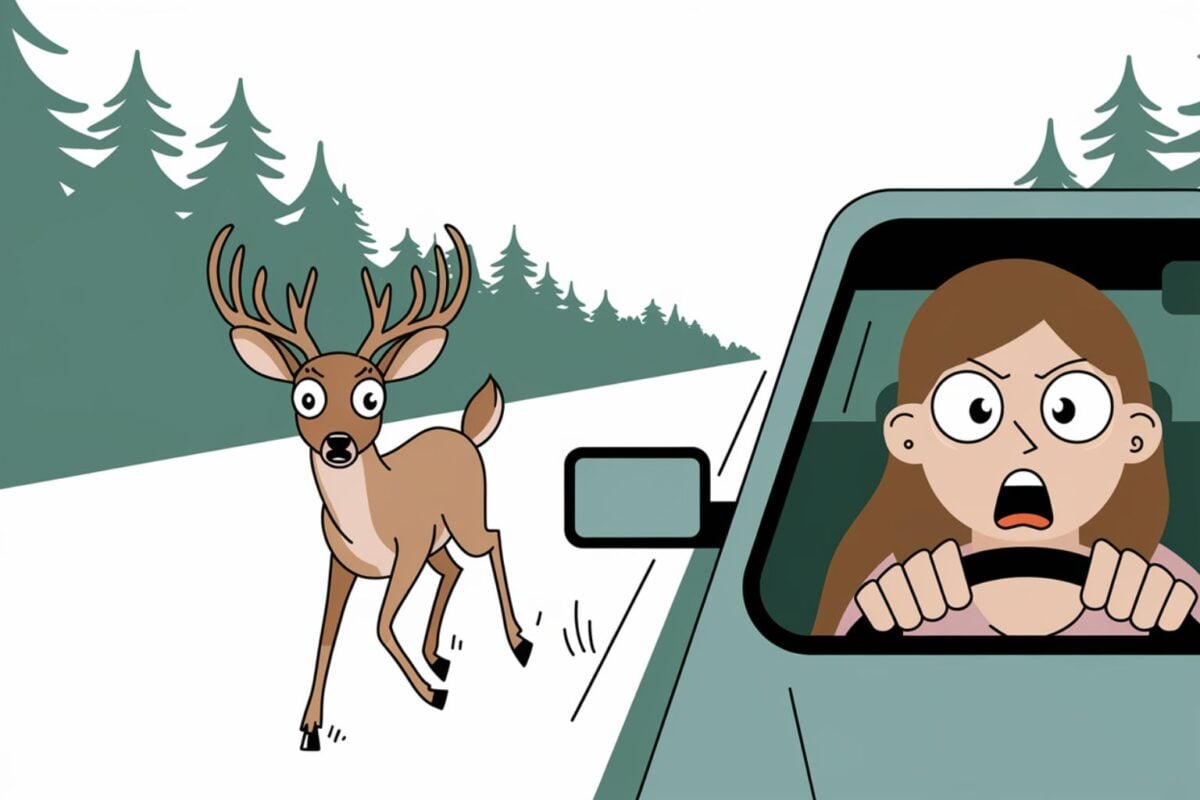
Victoria Muenchow hits a deer while driving a Hertz rental van, files a claim through her credit card insurance, and waits 10 months for Hertz to send a $5,873 bill. After her insurance settles the bill, Hertz demands an additional $842 for “diminished value” but can’t provide documentation. Can she fight this fee — and win?
Question
I rented a van from Hertz and while I was driving it, I hit a deer. I immediately reported the accident to Hertz, filed a police report, and submitted a claim through my Chase credit card, which offers primary collision coverage.
Despite my efforts, Hertz failed to provide the necessary documentation for months, causing my claim with Chase to close due to nonresponse. Ten months later, Hertz suddenly sent me a bill for $5,873, threatening to send me to collections.
After Chase settled the claim, Hertz demanded an additional $842 for “diminished value,” but it couldn’t provide any documentation or explanation for this fee. I’ve spent over a year trying to resolve this, and I’m exhausted. Do I have to pay this fee, or can Hertz be held accountable for their lack of communication and transparency?
— Victoria Muenchow, Anchor Point, Alaska
Answer
Hertz should have sent you the necessary documentation, including the accident report, demand letter, and itemized repair bill, promptly after the incident. Under most rental agreements, companies are required to act in good faith and provide timely communication, especially when insurance claims are involved. Hertz’s 10-month delay in contacting you is unacceptable and likely violates their own policies for handling claims efficiently.
You did everything right by reporting the accident immediately, filing a police report, and submitting a claim through Chase. You also kept meticulous records of the incident and claim.
In hindsight, you could have escalated the issue sooner by reaching out to Hertz’s executive team or filing a formal complaint with your state’s attorney general. (I publish the names and numbers of the Hertz customer service executives on my consumer advocacy site, Elliott.org.)
Have you ever been charged for damage to a rental car long after you returned it? What’s the most questionable fee a rental company has tried to add to your bill?
And what’s your best advice for navigating the claims process?
Share your experience in the comments.
What is diminished value? Hertz claims the accident reduced the vehicle’s market value after you hit the deer. According to Hertz, even though the repairs may have been flawless, the van was worth $842 less. But there’s just one problem. Hertz didn’t bother to provide any documentation that proved the diminished value. The car rental company’s inability to furnish documentation or a clear explanation for how it calculated this fee raises questions about its legitimacy.
Diminished value and its cousin, loss of use, are the two most controversial car rental fees. Loss of use is the theoretical amount of money the car would have earned if it hadn’t been in the repair shop. (Some states have banned loss of use fees.) While some rental agreements may include clauses allowing for diminished value claims, it’s understood that companies must substantiate such fees with evidence, such as appraisals or market analysis. Hertz didn’t do that.
I contacted Hertz on your behalf.
“Hertz sent me an email apologizing that everything had taken so long, and said they would waive the diminished value fee as a gesture of goodwill,” you reported. “Thank you so much for your help!”
This case is a reminder of the importance of paperwork — not just theirs, but yours. Thank goodness you kept excellent records of your interactions with the car rental company and the credit card company. If you hadn’t done that, you might not have had much of a case.
The damage control playbook
Your 3-step guide to handling a rental car damage claim.
Step 1: At the scene
Your immediate actions are critical. Document everything thoroughly to build a strong foundation for your claim.
- Take photos and videos from every angle.
- File a police report, even for minor incidents.
- Notify the rental company immediately.
Step 2: The claim process
Shift all communication to writing to create a paper trail. Do not rely on verbal promises from agents.
- Contact your insurance/credit card provider ASAP.
- Insist on written communication (email, not phone).
- Keep a detailed log of every interaction.
Step 3: Fighting back
If the company is unresponsive or adds questionable fees, it’s time to escalate. Make them prove their case.
- Demand documented proof for all charges.
- Dispute the fee with your credit card company.
- Contact company executives or a consumer advocate.

Need to contact a Hertz executive?
When customer service can’t resolve your issue, our verified list of executive contacts can help you escalate your case. Get the executive contacts →




Have a question about this story? Tell us what happened — we read every comment.
Join the conversation