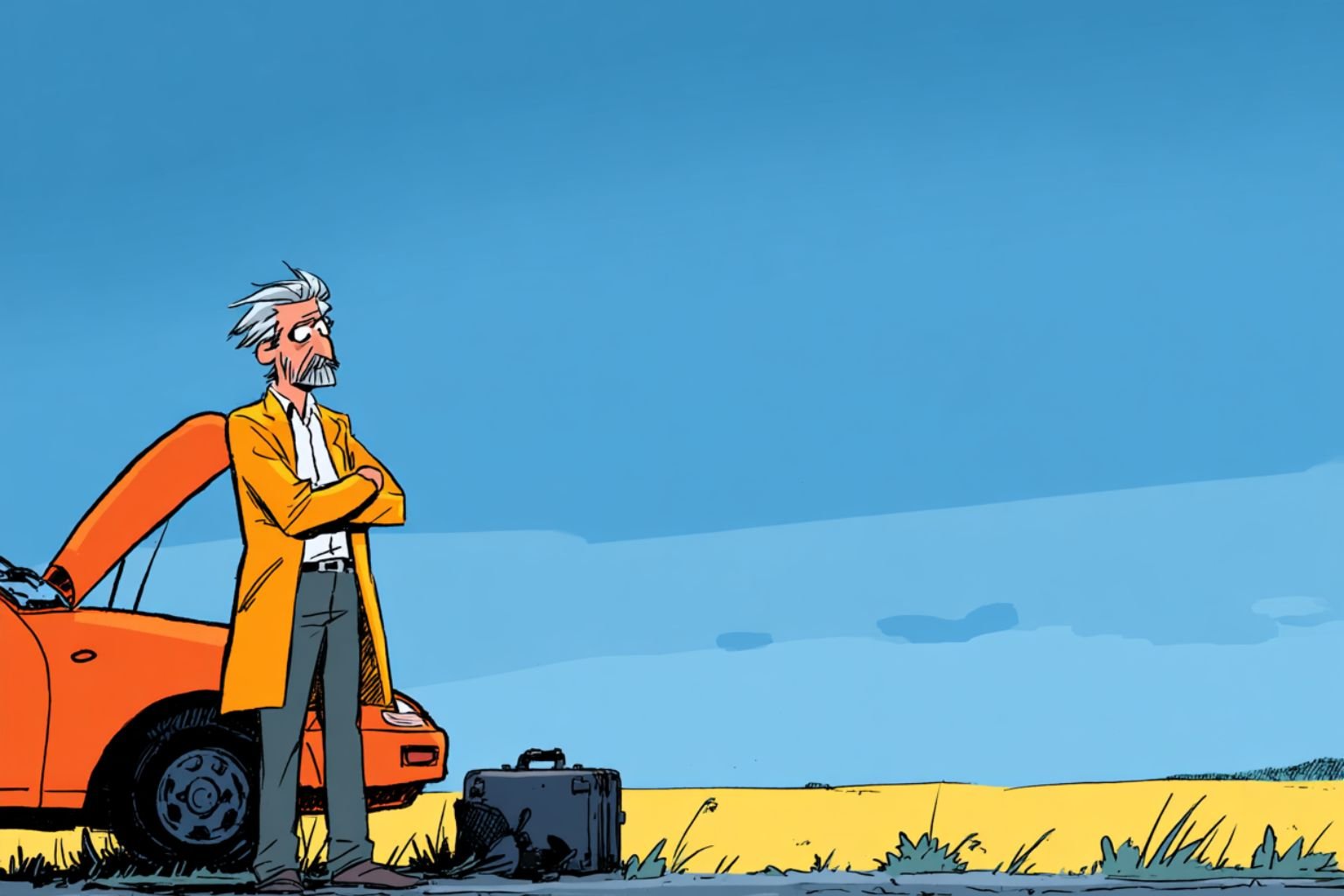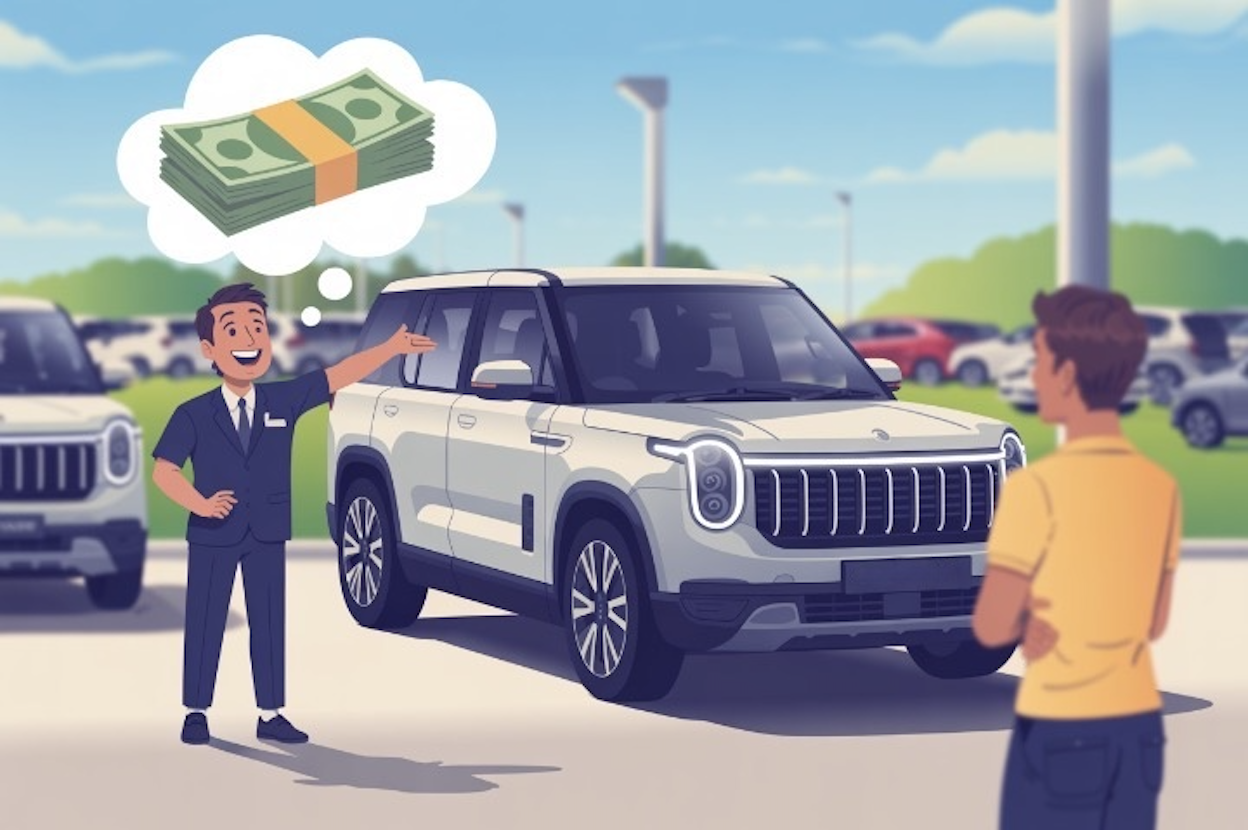
Cartoon of a grinning car salesman with a cash-filled thought bubble gesturing toward a white SUV as a customer stands with arms crossed at a dealership lot.

How to get the car you reserved without falling for the upsell scam

Have you ever heard of the car rental upsell scam? Neither had Steve Sphar. When the business consultant from Sacramento arrived to pick up a compact car from Europcar in Granada, Spain, the company had run out of vehicles. So it handed him an SUV and said he could swap it for his reserved model the next day, a seemingly generous fix. Then he made the swap, and Europcar charged him a $423 “customer choice” fee. It looks like a clever variation on an old rental-counter ploy, and experts say it is spreading as fleet shortages and inflation squeeze the industry. Running out of cars and then charging extra for a bigger one is legal, they note, but that does not make it right. The industry standard when a company oversells is simple: upgrade the customer for free. Some companies, though, see an oversold lot as an opportunity, offering two bad choices, wait for hours or pay a ransom, and betting you will not want to delay your vacation. Sphar contacted Europcar to reverse the charge.
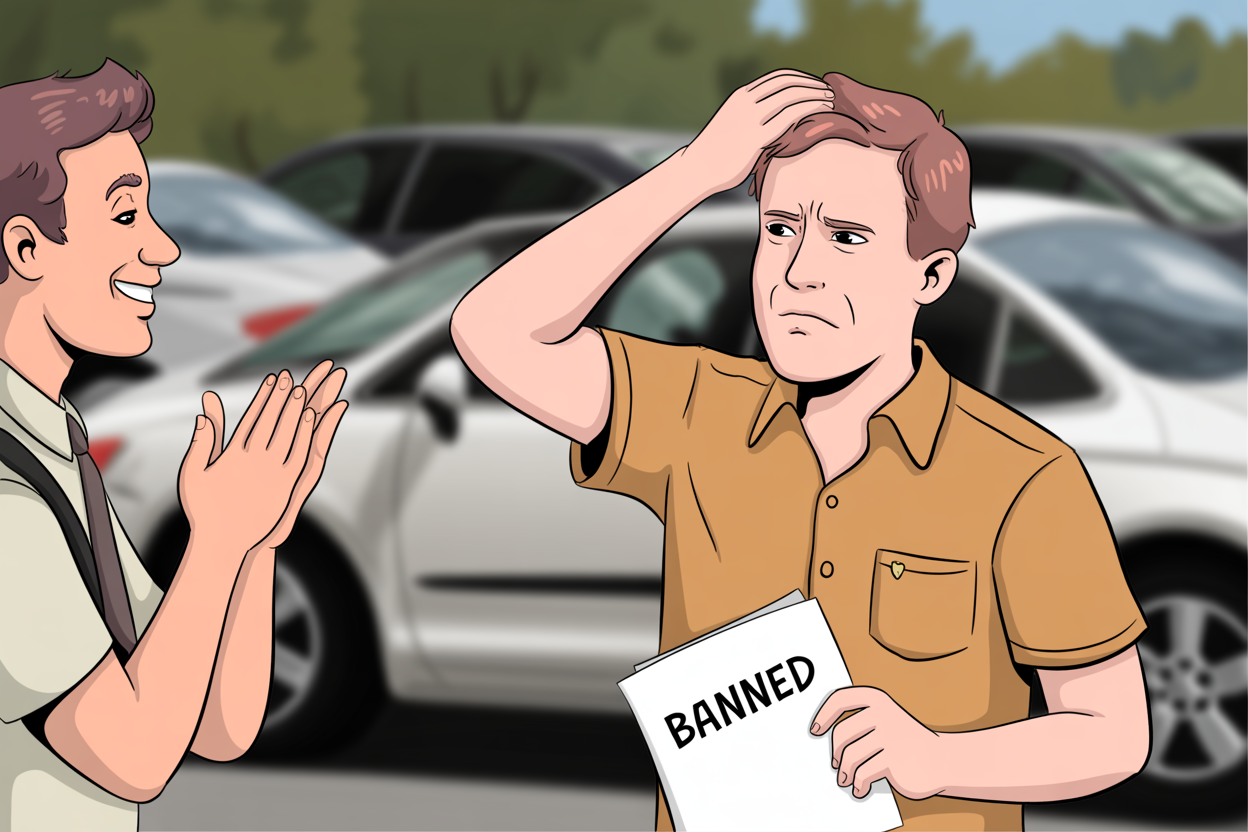
Cartoon of a distressed man holding a paper marked "BANNED" and clutching his head in a rental car lot, while a smiling rental agent gestures beside a row of cars.

Banned for a century: How one driver beat the car rental blacklist

Carlos Brown walked up to the rental counter in Cleveland expecting a car. Instead, he got a lifetime ban. A state transportation specialist who had rented dozens of cars that year alone, every payment cleared and every car returned without a scratch, Brown watched the agent’s computer crash, heard her read his license details to headquarters, and learned in that moment that he was on the company’s Do Not Rent list. His loyalty account was terminated on the spot over a mistake from years earlier. Brown’s case pulls back the curtain on the hidden world of rental car blacklists: proprietary “Do Not Rent” lists that can bar you from every brand a company owns. The reasons vary, from unpaid bills to damage claims to simply being rude to an employee, and unlike your credit report, you have no legal right to see the file or dispute it. The Federal Trade Commission does not regulate these lists. Companies do not have to give you a hearing. They can just say no.

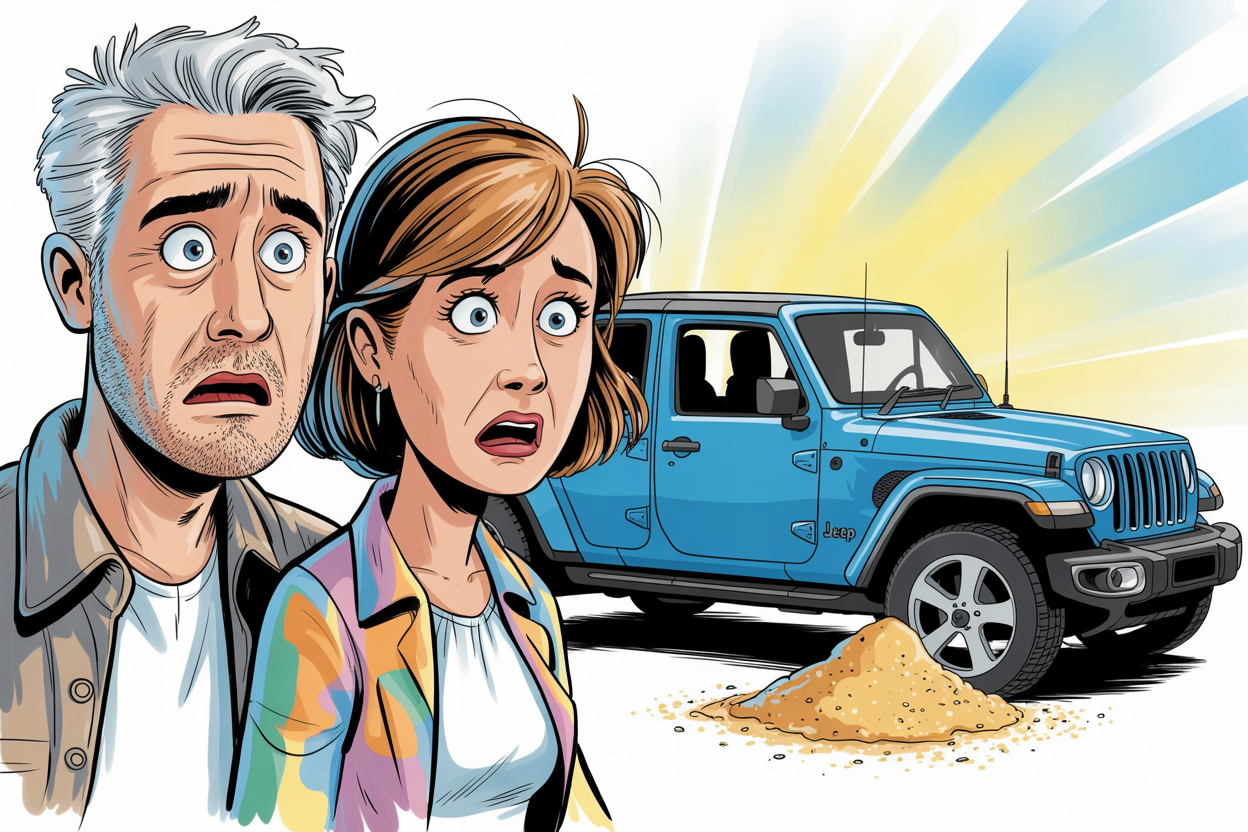
Cartoon of a shocked couple standing beside their blue rental Jeep, staring wide-eyed at a small pile of sand on the ground next to the vehicle's tire.

Budget’s $125 sand trap: When does a “dirty” floor mat become a rental car rip-off?

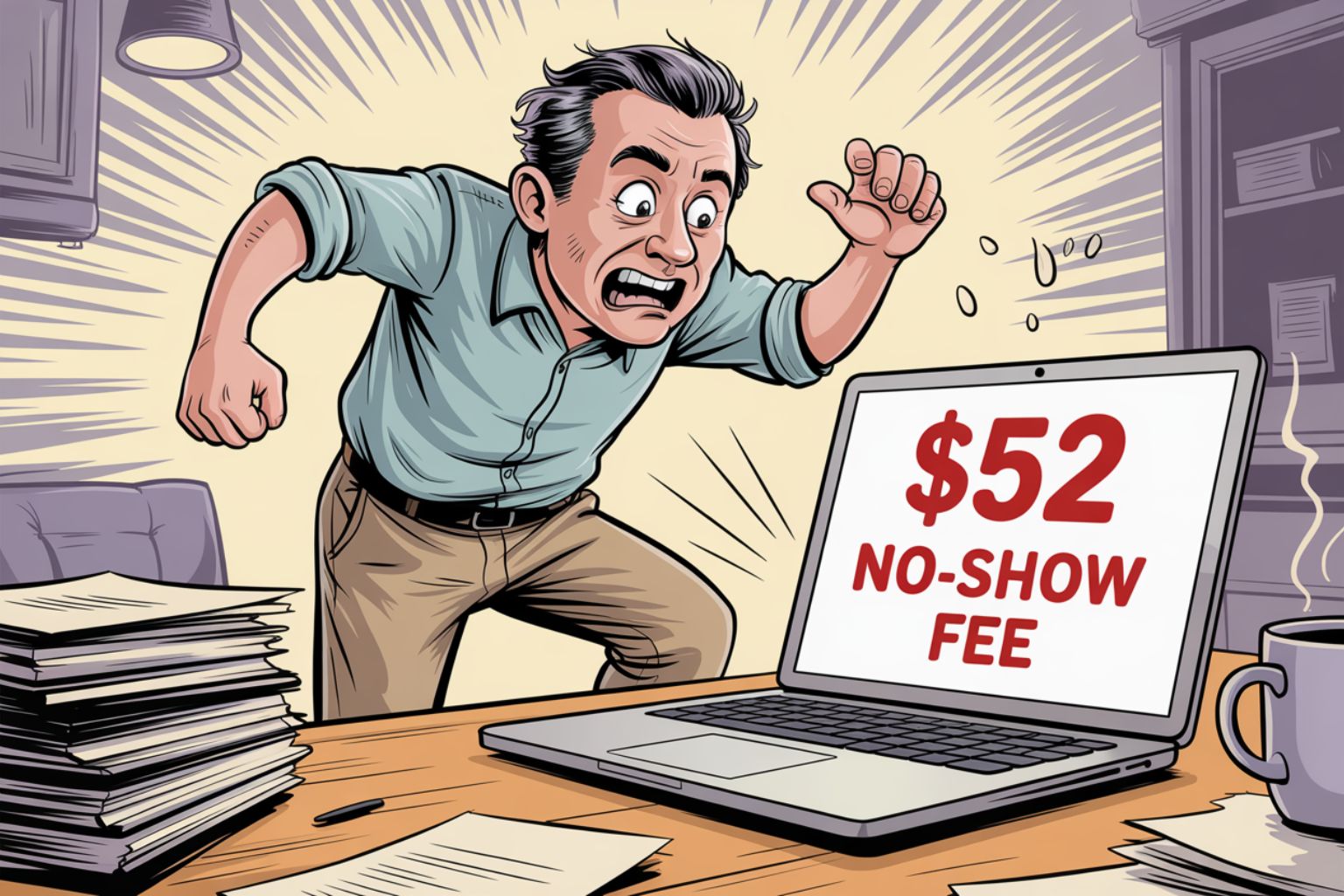
When Barb and Steve Pfeffer returned their rental Jeep after an eight-day hiking trip in the Pacific Northwest, the drop-off seemed routine. A friendly Budget agent verified the fuel, thanked them, and sent them on their way. It was anything but routine. Two weeks later, they found a $125 cleaning fee on their credit card. The reason? Excessive sand on the floor mats. Budget claimed the debris forced the Jeep out of service for detailing. The Pfeffers, who have rented cars for more than 40 years and never once been charged a cleaning fee, were stunned. They admit there was sand, they had been hiking in national parks for over a week, but they argue a couple of dirty mats hardly justify sending a car to a detailer. The deeper problem is buried in Budget’s contract, in a single phrase that lets the company decide, entirely on its own, what counts as too dirty and what that judgment will cost you.

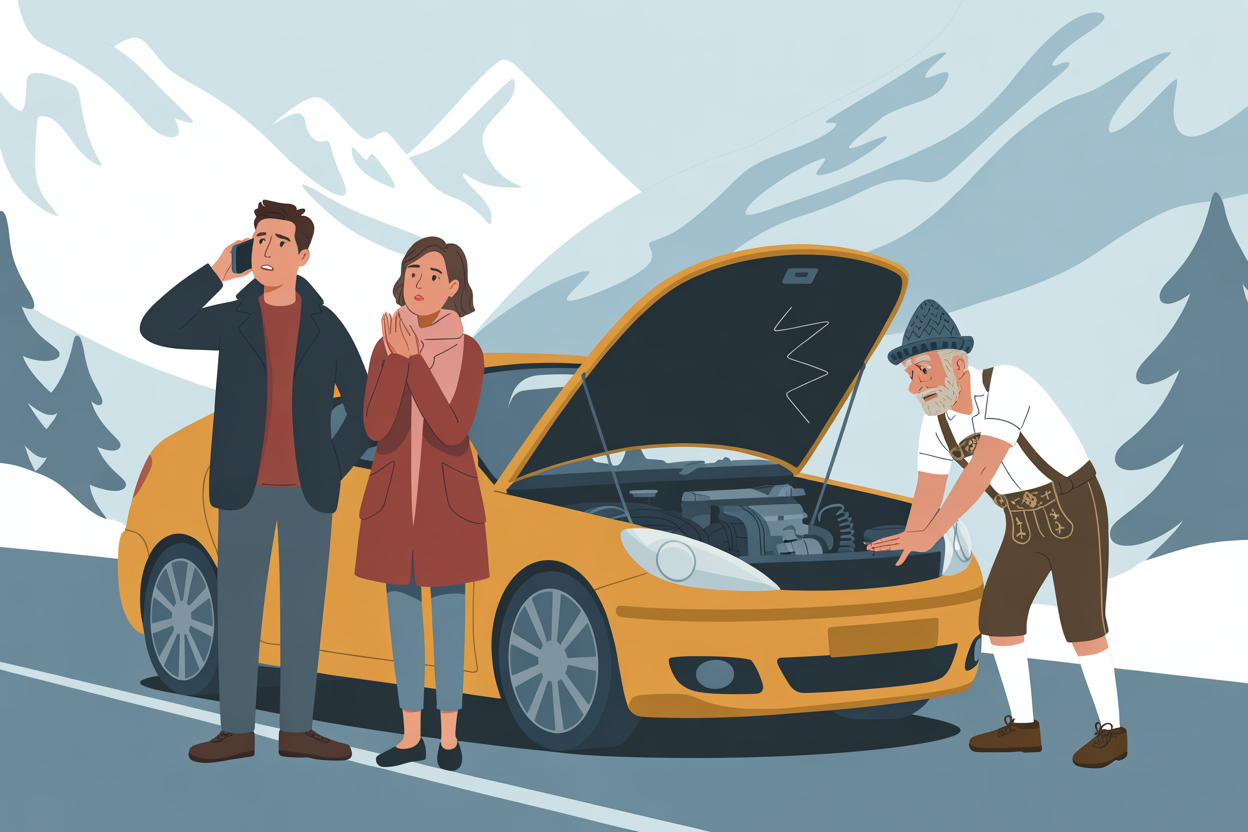
Illustration of a worried couple beside a yellow rental car with its hood up on a snowy Alpine road, the man on his phone for roadside help as a man in lederhosen inspects the dead engine.

Help! Alamo charged me $1,000 after my car battery died in the Swiss Alps

Kjell-Erik Berggren rented a car from Alamo at Geneva Airport for a six-day trip through Switzerland, and it worked perfectly until the last morning. Staying in a mountain village at 1,500 meters, he and his group woke to a cold, frosty morning and a car that was completely dead: no lights, no starter, nothing. Roadside assistance told them to leave the vehicle and find another way to the airport, which they did at considerable expense. Then, two months later, Alamo charged more than $1,000 to his credit card with no prior agreement or warning, on two invoices showing different totals that did not even match what was charged. The company pointed to a roadside protection product he had declined and an insurance deductible he had chosen. But there is a principle worth knowing before you accept a charge like this: rental companies are typically responsible for mechanical and electrical breakdowns that are not caused by customer negligence or misuse, and a battery that dies on a cold morning after five days of normal use points to a defect in the vehicle, not a mistake by the driver.

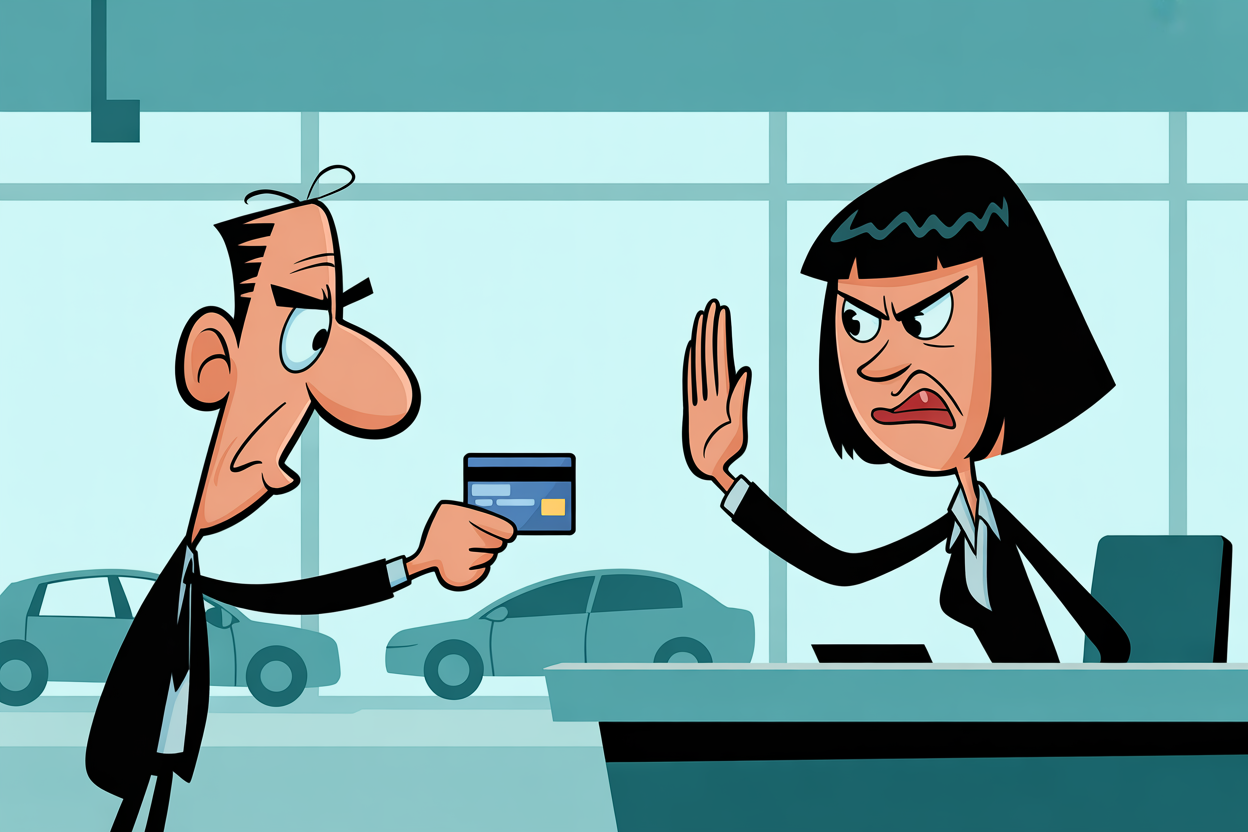
Editorial cartoon showing a confused customer holding out a credit card to a stern rental car counter agent who raises her hand to refuse it, with parked cars visible through the window in the background, depicting how Europcar agents pressure customers into buying duplicate insurance and refuse third-party coverage

Hotels.com and Europcar charged me twice for a one-way rental. Can I get my money back?

Lawrence Signori prepaid Hotels.com $338 for a one-way Europcar rental in Porto, Portugal, with the one-way fee clearly included in his reservation. At pickup, the Europcar counter agent added $155 for the one-way fee, $155 for mandatory Premium Protection insurance, and a $97 Premium Station Surcharge despite his airport reservation. Europcar claimed only $243 of the prepayment was applied to the rental, with the rest going to Hotels.com as commission. Hotels.com initially provided only vague responses about the duplicate charges totaling $407.