in this case
- A look at the severe limitations of some “travel protection” plans and why they may not cover you when you need them most.
- An examination of how inflexible supplier terms, like those from Rocky Mountaineer, can leave you without a refund.
- A step-by-step guide on how to escalate a complaint when a travel company initially refuses to help.
Lynda Eberhart and her husband were looking forward to a scenic trip with their friends through the Canadian Rockies. They booked their journey through Railbookers, paying $5,419 for a luxurious Rocky Mountaineer rail tour. But when disaster struck, their dream trip turned into a months-long battle for a refund.
Warning: Eberhart’s story is tragic — and infuriating. It’s got death and corporate intransigence, and if you’re expecting a Hollywood ending, you may be disappointed.
OK, Let’s get the death part out of the way. Eberhart says it happened several months before their departure, just a few days after they’d paid for the entire tour.
“Tragically, our previously healthy friend was admitted to the hospital and diagnosed with aggressive small cell carcinoma one week later,” she says. “He was admitted to hospice care the next week and passed away.”
Of course, the Eberharts decided to cancel their rail tour that summer. And that’s when insult was added to their injury.
Eberhart had purchased trip protection and expected a full refund. Instead, Railbookers gave each couple a travel voucher for less than half of what they’d paid The reason? The train portion of the trip, which made up two-thirds of the cost, was nonrefundable under Railbookers’ terms and conditions. And the travel protection didn’t cover their friend’s illness.
This case raises several important questions:
- Who’s responsible when a trip is canceled because of unforeseen circumstances?
- What’s the real value of travel protection plans?
- How can you escalate a complaint when customer service fails?
Let’s take a closer look at Eberhart’s case.
Read more insightful reader feedback. See all comments.
“It felt like we were being penalized for something beyond our control”
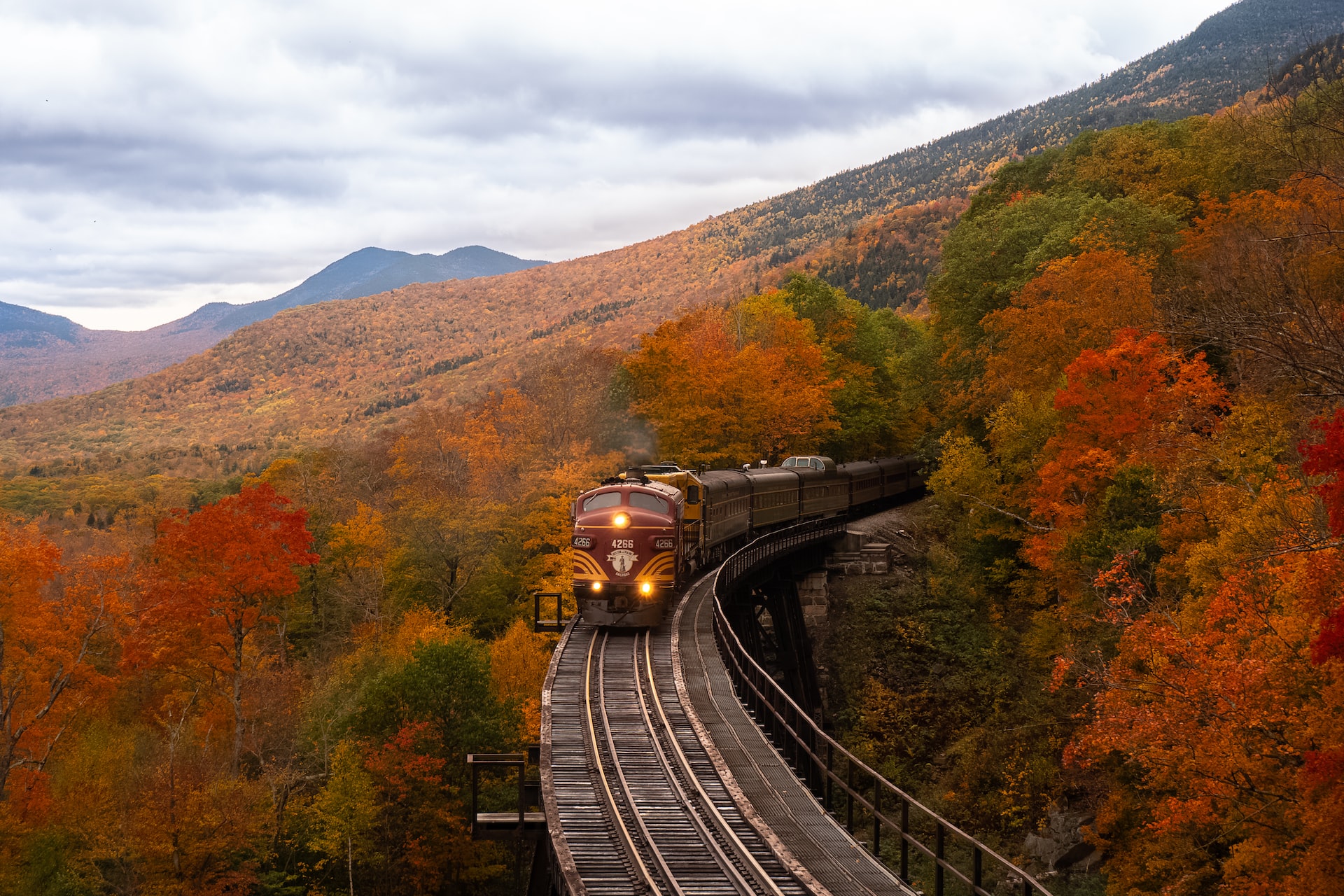
Last year, the Eberharts booked a train tour of the Canadian Rockies. Not just any train tour, but a Rocky Mountaineer tour — a breathtaking journey through one of the world’s most stunning natural landscapes. Their tour would take them on a scenic loop through the heart of the Canadian Rockies, combining luxurious train travel with immersive experiences in iconic destinations like Banff, Jasper, and Vancouver.
But after paying for the trip, the Eberharts’ travel companion received a devastating diagnosis. He had a highly malignant type of cancer, and most likely just weeks to live.
Eberhart canceled their trip shortly after the funeral, and expected a full refund. After all, she had purchased the tour operator’s protection plan.
Initially, Railbookers promised the couple a full future travel credit but said it needed to calculate the exact value of the voucher. Ultimately, it issued each couple a future travel credit of $2,507 — less than half of what they’d paid.
The reason? The train portion of the trip, which made up two-thirds of the cost, was nonrefundable under Railbookers’ terms and conditions.
“We were shocked,” Eberhart says. “We had travel protection, but it didn’t cover this situation. It felt like we were being penalized for something beyond our control.”
Should a company’s refund policy have an exception for the death of a traveler? Have you ever been surprised by what your travel protection or insurance plan didn’t cover?
And what’s the most effective way to fight back when a company refuses to issue a refund?
Let us know what you think in the comments.
Rocky Mountaineer is known for its strict refund rules
But rules are rules. It turns out that under “special restrictions” in the fine print, the Eberharts had agreed to forfeit the entire cost of the train part of the trip, which was about two-thirds of the total cost of their package.
Eberhart’s travel advisor called to get additional clarification on the matter, and a representative confirmed that once they paid in full, the train portion was no longer eligible for the future travel credit. Even a death certificate wouldn’t sway Rocky Mountaineer.
This reminds me of another Rocky Mountaineer case we had a few years ago, which ended with a partial refund.
Bottom line: Railbookers would not refund the Eberharts, even though they had purchased travel protection. Railbookers would only provide them a credit for the non-rail portion of the trip.
This is probably as good a time as any to remind you to read the fine print on your travel insurance and travel protection. It can come with significant restrictions.
But the Eberharts had two things going in their favor. A Railbookers representative had promised them a full credit in a phone call, and there are typically exceptions for the death of a passenger, even in super-restrictive contracts like the one Rocky Mountaineer pushed in front of them.
In other words, there was hope.
Who’s responsible when a trip is canceled because of unforeseen circumstances?
When a trip is canceled because of unforeseen circumstances — like a death in the family — travel suppliers want to avoid losing money on your booking. That’s why the fine print matters.
In Eberhart’s case, Railbookers’ terms and conditions stated that the train portion of the trip was nonrefundable once she paid for it. That left them with only a partial refund, despite their travel protection plan.
Travel insurance exists to cover unexpected issues that arise, and many policies cover the death of a travel companion. Regretfully, Eberhart’s didn’t. (Here’s my guide to buying travel insurance.)
It’s important to read your protection plan. Even the best policy has exclusions, and most only cover specific issues, like trip interruptions or medical emergencies during travel. Only a few will cover cancellations because of pre-existing conditions (although you can sometimes get a waiver at the time of purchase).
It’s clear that Eberhart made some assumptions about her travel protection that she shouldn’t have.
What’s the real value of travel protection plans?
Travel protection plans are marketed as a safety net, but they often come with limitations. In Eberhart’s case, the plan didn’t cover the cancellation of the train portion of the trip.
What does it cover? The benefits are outlined in Railbooker’s terms.
Trip cancellation coverage. Reimburses nonrefundable trip costs if you cancel due to covered reasons, such as illness, injury, or unforeseen emergencies.
Trip interruption coverage. Provides reimbursement if your trip is cut short due to covered events, including medical emergencies or severe weather.
Emergency medical coverage. Covers medical expenses incurred during your trip, including hospital stays and doctor visits.
Baggage protection. Offers reimbursement for lost, stolen, or damaged luggage during your journey.
Travel delay coverage. Compensates for additional expenses (e.g., meals, accommodations) if your trip is delayed due to covered reasons.
24/7 assistance services. Access to a global assistance hotline for emergencies, travel advice, and support.
You can also buy a “cancel for any reason” add-on, which would provide a partial refund if you decide to cancel for any other reason. But Eberhart hadn’t done that.
How can you escalate a complaint when customer service fails?
Eberhart was confused. She had received assurances of a refund, then the devastating news that she would only get a partial credit. What should she do?
She tried to appeal to the highest level possible at Railbookers. (We publish the names, numbers, and addresses of the customer service executives at Railbookers.) She could have also contacted Rocky Mountaineer to plead her case.
It looks like she also took her case to her travel advisor and separately disputed the charges on her credit card — perhaps a little prematurely.
All of these escalations might have worked, including getting my advocacy team involved (which she obviously did). But we’re dealing with Rocky Mountaineer, a company that does not typically give refunds. There were no guarantees.
A partial victory
I reached out to Railbookers several times on Eberhart’s behalf. At the heart of the case, as I’ve already mentioned, were a promise to issue a full credit and the fact that one member of the party had died. Companies often waive their rules for the next of kin, crediting the widow or widower the full value of the ticket as a goodwill gesture. That wouldn’t have helped in this situation.
The process really tested her patience — and mine. It took six months and several inquiries to get a response from Railbookers. But I finally did.
“Thank you for your patience as we looked into the inquiry,” a representative told her in an email. “After reviewing, we will be able to waive your future travel credits and refund the amount to the card we have on file for you.”
The Eberharts got $5,014 back from Railbookers, which is not quite a full refund, but about twice what they’d originally been offered. But they’ve learned an important lesson about the limits of travel protection.
“It’s a partial victory,” Eberhart told me. “But it shouldn’t have taken this long. And it shouldn’t have required outside intervention.”
How to fight for a refund when your trip is canceled
A step-by-step guide for when things go wrong
1. Before you book
-
Read the fine print
Understand the company’s cancellation policy before you pay.
-
Know your insurance
Look for exclusions, especially for pre-existing medical conditions.
-
Consider “CFAR”
A “Cancel For Any Reason” policy offers the most flexibility.
2. When you need to cancel
-
Notify in writing
Create a paper trail by sending an email immediately.
-
Document everything
Keep a log of every call, including names, dates, and what was said.
-
Get promises in writing
A verbal assurance of a refund is not a guarantee.
3. If they refuse a refund
-
Escalate your case
Find executive contacts and appeal to a manager.
-
File a card dispute
This is a powerful tool if you paid with a credit card.
-
Contact an advocate
If all else fails, a consumer advocate may be able to help.

Have a question about this story? Tell us what happened — we read every comment.
Join the conversation