in this commentary
- Luang Prabang, a UNESCO World Heritage site, faces environmental threats and needs to attract sustainable tourism to survive.
- Innovative businesses like the Avani+ Hotel and the Laos Buffalo Dairy are fighting back with plastic bans, organic farming, and emission control.
- Find out how travelers can support these efforts and why choosing the “right” kind of tourism is crucial for the city’s future.
A visit to Luang Prabang in Laos feels like stepping back in time. French colonial buildings line streets next to the slow-moving Mekong River. Buddhist monks in their saffron robes collect alms at dawn. The famous night market, with its street food vendors, beckons you with traditional Lao dishes like Khao Niaw, a sticky rice, or steamed fish.
This historic city, known for its temples and quiet beauty, is a UNESCO World Heritage site, with architecture and charm that set it apart as one of Southeast Asia’s most Instagrammable destinations. But it’s also struggling to answer an increasingly urgent question: Can it grow its tourism economy without destroying its fragile environment?
Laos is dealing with a long list of challenges, including deforestation and biodiversity problems that resulted from damming the Mekong. Tourism is a key source of revenue, representing about 9 percent of the Lao economy, but the country is struggling to attract the right kind of visitor.
Tourists may hold the key to the answer. There are opportunities to support local efforts to build a more sustainable future through a hotel stay, a visit to an innovative farming project, or even a cleaner river.

The courtyard pool at Avani+ Luang Prabang Hotel in Laos at sunset. (Photo by Christopher Elliott)
Your voice matters
Luang Prabang is fighting to balance tourism with preservation. From innovative buffalo dairies to hotels banning plastic, the city is betting on sustainability. We want to hear your thoughts.
- Do you actively seek out “green” or sustainable hotels when you travel, or is price and location still your main priority?
- Have you ever visited a destination that felt “ruined” by overtourism? What could have saved it?
- Would you pay a premium to stay at a hotel that filters its own water and grows its own food to protect the local environment?
How one Laos hotel is going green
Check into the Avani+ Luang Prabang Hotel and you start to notice things, like the absence of plastic water bottles.
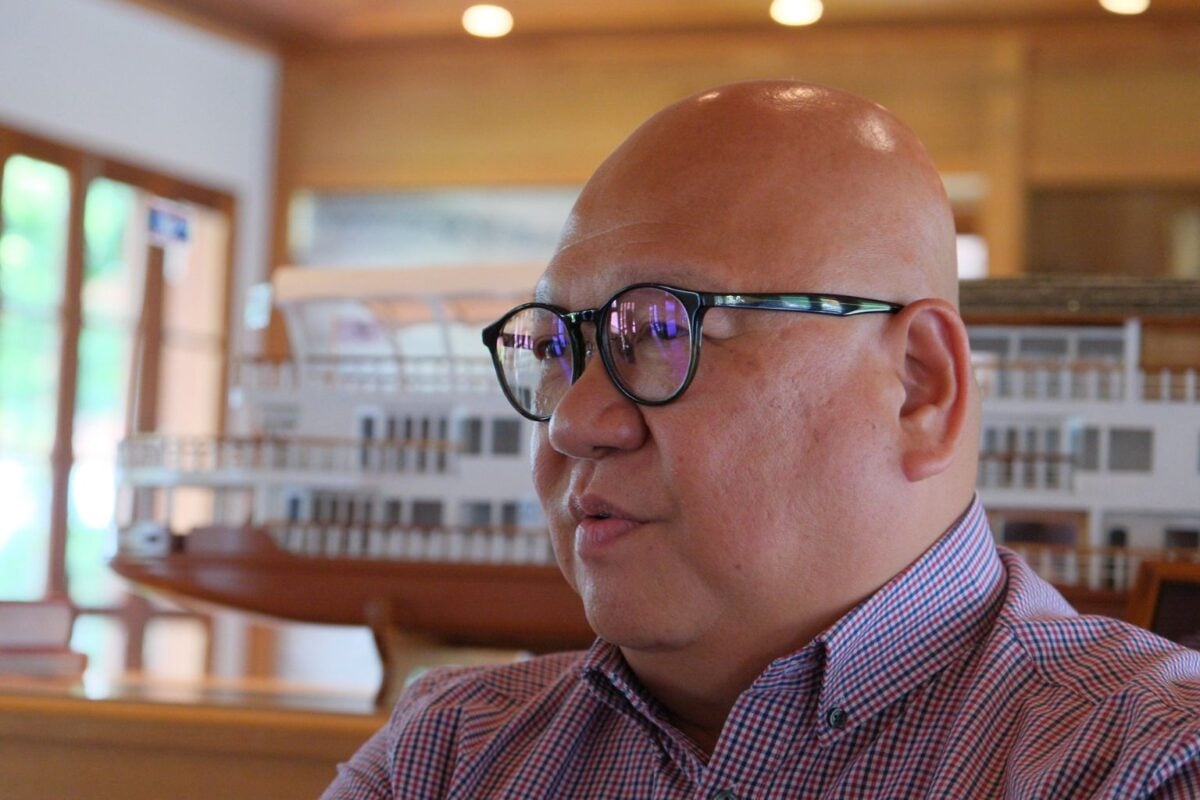
“We don’t have them,” says General Manager Max Chin. Instead, they filter and bottle their water through a local business using glass bottles. It’s a simple step, but far too uncommon in Southeast Asia. It also vastly reduces waste in a country that still sends most of its trash to a landfill.
Hotels often produce a lot of waste. Avani focuses on the basics: recycling, controlling food production, and separating waste. It has an organic garden on the property where it grows some of the vegetables served in its restaurant. That means less reliance on outside sources for food, and is a small step toward self-sufficiency.
The hotel is working to get formal recognition by applying for the Hotel Green Awards, a national award that recognizes sustainable hotels. Chin says the Avani is in the final process of getting approved, which he hopes will boost its green credentials. It’s also a member of Green Globe 2050, a program adopted by its corporate owner Minor Hotels, which involves monthly tracking of water and electricity use.
“It’s a measurable way we’re becoming more sustainable,” says Chin.
Reality check: Bottled water, recycling and an herb garden are not a big deal in developed countries. But in Laos, one of the poorest countries on Earth, it’s stop-the-presses news.
Frankly, the shift from volume to value tourism is exactly what places like Luang Prabang need. If a destination is fragile, you can’t have millions of people trampling it for $10 a day. High-value, low-impact tourism is the only sustainable path forward for heritage sites like these.
Read more insightful reader feedback. See all comments.

A traditional Lao fishing boat on the Mekong River.
Sustainability sets sail on the Mekong River
Avani manages several boats on the river, including vessels for its sunset cruise and a luxury riverboat, the Bohème, which runs overnight trips between Luang Prabang and the national capital, Vientiane. (The Bohème is operated by Mekong Kingdoms, Minor Hotels’ luxury river cruise line.)
Sustainability is a factor on the Bohème, too. Cleaning supplies used on the boats come from certified suppliers, according to Chin. The crew sorts and recycles trash — a contrast to the other boats on the Mekong, which sometimes simply dump their garbage into the river.
“We’re really focused on reducing waste,” says Chin.
Even though it has all the modern amenities you’d expect from a boutique river cruise, the Bohème looks like it was built a century ago. The Avan took great pains to make it look authentic. Authorities share Chin’s passion for keeping it real.
Thanks to Luang Prabang’s UNESCO status, the city has strict building codes. All designs have to comply with historical building codes. Chin says even building the hotel’s pavilion required multiple revisions.
“In a way, sustainability means keeping some things as they are. It means preserving the historical character that draws visitors,” he says.

Rachel O’Shea with Lola, the water buffalo, and a tasty molasses-flavored emission control block. The block reduces methane emissions from cattle. (Photo by Christopher Elliott)
The curious case of the buffalo dairy
Just outside of town, another kind of sustainability is on the menu. Rachel O’Shea, an American chef, co-founded the Laos Buffalo Dairy, a facility that produces high-end cheese and ice cream made from Buffalo milk.
O’Shea said the idea came to her and her partners in 2013 when they visited Laos and saw the free-roaming water buffalo.
“I asked, ‘Where’s your buffalo curd?’,” she remembers. “And they gave me this confused look. And then I realized: People were not milking the buffalo. And I thought, ‘We can do this.'”
The dairy started by trying to make mozzarella, and O’Shea says it wasn’t easy because she only had a recipe that used cow’s milk. Buffalo milk is naturally sweeter and creamier than cow’s milk. It’s higher in protein, calcium, minerals, and vitamins. It has an A2 protein, which is easier to digest, especially for many lactose-intolerant people in Asia. But eventually she got it right. Now, the dairy makes mozzarella, ricotta, feta, blue cheese, yogurt, and ice cream. It plans to add Brie, Parmesan and Cheddar.
Sustainability is built into her dairy farm. For example, nothing gets wasted when they make ice cream. They purée the unused egg whites and shells to feed the pigs for protein and calcium. The farm raises pigs for educational purposes.
A central sustainability feature is the dairy’s use of emission control blocks for the buffalo. These blocks, made of molasses and lemongrass, are specially formulated to reduce methane gas from cattle. Each block can reduce methane by 1,300 pounds per animal per year, or about 30 percent of what a buffalo produces.
Sustainability also means keeping local farmers in business. O’Shea and her team operate the dairy as both a tourist attraction and an educational center, using the farm to train local farmers to raise buffalo, rabbits and pigs. They teach farmers animal husbandry, disease prevention, vaccination, milking, and yogurt production.
O’Shea says that while having Buffalo products to sell to luxury hotels in Laos is important, her dairy farm is also mission-driven. In a place like Laos, the survival of a single cow can often make the difference between feeding a family — or going under. So there’s a lot at stake.
Attracting the right kind of visitor
There’s subtext to every conversation you have about tourism. It would be easy for Laos to become a “value” destination because of its low prices. That attracts backpackers and zero-dollar tourists who don’t contribute to the local economy because they prepay for their entire vacation package.
Laos is trying to bring in visitors who care about culture and the environment, hoping these tourists can help bring prosperity to a part of the world that desperately needs it. Forward-thinking businesses like Avani and the Laos Buffalo Dairy represent a growing recognition that tourism can make a positive difference.
These efforts, piece by piece, are building a foundation for Luang Prabang to remain mystical, fascinating, and perhaps, against the odds, sustainable for generations to come.
Sustainable tourism in Luang Prabang
How businesses and travelers are protecting a UNESCO treasure
How hotels are going green
Farming for the future
The role of the traveler
What you’re saying
Readers are embracing the shift toward sustainable tourism in Laos. Top commenter 737MAXPilot argues that “high-value, low-impact tourism” is the only way to save fragile heritage sites, and many others agree that mass tourism ruins destinations.
-
Quality over quantity
Jennifer bluntly states that the “cheap paradise” mentality wrecks destinations. She supports Laos pushing for travelers who care rather than those who want “unlimited buffets and zero responsibility.” The Brown Crusader notes that local businesses are successfully aligning economic goals with environmental protection.
-
Small steps matter to travelers
Mr. Smith says seeing a boat crew recycling trash instead of dumping it in the Mekong would make him book instantly. Dangerous Ideas adds that banning plastic bottles is a huge relief in a region plagued by plastic waste and would “happily pay a premium” for it.
-
Is it enough?
Miles Will Save Us All remains skeptical. While applauding the boutique efforts, he calls them “drops in the ocean” and argues that real change requires government policy to crack down on massive tour groups that disrespect local culture.


Have a question about this story? Tell us what happened — we read every comment.
Join the conversation