The German hotel that banned Nutella — and what it reveals about green travel’s biggest problem
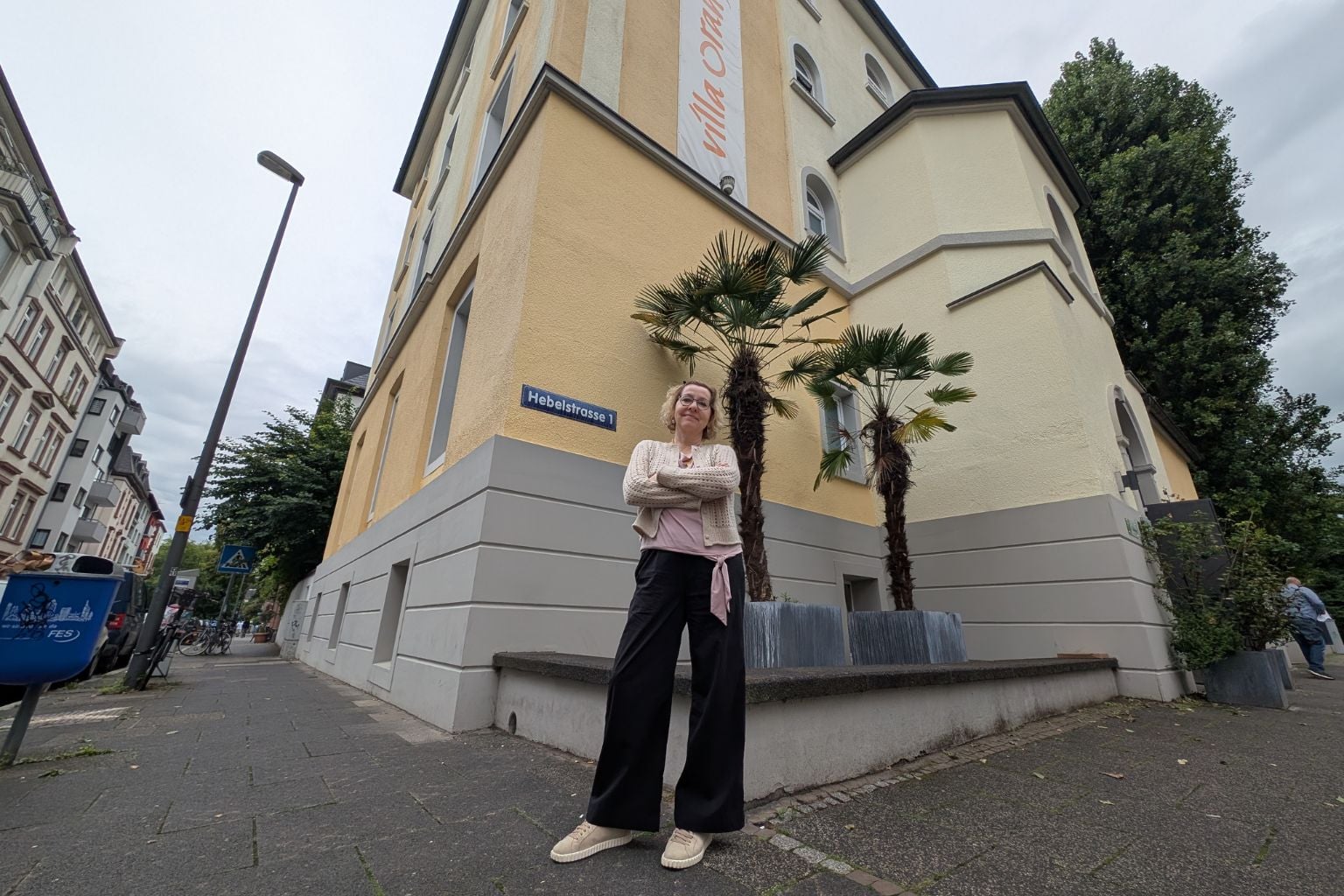
If you’re a guest at the Villa Orange in Frankfurt, Germany, you may have one question at breakfast: “Where’s the Nutella?”
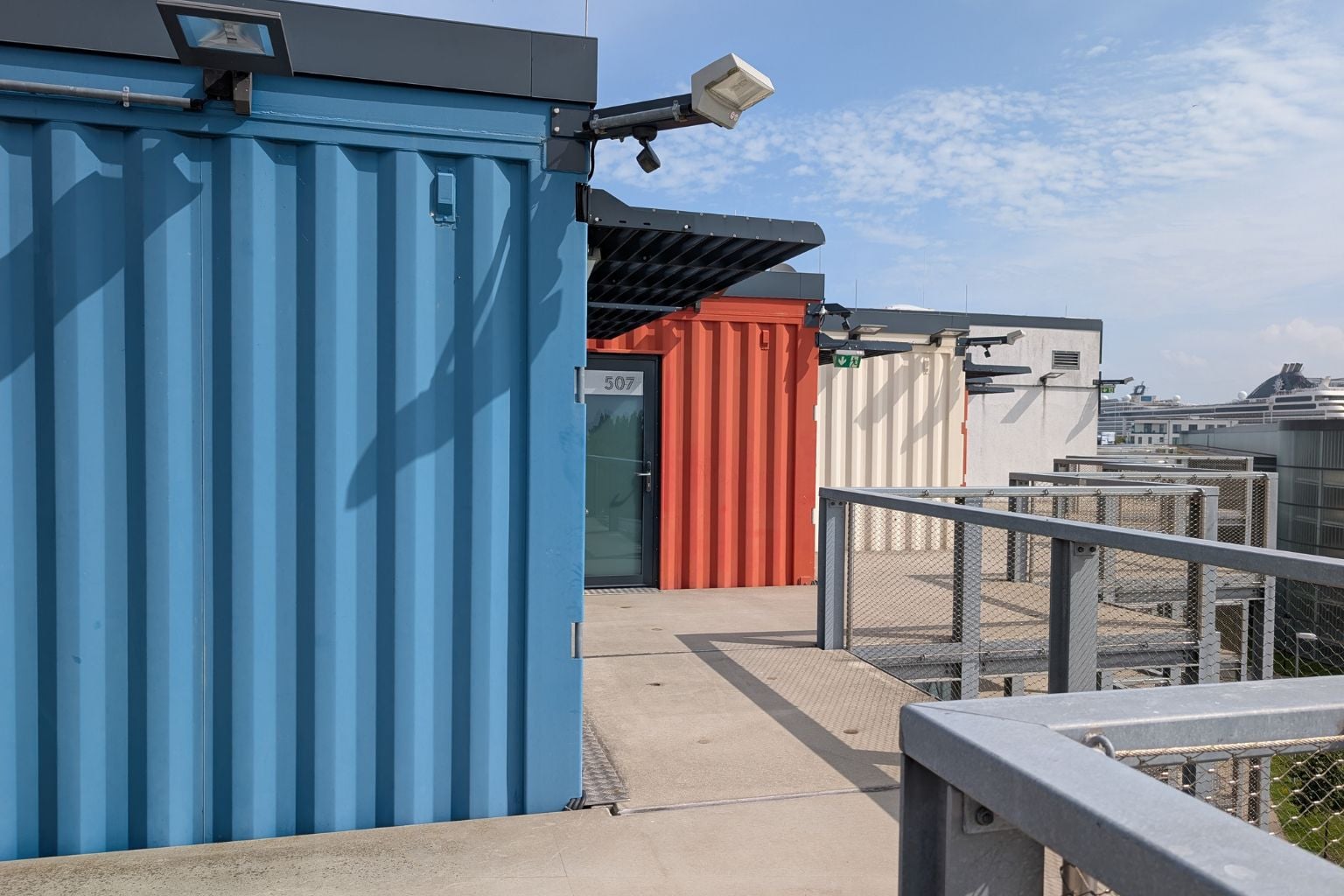
From the top floor of Dock Inn, a hotel made of shipping containers with a commanding view of the harbor and dockyards, you might see a ferry bound for Sweden sliding silently by in the distance. Beyond it, there are the dense forests of the Steilküste, a coastline with steep cliffs plunging into a cold sea.
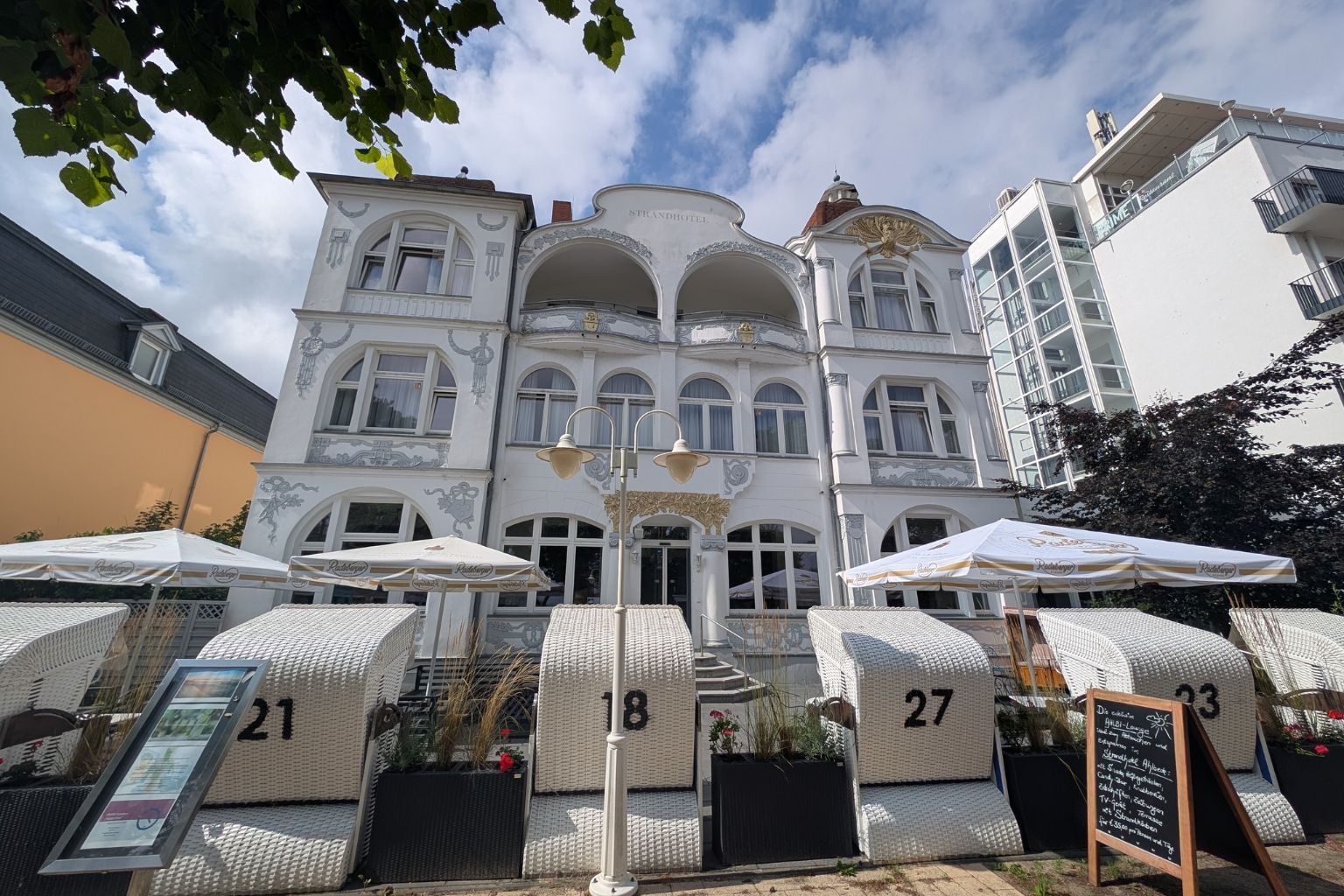
The Baltic Sea islands of Rügen and Usedom are known for their serenity — those quiet postcard-perfect days during the summer when the calm ocean waters reflect a cloudless sky. But this part of northern Germany, a long-cherished vacation spot for Europeans, also has its secrets.
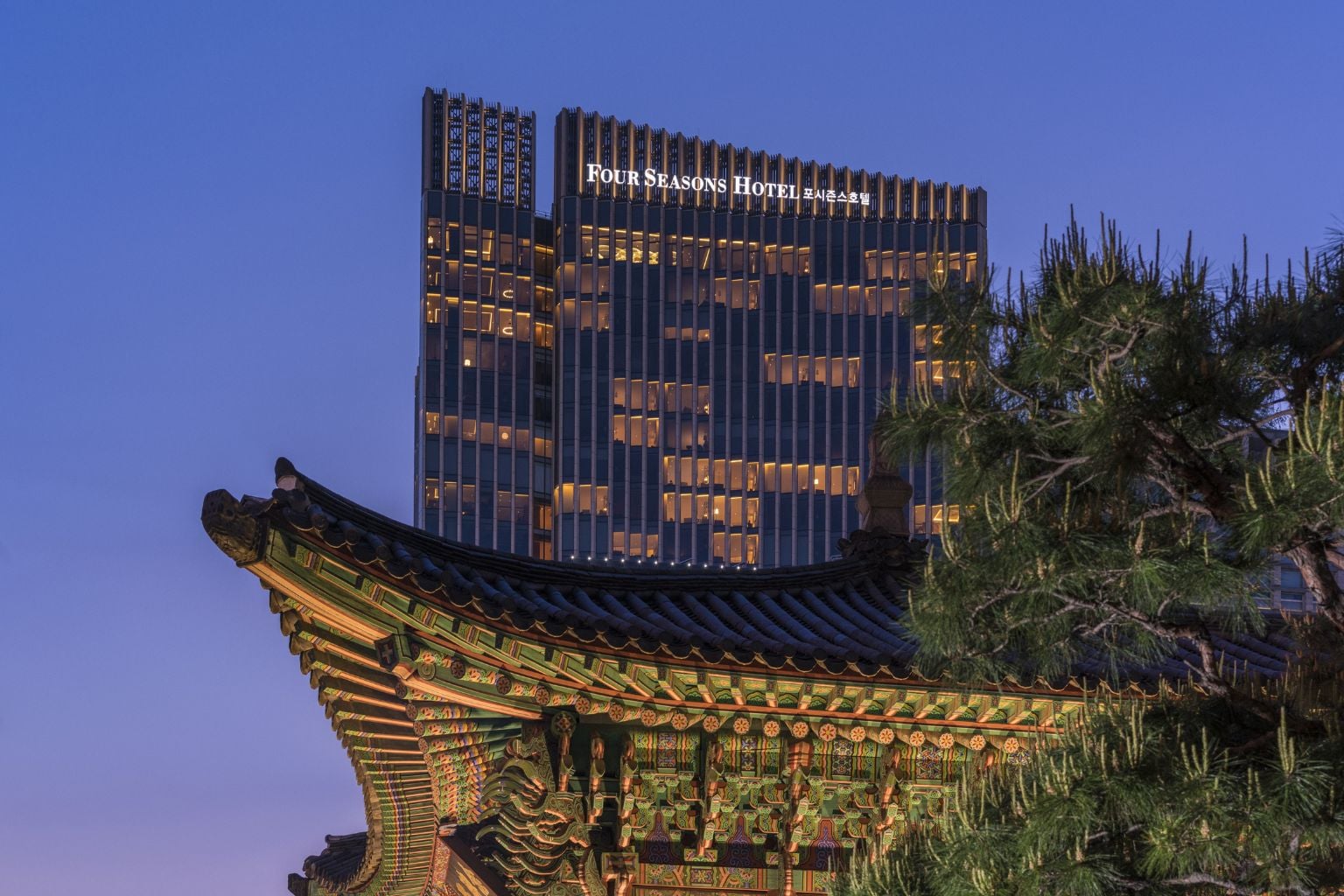
The Four Seasons Seoul has embarked on an ambitious project to become more sustainable.
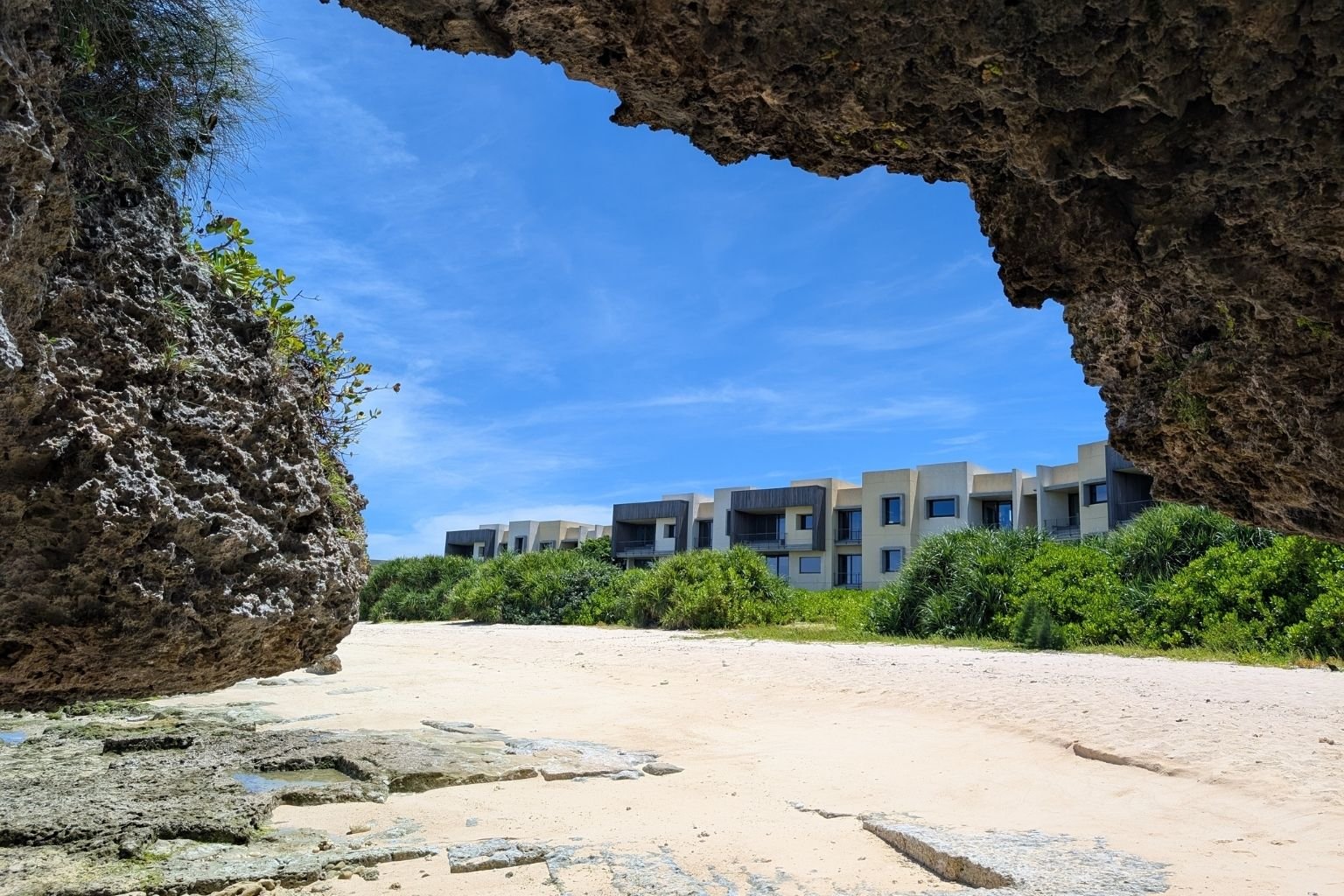
The turquoise water lapping against Okinawa’s pebbled beach is so clear that you can see an occasional parrotfish streaking by. Just behind it, the Hoshinoya Okinawa’s low-slung modernist villas blend into a landscape of gnarled fukugi trees and hibiscus.
Somewhere between the unexpectedly comfortable economy class seat on a discount Korean airline flight and the silence of an early morning in Christchurch’s Riccarton neighborhood, it hit me: The revenge travel crowds have finally dispersed. Travel is back to normal.
To see Kokomo’s Christmas trees, you have to dive into the South Pacific.
These trees aren’t decorated with tinsel or lights. They’re rebar skeletons suspended in the gentle currents of the Great Astrolabe Reef, covered in fragments of living coral.
The Langham’s dinner buffet in Hong Kong is a showcase of Chinese cuisine. You can find an extensive selection of dim sum, wonton dumplings, barbecue, and tofu pudding for dessert. But the luxury hotel’s spread is also at the forefront of the city’s sustainability efforts.
A visit to Luang Prabang in Laos feels like stepping back in time. French colonial buildings line streets next to the slow-moving Mekong River. Buddhist monks in their saffron robes collect alms at dawn. The famous night market, with its street food vendors, beckons you with traditional Lao dishes like Khao Niaw, a sticky rice, or steamed fish.
In an oversized, wood-paneled boardroom with a view of Tokyo’s Imperial Palace, Tsubasa Yokote is trying to explain the city’s approach to sustainable tourism. And it’s not easy.