in this commentary
- Travel feels normal again, with airfare drops and a noticeable easing of crowd pressure in places that felt overwhelmed recently.
- This list favors rediscovery over hype, highlighting cities where neighborhoods, food, and everyday life matter as much as marquee sights.
- The practical edge is infrastructure and access: rail links, transit upgrades, walkability, and stay-smart tips that make 2026 trips feel calmer and more local.
Somewhere between the unexpectedly comfortable economy class seat on a discount Korean airline flight and the silence of an early morning in Christchurch’s Riccarton neighborhood, it hit me: The revenge travel crowds have finally dispersed. Travel is back to normal.
I thought 2025 might be a good year for travel, but I was wrong. Actually, it was a great year.
Airfares in Asia plummeted (that $220 flight from Seoul to Frankfurt on T’way Air was real). The crushing weight of the tourism crowds finally lifted a little, making my neighborhood in New Zealand’s South Island feel almost abandoned on a late summer day.
For 2026, the question isn’t just where to go, but what to rediscover. Here are six places I want to visit again:

Tourists take pictures of the Acropolis in Athens. (Aren Elliott)
Athens
The sun bouncing off the Acropolis marble is blinding, but the heat in Athens is shifting. The city is steering visitors away from the Parthenon slopes and toward the graffiti-splashed streets of neighborhoods like Koukaki and Kypseli. There, the term “creative renaissance” is more than a brochure slogan. You see street art and experience a food scene that has moved beyond moussaka.
Tip: Stay outside the center. I rented a roomy apartment from Blueground in the suburb of Agia Paraskevi. Riding the Athens Metro into town, surrounded by locals rather than tour groups, I felt like a part of the neighborhood rather than just a spectator.
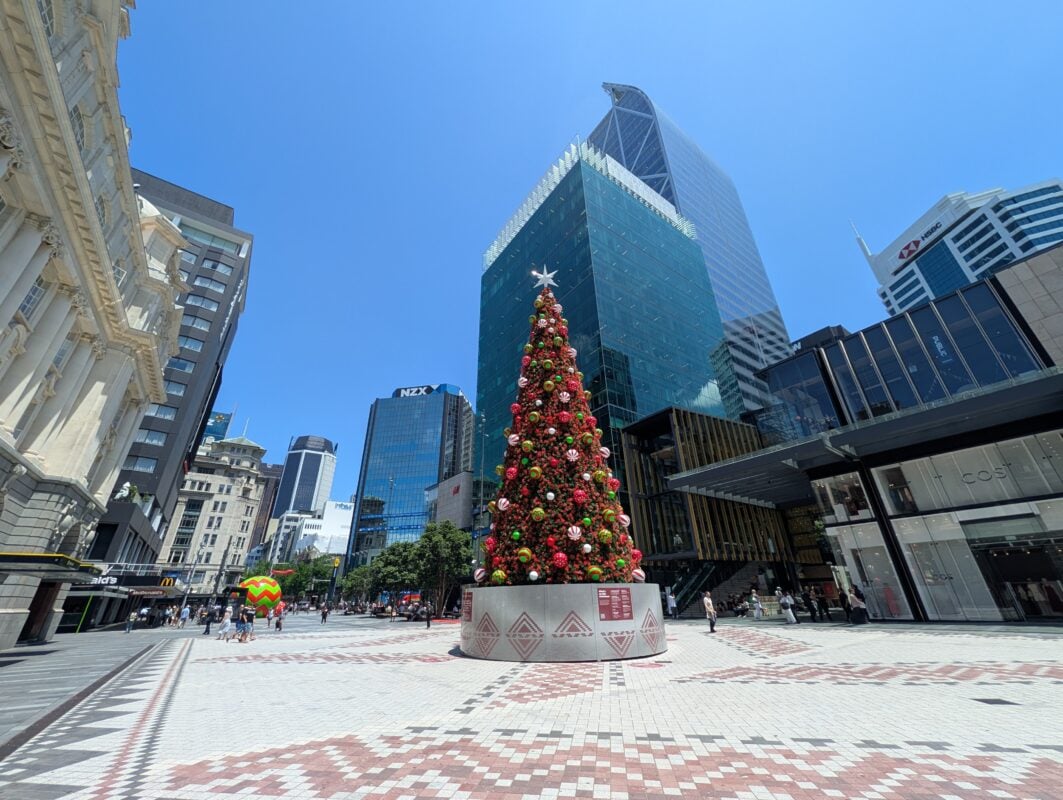
The Christmas tree in Te Komititanga Square in Auckland. (Aren Elliott)
Auckland, New Zealand
New Zealand’s largest city is often seen as a stopover, but not in 2026. Known as the City of Sails, Auckland’s life centers on its two harbors. As a world-renowned sailing destination, it is an ideal host for high-speed yacht racing events such as the SailGP, often dubbed the Formula 1 of sailing. Next year, the focus is shifting underground. The city is transforming its core to become more walkable and transit-friendly, and its long-anticipated City Rail Link is scheduled to open, connecting the waterfront to the inner-city neighborhoods. You’ll find a vibrant mix of Polynesian and international culture, from the upmarket restaurants in Britomart to the volcanic peaks that offer 360-degree views of the sprawling city.
Tip: Take a ferry to Waiheke Island. It’s only a 40-minute ride but it feels a world away, with its boutique vineyards, olive groves, and white-sand beaches.
Your voice matters
Travel feels different now. Crowds have thinned, prices have shifted, and many destinations are trying to redefine themselves beyond bucket lists and selfies. We want to hear how that change looks from your seat.
- Have you noticed travel feeling calmer or more affordable compared to the last few years?
- Do you prefer rediscovering familiar cities over chasing brand-new destinations?
- What makes a place worth returning to for you: food, neighborhoods, transit, or something else?
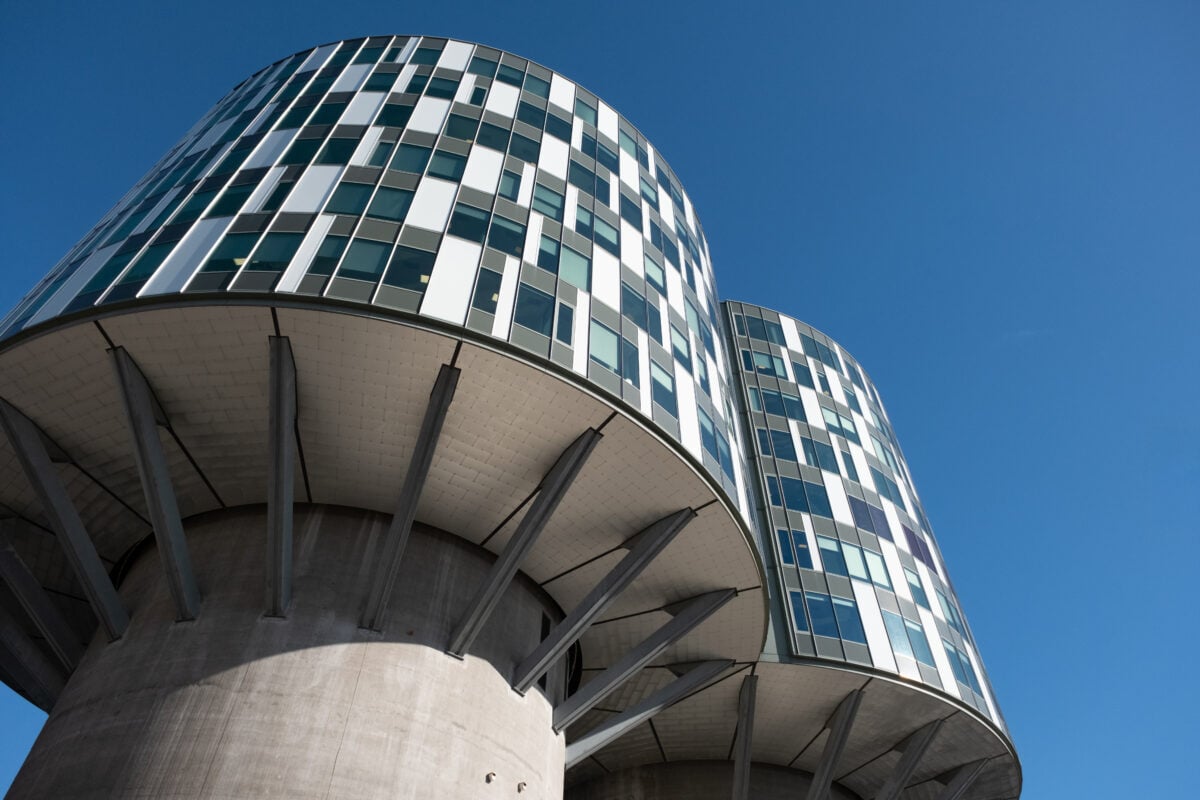
Perspective from Sandkaj of Göteborg Plads, an office building constructed from two grain silos and an exemplar of the architectural style and diversity of Copenhagen. (Aren Elliott)
Copenhagen, Denmark
If your blood pressure rises at the thought of airport security, let me take you to a train platform in Berlin. Starting this May, a new direct train service will link Prague, Berlin, and Copenhagen. Imagine no security lines or liquid restrictions as you board your train and watch the German countryside dissolve into the Danish coast over seven hours, a glass of Carlsberg in hand. (Here is our best guide to planning your next trip.)
Copenhagen is all about green tourism. It feels cleaner and friendlier than almost anywhere else in Europe—a place where the silence of electric harbor boats is broken only by the sound of clinking glasses on long summer days.
Tip: For Nordic design, the 3daysofdesign Festival in June is becoming the Art Basel of the north. If you have time, take the train to Aarhus. It is Copenhagen’s quieter sibling.

Frankfurt’s famous opera house. (Aren Elliott)
Frankfurt, Germany
Maybe you picture Germany’s financial capital as a terminal to sprint through while praying your luggage makes the connecting flight. But step out of the airport in 2026, and you’ll find a city that has traded its gray flannel suit for something more interesting. As the 2026 World Design Capital, Frankfurt is trying to shed its “Mainhattan” image. The glass skyscrapers of the financial district now reflect the timber frames of the reconstructed Dom-Römer Quarter—a case study in rebuilding history without the artificiality of Epcot.
Tip: Skip the chain hotels. Check into the Villa Orange, Frankfurt’s only fully organic hotel. It’s tucked away in a quiet neighborhood that smells of roasting coffee rather than high finance. Or, hail a Velotaxi. As my driver pedaled past the opera house, he showed me a city that is finally waking up.
A safe destination is my first choice. Cities where I don’t worry about personal safety, muggings, shootings, pocket picking, or bag snatching matter more to me than anything else.
While some people might disagree, I have never felt safer than in Doha and Abu Dhabi. Almost zero crime, immaculately clean cities, and food from all over the world. A bonus is the unending kindness, warmth, respect, and welcome from everyone.
I spend months in both cities, and it is a great feeling to truly feel safe.
Read more thoughtful reader perspectives. See all comments.

The Aqualuna Junkboat, a traditional sailing vessel renovated for tours of Hong Kong’s harbor.
Hong Kong
Hong Kong surprised me in 2025. After years of quiet, the city is now courting the world again. The energy has shifted from boardrooms to the streets. The Kai Tak Sports Park, a complex rising from the site of the old airport, brings the roar of concerts and sporting events back to the harbor. But the soul of the city lies in the West Kowloon Cultural District, where the M+ museum offers art without velvet-rope pretension.Tip: The city is shedding its workaholic image. At the Four Seasons Hong Kong, try an Ignae Digital Detox Retreat. It’s a 120-minute assault on the physical toll of modern work. You may forget your phone when they’re done with your session.

The Grand Hotel is built on the site of an ancient temple and a famous landmark in Taipei. (Aren Elliott)
Taipei
If you travel with your stomach, Taipei is the destination for 2026. It’s not just the high-end establishments with tasting menus. It’s the steam rising from a street vendor’s wok. It is a world-class meal for the price of a latte. And don’t forget the tea. It’s not just the famous Alishan oolong. This is the birthplace of bubble tea, the ubiquitous caramelized beverage you can find in every mall. Taiwan still has the best bubble tea in the world.
Tip: For a visual feast to match the culinary one, stop by the Mandarin Oriental Taipei’s Jade Lounge for high tea, or gaze up at the spectacular architecture of the Grand Hotel, overlooking the Keelung River.
What it took to create this list
I spent just a week at home this year, and I was on the road and out of the U.S. the rest of the time. And to be clear, I took a lot of flights and stayed in a lot of places I would rather forget. (I have 52 columns in 2026 to cover the places you should avoid—stay tuned for that.)
People ask me what it will be like to travel in 2026. Honestly, no one can predict the future of travel.
Some things may never change. Flights will be delayed. Hotels will find tricky ways to charge resort fees for a gym with one broken treadmill.
But don’t travel because it’s easy. Travel because standing in the shadow of the Acropolis, or sharing a table with a stranger in Frankfurt, reminds us of something important. Despite borders and barriers, we’re just people trying to find a good meal and a human connection.
Maybe that’s worth the price of the ticket.
Go here next year
Six destinations worth rediscovering in 2026
Athens, Greece
Auckland, New Zealand
Copenhagen, Denmark
Frankfurt, Germany
Hong Kong
Taipei, Taiwan
What you’re saying
Readers are weighing in on what truly defines a great destination in 2026, with safety, authenticity, and quality of daily life emerging as decisive factors alongside food, transit, and culture.
-
Safety matters more than spectacle
Sandra Gershenfeld says her top priority is personal safety, pointing to extended stays in Doha and Abu Dhabi as examples of cities where cleanliness, low crime, and everyday courtesy make travel genuinely relaxing rather than stressful.
-
Living like a local changes everything
Commenters like 737MAXPilot echo the value of staying outside tourist cores, noting that neighborhood-based travel in places like Athens delivers a more grounded and memorable experience.
-
Food, transit, and connection still matter
Others highlight Taipei’s street food culture and Europe’s expanding rail networks, arguing that walkability, trains, and shared meals often shape a trip more than headline attractions.




Have a question about this story? Tell us what happened — we read every comment.
Join the conversation