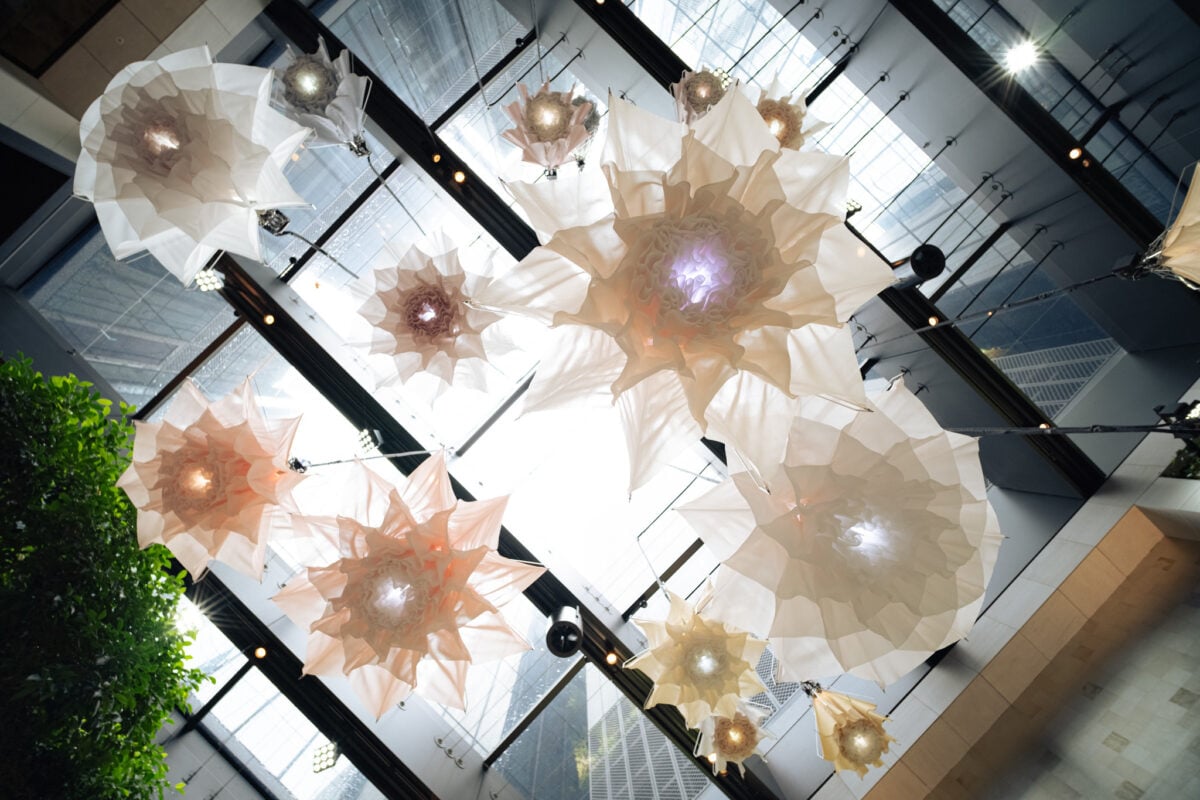
The lamps in the lobby are breathing.
It’s a slow, rhythmic pulse of light that mimics a human respiratory cycle. If you stand under them long enough, you might find yourself exhaling in sync.
But this is more than a high-concept art installation. It’s a breathing exercise for the weary traveler—perhaps someone who has spent the last 22 hours on a plane—designed to decompress guests the moment they step off the bustling streets of Sydney’s Sandstone Precinct.
This is the Capella Sydney, a 192-room luxury hotel in the meticulously restored Department of Education building that has anchored the city’s central business district since 1915.
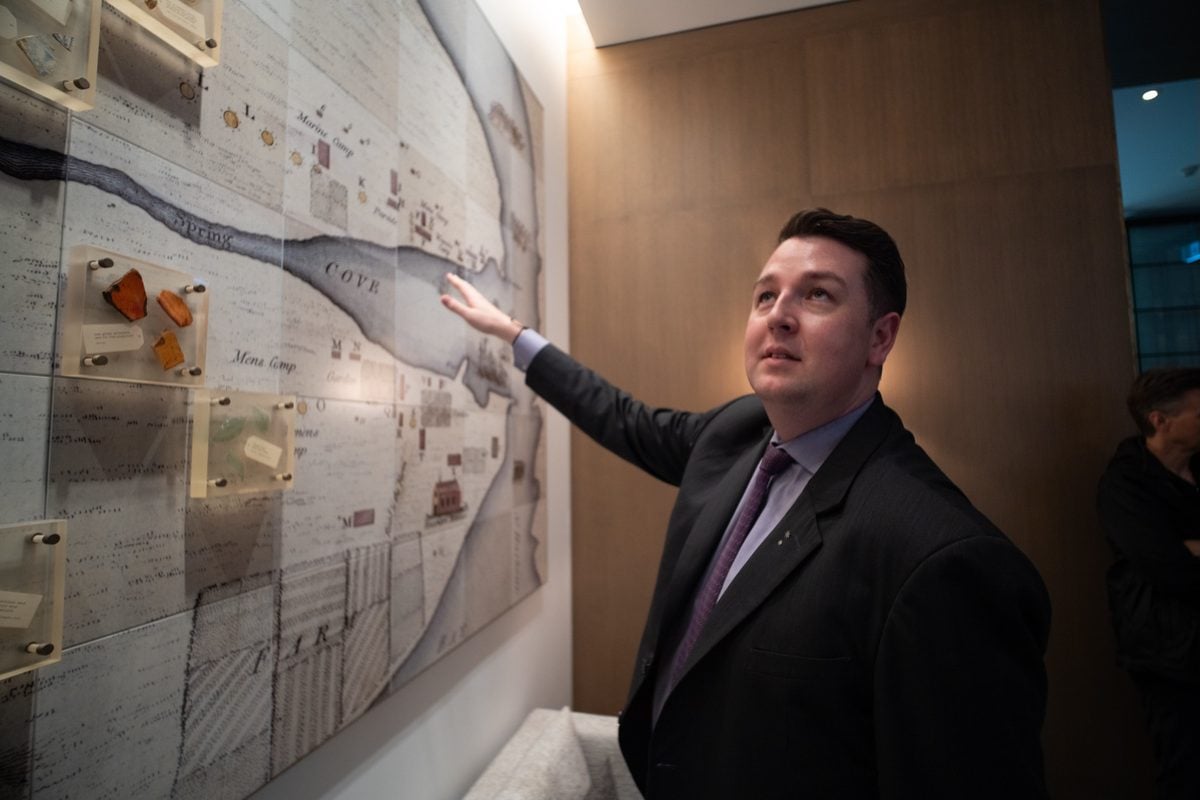
“We wanted to create a reason for people to come back,” says Anthony Metcalfe, the hotel manager, as he walks through the soaring marble corridors and points to the art collection, which features some of Australia’s most famous indigenous artists.
Metcalfe, a hospitality veteran who opened properties in Japan and New Zealand before coming to Australia, isn’t interested in the checklist version of sustainability where you swap plastic straws for paper and call it a day.
For him, true sustainability is a multilayered responsibility. It’s about architectural preservation, social enterprise, and a supply chain that actually gives back to the community. In an industry that’s perfected the art of separating you from your money, Capella is betting that modern luxury guests want something deeper: a connection to the place they’re visiting.
Case in point: Meadows, the breathing installation on the ceiling. A Dutch artist collective called Studio Drift designed this kinetic light sculpture for the hotel. The flower-shaped fixtures with 12 distinct movements loosely represent Australia’s seasons. The artists even drew on local color palettes for inspiration, painting the sculpture in faint lilac and off-yellow.
The ghost in the exoskeleton
Sydney doesn’t have a lot of heritage buildings left with the structural tolerance for a five-star hotel conversion. During the brutalist boom of the 1970s, many of the city’s historic buildings met the wrecking ball. Capella is a rare survivor. No surprise that the redevelopment project generated some controversy. Before the project started, protestors who used to work for the Department of Education picketed the building, protesting plans to develop a hotel.
The restoration was a seven-year process by developers Pontiac Land Group that required bringing the building back to the original vision of George McRae, the government architect who designed the Sydney Town Hall and the Queen Victoria Building. McRae wanted the Department of Education to underscore “public trust in government institutions,” a sentiment that feels almost quaint today.
But the real magic happened underground during the restoration. To minimize the environmental impact, developers consolidated the back-of-house operations into the adjacent Department of Lands Building, a second landmark heritage building Pontiac restored, using a shared subterranean service tunnel. (The tunnel is for employees only, kind of hush-hush like the service tunnels under Disney’s Magic Kingdom.) By avoiding massive new excavations, the project significantly reduced its carbon footprint and construction costs.
Capella Sydney opened in March 2023, followed by the official launch of The Lands by Capella Events this February. Located within the historic Department of Lands Building, the global event venue serves as an extension of the hotel, hosting multi-day international conferences, exhibitions, weddings and business gatherings.
“What we do have left should be celebrated and cherished,” Metcalfe says, pointing toward the nearby AMP building, which recently underwent its own massive exoskeleton rebuild. “It’s about having the right balance between heritage and function.”
Social sustainability and the Forager’s Fizz
Metcalfe’s version of hospitality extends beyond the hotel’s sandstone walls. He views social impact as a core component of sustainability.
Take the turndown amenities. Instead of mass-produced chocolates, guests might find a balm sourced by a small, female-owned business on Groote Eylandt, in Australia’s Northern Territory. This partnership creates a direct economic benefit for a marginalized community facing complex socioeconomic challenges.
“It’s more expensive than getting something made in a factory overseas,” Metcalfe admits. “But the value return in terms of what it does for the community is meaningful.”
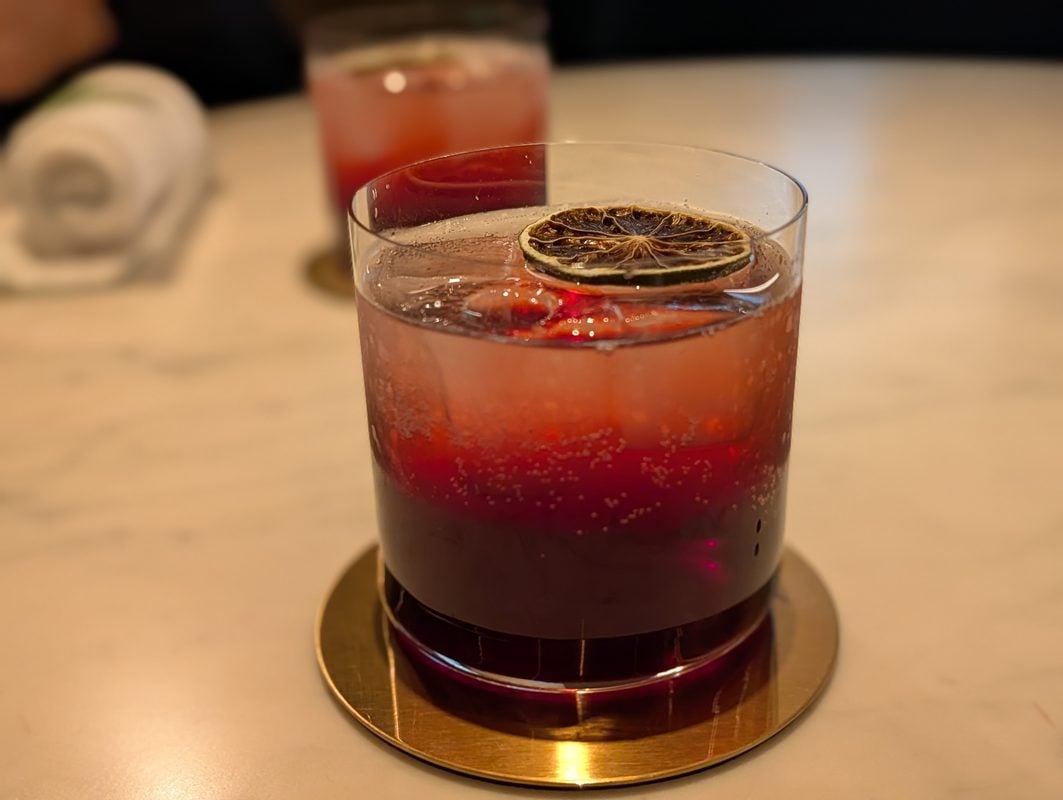
Then there’s the Forager’s Fizz. The hotel works with a local food forager who scours a 7-kilometer radius of the city for ingredients like cranberry (rosella) and wild honey. The resulting arrival refreshment is a hyperlocal welcome that changes with the seasons. Metcalfe promises the next iteration for Southern Hemisphere autumn will feature wild coffee beans.
Breaking the walled garden of luxury
The traditional luxury hotel is a walled garden—a closed system designed to keep you inside and spending money at the hotel bar. Capella wants to break that cycle.
Each room comes equipped with a reusable “keep cup” featuring a QR code. Instead of directing you to the hotel’s own café, the code points guests toward local, independent coffee shops in the neighborhood. It’s a deliberate effort to push travelers out into the city to support the local economy.
Behind the scenes, the hotel is even rethinking how it washes its sheets. In partnership with Excellent Laundry and EcoLab, the hotel is piloting a live enzyme program for its laundry. The system uses biological enzymes to break down stains, which significantly reduces the toxic chemicals released into Sydney’s waterways.
Even the bathrooms are built with an eye toward reclaimed materials. The bespoke tubs and basins are made using reclaimed marble and ethically sourced minerals.
The Department of Lands building carries a history that the hotel doesn’t sidestep. It was from this building that all land titles in New South Wales were once distributed — including the dispossession of Aboriginal Australians during colonization.
An archaeologist on the restoration team uncovered fragments of plates and other artifacts during the Northwestern excavation that influenced and are now part of the hotel’s heritage interpretation. The hotel also works with an Aboriginal elder and storyteller on its programming.
“We can’t change the historical use of this building,” Metcalfe says, acknowledging that these walls once oversaw the systematic dispossession of Aboriginal Australians. “How we talk about it, how we communicate it, and how open we are about that truth—that is where the real restoration happens.”
For Metcalfe, communication translates into an active, ongoing dialogue. This is why the hotel doesn’t just display artifacts found during the Northwestern excavation, but actively employs an Aboriginal elder to guide its programming.
It’s a move that shifts the narrative from private takeover to public reconciliation.
The future of the enlightened guest
When it comes to sustainability, the real challenge isn’t persuading guests to care. It’s asking them what “caring” looks like in practice—and to be willing to change their answer.
“It’s something we should ask ourselves consistently,” Metcalfe says, “because it changes. It means something different to each person.”
That’s where the hotel introduced the role of a lead curator, someone whose explicit job is to seek out new partnerships, find communities to engage, and build programs that haven’t been tried before. It’s an acknowledgment that sustainability at this level isn’t a state you achieve. It’s a direction in which you keep moving.
Metcalfe believes Sydney’s hotel industry is at a crossroads.
“Base-level environmental responsibility is now a minimum expectation,” he says. The modern enlightened consumer doesn’t just want a fancy room; they want to know that their stay didn’t cost the Earth—or the local community—its dignity.”
Metcalfe tells the story of a former public servant who, years earlier, had stood outside the building with a protest sign when it was announced that the heritage precinct would be handed to private investors. She came back to tour the hotel after it opened.
“I regret my view on it,” she told him. “I’m so proud to see it’s open this way for the city now.”
That’s the kind of affirmation that doesn’t show up in an Earth Check audit.
Maybe the future of sustainability in hospitality isn’t found in a brochure, but somewhere in the Capella’s restored sandstone walls. It’s not a program, but the evolving process of asking not just guests, but the entire community what sustainable practices actually mean to them.
For now, the Capella Sydney is a successful experiment in what happens when you stop running from the past and start building a future that respects it. Just don’t forget to breathe—the lobby lights can help.

Have a question about this story? Tell us what happened — we read every comment.
Join the conversation