in this story
- Discover how Sydney is blending 65,000 years of First Nations wisdom with modern technology to become a leader in sustainable tourism.
- A look at the specific, often hidden, green initiatives that have propelled Sydney to the top of global sustainability rankings.
- How Aboriginal-led tours are educating visitors and shaping the city’s approach to creating a green economy that honors its deep cultural roots.
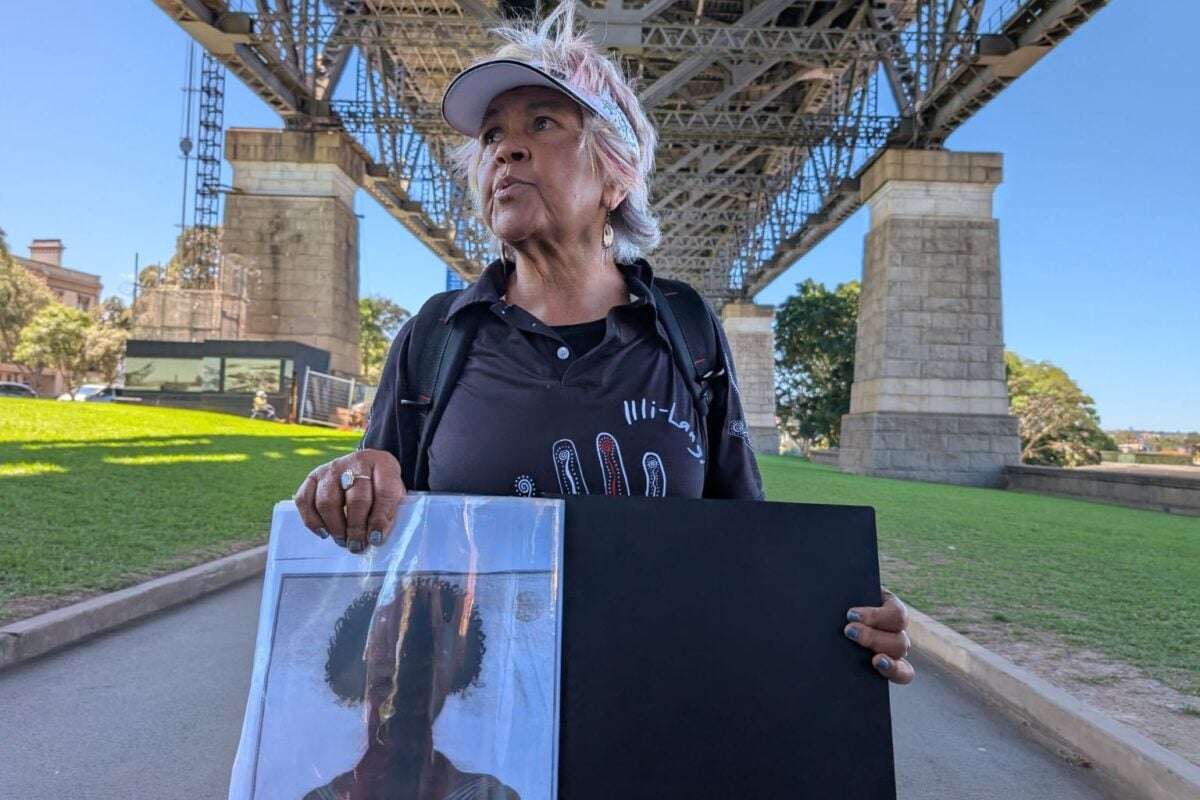
Margret Campbell stands at the edge of Sydney’s Harbor foreshore, her hand brushing the leaves of a seasonal wattle tree.
“This isn’t just a plant,” says Campbell, her voice steady with purpose. “It’s a seasonal pharmacy in a huge supermarket and a teaching classroom. My ancestors lived sustainably here for 65,000 years. Now, Sydney is finally listening.”
Campbell isn’t just preserving history, she’s helping write Sydney’s future. As founder of Dreamtime Southern X, her Aboriginal-led tours fuse ancient land stewardship practices with the city’s ambitious sustainability push. And travelers are taking note.
“Sydney is doing something special,” says Stephen McGillivray, chief partner marketing officer at Internova Travel Group, which recently brought U.S. travel agents to Sydney. “They’re not just slapping solar panels on buildings. They’re building a green economy that honors First Nations wisdom.”
The numbers back him up: Sydney now ranks second in the Asia-Pacific region on the prestigious Global Destination Sustainability Index, with a score that leapt six points in a year.
But this isn’t your typical eco-reboot. From airport runways to art galleries, Australia’s glittering harbor city is quietly proving that cutting-edge climate tech works best when rooted in timeless traditions.
A blueprint for Australian sustainability
Campbell’s tours reveal what sustainability looks like through a 65,000-year lens.
“Every plant, every rock, flora, fauna and marine life has its story and place,” she explains. “Modern Sydney’s finally remembering that.”
Her work dovetails with impressive progress:
- Sydney Airport now spends 24 percent more on Indigenous suppliers than in 2022, part of its 2030 net-zero plan.
- The new $344 million expansion of the Art Gallery of New South Wales has a six-star Green Star rating, using stormwater recycling and native plant roofs.
- The City of Sydney has slashed operational emissions by 76 percent since 2006 through building electrification and implementing energy-saving circular economy policies.
“It’s not about going backward,” says Melissa Snape of tour operator Collette, which partners with Campbell’s company. “It’s about using ancestral knowledge to solve modern problems.”
Does a destination’s commitment to sustainability influence where you travel? Have you ever taken a tour that focuses on Indigenous culture, and what was the experience like?
And what’s the most impressive green travel innovation you’ve ever seen?
Share your thoughts in the comments.
A concrete jungle turns green
Unlike other sustainability leaders, Sydney’s innovations aren’t obvious. There are no signs advertising the city’s green credentials. And Sydney is a typical big city, a little edgier than Melbourne but friendlier than Brisbane, so people aren’t exactly talking about it all the time.
You have to look closer to find out how it’s being sustainable. But the evidence is all there.
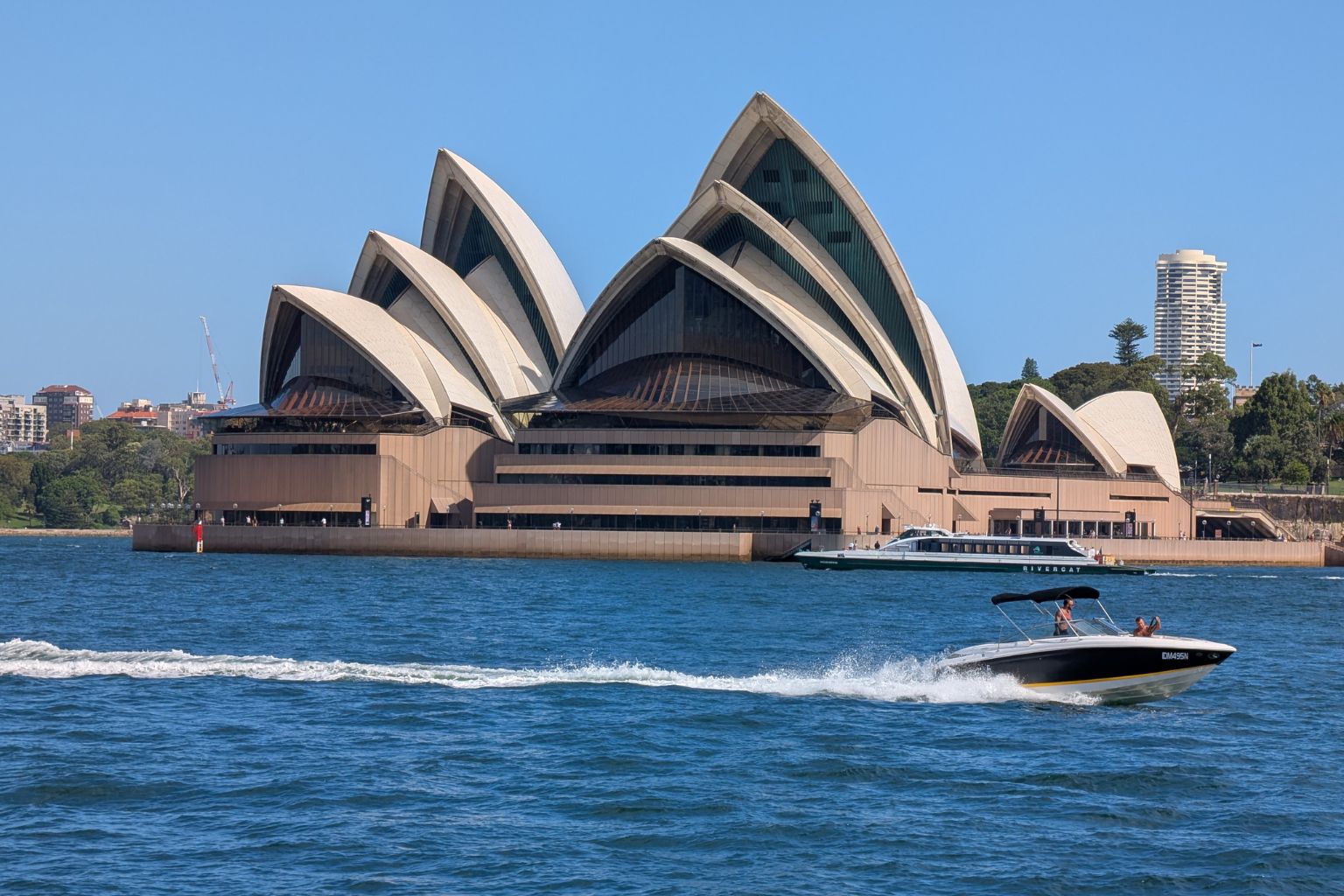
At Sydney Metro West, tunnel boring machines chew through sandstone while running entirely on renewable energy. As one project leader noted, “It’s engineering meets ethics.” (Related: How the Sydney Opera House became a symbol of sustainability.)
In Surry Hills, boutique hotels like the one real estate consultant Sebastian Wade visited now source power from regional solar farms.
“They even composted my breakfast scraps,” he marvels.
But the real magic happens where tradition and innovation meet. At Midden by Mark Olive, the Indigenous restaurant inside Sydney Opera House, diners taste lemon myrtle-crusted barramundi while hearing stories of bush-tucker foraging. “Every bite teaches stewardship,” says McGillivray.
Sydney’s sustainability playbook reads like a tech startup’s pitch deck — with a heavy First Nations influence.
Sydney’s ripple effect
The impact of Sydney’s sustainability efforts stretches far beyond the city’s postcard skyline. At Voyages Indigenous Tourism, solar-powered resorts in the Outback fund health care and education for Anangu communities. Their National Indigenous Training Academy has placed over 2,500 First Nations people in tourism jobs.
Even Australia’s famous adrenaline tourism is getting a reboot. Adventurer Meeshka Brand found that Sydney’s Blue Mountains trekking hubs now offer zero-waste climbing gear rentals. “You rappel down sandstone cliffs knowing your dollars protect them,” she says. (Related: Can a green hotel (and a side of buffalo milk) save Luang Prabang?)
Australia may not be the first place that comes to mind when you think of ecotourism, but the innovations happening in Sydney are affecting the entire country. And their influence is growing.
The road ahead
Challenges remain. Overtourism still strains resources, and critics argue green certifications need stricter oversight.
Campbell is hopeful. A former schoolteacher, she says her tours are shaping how visitors see Sydney, and affecting the city’s overall vision of sustainability.
“It’s bringing awareness to these issues,” she says.
But she says more needs to be done. In addition to working with tour operators and cruise ships, Campbell also offers tours to business and school groups. She teaches them the principles of the ancestors — that you can’t take something from the land without putting something back – and the importance of rituals and tradition.
It’s clear that Sydney’s voyage toward sustainability is only beginning. The signs of progress are there, whether you’re visiting a museum or riding the Metro. In time, visitors will also discover the deeper spiritual connection that Campbell is teaching. It will no doubt come with more reflection — and with the sustainability initiatives that are starting to define Sydney as a tourism destination.
The conscious traveler’s compass
A guide to truly sustainable tourism
Before you book: Pack with purpose
Choose eco-certified hotels, seek out airlines with modern, fuel-efficient fleets, and pack a reusable water bottle and coffee cup to minimize waste from the start.
During your stay: Engage respectfully
Hire local guides, especially from Indigenous or First Nations communities. Eat at restaurants that source local ingredients and use public transportation or walk whenever possible.
When you leave: Leave a positive trace
Buy souvenirs directly from local artisans, not mass-produced shops. Offset your carbon footprint through a verified program and share your positive sustainable experiences online to inspire others.



Have a question about this story? Tell us what happened — we read every comment.
Join the conversation